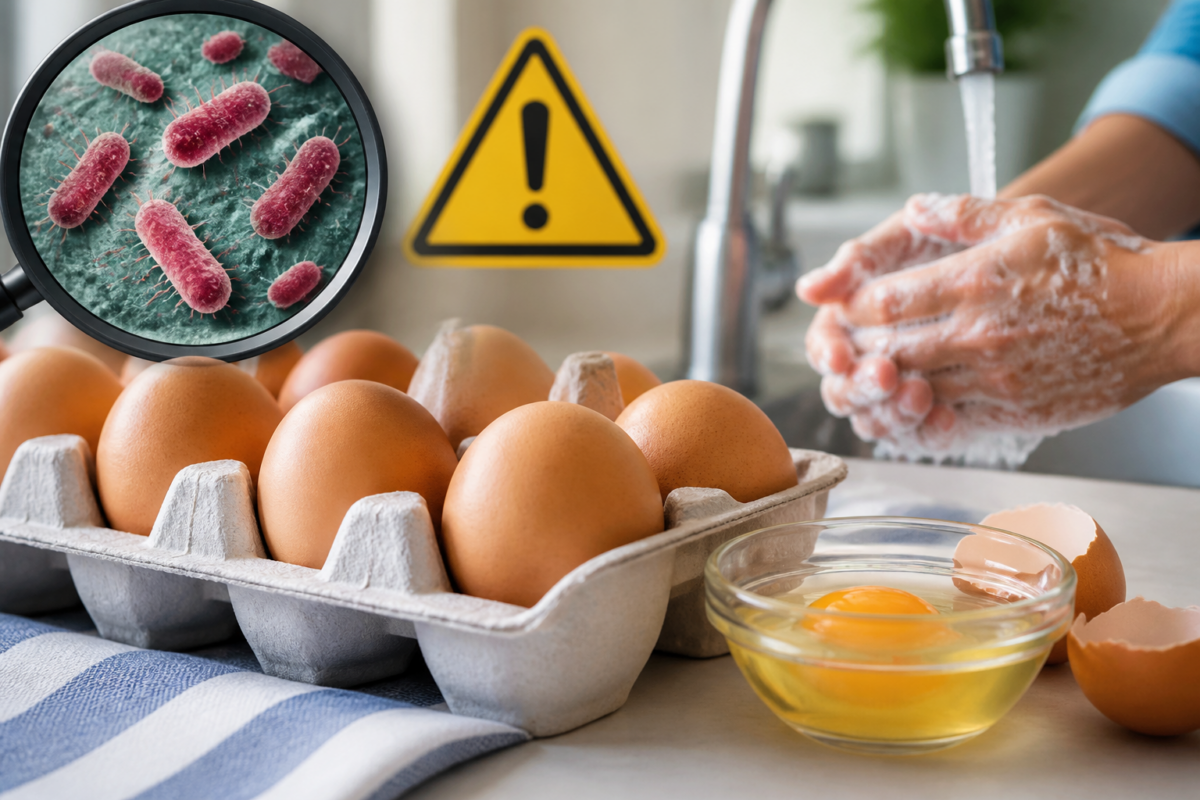
Egg safety has become a front‑page topic after a nationwide salmonella recall linked to several major producers. The outbreak has prompted health agencies to issue urgent warnings, and many consumers are wondering whether the eggs in their refrigerator are still safe to eat. This guide breaks down the facts, explains how the contamination occurs, and gives you clear, actionable steps to protect yourself and your family without panic.
Understanding the Recall
The recall was triggered when routine testing detected salmonella enteritidis in egg samples from multiple farms. The Centers for Disease Control and Prevention and the Food and Drug Administration jointly announced the affected lot numbers, which cover eggs sold under several brand names across the country. Knowing the scope helps you decide whether your carton falls within the warning zone.
Recall notices list specific plant codes, pack dates, and expiration dates. Those details are printed on the carton’s side panel. If you cannot locate the code, treat the eggs as potentially contaminated and follow the precautionary steps outlined below.
Manufacturers have halted distribution from the implicated facilities and are cooperating with investigators to trace the source. While the investigation continues, the agencies emphasize that the risk to the general public remains low if proper handling and cooking practices are observed.
How Salmonella Spreads in Eggs
Salmonella can infiltrate an egg before the shell forms, when infected hens shed bacteria into the reproductive tract. The bacteria then become trapped inside the yolk or albumen, making visual inspection impossible. Cross‑contamination can also occur after laying, when eggs contact contaminated surfaces, equipment, or hands.
Temperature abuse accelerates bacterial growth. Eggs stored above 40 degrees Fahrenheit allow salmonella to multiply rapidly, increasing the chance of illness when the egg is consumed raw or undercooked. Maintaining a consistent cold chain from farm to table is the most effective barrier.
Environmental factors such as rodent infestations, poor sanitation, and inadequate biosecurity on farms raise the likelihood of flock infection. Producers that follow the USDA’s Salmonella Enteritidis Prevention Plan reduce these risks significantly.
Identifying Affected Products
Check the carton for the plant number, usually a three‑digit code preceded by the letter P. Compare that number with the list published on the FDA’s recall webpage. The pack date, shown as a three‑digit Julian date, and the sell‑by date are also critical for matching.
If you purchased eggs from a retailer that has posted a store‑level notice, the store may have already removed the affected lots. Nevertheless, verify your own carton because some consumers buy in bulk and may have older stock at home.
When in doubt, photograph the carton label and contact the retailer’s customer service. Many chains offer a refund or replacement for recalled items, and they can confirm whether your specific lot is included.
Immediate Steps for Your Kitchen
First, discard any eggs that match the recalled lot numbers. Place them in a sealed bag before throwing them in the trash to prevent accidental contact with other foods. Wash your hands thoroughly with soap and warm water after handling the discarded eggs.
Sanitize surfaces that may have touched the eggs, including countertops, refrigerator shelves, and any utensils. A solution of one tablespoon unscented bleach per gallon of water works well; let it sit for at least one minute before wiping dry.
If you have already cooked with the suspect eggs, assess whether the dish reached an internal temperature of 160 degrees Fahrenheit. Properly cooked dishes are generally safe, but when in doubt, discard the leftovers and clean the cookware.
Safe Handling and Cooking Practices
Store eggs in their original carton on a middle shelf of the refrigerator, not in the door where temperature fluctuates. Keep the fridge at 40 degrees Fahrenheit or colder. Use eggs within three weeks of the pack date for best quality and safety.
When cracking eggs, avoid letting the shell touch the contents. Use a clean bowl for each egg if you are separating yolks and whites. Wash hands, utensils, and bowls immediately after contact with raw egg.
Cook eggs until both yolk and white are firm. For recipes requiring raw or lightly cooked eggs — such as homemade mayonnaise, Caesar dressing, or certain desserts — consider using pasteurized egg products, which have been heat‑treated to destroy salmonella without affecting functionality.
When to Seek Medical Attention
Symptoms of salmonella infection typically appear six to seventy‑two hours after exposure and include diarrhea, fever, abdominal cramps, and vomiting. Most healthy adults recover within four to seven days without specific treatment.
Dehydration is the primary concern. Drink plenty of fluids, preferably oral rehydration solutions, and monitor for signs such as dry mouth, reduced urine output, or dizziness. If symptoms persist beyond three days, or if you experience high fever, bloody stools, or severe abdominal pain, contact a healthcare professional.
Young children, older adults, pregnant individuals, and people with weakened immune systems are at higher risk for severe illness. They should seek medical advice promptly if they suspect exposure.
Long‑Term Food Safety Habits
Adopt a routine of checking recall alerts weekly. The FDA’s email subscription service and the USDA’s Food Safety and Inspection Service app deliver real‑time notifications directly to your phone.
Practice the ‘clean, separate, cook, chill’ mantra for all perishable foods. Keep raw meat, poultry, seafood, and eggs separate from ready‑to‑eat items in the grocery cart, refrigerator, and during preparation.
Invest in a reliable refrigerator thermometer and a food‑grade instant‑read thermometer. Verifying temperatures removes guesswork and reinforces safe habits for the whole household.
Decoding Egg Carton Codes: Plant Numbers, Julian Dates, and Lot Tracking
Every carton carries a plant identifier that begins with the letter P followed by a three‑digit number. This code tells you which facility packed the eggs and is the primary key used by the FDA recall list. The Julian pack date appears as a three‑digit number representing the day of the year, so 001 equals January 1 and 365 equals December 31. The sell‑by or expiration date is printed in month‑day format and helps you confirm freshness. Together these three elements let you pinpoint the exact production batch.
When a recall is announced the FDA publishes a table that matches plant codes to specific Julian date ranges. To verify your eggs, locate the plant code on the side panel, note the Julian date, and compare both to the published ranges. If the plant code matches but the Julian date falls outside the listed window, the eggs are not part of the recall. Conversely, a matching plant code and a Julian date inside the range means the carton is affected regardless of the sell‑by date.
Some cartons also display a lot number that combines the plant code, Julian date, and a sequence suffix. This lot number is the most precise identifier and is often used by retailers to pull specific cases from shelves. If you see a lot number, copy it exactly as shown, including any hyphens, and enter it into the FDA search tool for an instant yes or no answer.
Edge cases arise when the label is smudged, torn, or printed in a font that makes the P hard to read. In those situations treat the carton as suspect. Photograph the label, enlarge the image on a phone, and if any character remains ambiguous, discard the eggs and follow the sanitization steps recommended for recalled product.
Bulk buyers who transfer eggs into secondary containers lose the original code. The safest practice is to write the plant code and Julian date on the new container with a permanent marker at the time of transfer. If you cannot reconstruct the information, assume the eggs are part of the recall and replace them.
Finally, keep a small notebook or digital note with the plant codes of the brands you regularly purchase. This habit speeds up future checks and reduces the chance of accidentally consuming a recalled lot.
Advanced Home Storage: Freezing, Powdered, and Long‑Term Preservation Techniques
Whole eggs can be frozen safely by cracking them into a clean bowl, gently whisking to blend yolk and white, and then pouring the mixture into ice‑cube trays or freezer‑safe containers. Add a pinch of salt or a teaspoon of sugar per cup of egg mixture if you plan to use the eggs in savory or sweet recipes respectively; this prevents the yolks from becoming overly gelatinous during freezing.
Separated yolks and whites freeze differently. Whites freeze well on their own and retain foaming ability after thawing. Yolks, however, thicken and can become unusable unless stabilized with either salt (for savory use) or sugar (for baking). Use one‑eighth teaspoon of salt or one‑half teaspoon of sugar per four yolks, mix thoroughly, then freeze in measured portions.
Thaw frozen egg portions in the refrigerator overnight or under cold running water in a sealed bag. Never thaw at room temperature because the temperature danger zone encourages any surviving bacteria to multiply. Once thawed, use the eggs within 24 hours and cook them to the same internal temperature guidelines as fresh eggs.
Powdered eggs offer a shelf‑stable alternative that eliminates refrigeration concerns. Commercial egg powders are produced by spray‑drying pasteurized liquid egg, which destroys salmonella. Reconstitute according to package directions, typically one part powder to two parts water, and treat the resulting liquid as you would fresh eggs. Store the powder in a cool, dry place and seal the container tightly after each use to prevent moisture absorption.
Vacuum sealing extends the freezer life of both liquid and powdered eggs by removing air that causes freezer burn. For liquid eggs, portion into single‑use bags, remove air with a vacuum sealer, and label with the preparation date. Properly sealed portions remain high quality for up to 12 months. Powdered eggs in vacuum‑sealed jars can last 5‑10 years if kept away from heat and light.
Watch for texture changes: frozen yolks may become slightly grainy, and thawed whites can lose a small amount of volume. These changes rarely affect cooked dishes but can impact delicate preparations like meringues. Test a small batch before committing to a large recipe.
Safe Preparation of Raw‑Egg Recipes: Home Pasteurization, Sous‑Vide, and Verified Alternatives
Home pasteurization can be done in a water bath held at 140 °F (60 °C) for three and a half minutes. Place whole eggs in a heat‑proof bag, submerge in the bath, and use a calibrated thermometer to maintain temperature. After the time elapses, immediately transfer the eggs to an ice bath to stop the heating process. This method reduces salmonella by a 5‑log factor while keeping the eggs functionally raw for recipes such as mayonnaise or tiramisu.
Sous‑vide devices provide precise temperature control for larger batches. Set the circulator to 135 °F (57 °C) and pasteurize for 75 minutes. The lower temperature preserves more of the egg’s native protein structure, which is advantageous for foams and custards. Verify the water temperature with an independent probe before each session.
Commercially pasteurized shell eggs are available in many supermarkets and are labeled as such. They have undergone a controlled heat treatment that meets USDA standards. Use them interchangeably with raw eggs in any recipe, but remember that once the shell is cracked the same cross‑contamination rules apply.
For vegan or allergy‑free kitchens, aquafaba (the liquid from canned chickpeas) mimics egg whites in meringues and mousses. Silken tofu blended smooth replaces whole eggs in quiches and baked goods. Commercial egg replacers based on starches and leavening agents also work well. Each substitute has a distinct flavor profile, so test in a small batch first.
Always confirm the final internal temperature of any dish that incorporates pasteurized or substitute eggs. A calibrated instant‑read thermometer inserted into the center of the preparation should read at least 160 °F (71 °C) for custards, sauces, and baked items. This extra check guards against under‑cooking due to oven hot spots or inaccurate timers.
Edge case: recipes that require raw egg whites whipped to stiff peaks, such as classic French meringue, cannot be made with heat‑treated whites because the proteins have already coagulated. In those instances, use pasteurized liquid egg whites sold in cartons specifically labeled for whipping, or opt for aquafaba which whips reliably.
Protecting High‑Risk Groups: Tailored Guidelines for Pregnant People, Immunocompromised, Children, and Seniors
Pregnant individuals should avoid any raw or undercooked egg product, including homemade Caesar dressing, hollandaise, and soft‑boiled eggs. Choose pasteurized eggs or egg‑free alternatives for these dishes. When dining out, ask the server whether the kitchen uses pasteurized eggs for items prepared tableside.
People with weakened immune systems — such as those undergoing chemotherapy, living with HIV, or taking immunosuppressive drugs — face a higher probability of severe salmonellosis. Their households should adopt a zero‑tolerance policy for raw eggs. All egg‑containing meals must reach 160 °F internally, and leftovers should be reheated to the same temperature before consumption.
Children under five and adults over 65 have less robust gastrointestinal defenses. For these groups, serve only fully cooked eggs with firm yolks and whites. Avoid runny yolks in breakfast dishes, and ensure that baked goods containing eggs are baked until the center is set. School and daycare providers should verify that any egg‑based snacks meet the same standard.
Monitor for symptoms closely: diarrhea lasting more than 24 hours, fever above 101.5 °F, blood in stool, or signs of dehydration such as dry mouth and reduced urine output. Early medical evaluation can prevent complications like bacteremia or reactive arthritis.
Coordinate with healthcare providers to create a personal food‑safety plan. Some clinicians recommend prophylactic probiotics during known outbreak periods, though evidence varies. Keep a list of safe egg brands and pasteurized products handy for quick reference during grocery trips.
Travel and communal living add complexity. When staying in hotels or visiting relatives, bring a small supply of pasteurized egg products or egg‑free breakfast options. In shared kitchens, label your egg containers clearly and store them on a dedicated shelf to avoid accidental cross‑contact.
Food‑Service and Commercial Kitchen Protocols: HACCP, Employee Training, and Supplier Verification
Receiving docks should verify each egg shipment against the supplier’s certificate of analysis, confirming that the lot numbers match the purchase order and that the eggs were held at 40 °F or below during transport. Record the temperature of the delivery truck’s refrigerated compartment on the receiving log.
Store eggs in their original cartons on middle shelves of walk‑in coolers, never in door bins where temperature fluctuates. Implement a daily temperature log for each cooler, with automatic alarms set at 41 °F. Rotate stock using a first‑in‑first‑out system and discard any cartons past the sell‑by date.
Identify critical control points for egg handling: cracking, pooling, and cooking. At the cracking station, use single‑use disposable gloves and sanitized egg‑cracking tools. Pooling — combining multiple eggs into a single container — should be limited to the amount needed for immediate service; any pooled eggs held longer than two hours must be discarded.
Cooking steps must achieve a minimum internal temperature of 160 °F for all egg dishes. Use calibrated probe thermometers for each batch of scrambled eggs, quiches, and custards. Document the temperature and time on a production sheet that is retained for at least 90 days.
Employee training programs should cover hand‑washing frequency, glove changes between raw and ready‑to‑eat tasks, and the proper use of sanitizing solutions on surfaces that contact eggs. Conduct quarterly refresher drills and keep signed attendance records.
Supplier verification goes beyond price. Request the farm’s Salmonella Enteritidis Prevention Plan, recent environmental testing results, and any third‑party audit reports. Establish a traceability agreement that requires the supplier to notify you within 24 hours of any recall affecting their lots.
Edge case: catering events where eggs are prepared off‑site and transported hot. Use insulated carriers that maintain 140 °F or above, and verify temperature upon arrival. If the temperature drops below 135 °F, reheat on‑site to 165 °F before service.
Outbreak Investigation Mechanics: PulseNet, Whole‑Genome Sequencing, and How Consumers Can Assist
PulseNet is a national network of public‑health laboratories that perform standardized DNA fingerprinting of food‑borne pathogens. When a clinical lab isolates salmonella from a patient stool sample, the isolate is uploaded to PulseNet where its pulsed‑field gel electrophoresis pattern is compared to others across the country. Matching patterns trigger an outbreak investigation.
Whole‑genome sequencing (WGS) has largely replaced older fingerprinting methods because it provides single‑nucleotide resolution. WGS can distinguish between closely related strains, link cases across states, and identify the exact genetic markers of the outbreak strain. The resulting phylogenetic tree helps investigators pinpoint the source farm or processing facility.
Traceback investigations follow the food supply chain backward from the point of purchase. Epidemiologists interview patients about foods consumed, collect receipts, and request retailer purchase records. When a common supplier emerges, environmental swabs from that facility are sequenced and compared to the clinical isolates. A match confirms the source.
Consumers play a vital role by reporting illness promptly. Use the CDC’s Foodborne Illness Complaint System or call your local health department. Provide the date of consumption, brand, plant code if known, and a description of symptoms. Even a single report can be the index case that launches an investigation.
If you still have the suspect carton, keep it refrigerated and contact the health department; they may request the eggs for laboratory testing. Do not wash or discard the carton before speaking with investigators, as the label contains traceability data.
Multi‑state outbreaks often involve distributed products with long shelf lives. In those scenarios, the investigation timeline can stretch weeks. Staying subscribed to FDA recall alerts and checking the CDC outbreak page daily ensures you receive the latest guidance as the traceback narrows.
Resources and Staying Informed
Bookmark the FDA recall page and the CDC outbreak page for the latest updates. Both sites provide searchable databases where you can enter a product code to see if it is affected.
Follow reputable food‑safety organizations on social media for quick alerts. The Partnership for Food Safety Education and the Food Safety News outlet regularly post concise summaries and practical tips.
Consider joining a local consumer‑advocacy group or a community‑supported agriculture program that emphasizes transparent sourcing. Direct relationships with producers often provide earlier notice of any safety issues.
What should I do if I cannot find the plant code on my egg carton?
If the plant code is missing or illegible, treat the eggs as potentially recalled. Discard them safely, sanitize any surfaces they touched, and replace the carton with a verified lot from a trusted retailer.
Are pasteurized eggs completely risk‑free?
Pasteurized eggs dramatically reduce salmonella risk because the heat process kills the bacteria. However, they can still become contaminated after opening if handled improperly, so continue to follow standard hygiene practices.
Can I still eat eggs that were cooked before the recall announcement?
If the dish reached an internal temperature of 160 degrees Fahrenheit, the salmonella would have been destroyed. When uncertain about the cooking temperature, it is safer to discard the leftovers.
How long does salmonella survive on kitchen surfaces?
Salmonella can survive for several hours to days on dry surfaces. Prompt cleaning with a bleach solution or a commercial kitchen sanitizer eliminates the bacteria effectively.
Where can I report a suspected food‑borne illness?
Contact your local health department or use the CDC’s Foodborne Illness Complaint System online. Providing details about what you ate, when, and any symptoms helps investigators track outbreaks.
Related posts:
 The Truth About Double-Dipping and Germs
 Jessica Simpson’s Chicken-or-Fish Whole Foods Recall
 The Only Guide You Need to Make Perfect Eggs—Every Time
 1. Visit each URL directly
 Truth About Food Expiration Dates
 Perfect Hard-Boiled Eggs: A Simple Guide
 Fitbit Ionic Recall Details
 Smart Egg Storage Hack