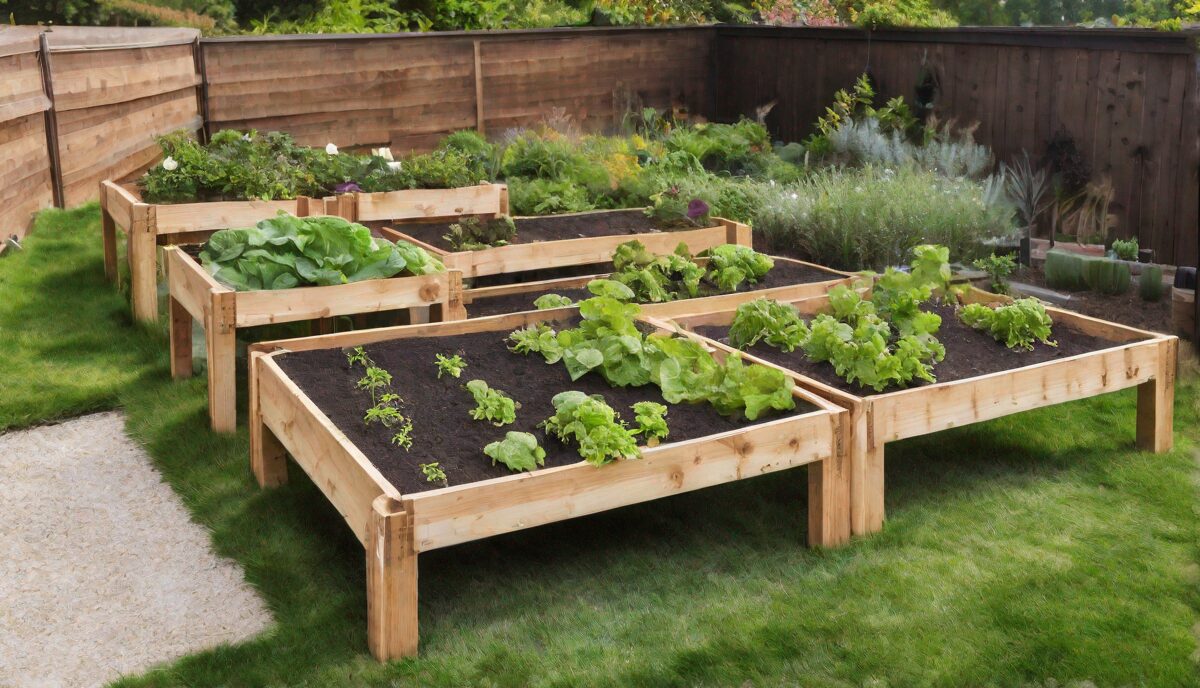
Welcome the new season by creating a beautiful and productive garden space. Raised garden beds allow you to grow vegetables, herbs, and flowers with ease, while adding an decorative focal point to your outdoor area.
Key takeaways
- Place beds in a spot with at least six hours of daily sunlight and avoid low-lying areas with poor drainage.
- Construct beds using rot-resistant materials like cedar and line the bottom with hardware cloth to keep out pests.
- Maintain a depth of 12 to 18 inches to ensure adequate moisture retention and root growth for vegetables.
- Use high-quality organic potting mix and implement succession planting to maximize production in a concentrated growing area.
Choose the Ideal Spot
When selecting the location for raised beds, aim for a spot that receives at least 6 hours of sunlight daily. Good drainage is also key – avoid low-lying areas that collect water.
Build with Quality Materials
Use rot-resistant woods like cedar or redwood, or try durable composite materials. Make sure to line beds with landscaping fabric to prevent soil from washing away.
Fill with Nutrient-Rich Soil
Opt for a high-quality organic potting mix, which will provide ideal drainage and nutrients for your plants to thrive.
Get Creative with Shapes and Sizes!
Raised beds allow you to customize sizes and configurations. Try a modern grid design, curved beds, or even raise a miniature garden for kids.
Plant Dense for High Yields
Take advantage of the concentrated growing area of a raised bed. Use succession planting and intercropping methods to maximize production.
Here are answers to commonly asked questions:
What are the benefits of raised garden beds?
Better drainage, warmer soil, keeps pathways clear, prevents soil compaction, extends the growing season, easier on the back for gardeners, and keeps plants tidy and organized.
What should I put at the bottom of a raised bed?
Line the bottom with hardware cloth to keep pests out. Top that with weed barrier fabric. You can also add a layer of gravel or wood chips for improved drainage.
How deep should raised garden beds be?
About 12-18 inches deep is ideal for most vegetable gardens. Shallower beds will dry out and heat up too quickly. Deeper is unnecessary and wastes soil.
What can damage raised beds?
Sun exposure and weather may cause wooden raised beds to warp, split or deteriorate over time. Ensure you use thick, rot-resistant lumber and keep beds well-maintained.
Do raised beds keep weeds down?
Raised beds help minimize weed issues since your garden starts out with fresh, weed-free soil. Just be diligent about removing any weeds that do pop up right away before they go to seed.
Advanced Soil Composition and Layering Techniques
Beyond standard potting mixes, high-performance raised bed gardening often utilizes the “Lasagna Gardening” or “Hugelkultur” method to build long-term fertility. For the base of a new bed, incorporate a layer of woody debris, such as small branches or untreated logs; as they decompose, they act as a sponge for moisture and release nutrients slowly over several years. Above this, layer organic matter like grass clippings, straw, and kitchen compost. This “bottom-up” approach reduces the total volume of expensive potting soil required while creating a self-sustaining ecosystem. For the top 8-10 inches, aim for a balanced mix of 60% topsoil, 30% compost, and 10% aeration amendments like perlite or vermiculite. This specific ratio prevents the compaction often seen in heavy clay-based garden soils and ensures that root systems can penetrate deeply without resistance, which is critical for root vegetables like carrots and parsnips.
Integrating Vertical Trellising Systems
Maximizing the spatial efficiency of a raised bed requires looking upward. By installing integrated trellising on the north side of your beds, you can grow vining crops like pole beans, cucumbers, and indeterminate tomatoes without shadowing your low-growing greens. Use heavy-duty cattle panels or tensioned galvanized wire systems secured to the bed frame to support the significant weight of heavy fruits. This vertical architecture not only increases yield per square foot but also improves airflow around the foliage, which is a primary defense against fungal diseases such as powdery mildew. During the height of summer, these vertical screens can also provide a “living wall” of shade for cooler-weather crops tucked directly beneath them, effectively creating a microclimate within your bed.
Automating Irrigation for Consistent Moisture
Raised beds lose moisture faster than in-ground gardens due to increased airflow around the sides. To combat this, consider installing a drip irrigation system rather than relying on overhead hand-watering. Drip lines or soaker hoses hidden beneath a layer of mulch deliver water directly to the root zone, reducing evaporation and preventing water from splashing on leaves, which can spread pathogens. For a professional finish, connect your system to a battery-operated timer at the spigot. This setup allows for precise watering schedules—early morning is best—which helps regulate the soil temperature and provides a consistent environment that prevents common issues like blossom end rot in peppers and tomatoes, which is frequently caused by irregular watering cycles.
Strategic Companion Planting for Pest Management
Instead of planting monocultures, leverage your raised beds to host diverse plant communities that naturally deter pests. For instance, planting marigolds or nasturtiums along the perimeter of your bed acts as a sacrificial trap for aphids and can deter nematodes. Incorporating aromatic herbs like basil, oregano, and cilantro among your vegetable rows masks the scent of your crops, making it harder for pests to locate their preferred hosts. Furthermore, consider the “Three Sisters” method—corn, beans, and squash—even in a scaled-down version; the beans fix nitrogen in the soil, the corn provides a stalk for support, and the squash leaves act as a living mulch to retain soil moisture. This approach reduces the need for chemical interventions and promotes a healthier, more resilient garden environment.
Adapting Beds for Mobility and Accessibility
For gardeners with limited mobility or those renting a property, consider modular or mobile raised bed designs. Using heavy-duty, locking caster wheels on a raised bed frame allows you to rotate your garden throughout the day to follow the sun or move it to a sheltered area during extreme weather events. If you are building on a patio or deck, ensure your beds are equipped with a drainage tray or a dedicated runoff system to protect the surface beneath. For those with chronic back pain, constructing “elevated” beds—essentially tables with deep growing trays—brings the soil level to waist height. These designs require careful material selection, such as reinforced corners and galvanized steel brackets, to account for the immense weight of wet soil, which can exceed several hundred pounds.
Seasonal Protection and Cold-Frame Conversions
Extend your harvest well into the frost season by outfitting your raised beds with removable cold-frame covers or low-tunnel hoop houses. By bending PVC pipe or flexible conduit into half-circles and securing them to the sides of your bed, you can drape greenhouse plastic or floating row covers over your plants. This simple modification can raise the interior temperature by 5 to 10 degrees, allowing for early spring starts of spinach and kale or late-autumn harvests of root crops. When temperatures rise, these covers can be easily removed or propped open to prevent overheating. This seasonal adaptability essentially transforms your static raised bed into a climate-controlled environment, allowing you to harvest fresh produce for 9 to 10 months of the year depending on your hardiness zone.
Maintenance and Structural Longevity
Even the most rot-resistant lumber requires annual attention to maintain its structural integrity. Inspect your beds every spring for loose fasteners or signs of wood splitting. If using cedar or redwood, consider applying a food-safe, non-toxic wood preservative or a natural linseed oil treatment to the exterior faces to slow the effects of UV rays and moisture absorption. Avoid using old pressure-treated wood, which may contain chemicals that can leach into the soil. Periodically check the soil level; over time, organic matter decomposes and settles, requiring you to “top off” the bed with fresh compost each season. This regular replenishment is also the perfect time to incorporate a granular organic fertilizer or worm castings to ensure the soil remains nutrient-dense for the upcoming planting cycle.
Related posts:
 DIY Plant Pot Recycling Ideas
 Practical Tips for Growing Herbs on a Balcony
 How to Regrow Common Kitchen Vegetables From Scraps
 Beginner-Friendly Fruits to Grow
 Essential Tips for Better Garden Health
 The Best Potting Soil for Houseplants, According to Plant Parents
 Rose Crystal Garden in NYC
 Growing Peanuts at Home: A Fun and Rewarding Gardening Project