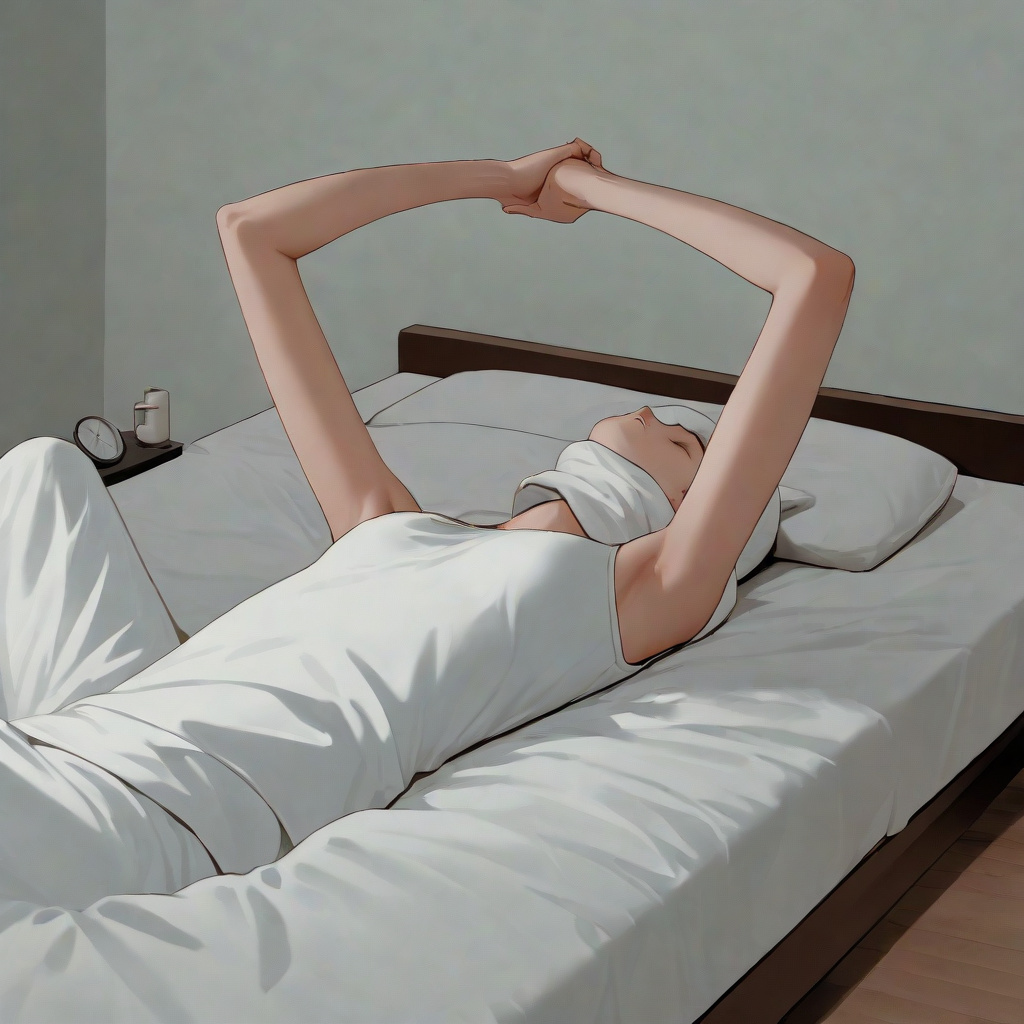
As the day winds down and your body settles into stillness, the right bedtime stretches can make the difference between tossing and turning or drifting into restful sleep. Whether you’ve spent hours at a desk, chasing children, or simply moving through daily life, gentle stretching before bed helps release accumulated tension and signals to your nervous system that it’s time to relax. These stretches aren’t about intensity or pushing your limits—they’re about creating space, improving circulation, and preparing both body and mind for a night of restoration.
Why Bedtime Stretches Matter for Sleep Quality
Stretching before bed does more than just loosen tight muscles. It activates the parasympathetic nervous system, which is responsible for the body’s “rest and digest” response. This shift away from the stress-inducing sympathetic nervous system can lower cortisol levels, reduce heart rate, and ease the transition into sleep. Research suggests that regular gentle stretching can improve sleep quality, reduce insomnia symptoms, and even enhance overall well-being. For people dealing with chronic stress, anxiety, or physical discomfort from long days, incorporating a short stretching routine before bed can become a powerful ritual that supports both physical health and mental clarity.
Creating the Ideal Environment for Stretching
Before diving into the stretches themselves, it’s important to set the stage for a calming experience. Dim the lights or use a soft lamp to reduce visual stimulation, which can interfere with melatonin production. Play gentle background music or nature sounds to create a soothing atmosphere. Keep your space warm but not overheated, as your body temperature naturally drops as bedtime approaches. Remove distractions such as phones, tablets, or laptops at least 30 minutes before stretching. If possible, practice on a yoga mat or soft surface to support your joints and provide comfort during floor-based stretches. A few drops of lavender essential oil or a light incense stick can also enhance the sensory experience and promote relaxation.
Neck and Shoulder Relief Stretches
One of the most common areas of tension is found in the neck and shoulders, especially for those who spend long hours typing or looking at screens. Begin by sitting or standing with your spine tall. Slowly tilt your head to the right, bringing your ear toward your shoulder, and hold for 20 to 30 seconds. Return to center and repeat on the left side. Next, try shoulder rolls: lift your shoulders toward your ears, roll them back and down in a circular motion, and repeat 10 times. For a deeper release, clasp your hands behind your back and gently straighten your arms while lifting slightly. This stretch opens the chest and front of the shoulders, counteracting the hunched posture many people develop throughout the day.
Lower Back and Hip Openers
Tight hips and lower back tension can make it difficult to find a comfortable sleeping position. Start with a simple knee-to-chest stretch: lie on your back and bring one knee toward your chest, holding it with both hands. Hold for 30 seconds and switch legs. For a more comprehensive release, try the figure-four stretch. Lie on your back, cross your right ankle over your left thigh, and gently pull your left leg toward your chest until you feel a stretch in your right hip. Repeat on the other side. Another effective option is the child’s pose, where you kneel on the floor, sit back on your heels, and stretch your arms forward while lowering your torso to the ground. This pose gently stretches the lower back, hips, and thighs while promoting a sense of calm.
Hamstring and Calf Stretches for Legs
Standing or sitting for extended periods can leave the hamstrings and calves tight and sore. To stretch your hamstrings without straining your back, try a seated forward fold. Sit on the edge of a chair or the floor with your legs extended in front of you. Inhale deeply, lengthen your spine, and as you exhale, gently hinge forward from the hips. Keep your knees slightly bent if needed and avoid forcing the stretch. For your calves, perform a standing calf stretch by placing your hands on a wall and stepping one foot back, keeping the heel pressed into the floor. Lean forward gently until you feel a stretch along the back of your lower leg. Hold for 30 seconds and switch legs. These stretches help improve circulation and reduce the restless leg sensations that can disrupt sleep.
Full-Body Flow and Breathing Techniques
To finish your stretching routine, incorporate a gentle full-body movement that connects breath with motion. Begin in a comfortable kneeling position and slowly rise to standing while raising your arms overhead. Inhale as you lift your arms and exhale as you lower them. Repeat this sequence several times, syncing your breath with each movement. Follow this with a few minutes of deep breathing exercises such as box breathing or diaphragmatic breathing. Inhale for four counts, hold for four, exhale for four, and hold again for four. This breathing technique helps slow down your heart rate and quiets the mind, making it easier to settle into sleep once you get into bed.
Tips for Making Stretching a Nightly Habit
Consistency is key when it comes to building a bedtime stretching routine. Start small by committing to just five minutes each night. Set a reminder on your phone or place your yoga mat in a visible spot as a cue to begin. Choose stretches that feel good to you and avoid pushing into pain, which can cause injury and discourage continued practice. If you’re struggling to stay motivated, try varying your routine by rotating different stretches each week or exploring guided stretching videos designed for sleep. Tracking your progress in a journal can also help you notice improvements in flexibility and sleep quality over time. Remember, the goal is not perfection but consistency and self-care.
Common Mistakes to Avoid When Stretching Before Bed
While bedtime stretching is generally safe, there are a few common mistakes that can reduce its effectiveness or lead to discomfort. One major error is performing stretches that are too aggressive or forceful. Gentle, sustained stretches are more beneficial than bouncing or jerking movements. Another mistake is skipping stretches for problem areas such as tight hips or rounded shoulders. Pay attention to where your body holds tension and prioritize those regions. Avoid stretching immediately after eating, as this can cause discomfort and divert blood flow away from your limbs. Additionally, don’t forget to warm up slightly before stretching, even if it’s just a few minutes of gentle movement, to prepare your muscles for deeper stretches.
Adapting Stretches for Different Fitness Levels
Bedtime stretches should be accessible to everyone, regardless of age or fitness level. Beginners should focus on basic movements and use props such as pillows or blocks for support. If you have mobility limitations, consider chair-based stretches or seated versions of standing poses. Pregnant individuals may need to avoid certain stretches that put pressure on the abdomen or require lying flat on the back after the first trimester. People with existing injuries or medical conditions should consult with a healthcare provider before starting any new stretching routine. The beauty of bedtime stretching is its adaptability—you can modify each movement to suit your body’s needs and capabilities while still reaping the benefits of improved relaxation and sleep.
When to Seek Professional Guidance
If you experience persistent pain, limited range of motion, or sleep disturbances despite regular stretching, it may be time to consult a physical therapist, yoga instructor, or other qualified healthcare professional. These experts can assess your individual needs and recommend personalized stretches or techniques. They can also help identify underlying issues such as muscle imbalances, joint dysfunction, or sleep disorders that may require additional treatment. While bedtime stretching is a valuable tool for many people, it’s not a substitute for professional medical advice when needed. Listening to your body and seeking support when appropriate ensures that your stretching routine remains safe, effective, and aligned with your overall health goals.
Final Thoughts on Building a Sustainable Routine
Establishing a bedtime stretching routine is an investment in your long-term health and well-being. By dedicating just a few minutes each evening to gentle movement and mindful breathing, you create an opportunity to unwind, reconnect with your body, and prepare for quality rest. Over time, this consistent practice can lead to improved flexibility, reduced stress, and better sleep patterns. The key is to approach stretching with patience and kindness, honoring your body’s limits while gradually increasing comfort and range of motion. As you develop this nightly ritual, you may find that it becomes one of the most meaningful parts of your day—a moment of peace in an often chaotic world.
Timing Your Stretching to Support Circadian Rhythms
The effectiveness of bedtime stretching isn’t solely dependent on the poses themselves; when you engage in the practice also plays a significant role in how well it supports your sleep. Your circadian rhythm, the internal clock that regulates sleep-wake cycles, responds to consistent cues throughout the day, and stretching can become one of those powerful signals when timed correctly. Ideally, your stretching session should begin about 30 to 60 minutes before you intend to fall asleep. This window allows your body to transition gradually from the heightened alertness of evening activities to the slower, more relaxed state conducive to sleep. Starting too early may not provide enough carryover effect into bedtime, while beginning too close to your desired sleep time could leave you feeling energized rather than relaxed. Consider syncing your stretching routine with other pre-sleep rituals such as dimming the lights, changing into comfortable clothing, or brewing a caffeine-free herbal tea. The goal is to create a consistent sequence of events that your body begins to recognize and respond to automatically, much like Pavlov’s dogs salivating at the sound of a bell. Over time, simply unrolling your yoga mat or lighting a candle can trigger the mental association that it’s time to wind down. This conditioning becomes especially valuable during periods of stress or disruption when your natural sleep cues might be less reliable. Additionally, pay attention to how your body responds to stretching at different times. Some individuals find that a brief stretch immediately upon waking helps set a calm tone for the entire day, while others benefit from a mid-afternoon stretch break to combat the post-lunch dip in energy. Experimenting with timing allows you to customize your routine to match your lifestyle and energy patterns rather than following a rigid schedule that may not serve you well. If you’re someone who tends to feel energized by movement, consider shifting your stretching session slightly earlier in the evening and following it with a quiet activity such as reading or journaling to bridge the gap between physical activity and sleep. Conversely, if you’re naturally inclined toward evening energy, you might find that a slightly later stretching session helps prevent restlessness from building up before bed. The key is to observe your body’s responses without judgment and adjust accordingly, recognizing that flexibility in your routine often leads to greater sustainability over time.
Targeted Stretches for Common Daily Strain Patterns
Modern lifestyles often subject the body to repetitive strain patterns that accumulate throughout the day, and targeted bedtime stretches can serve as a counterbalance to these ingrained habits. Office workers frequently develop tightness in the chest and front of the shoulders due to prolonged forward head posture and rounded shoulder positioning. A doorway chest stretch, where you place your forearms against a door frame and gently step forward, can help restore length to these overworked muscles. Complement this with a cross-body shoulder stretch, bringing one arm straight across your chest and using the opposite arm to gently guide it closer, releasing tension in the upper back and rear deltoids. For those who spend significant time on their feet, plantar fasciitis and tight calf muscles are common complaints that can disrupt sleep with persistent aching. A towel stretch, where you loop a towel around the ball of your foot while seated and gently pull your toes toward your shin, targets the arch and plantar fascia directly. Meanwhile, a supine calf stretch, where you lie on your back and use a strap or towel to pull one leg toward your chest while keeping the knee straight, provides a deep release for the gastrocnemius and soleus muscles. Drivers and commuters often experience stiffness in the lower back and hip flexors, which can be addressed with a reclined pigeon pose variation. Lying on your back, cross one ankle over the opposite thigh and gently pull the uncrossed leg toward your chest, creating a figure-four shape that simultaneously stretches the outer hip and lower back. For individuals who carry tension in their jaw from clenching or grinding, gentle neck stretches combined with conscious relaxation of the facial muscles can provide meaningful relief. Seated spinal twists, performed by sitting upright and rotating the torso gently to one side while keeping the hips grounded, help release tension in the mid-back that can radiate into the neck and shoulders. Each of these stretches addresses specific areas of strain that develop from modern living, making them valuable additions to a comprehensive bedtime routine.
Breath Awareness and Its Role in Deepening Relaxation
While the physical act of stretching provides tangible benefits for muscle tension and circulation, integrating conscious breath awareness into your bedtime routine amplifies the relaxation response in ways that extend far beyond the physical body. Breath serves as a direct bridge between the conscious and unconscious mind, offering a tool that can influence everything from heart rate variability to stress hormone production. When you combine stretching with intentional breathing, you engage the vagus nerve, which acts as a communication highway between your brain and body, signaling the need to slow down and recover. One particularly effective technique involves matching your breath to your movement, inhaling as you prepare for a stretch and exhaling as you deepen into it. This coordination not only enhances the physical benefits of each pose but also creates a rhythmic pattern that naturally slows your heart rate and calms your nervous system. Ujjayi breath, characterized by a gentle constriction at the back of the throat that creates a soft ocean-like sound, can be especially powerful when practiced during stretching. This breathing technique generates internal warmth while simultaneously activating the parasympathetic nervous system, making it ideal for the transition period between active daytime pursuits and restful nighttime recovery. Box breathing, where you inhale for a count of four, hold for four, exhale for four, and hold again for four, provides a structured approach to breath regulation that can quiet a busy mind and reduce the mental chatter that often interferes with sleep onset. Practicing this technique while holding gentle stretches such as child’s pose or legs-up-the-wall pose creates a synergistic effect that addresses both physical and psychological barriers to restful sleep. Additionally, exploring alternate nostril breathing, or Nadi Shodhana, can help balance the two hemispheres of the brain and create a sense of mental clarity that carries over into the night. This practice involves closing one nostril with a finger while inhaling through the other, then switching sides during the exhale, creating a flowing pattern that alternates between the left and right nasal passages. For individuals who struggle with racing thoughts or anxiety at bedtime, integrating these breathing techniques with stretching can transform what might otherwise be a frustrating cycle of restlessness into a calming ritual that consistently prepares the body and mind for sleep.
Creative Modifications Using Household Items and Props
Creating an effective bedtime stretching routine doesn’t require expensive equipment or specialized yoga props, as many household items can serve as valuable tools to enhance comfort and deepen stretches safely. A simple bath towel, for instance, becomes incredibly versatile when used as a strap for hamstring stretches, a cushion for kneeling poses, or a gentle resistance band for assisted stretches that target the arms and shoulders. When working on seated forward folds or reclined stretches, looping a towel around the soles of your feet and gently pulling can provide the assistance needed to achieve a deeper stretch without straining the back or forcing the muscles beyond their current capacity. Pillows and cushions, commonly found throughout most homes, offer excellent support for joint-friendly modifications that make stretching accessible regardless of flexibility level or physical limitations. Placing a folded blanket under the knees during supine stretches can reduce strain on the lower back, while stacking pillows under the hips in seated poses can help tilt the pelvis forward and create better alignment for spinal extension. For individuals who experience discomfort in traditional floor-based poses, elevating the hips on a firm pillow during gentle twists or forward folds can make these movements significantly more comfortable and sustainable. A rolled towel placed lengthwise along the spine during backbending stretches can provide tactile feedback that helps maintain proper alignment while offering gentle pressure that feels grounding and supportive. Similarly, positioning a small pillow between the knees during side-lying stretches can help maintain neutral joint positioning and prevent unnecessary strain on the hips and lower back. For those who find themselves restless or unable to settle into stillness, incorporating a weighted blanket during supported stretches can provide the deep pressure stimulation that many people find inherently calming and reassuring. The gentle, distributed weight mimics the feeling of being held or swaddled, activating the parasympathetic nervous system and creating a sense of security that complements the physical benefits of stretching. Even common household items like a sturdy chair can transform standing stretches into supported movements that are easier on the joints while still providing meaningful release for tight muscles. Using a chair for balance during standing forward folds, or placing one hand on the backrest for support during hip-opening stretches, allows you to explore deeper ranges of motion without the fear of losing stability. The beauty of these creative modifications lies not only in their accessibility but in how they encourage a more personalized approach to stretching, one that honors individual needs and preferences while still delivering the core benefits of tension release and relaxation that make bedtime stretching such a valuable practice.
Addressing Mental Barriers and Building Consistency Through Small Wins
Perhaps the greatest challenge many people face when establishing a bedtime stretching routine isn’t physical but psychological, as the mind often presents obstacles that can derail even the best intentions. The pressure to perform perfect poses, concerns about taking time away from other evening activities, or simply the inertia of habit can all conspire to keep stretching from becoming a consistent part of your nightly routine. One of the most effective strategies for overcoming these mental barriers involves reframing the practice as an act of self-compassion rather than another task to check off on a to-do list. Instead of viewing stretching as something you should do because it’s good for you, consider it as a gift you give yourself—a dedicated moment of care that acknowledges the demands your body has endured throughout the day and responds with kindness and attention. This shift in perspective transforms stretching from a chore into a privilege, making it something to look forward to rather than avoid. Starting with just two or three minutes each night can also make the practice feel less daunting and more achievable, allowing you to build momentum gradually without overwhelming your schedule or energy reserves. The concept of small wins proves particularly powerful in this context, as consistently showing up for even a brief stretching session creates a sense of accomplishment that reinforces the behavior and makes it more likely that you’ll continue the next night. Choosing stretches that feel genuinely good rather than pushing through discomfort or trying to achieve specific physical goals helps maintain motivation and prevents injury that could set your routine back. When selecting your go-to poses, pay attention to how your body responds and prioritize movements that create a sense of relief and ease rather than challenge or frustration. This approach naturally leads to a more sustainable practice because you’re working with your body rather than against it, creating positive associations that strengthen over time. For individuals who struggle with consistency due to travel, irregular schedules, or changing living situations, developing a portable routine that can be adapted to different environments becomes essential. Learning to stretch effectively in hotel rooms, airport terminals, or even beside a couch ensures that your practice isn’t dependent on ideal conditions or specific equipment, making it resilient to the inevitable disruptions that life presents. Setting up visual cues in your environment, such as leaving a yoga mat unrolled in a visible location or placing a sticky note on your bathroom mirror as a reminder, can also help bridge the gap between intention and action when motivation wavers. These simple environmental modifications reduce the cognitive load required to remember your commitment and make it easier to follow through without relying solely on willpower. Additionally, tracking your progress in a way that feels supportive rather than punitive can help maintain motivation during inevitable periods when you miss a night or two. Rather than focusing on streaks or perfect attendance, celebrating the cumulative benefits you notice—such as improved flexibility, reduced tension, or better sleep quality—can reinforce the value of continuing the practice even when consistency falters temporarily. This compassionate approach to tracking acknowledges that setbacks are a natural part of any behavioral change process and emphasizes progress over perfection, creating a foundation for long-term success that isn’t derailed by occasional lapses in routine.
Frequently Asked Questions
How long should bedtime stretches last?
Ideally, bedtime stretches should last between 10 to 20 minutes. This duration is long enough to effectively release tension and promote relaxation without becoming too stimulating or time-consuming. If you’re just starting out, even five minutes of gentle stretching can be beneficial. The important thing is to focus on quality over quantity and choose stretches that feel restorative rather than exhausting.
Is it safe to stretch every night before bed?
Yes, stretching every night before bed is generally safe for most people. Gentle, static stretches performed at a comfortable pace do not put excessive strain on muscles or joints. However, if you have a specific injury or medical condition, it’s wise to consult with a healthcare provider to ensure the stretches you’re doing are appropriate for your situation.
Can bedtime stretching help with insomnia?
While bedtime stretching is not a cure for insomnia, it can serve as a helpful complementary strategy. The combination of physical movement and mindful breathing can reduce stress hormones, lower body temperature, and calm the nervous system—all factors that contribute to better sleep. When paired with good sleep hygiene practices, stretching can be a valuable part of an insomnia management plan.
What are the best stretches for people with back pain?
For those with back pain, gentle stretches such as knee-to-chest, cat-cow pose, and child’s pose are often recommended because they mobilize the spine without placing excessive pressure on the back. It’s important to move slowly and avoid any stretch that increases pain. Consulting with a physical therapist can provide personalized recommendations based on the type and severity of back pain.
Should I stretch before or after a warm bath?
Stretching after a warm bath or shower is often ideal because the heat helps relax muscles and increase flexibility. The warm water opens up blood vessels and prepares your tissues for deeper stretching. However, if you prefer to stretch before a bath, that’s perfectly fine too. The most important factor is choosing a time when you can focus on your body and maintain a relaxed mindset throughout the practice.
Related posts:
 Sleep-Enhancing Stretches
 How Teeth Grinding Changes Your Face
 Morning Stretches for Better Start
 Bedtime Stretches for Your Best Sleep Yet
 Chrissy Teigen’s Honest Take on Stretch Marks Is Everything We Needed
 Anabolic Stretching Claims to Build Muscle While You Stretch
 The Body-Positive Art Movement Turning Stretch Marks Into Glittery Masterpieces
 Essential Stretches for Cyclists