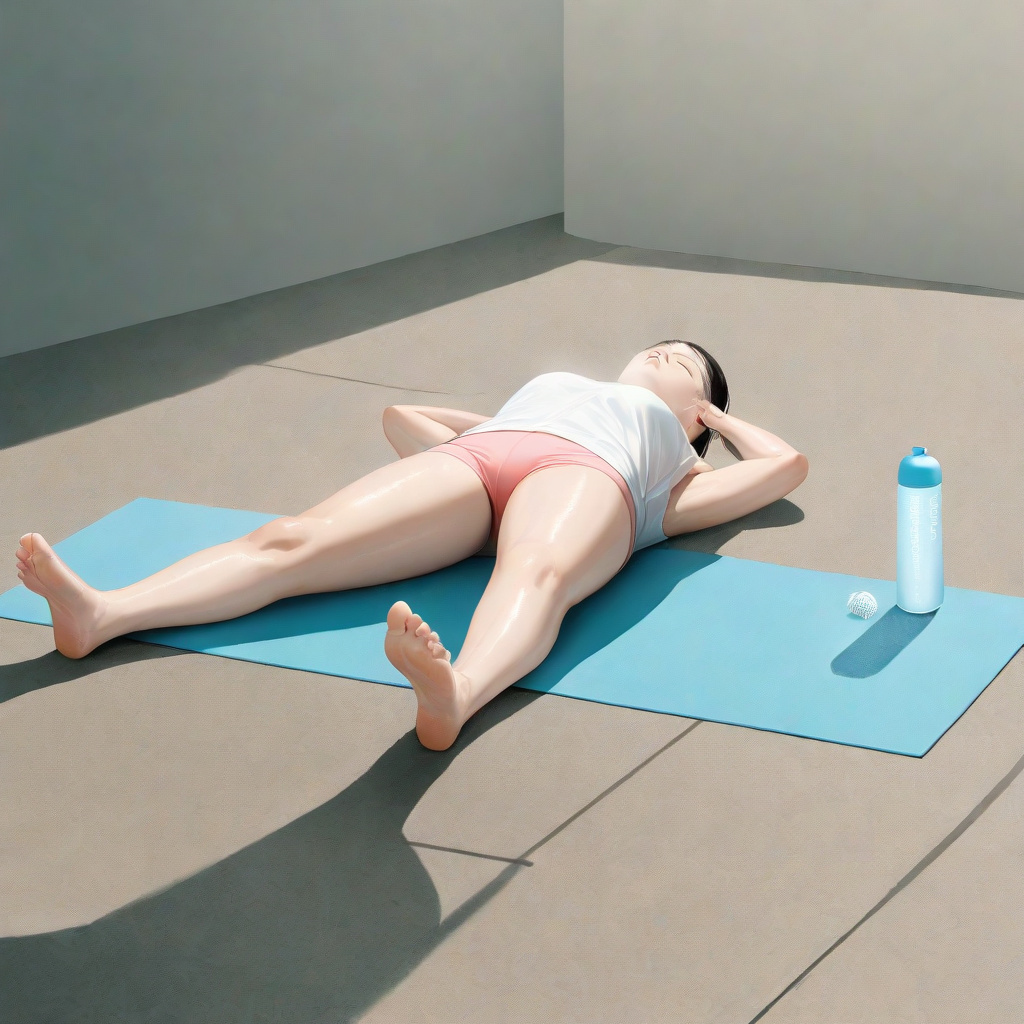
When you finish a high-intensity workout, the temptation to immediately collapse onto the couch or rush into a busy workday is strong. However, the period immediately following physical exertion is just as critical as the workout itself. A structured cool-down routine helps your body transition from a state of high stress back to a resting state, promoting recovery, reducing muscle soreness, and stabilizing your cardiovascular system.
The Physiological Importance of a Gradual Transition
During exercise, your heart rate increases, blood flow is redirected toward your working muscles, and your body temperature rises. If you stop abruptly, blood can pool in the extremities, potentially leading to dizziness or lightheadedness. A proper cool-down allows your heart rate and breathing to return to normal gradually. This process facilitates the removal of metabolic waste products, such as lactate, from your muscles, which may help mitigate the severity of Delayed Onset Muscle Soreness (DOMS). By systematically lowering your heart rate, you signal to your nervous system that the physical challenge has concluded, shifting your body from a sympathetic (fight-or-flight) state to a parasympathetic (rest-and-digest) state.
Phase One: Active Recovery to Lower Heart Rate
The first few minutes of your cool-down should focus on low-intensity movement that mimics your workout but at a significantly reduced pace. If you have been running, transition to a light jog and then a brisk walk. If you have been cycling, drop the resistance and pedal at a leisurely cadence. The goal here is not to challenge your cardiovascular system, but to keep your blood circulating effectively while allowing your heart rate to decline steadily. Aim for three to five minutes of this active recovery before moving into static stretching or mobility work.
Targeting Major Muscle Groups with Dynamic Stretches
Once your heart rate has normalized, you can begin incorporating movements that address the specific muscles used during your session. Focus on the large muscle groups: the quadriceps, hamstrings, calves, glutes, and back. Dynamic stretching—which involves controlled movement through a full range of motion—is excellent for maintaining flexibility without over-extending cold muscles. For example, leg swings or gentle torso twists can help loosen tightness before you commit to deeper, static holds. This phase serves as a bridge, ensuring your muscles remain pliable as they begin the repair process.
The Role of Static Stretching in Long-Term Flexibility
Static stretching is the practice of holding a position for 30 to 60 seconds to lengthen the muscle fibers. This is best performed when your muscles are warm and pliable at the end of a session. Focus on areas that tend to tighten during exercise, such as the hip flexors for runners or the chest and shoulders for weightlifters. When performing these stretches, move into the position until you feel a mild tension, not pain. Breathe deeply into the stretch; this helps relax the nervous system and allows the muscle to release tension more effectively. Consistent static stretching over time improves overall range of motion and helps correct muscle imbalances developed through repetitive movement patterns.
Utilizing Foam Rolling for Myofascial Release
Self-myofascial release, commonly known as foam rolling, is a powerful tool for post-workout recovery. Using a foam roller or a massage ball helps to smooth out “knots” or trigger points in the fascia, the connective tissue that surrounds your muscles. Focus on the IT bands, calves, and upper back, moving slowly over tender areas. Do not roll directly over joints or bones. By applying gentle, sustained pressure, you can improve blood flow to the fascia and alleviate localized muscle tension. Integrating five to ten minutes of foam rolling into your cool-down can make a significant difference in how your body feels the following day.
Breathing Techniques to Calm the Nervous System
Your cool-down is an ideal time to practice mindfulness and deep breathing. Box breathing—inhaling for four seconds, holding for four, exhaling for four, and holding for four—is a highly effective way to down-regulate your nervous system. By focusing on your breath, you quiet the mental chatter associated with the intensity of your workout. This practice not only aids in physical recovery but also serves as a mental reset, helping you transition back into your daily responsibilities with a sense of clarity and calm. Pairing deep, diaphragmatic breathing with your static stretches can amplify the relaxation response.
Hydration and Nutritional Support During Recovery
Recovery does not end when you stop moving; it continues with how you nourish your body. During your cool-down, begin rehydrating with water or an electrolyte-rich beverage to replace fluids lost through sweat. Once your heart rate has fully stabilized, aim to consume a balanced snack or meal containing both protein and carbohydrates within the first hour post-workout. Protein provides the amino acids necessary for muscle repair, while carbohydrates replenish the glycogen stores depleted during exercise. Taking these steps while your body is still in a receptive state can significantly accelerate your recovery timeline and prepare you for your next training session.
Creating a Routine That Fits Your Lifestyle
The best cool-down routine is one you actually perform. You do not need an hour of stretching to reap the benefits; even 10 to 15 minutes of intentional movement can be transformative. Customize your routine based on the intensity of your workout and the time you have available. If you are short on time, prioritize the active recovery phase and one or two key stretches for the muscles you used most heavily. By building this habit, you treat your body with the care it deserves, reducing the risk of injury and ensuring that your fitness journey remains sustainable and enjoyable over the long term.
Optimizing Mobility Through Proprioceptive Neuromuscular Facilitation (PNF)
For individuals looking to accelerate flexibility gains beyond standard static holds, Proprioceptive Neuromuscular Facilitation (PNF) offers a sophisticated alternative. PNF involves a “contract-relax” cycle where you move a limb into a stretch, isometrically contract the target muscle against resistance for five to ten seconds, and then relax into a deeper stretch. This technique leverages the Golgi tendon organ reflex, which temporarily inhibits muscle spindles to allow for a greater range of motion. Use this cautiously; it is best performed with a partner or using a strap, and only after your muscles are thoroughly warm. Because PNF places higher demand on the neuromuscular system, limit this to two or three major muscle groups per session to avoid over-fatiguing the local tissue.
The Impact of Temperature Regulation and Passive Recovery
While cooling down often implies moving, the environmental context of your recovery is equally impactful. If you train in a cold environment, your body may lose heat too rapidly, leading to muscle stiffness and shivering, which counteracts the relaxation goals of your cool-down. Conversely, in hot conditions, your core temperature remains elevated long after the workout, potentially contributing to cardiovascular strain. In cooler settings, consider donning a light layer immediately after your active recovery phase to maintain muscle warmth during your static stretches. If you are training in extreme heat, prioritize finding a shaded, ventilated space and focus extra attention on cooling your head and neck with a damp towel, as this helps lower your perceived exertion and assists the parasympathetic nervous system in recalibrating more efficiently.
Addressing Joint Capsule and Connective Tissue Health
Many athletes focus exclusively on muscle lengthening, yet ignoring the joint capsule can lead to persistent “stiffness” that stretching alone cannot resolve. Joint mobilization exercises—such as gentle, rhythmic rotations of the ankles, wrists, and shoulders—help circulate synovial fluid, which acts as the lubricant for your joints. By performing slow, circular motions through the full anatomical range, you nourish the cartilage and ensure that the connective tissues surrounding the joints remain supple. This is particularly vital for joints that experience high impact, like the knees and ankles. Think of this as “oiling the gears” after a heavy load, preventing the adhesions that often form in the joint space when tissues are left to cool in a shortened, contracted state.
The Role of Circadian Rhythms in Post-Workout Cool-Downs
The effectiveness of your cool-down is tethered to your circadian rhythm. A cool-down performed at 6:00 AM requires a different focus than one performed at 9:00 PM. Morning cool-downs should emphasize wakefulness and circulation, ensuring you are fully alert before jumping into a desk job. In contrast, evening cool-downs are a strategic opportunity to combat the cortisol spikes associated with late-day training. If you exercise in the evening, your cool-down should prioritize heavy parasympathetic activation—longer breathing cycles and floor-based stretches that allow your heart rate to drop significantly below your resting daytime average. This helps prevent the “tired but wired” phenomenon, facilitating deeper sleep, which is the ultimate recovery tool for muscle protein synthesis.
Managing Asymmetrical Recovery for Compensatory Patterns
Every individual possesses inherent asymmetries—one leg may be stronger, or one shoulder more mobile. A generic cool-down often fails to address these discrepancies, allowing imbalances to grow over time. Use your cool-down to perform a “body scan” for these discrepancies. If you notice your right hamstring feels significantly tighter than your left, allocate extra time to the restricted side. You might perform an additional set of stretches or extra foam rolling on the tighter limb. This intentional approach to unilateral work prevents the “compensation trap,” where your stronger side overworks to cover for the weaker side, eventually leading to overuse injuries. By balancing your recovery, you ensure that your structural integrity remains intact regardless of your training volume.
Integrating Isometric Holds for Tendon Resilience
While static stretching lengthens muscle fibers, isometric holds—where you hold a position under tension without movement—strengthen the musculotendinous junction. After your dynamic movements, incorporating light isometric holds, such as a wall sit or a gentle calf raise hold, can improve tendon stiffness and resilience. This is not about building muscle mass, but about preparing your tendons to handle the load of your next training session. By placing a low-level, controlled load on the tendons while they are warm, you encourage collagen synthesis and improve the structural integrity of these connective tissues. Keep the intensity low; these should feel like a mild engagement rather than a taxing effort, serving as a “bridge” that stabilizes the body before you transition to total stillness.
Targeting the Peripheral Nervous System Through Nerve Flossing
While muscle-focused stretches address the contractile tissues, nerve gliding—or “nerve flossing”—targets the neural pathways that can become restricted during intense training. Nerves do not stretch like muscles; instead, they slide through their sheaths. If you experience numbness, tingling, or radiating tension after a heavy lifting session, it may indicate neural tension rather than muscular tightness. Simple movements, such as extending your arm out to the side while tilting your head away, can help mobilize the median nerve. These movements should be rhythmic and gentle, never held for long durations. By integrating nerve glides into your post-workout routine, you ensure that the communication lines between your brain and your extremities remain clear, reducing the risk of neural entrapment and improving overall mobility.
The Psychology of Post-Workout Sensory Deprivation
The modern training environment is often saturated with sensory input: loud music, flashing gym lights, and the constant hum of equipment. A neglected aspect of the cool-down is the intentional reduction of sensory input to facilitate a deeper recovery state. After your physical movement is complete, consider spending three to five minutes in a quiet, dimly lit space. Closing your eyes and focusing on internal sensations rather than external stimuli helps transition your brain away from the “performance mindset” required for training. This period of sensory withdrawal acts as a psychological buffer, preventing the post-workout ‘crash’ and allowing you to re-enter your daily life with a regulated emotional baseline. By treating your cool-down as a meditative practice, you elevate the session from a mere physical necessity to a vital mental health ritual.
Managing Inflammatory Response with Strategic Compression
Beyond active movement, the use of compression garments during the cool-down phase can assist in the management of post-exercise inflammation. By applying graduated pressure to the limbs, you can support venous return and minimize the accumulation of interstitial fluid in the legs and arms. If you have just completed a high-impact session, such as plyometrics or long-distance running, pulling on a pair of compression sleeves or leggings immediately after your active recovery phase can help stabilize the musculature while the body initiates its inflammatory repair cycle. This is particularly beneficial for athletes who must travel immediately after training, as it mitigates the stiffness associated with prolonged sitting by encouraging sustained, albeit mild, circulation through the lower extremities.
The Importance of Spinal Decompression After Axial Loading
If your workout involved significant axial loading—such as squats, overhead presses, or deadlifts—your spine remains compressed even after the weights are racked. A comprehensive cool-down must address this vertical compression to restore space between the vertebrae. Simple decompression movements, such as a gentle “hang” from a pull-up bar or performing a “child’s pose” stretch, allow the intervertebral discs to rehydrate and the surrounding spinal musculature to release its protective guarding. This is not about aggressive stretching, but rather using gravity to create subtle traction. Spending two minutes in a hanging or kneeling position can significantly reduce the lower back discomfort that often sets in hours after a heavy lifting session, ensuring that your spinal health is prioritized alongside your muscular recovery.
Micro-Circulation and the Role of Contrast Temperature
For those with access to facilities, contrast therapy—alternating between heat and cold—can be a transformative addition to the cool-down protocol. After your active recovery, a brief session of contrast exposure can help flush metabolic waste products more efficiently than passive rest alone. The heat causes vasodilation, increasing blood flow to the skin and peripheral tissues, while the cold induces vasoconstriction, forcing blood back toward the core. This “pump” effect assists the lymphatic system in draining cellular debris from the muscle tissue. Start with a short warm shower followed by a cool rinse, gradually increasing the duration of the cold exposure over time. This process not only accelerates physical recovery but also serves as a potent shock to the system that can increase alertness and improve your psychological resilience to discomfort.
Tailoring Recovery for Connective Tissue Elasticity
Connective tissues, including tendons and ligaments, have a slower metabolic rate than muscle tissue, meaning they require a different approach during the cool-down. While muscles respond quickly to dynamic stretching, connective tissues benefit most from slow, controlled loading and sustained, low-intensity tension. When cooling down, incorporate movements that emphasize the end-range of motion with minimal force. For instance, instead of bouncing into a hamstring stretch, slowly sink into a deep lunge and hold the position while focusing on the sensation of the fascia lengthening. This “slow-stretch” methodology respects the viscoelastic nature of your tendons, allowing them to adapt to the length changes without the risk of micro-tears that can occur with high-velocity movements. Over weeks, this consistency builds a more resilient structural framework that can better withstand the forces of your next training block.
Frequently Asked Questions
Is it okay to skip the cool-down if I am in a hurry? While skipping a cool-down occasionally won’t ruin your progress, making it a habit can increase your risk of dizziness and muscle stiffness. If time is limited, try to perform at least three minutes of light walking and one full-body stretch to help your body safely return to its baseline.
Should I stretch before or after a workout? You should perform dynamic stretches before a workout to prepare your muscles for movement. Static stretching, where you hold positions for extended periods, is best reserved for the cool-down phase when your muscles are already warm and flexible.
How do I know if I am stretching too hard? You should feel a gentle tension or a “good stretch” sensation. If you feel sharp pain, numbness, or tingling, you have gone too far. Back off until the sensation is comfortable and sustainable, and remember that progress in flexibility happens gradually over weeks, not in a single session.
Can foam rolling replace static stretching? Foam rolling and static stretching serve different purposes. Foam rolling focuses on the fascia and trigger points, while static stretching focuses on lengthening the muscle fibers themselves. Using both techniques in your routine provides a comprehensive approach to recovery.
How long should I hold each stretch during my cool-down? For most people, holding a static stretch for 30 to 60 seconds is sufficient to encourage muscle relaxation and improve flexibility. Focus on deep, rhythmic breathing throughout the hold to help your muscles release tension.
Related posts:
 15-Minute No-Equipment HIIT
 Bliss Out: The Most Relaxing Post-Workout Recovery Techniques
 Perfect Your Glute Bridge
 Anabolic Stretching Claims to Build Muscle While You Stretch
 Understanding Gym Equipment
 Chrissy Teigen’s Honest Take on Stretch Marks Is Everything We Needed
 Essential Bedtime Stretches
 Essential Foam Roller Exercises