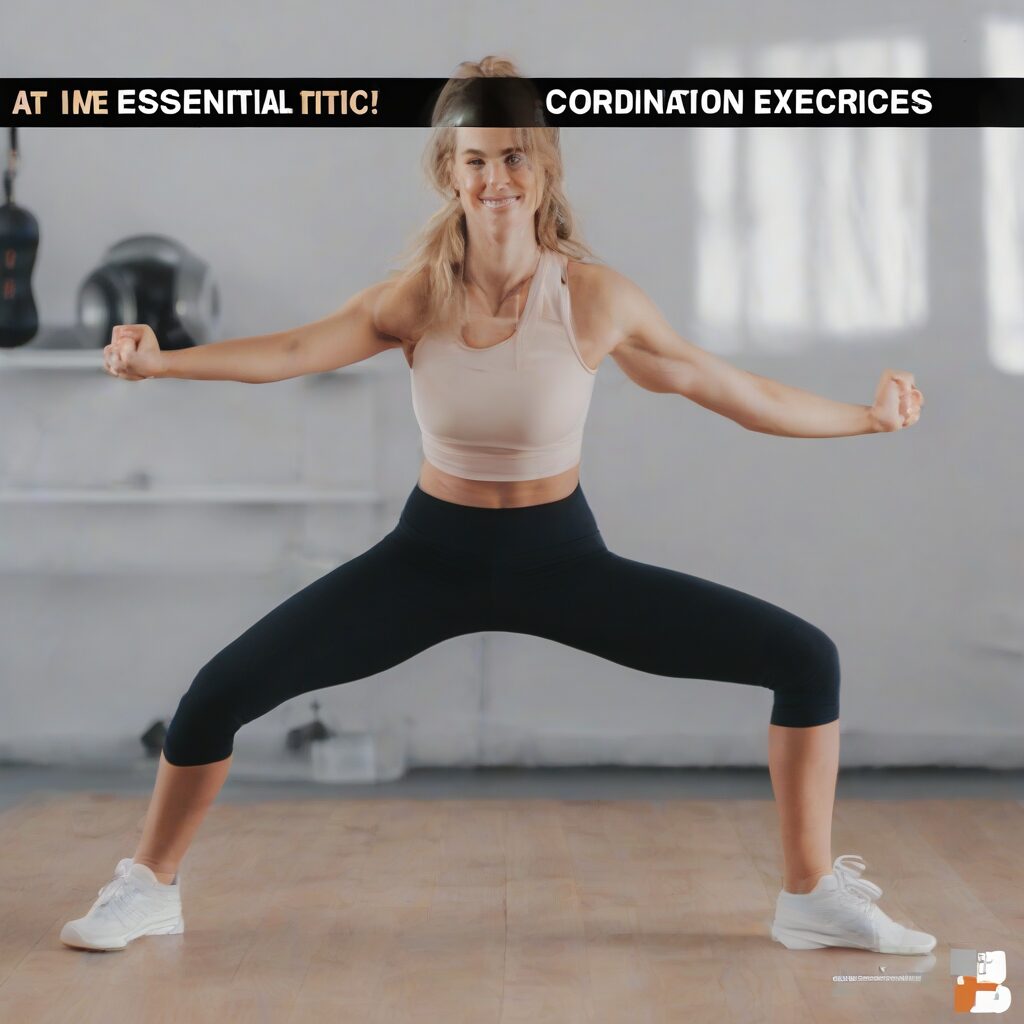
Imagine moving through your day with effortless grace, catching a dropped item without a second thought, or navigating a crowded space with ease. This isn’t just about being ‘athletic’; it’s about having excellent coordination – a fundamental aspect of human movement that often goes overlooked. Coordination is the beautiful symphony played by your brain and muscles, working together seamlessly to execute movements. It’s the ability to use different parts of your body smoothly and efficiently, whether you’re performing a complex athletic maneuver or simply stirring a pot while talking on the phone.
At its heart, coordination is about connection. It’s the intricate dance between your nervous system and your musculoskeletal system, allowing you to react, adapt, and move with purpose. Far from being an innate, unchangeable trait, coordination is a skill that can be developed and refined at any age. Embracing coordination exercises isn’t just about boosting your physical prowess; it’s about enhancing your quality of life, fostering a deeper connection with your body, and even sharpening your cognitive abilities. Let’s embark on a journey to unlock the power of essential coordination exercises, designed to uplift and empower you in every step you take.
The Profound Benefits of Nurturing Your Coordination
Investing time in coordination exercises yields a wealth of benefits that extend far beyond the gym. It’s a holistic approach to well-being, touching upon physical, mental, and emotional aspects of your life:
- Enhanced Daily Function: Simple tasks like walking on uneven surfaces, carrying groceries, or even getting dressed become smoother and safer. You’ll experience fewer stumbles and a greater sense of confidence in your everyday movements.
- Injury Prevention: A well-coordinated body is a resilient body. Improved coordination helps you react quickly to unexpected slips or trips, allowing your muscles to stabilize you before an injury occurs. It also reduces strain on joints by ensuring movements are performed efficiently.
- Improved Athletic Performance: For those who enjoy sports or active hobbies, better coordination translates directly to enhanced agility, balance, speed, and precision. Whether it’s hitting a tennis ball, dancing, or hiking, your performance will soar.
- Sharpened Cognitive Function: The brain plays a central role in coordination. Engaging in these exercises stimulates neural pathways, improving reaction time, spatial awareness, problem-solving, and even memory. It’s a fantastic brain workout!
- Boosted Confidence and Self-Efficacy: As you gain mastery over your body, a profound sense of accomplishment and self-assurance blossoms. This newfound confidence can ripple into other areas of your life, empowering you to try new things and embrace challenges.
- Grace and Fluidity: There’s a certain beauty in coordinated movement. It allows you to move with a natural flow, reducing stiffness and increasing overall comfort in your body.
Foundational Exercises: Building a Solid Base
Every magnificent structure begins with a strong foundation. These foundational coordination exercises are gentle yet incredibly effective, suitable for all levels:
- Single-Leg Balance: Stand tall, gently lift one foot a few inches off the ground. Hold for 10-30 seconds, focusing on a fixed point in front of you. Gradually increase the duration or try closing your eyes for an added challenge. Repeat on the other leg. This strengthens core stability and proprioception (your body’s sense of its position in space).
- Heel-to-Toe Walk (Tandem Walk): Walk in a straight line, placing the heel of your front foot directly in front of the toes of your back foot, as if walking on a tightrope. Keep your gaze forward. This is excellent for balance and spatial awareness.
- Ball Toss and Catch: Start with a soft, lightweight ball. Toss it up and catch it with both hands, then try one hand. Vary the height and speed. As you progress, try catching with alternating hands, or even bouncing it off a wall. This significantly improves hand-eye coordination and reaction time.
- Cross-Body March: Stand with feet hip-width apart. As you lift your right knee, bring your left elbow towards it, gently touching (or aiming to touch) them. Alternate sides, creating a rhythmic, marching motion. This promotes cross-lateral coordination, engaging both hemispheres of your brain.
- Figure-Eight Arm Circles: Stand comfortably. Extend one arm straight out and make large figure-eight patterns in the air, first clockwise, then counter-clockwise. Repeat with the other arm, and then try both arms simultaneously, moving in opposite directions. This enhances shoulder mobility and complex motor control.
Dynamic Drills: Moving with Agility and Precision
Once you’ve established a solid foundation, it’s time to introduce more dynamic movements that challenge your agility, speed, and quick decision-making:
- Agility Ladder Drills: If you have access to an agility ladder (or can draw one with chalk), practice various footwork patterns: two feet in each square, one foot in, one foot out, side shuffles, etc. These drills are phenomenal for quick feet, rhythm, and spatial awareness.
- Skipping and Hopping: Simple yet effective! Skip forwards, backwards, and sideways. Try hopping on one leg, then the other. Incorporate double unders with a jump rope if you have one. These movements build rhythmic coordination, power, and balance.
- Shadow Boxing/Dancing: Put on some music or imagine an opponent. Move freely, throwing punches, ducks, and weaves with fluidity. Or simply dance, allowing your body to respond to the rhythm. This promotes full-body coordination, spatial awareness, and creative movement.
- Cone Drills (or household items): Set up a few cones (or water bottles, shoes) in a zigzag pattern. Weave through them, changing direction quickly. Focus on maintaining balance and control while accelerating and decelerating.
Integrating Coordination into Your Daily Rhythm
You don’t need dedicated gym time to improve coordination. The beauty lies in weaving these practices into the fabric of your everyday life:
- Mindful Walking: Pay attention to each step, the sensation of your feet on the ground, and the swing of your arms. Try walking on different terrains – grass, sand, uneven paths – to challenge your balance.
- Play More: Engage in activities that are inherently coordination-based: throwing a frisbee, playing catch, dancing, cycling, or even juggling. Embrace the joy of movement!
- Kitchen Coordination: Try stirring with your non-dominant hand, or peeling vegetables while balancing on one foot (carefully!). Small, conscious changes can make a big difference.
- Desk Breaks: Stand up and do a few cross-body marches, arm circles, or single-leg balances during your work breaks.
The Mind-Body Connection: Cultivating Presence
Coordination isn’t just physical; it’s deeply intertwined with your mental state. Cultivating mindfulness and presence can significantly enhance your ability to move harmoniously:
- Focus and Concentration: When performing exercises, truly pay attention to your body’s movements. Where is your weight? Which muscles are engaging? This laser focus strengthens the neural pathways.
- Breathwork: Conscious breathing can calm your nervous system, allowing for smoother, more controlled movements. Exhale as you exert, inhale as you recover.
- Visualization: Before attempting a new or challenging movement, mentally rehearse it. See yourself executing it perfectly. This primes your brain and builds confidence.
- Patience and Compassion: Understand that progress takes time. Some days will feel easier than others. Approach your practice with kindness and celebrate every small improvement. There’s no room for judgment here, only growth.
Embrace the Journey to Harmonious Movement
Embarking on the journey to improve your coordination is a profound act of self-care and empowerment. It’s about reconnecting with your body, trusting its innate wisdom, and unlocking a greater sense of freedom and capability in your movements. Whether you’re aiming to prevent falls, excel in a sport, or simply move through life with more grace and confidence, these essential coordination exercises offer a pathway to a more harmonious and vibrant you. Start small, be consistent, and celebrate every step of your progress. Your body and mind will thank you for it!
Frequently Asked Questions About Coordination Exercises
Q1: How often should I do coordination exercises to see results?
A1: Consistency is key! Aim for 10-15 minutes, 3-5 times a week. Even short, regular sessions are more effective than infrequent long ones. Listen to your body and gradually increase duration or intensity.
Q2: Are coordination exercises only for athletes or young people?
A2: Absolutely not! Coordination exercises are beneficial for everyone, regardless of age or athletic background. They are particularly vital for older adults to maintain balance and prevent falls, and for children to develop fundamental motor skills.
Q3: Can improving coordination also help with cognitive function?
A3: Yes, definitely! Coordination exercises engage multiple areas of the brain, including those responsible for planning, problem-solving, memory, and attention. This ‘brain-body’ workout can enhance cognitive flexibility and overall brain health.
Q4: What if I feel clumsy or uncoordinated? Is it too late for me to improve?
A4: It’s never too late! Many people feel uncoordinated initially. Start with simple, foundational exercises and focus on slow, controlled movements. With patience and consistent practice, your body’s ability to coordinate will significantly improve. Celebrate small victories!
Q5: Are there any specific coordination exercises recommended for seniors?
A5: For seniors, exercises that focus on balance, gait stability, and gentle multi-limb movements are crucial. Examples include single-leg stands (holding onto support if needed), heel-to-toe walking, Tai Chi, seated marching, and gentle ball tosses. Always consult with a healthcare professional before starting any new exercise program, especially if you have underlying health conditions.
Related posts:
 Walking Daily Boosts Brain Health
 Improve Your Coordination With This Challenging Lower Body Workout
 The Ultimate Guide to Lunge Variations That Actually Work
 Single-Leg Glute Bridge: Targeting the Booty
 Walking Speed Linked to Dementia Risk
 5 Balance Exercises to Improve Stability and Coordination
 Foot Stretches for Pain Relief
 Foot Facial Experience