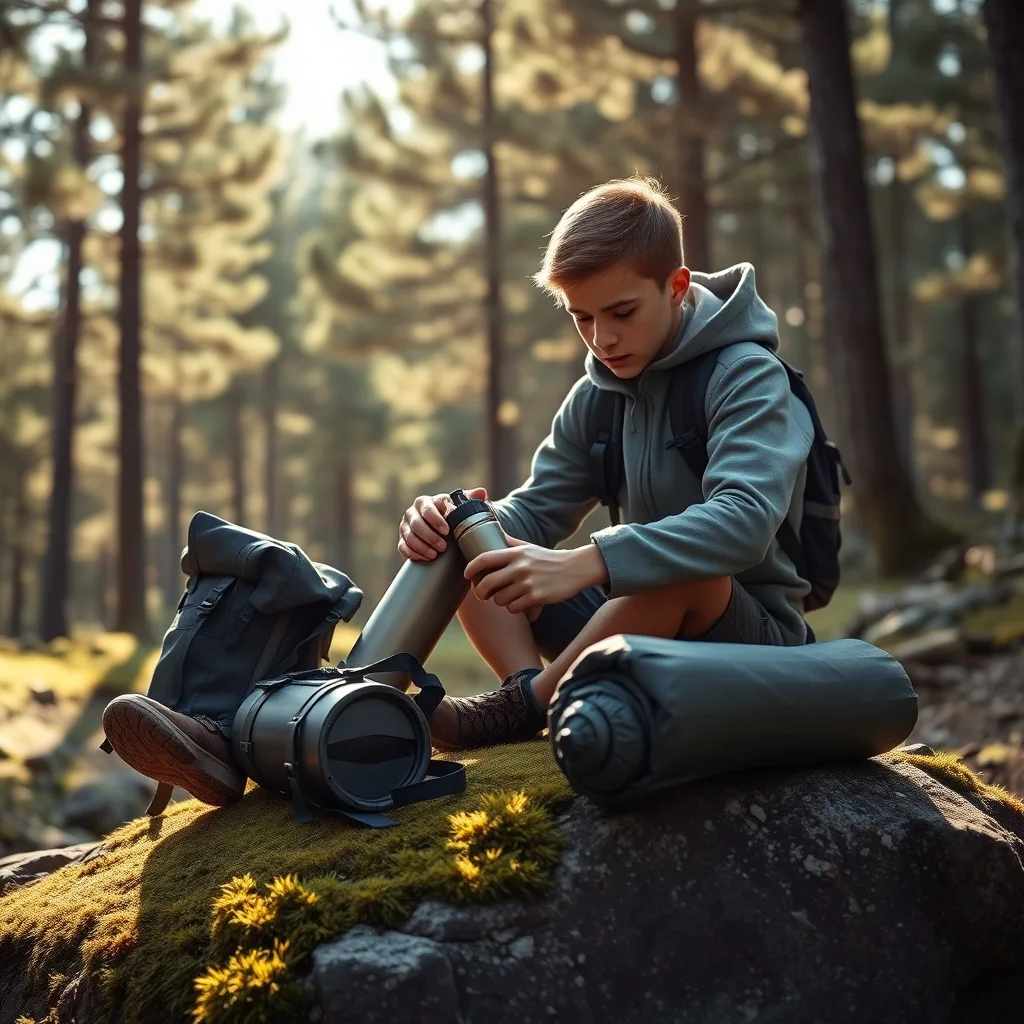
Stepping onto a hiking trail for the first time is an exhilarating experience that offers a unique blend of physical challenge and mental rejuvenation. However, the difference between an enjoyable day in nature and a stressful ordeal often comes down to preparation and the gear you carry. For beginners, the sheer volume of equipment available can be overwhelming, leading to either over-packing heavy, unnecessary items or, more dangerously, under-packing essentials. This guide outlines the fundamental gear you need to start your hiking journey with confidence, comfort, and safety.
Key takeaways
- Pack the Ten Essentials to ensure safety, including navigation tools, extra layers, first aid, and sufficient food and water.
- Choose moisture-wicking synthetic or merino wool clothing instead of cotton to regulate body temperature and prevent chafing.
- Distribute pack weight by keeping heavy items centered near your spine to maintain balance and reduce physical strain.
- Use trekking poles to improve stability on uneven terrain and reduce the impact on your knees during descents.
- Always inform a trusted person of your hiking itinerary and practice Leave No Trace principles to protect the environment.
Understanding the Ten Essentials System
The concept of the “Ten Essentials” was developed by The Mountaineers in the 1930s to help hikers prepare for emergency situations. While you may not need a full survival kit for a two-mile stroll in a local park, understanding these categories is the foundation of responsible hiking. The list includes navigation, headlamp, sun protection, first aid, knife, fire, shelter, extra food, extra water, and extra clothes. Think of these not as a burden, but as your safety net. By carrying these items, you shift from being a casual walker to a prepared hiker, ensuring that if the weather turns or you lose your way, you have the resources to handle the situation calmly.
Choosing the Right Footwear
Your feet are your most important tools on the trail. While athletic sneakers might suffice for flat, well-maintained paths, they lack the traction and ankle support required for uneven terrain. When selecting hiking footwear, consider the type of trails you plan to frequent. Hiking shoes are lightweight and flexible, similar to sneakers but with grippy outsoles, perfect for day hikes. Hiking boots offer more ankle support, which is beneficial if you are carrying a heavy pack or trekking on rocky paths. The most critical factor is fit; always try on boots with the socks you intend to wear, and ensure there is enough room in the toe box to prevent bruising on descents. Break them in with shorter walks before attempting a long-distance trek to avoid painful blisters.
The Importance of Proper Clothing Layers
The secret to staying comfortable outdoors is the layering system. Cotton is the enemy of the hiker; it absorbs moisture and stays wet, which can lead to rapid heat loss and chafing. Instead, prioritize moisture-wicking synthetic fabrics or merino wool. The system consists of three parts: a base layer to move sweat away from your skin, an insulating mid-layer (like a fleece or down jacket) to trap body heat, and a waterproof, breathable shell to protect you from wind and rain. By layering, you can easily add or remove clothing as your exertion levels change or as the mountain weather shifts, keeping your body temperature regulated throughout the day.
Selecting a Functional Daypack
A dedicated hiking daypack is designed to distribute weight across your hips rather than just your shoulders, which is essential for comfort over several miles. For most beginner hikes, a pack with a capacity of 15 to 25 liters is sufficient. Look for features such as a ventilated back panel to reduce sweat buildup, adjustable chest and waist straps for stability, and external pockets for easy access to water bottles or snacks. If you plan on hiking in warmer climates, ensure your pack is compatible with a hydration reservoir, which allows you to drink water through a tube without stopping, keeping you consistently hydrated throughout the day.
Navigation Tools for the Modern Hiker
Even if you are hiking a popular, well-marked trail, you should never rely solely on your smartphone for navigation. Batteries die, and GPS signals can be unreliable in deep canyons or dense forests. A physical map of the area and a reliable compass are the gold standards of navigation. If you are new to using a compass, take a short online course or watch tutorials on how to read topographical maps. These tools provide a backup that works without electricity. Additionally, consider downloading offline maps on your phone as a secondary resource, but always ensure your device is fully charged and stored in a waterproof bag.
Hydration and Nutrition Strategies
Physical exertion on the trail increases your caloric and fluid requirements significantly. As a general rule, carry at least half a liter of water for every hour of moderate hiking, though you should adjust this based on the temperature and your personal needs. For nutrition, focus on calorie-dense, portable snacks that provide a mix of carbohydrates, protein, and healthy fats. Trail mix, energy bars, beef jerky, dried fruit, and nut butters are excellent choices. Avoid heavy, perishable foods that require complex preparation. Eating small amounts frequently throughout your hike will keep your energy levels stable and prevent the dreaded mid-hike “bonk” where your glycogen stores are depleted.
Emergency First Aid and Personal Safety
A basic first aid kit is non-negotiable, even for short trips. Your kit should be compact and contain items to handle minor injuries common on the trail: adhesive bandages in various sizes, antiseptic wipes, blister treatment (like moleskin), pain relievers, and gauze pads. Beyond physical first aid, consider your personal safety. Carry a whistle to signal for help, a multi-tool for gear repairs, and a small headlamp with extra batteries, even if you plan to be back before dark. If you are hiking alone, always leave your itinerary with a trusted friend or family member, including your planned route and your expected return time.
Sun Protection and Environmental Awareness
Many beginners underestimate the intensity of the sun when hiking, especially at higher altitudes where the atmosphere is thinner. Sun protection goes beyond sunscreen; wear a wide-brimmed hat, polarized sunglasses, and long-sleeved, lightweight clothing to provide a physical barrier against UV rays. Remember that snow and water reflect sunlight, increasing your exposure. Finally, always practice Leave No Trace principles. This means packing out all your trash, staying on marked trails to protect native vegetation, and respecting wildlife by keeping a safe distance. Being a responsible hiker ensures that these beautiful spaces remain pristine for generations to come.
Mastering the Art of Pack Weight Distribution
While selecting a daypack is the first step, how you load it dictates your comfort throughout the day. A common beginner mistake is placing heavy items at the very top or far away from the body, which pulls your center of gravity backward and forces you to hunch over to compensate. Aim to place the heaviest items—such as your water reservoir or extra heavy layers—centered in the main compartment, close to your spine. This keeps the load stable and aligned with your body’s natural center of gravity. Lighter, bulkier items like a rain shell or extra socks can fill the bottom and corners. Use the compression straps on the outside of your pack to tighten the load, preventing the gear from shifting around as you navigate uneven terrain, which can otherwise cause you to lose balance on narrow trails.
The Critical Role of Trekking Pole Technique
Trekking poles are frequently dismissed as “expert gear” by beginners, but they are actually most valuable for those still developing their trail stability and leg strength. When using poles, the goal is to engage your core and upper body to share the load. Adjust the pole length so that when your arm is at your side and the tip is on the ground, your elbow forms a 90-degree angle. On uphill climbs, shorten the poles slightly to provide more leverage; on descents, lengthen them to allow you to plant the pole further in front of you, reducing the shock on your knees and quadriceps. Using poles also creates a “tripod” effect, providing two extra points of contact with the ground, which is a game-changer when crossing shallow streams, navigating mud, or stepping over slick rock faces.
Optimizing Foot Care and Sock Selection
Buying high-quality boots is only half the battle; your choice of socks is equally vital to preventing trail-ending foot issues. Avoid thick, heavy socks that bunch up or thin athletic socks that offer no cushion. Instead, look for dedicated hiking socks made of merino wool or high-quality synthetic blends, which offer targeted cushioning in the heel and ball of the foot and “venting zones” to allow moisture to escape. Many experienced hikers also swear by the “liner sock” method: wearing a very thin, synthetic inner sock beneath a thicker wool sock. This creates a friction barrier, as the two layers of fabric slide against each other rather than the fabric sliding against your skin, effectively eliminating the friction that causes blisters before they even begin to form.
Dealing with Rapid Weather Shifts
Mountain weather is notoriously fickle, and a sunny morning can turn into a cold, wet afternoon in a matter of minutes. Beyond your standard shell jacket, consider packing a lightweight, packable windbreaker or a “puffy” synthetic insulation layer, even in the summer. A common mistake is waiting until you are shivering to put on an extra layer. Monitor your body closely; if you stop for a snack or enter a shaded, windy area, put on your insulating layer *before* you start to feel cold. Similarly, if you feel yourself beginning to sweat excessively, shed a layer before you become damp. Managing your temperature through pro-active layering—rather than reactive changes—is the secret to maintaining high energy levels and avoiding the fatigue that comes from your body working too hard to regulate temperature.
Advanced Navigation: Reading the Landscape
While maps and compasses are essential, developing your “trail sense” is a skill that grows with every mile. Practice reading the landscape by identifying natural landmarks: look for prominent peaks, distinct rock formations, or the orientation of the sun to keep track of your progress. If you are hiking in a canyon or a deep valley, the sun may disappear behind a ridge earlier than expected, shortening your “daylight budget.” Beginners should also learn to read topographical maps beyond just following a line; look at the contour lines to anticipate steep climbs or descents. If the lines are packed tightly together, expect a strenuous climb. Understanding this beforehand allows you to pace yourself, ensuring you don’t burn through your energy reserves at the start of a hike only to find a grueling incline waiting for you at the end.
Wildlife Etiquette and Trail Safety
Encounters with wildlife are one of the most rewarding parts of hiking, but they require a respectful distance. As a rule of thumb, if an animal changes its behavior because you are there, you are too close. Never feed wildlife, as this disrupts their natural foraging habits and can lead to dangerous habituation. If you are hiking in areas known for larger animals like bears or mountain lions, familiarize yourself with specific safety protocols, such as making noise while hiking to avoid startling an animal, and learning how to store your food in scent-proof bags. Additionally, always yield to uphill hikers; they are working harder than you and have the right of way. Stepping aside to let them pass is not just polite, it is an unspoken rule of trail etiquette that helps maintain a positive community atmosphere.
Frequently Asked Questions
Q: How do I know if a trail is appropriate for my fitness level?
A: Look for trail guides online that list distance and total elevation gain. As a beginner, aim for trails under five miles with moderate elevation changes. Apps like AllTrails allow you to filter by difficulty and read recent reviews from other hikers to gauge current trail conditions.
Q: Can I hike in cotton clothing if the weather is nice?
A: It is generally discouraged. Even on a warm day, if you sweat, cotton will stay wet against your skin, which can cause chafing and make you feel cold if a breeze kicks up or you stop to rest. Synthetic or wool fabrics are significantly more comfortable and safer.
Q: What should I do if I get lost on the trail?
A: Stop moving immediately. Use the S.T.O.P. rule: Sit down, Think about your last known location, Observe your surroundings for landmarks, and Plan your next move. Do not wander aimlessly. Use your map and compass to try to relocate the trail, and if you are truly lost, stay put and make yourself visible to rescuers.
Q: Do I really need trekking poles as a beginner?
A: They aren’t strictly necessary, but they are highly recommended. Trekking poles reduce the impact on your knees, especially during descents, and provide extra stability on uneven or slippery terrain. Many beginners find that they can hike longer and with less fatigue when using them.
Q: How can I effectively break in new hiking boots?
A: Start by wearing them around your house for a few hours, then progress to short walks in your neighborhood. Gradually increase the distance and the terrain complexity over a few weeks. If you feel a hot spot developing, stop immediately and apply a blister bandage to prevent a full blister from forming.
Related posts:
 Old Navy’s Hygge Sock Sale Is the Black Friday Deal Your Feet Need
 Guide to Choosing the Best Running Socks
 PHA Bodyweight Workout: Efficient Fitness Anywhere, Anytime
 The Complete Hiking Packing List You’ll Actually Want to Use
 Should You Wear Socks to Bed? We Asked Sleep Experts
 REI’s Biggest Labor Day Deals
 Essential Tips for Hiking with Toddlers
 Outdoor Voices: Essential Gear for Your Next Hiking Adventure