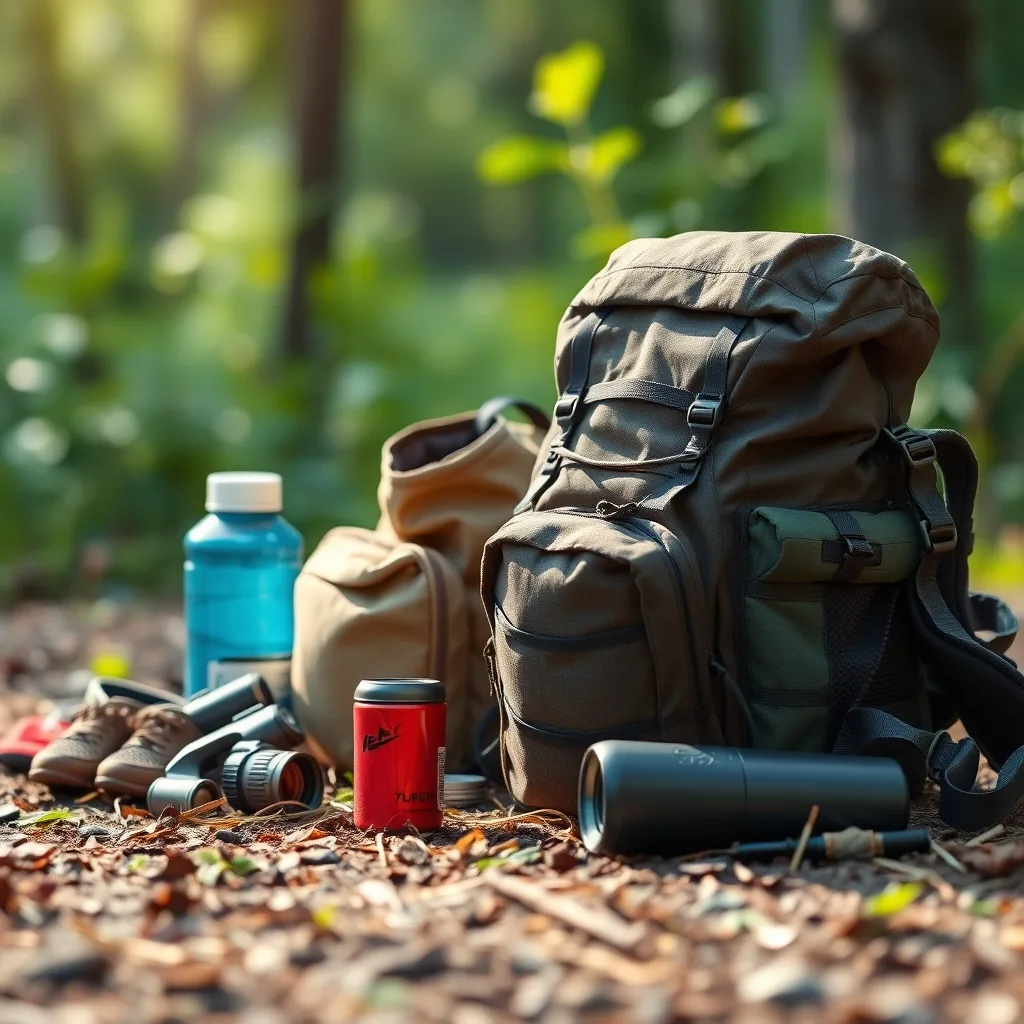
There is a profound sense of liberation that comes with leaving the city lights behind and stepping into the quiet rhythm of the wilderness. A weekend camping trip is more than just a change of scenery; it is a deliberate act of disconnecting from the digital noise to reconnect with the natural world and the people we love. However, the transition from a climate-controlled home to the unpredictable elements of the outdoors can be jarring if you are under-prepared. The difference between a restorative retreat and a stressful ordeal often comes down to the gear you pack.
p>
For many, the prospect of choosing the right equipment can feel overwhelming. With an endless array of high-tech fabrics, lightweight alloys, and specialized gadgets, it is easy to overspend on gear you don’t need or overlook a critical item that ensures your safety. The key to a successful weekend excursion is balance: bringing enough to ensure comfort and safety without overloading your vehicle or sacrificing the simplicity of the experience. This guide provides a comprehensive, compassionate look at the essential gear required for a weekend camping trip, focusing on functionality, sustainability, and the practical realities of outdoor living.
The Sleep System: Ensuring Restorative Rest
Sleep is the foundation of a successful trip. When you are exhausted, your mood dips, your decision-making suffers, and the beauty of the surroundings becomes secondary to your desire for a mattress. A complete sleep system consists of three primary components: the shelter, the insulation, and the cushioning.
The Tent: For a weekend trip, a three-season tent is typically the gold standard. Ensure your tent has a rainfly that extends fully to the ground to protect against unexpected downpours and wind. A common mistake is bringing a tent rated for exactly the number of people in your group; for example, two adults in a two-person tent often feel cramped once gear is inside. Opting for a three-person tent for two people provides essential “elbow room” and space to keep your bags dry.
The Sleeping Bag: Temperature ratings can be deceptive. A bag rated for 30°F doesn’t necessarily keep you warm at 30°F; it often means that is the temperature at which you will stop shivering. Choose a bag rated about 10-15 degrees lower than the lowest expected nighttime temperature. Synthetic fills are more affordable and retain warmth when damp, while down fills are more compressible and offer a superior warmth-to-weight ratio.
The Sleeping Pad: Many beginners overlook the pad, thinking the sleeping bag is enough. However, the ground acts as a heat sink, drawing warmth away from your body through conduction. A sleeping pad provides a critical thermal barrier. Look for the “R-value” (thermal resistance); a value of 2-3 is sufficient for summer, while 4 or higher is necessary for cooler shoulder seasons. Self-inflating pads offer a balance of comfort and ease, while closed-cell foam pads are indestructible and double as a sitting mat during the day.
Clothing Layers for Variable Weather
The golden rule of outdoor clothing is to avoid cotton at all costs. Cotton absorbs moisture and loses its insulating properties when wet, which can lead to chills or, in extreme cases, hypothermia. Instead, embrace the three-layer system designed to regulate body temperature and manage moisture.
The Base Layer (Wicking): This layer sits directly against your skin. Use synthetic polyester or merino wool. These materials wick sweat away from the body, keeping you dry. Merino wool is particularly prized for its natural odor resistance, making it ideal for multi-day trips where laundry isn’t an option.
The Mid Layer (Insulating): The goal here is to trap heat. A fleece jacket or a lightweight “puffy” (down or synthetic insulated jacket) is essential. Even in the height of summer, temperatures can drop significantly in the mountains or near water after sunset. A mid-layer allows you to adjust your temperature by adding or removing a garment as the day progresses.
The Outer Layer (Weather Protection): This is your shield against wind and rain. A breathable, waterproof shell (such as Gore-Tex or similar membranes) is vital. Ensure your jacket has a hood and adjustable cuffs to seal out the elements. For the lower body, a pair of quick-dry hiking pants is far superior to jeans, which become heavy and cold when wet.
Footwear and Socks: Your feet are your primary mode of transport. Sturdy, broken-in hiking boots or trail runners with good traction are non-negotiable. Pair them with wool-blend socks to prevent blisters and keep toes warm. Always pack one extra pair of thick socks dedicated solely to sleeping; putting on fresh, dry socks at night is one of the simplest luxuries of camping.
The Camp Kitchen and Nutrition
Proper nutrition fuels your activities and keeps morale high. A weekend trip requires a kitchen setup that is efficient and easy to clean, as water and time are often limited.
Cooking Hardware: For most weekenders, a portable butane or propane stove is the most reliable choice. Single-burner canister stoves are compact and boil water quickly for coffee or dehydrated meals. If you are cooking for a family, a two-burner propane stove provides more versatility. Don’t forget a sturdy pot, a frying pan, and a heat-resistant spatula or spoon.
Water Management: Hydration is critical. Bring more water than you think you need, or bring a reliable filtration system. A portable water filter or purification tablets allow you to safely utilize streams or lakes. For storage, durable BPA-free water bottles or a hydration bladder for hiking are essential. A large 5-gallon collapsible water jug is helpful for maintaining a “base camp” supply for cooking and cleaning.
Food Storage and Prep: A high-quality cooler is essential for perishables. To keep ice longer, pre-chill the cooler and freeze water bottles to use as ice packs—you can drink the water as they melt. Use airtight plastic or silicone containers to prevent leaks and keep food fresh. When planning meals, prioritize high-energy foods like nuts, dried fruits, and complex carbohydrates. Pre-prepping ingredients at home (chopping vegetables, marinating meats) reduces waste and cleanup time at the campsite.
Lighting and Power Solutions
Once the sun sets, the wilderness becomes truly dark. Having a variety of light sources ensures you can navigate your campsite safely and perform tasks without frustration.
Hands-Free Lighting: A headlamp is the most valuable lighting tool. Whether you are pitching a tent in the dusk, cooking dinner, or walking to the restroom, having your hands free is a significant safety and convenience advantage. Choose a model with multiple brightness settings and a red-light mode, which helps preserve your night vision and is less disruptive to other campers.
Ambient Lighting: While a headlamp is for tasks, a LED lantern is for atmosphere and general area lighting. Hanging a lantern from the top of the tent or placing it on the picnic table creates a welcoming hub for the group. Modern rechargeable lanterns are energy-efficient and often double as power banks.
Managing Power: While the goal of camping is to disconnect, safety often requires a phone. A high-capacity portable power bank (10,000 to 20,000 mAh) can keep your devices charged for a weekend. To conserve battery, put your phone in airplane mode and use a dedicated offline map application. If you are heading into a remote area with no signal, consider a satellite messenger for emergency communication.
Health, Hygiene, and First Aid
In the outdoors, small injuries can become major inconveniences. A well-stocked first aid kit and a commitment to hygiene keep your trip on track.
The First Aid Kit: Your kit should be tailored to your activities. Essential items include various sizes of adhesive bandages, sterile gauze, medical tape, antiseptic wipes, and antibiotic ointment. Include a blister kit (moleskin or hydrocolloid bandages), as foot friction is the most common camping ailment. Additionally, pack a small supply of over-the-counter pain relievers, antihistamines for allergic reactions, and any personal prescription medications.
Sun and Bug Protection: UV rays are stronger at higher altitudes, and insects can quickly ruin a peaceful evening. Pack a broad-spectrum sunscreen, lip balm with SPF, and an insect repellent containing DEET or Picaridin. A lightweight, breathable bug net or a wide-brimmed hat can provide a physical barrier that reduces the need for chemical sprays.
Personal Hygiene: To maintain cleanliness without harming the environment, use biodegradable soap and toothpaste. A quick-dry microfiber towel is far more efficient than a cotton one. For waste management, bring a small trowel and biodegradable toilet paper if your campsite lacks facilities, following the “cat hole” method (digging 6-8 inches deep and burying waste at least 200 feet from water sources).
Navigation and Safety Tools
Even on well-marked trails, it is possible to lose your way. Relying solely on a smartphone is a risk, as batteries die and GPS signals can fail under heavy canopy.
Analog Backups: A physical topographic map of the area and a basic compass are essential safety tools. Learning the basics of map reading ensures that you can find your way back to the trailhead regardless of technology. Mark your intended route and keep the map in a waterproof sleeve.
Multi-tools and Utility Gear: A Swiss Army knife or a Leatherman-style multi-tool is indispensable. From cutting paracord to tightening a loose screw on a stove, the versatility of a multi-tool is unmatched. Additionally, carry a small roll of duct tape; it can temporarily repair a ripped tent floor or a leaking boot sole.
Fire Starting: While many campsites provide fire rings, you should always be prepared to start a fire for warmth or cooking. Bring waterproof matches, a ferrocerium rod, and a small amount of commercial fire-starter or dry lint from your dryer. Remember to only build fires in designated areas and ensure the fire is completely extinguished (cool to the touch) before leaving the site.
Organization and Storage Strategies
A disorganized camp leads to wasted time and lost gear. The secret to a stress-free weekend is a systematic approach to packing and storage.
The Bin System: Instead of multiple loose bags, use clear plastic bins with lids. Assign each bin a category: “Kitchen,” “Lighting/Tools,” and “Hygiene.” This makes it easy to find items and protects your gear from moisture and pests. Labeling the bins ensures that everyone in your group knows where things are located.
Packing Cubes and Dry Bags: Inside your bags, use packing cubes to separate clothing. For items that must stay dry—such as your sleeping bag, change of clothes, and electronics—use waterproof dry bags. These are especially useful if you are canoeing or if there is a high probability of rain.
Vehicle Loading: Pack your car in reverse order of use. The items you need immediately upon arrival (tent, mallet, headlamps) should be the last things loaded and the first things accessible. Heavier items, like coolers and water jugs, should be placed low and centered in the vehicle for better stability and weight distribution.
Mindful Camping: Leave No Trace Principles
The privilege of enjoying nature comes with the responsibility of protecting it. Gear choices and habits should align with the “Leave No Trace” (LNT) ethics to ensure that these spaces remain pristine for future generations.
Sustainable Gear Choices: Reduce your environmental footprint by choosing gear made from recycled materials and avoiding single-use plastics. Replace plastic water bottles with stainless steel or silicone alternatives. Use reusable beeswax wraps or silicone bags instead of plastic cling wrap for your food.
Waste Management: The goal is to leave the campsite exactly as you found it—or better. Pack out every piece of trash, including organic waste like orange peels or apple cores, which can take a long time to decompose and attract wildlife to areas where they don’t belong. Bring a dedicated trash bag and ensure it is securely tied before disposal at a waste station.
Respecting Wildlife: Store your food, trash, and scented toiletries (like toothpaste) in bear-resistant containers or a locked vehicle to avoid attracting animals. Feeding wildlife disrupts their natural foraging habits and can lead to dangerous encounters. By keeping a clean camp, you protect both the animals and yourself.
Frequently Asked Questions
Q: I am on a tight budget; what gear can I rent or buy used?
A: High-ticket items like tents, sleeping bags, and stoves are excellent candidates for renting from outdoor retailers or buying from reputable used gear marketplaces. However, for hygiene and safety reasons, always buy your own sleeping pads, footwear, and first aid supplies. When buying used, carefully inspect tents for rips in the rainfly and check that zippers are fully functional.
Q: How do I choose between a double or single sleeping bag for couples?
A: While double bags seem romantic, two separate bags are generally more practical. They allow each person to regulate their own temperature, as one partner is often colder than the other. If you prefer the closeness, you can zip two compatible single bags together or use a double-wide sleeping pad to eliminate the gap between separate bags.
Q: What is the best way to keep food cold for a full weekend without a powered cooler?
A: The most effective method is to use a high-quality rotomolded cooler and a combination of block ice and cubed ice. Block ice melts much slower than cubes. Additionally, freeze your meats and hearty vegetables beforehand; they act as additional ice packs and thaw slowly over the first 48 hours, ensuring they are ready for the second night’s dinner.
Q: How much water should I actually bring per person per day?
A: A general rule of thumb is one gallon per person per day for drinking and basic hygiene. However, if you are hiking extensively or cooking meals that require boiling water, you should increase this to 1.5 or 2 gallons. If you have a filtration system, you can bring less, but always have a 2-liter reserve in case your filter fails.
Q: What should I do if I forget a critical piece of gear?
A: Most camping challenges can be solved with creativity. If you forget a pillow, use a stuff sack filled with clothes. If you forget a mallet for tent stakes, use a heavy rock. The most critical items are shelter, warmth, and water; if you have those, most other omissions are merely inconveniences rather than emergencies. Always keep a basic “emergency kit” in your car for these moments.
Related posts:
 Steepable Coffee Bags: The Convenient Way to Enjoy a Freshly Brewed Cup
 The Best Tent Dresses for Effortless Summer Style
 Susan Alexandra’s Bold Leopard Bag Collection
 New York’s Plastic Bag Ban Is Finally Here and It’s Going to Change Everything
 The Complete Hiking Packing List You’ll Actually Want to Use
 REI’s Biggest Labor Day Deals
 How to Safely Store Your Winter Equipment
 Tote Bag Rescue: How to Clean Your Canvas Favorites Without Ruining Them