
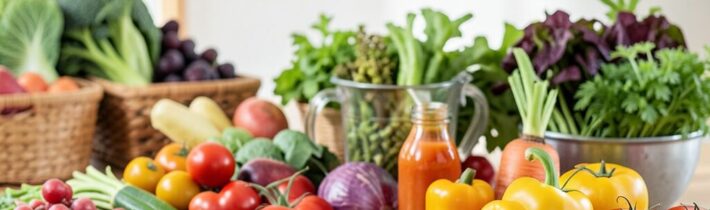
Building a nutritious diet starts at the grocery store. The choices you make when shopping directly influence the meals you prepare and the nutritional value your family receives. A well-planned grocery list ensures you have wholesome ingredients on hand, reduces impulse purchases of processed foods, and makes meal preparation more efficient. This guide walks you through creating a sustainable healthy grocery list that balances nutrition, budget, and practicality.
Proteins That Support Your Health
Protein is essential for muscle maintenance, immune function, and satiety. Rather than relying solely on meat, build a diverse protein section that includes multiple sources. Eggs remain one of the most affordable and versatile proteins available, providing complete amino acids and choline for brain health. A dozen eggs should be a staple purchase.
When selecting poultry, choose chicken breasts for lean protein or buy whole chickens for better value and the ability to make bone broth. Ground turkey offers a leaner alternative to beef for tacos and pasta dishes. For beef, select cuts like sirloin or chuck that are both nutritious and reasonably priced. Consider buying meat in bulk when on sale and freezing portions for later use.
Plant-based proteins deserve equal shelf space. Dried beans and lentils—black beans, chickpeas, pinto beans, and brown lentils—are inexpensive, shelf-stable, and packed with fiber and minerals. Canned versions are acceptable when you’re short on time, though dried are more economical. Greek yogurt provides protein and probiotics, while cottage cheese offers casein protein that digests slowly, making it ideal for evening meals. Tofu and tempeh serve as complete proteins for vegetarian dishes or as supplements to meat-based meals.
Vegetables for Nutritional Variety
Vegetables should occupy a significant portion of your cart. Fresh vegetables provide vitamins, minerals, and fiber while frozen vegetables are equally nutritious, often more affordable, and eliminate food waste since they’re pre-portioned. Dark leafy greens like spinach, kale, and romaine lettuce contain iron, calcium, and antioxidants. Buy them fresh or frozen depending on your consumption rate.
Cruciferous vegetables including broccoli, cauliflower, and brussels sprouts contain compounds linked to reduced disease risk. Root vegetables like carrots, sweet potatoes, and beets store well and provide sustained energy from complex carbohydrates. Bell peppers in various colors add vitamin C and sweetness to dishes. Onions and garlic are flavor foundations that last weeks in a cool pantry.
Tomatoes, whether fresh or canned, are cooking staples rich in lycopene. Zucchini and cucumber are versatile for raw or cooked preparations. Don’t overlook frozen mixed vegetables for convenience and cost-effectiveness. A practical approach involves buying some fresh vegetables for eating raw and some frozen for cooking, ensuring you always have options available.
Fruits for Natural Sweetness and Nutrients
Fruits provide natural sugars, fiber, vitamins, and antioxidants. Bananas are affordable, portable, and excellent sources of potassium and resistant starch when slightly underripe. Berries—blueberries, strawberries, raspberries—are antioxidant powerhouses; buy them fresh when in season or frozen year-round for smoothies and baking.
Apples store exceptionally well and provide pectin, a soluble fiber supporting digestive health. Citrus fruits like oranges and lemons offer vitamin C and long shelf lives. Avocados provide healthy monounsaturated fats and potassium. Melons, grapes, and stone fruits depend on seasonality but offer refreshing hydration and nutrients when available.
Consider your household’s fruit consumption patterns. If fresh fruit spoils before eating, frozen is a superior choice nutritionally and financially. Dried fruits like dates and raisins provide convenient sweetness and energy but lack the water content of fresh fruit, so portion them mindfully. One practical strategy is buying one or two fresh fruits your household reliably eats and supplementing with frozen options.
Whole Grains for Sustained Energy
Whole grains contain the complete kernel—bran, germ, and endosperm—providing fiber, B vitamins, and minerals. Brown rice, quinoa, oats, and barley should anchor your pantry. Oats are particularly versatile, serving breakfast, smoothies, baking, and even savory dishes. Buy them in bulk for significant savings.
Whole wheat bread, ideally with recognizable ingredients and minimal added sugar, supports digestive health better than refined white bread. Look for breads listing whole wheat as the first ingredient. Whole grain pasta made from wheat, lentils, or chickpeas provides more protein and fiber than refined pasta. Farro, millet, and amaranth offer variety and different nutrient profiles.
When transitioning to whole grains, introduce them gradually. Mix whole grain pasta with refined pasta initially, or combine brown rice with white rice. This approach helps your digestive system adapt while improving overall nutrition. Buying larger quantities of shelf-stable grains reduces both cost per serving and packaging waste.
Healthy Fats for Brain and Heart Function
Fat is essential for hormone production, nutrient absorption, and brain health. Extra virgin olive oil supports heart health and works well for dressings and low-heat cooking. Avocado oil tolerates higher temperatures for cooking. Coconut oil remains stable at high heat, though use it mindfully due to its saturated fat content.
Nuts and seeds—almonds, walnuts, sunflower seeds, pumpkin seeds, chia seeds, and flax seeds—provide omega-3 fatty acids, protein, and minerals. Buy them raw or lightly roasted without excess salt or oil. Store them in cool conditions or refrigerate to prevent rancidity. Nut butters offer convenient protein and fat, though watch for added sugars and oils in commercial brands.
Fatty fish like salmon and sardines contain EPA and DHA omega-3s linked to brain and heart health. Fresh or canned versions both provide benefits, with canned offering longer storage and lower cost. Eggs, especially pasture-raised when budget allows, provide choline and fat-soluble vitamins. These diverse fat sources ensure you’re getting various nutrient profiles.
Pantry Staples for Flavorful Cooking
A well-stocked pantry reduces reliance on takeout and processed convenience foods. Spices like turmeric, garlic powder, paprika, cumin, and black pepper add flavor without sodium. Buy them from bulk bins rather than pre-packaged when possible for better value. Fresh herbs like cilantro, parsley, and basil elevate dishes dramatically; buy what you’ll use within a week or grow them on a windowsill.
Canned tomatoes, coconut milk, and low-sodium broth form the base for countless dishes. Vinegars including apple cider, balsamic, and white vinegar add acidity and depth without calories. Honey, maple syrup, and dates provide natural sweetening. Soy sauce or tamari offers umami flavor in small amounts.
Dried herbs and spices gradually lose potency; replace annually for best flavor. Store them in cool, dark places away from heat and light. Quality ingredients in your pantry make simple meals taste restaurant-quality without excess salt, sugar, or artificial additives.
Dairy and Alternatives Based on Your Needs
If you consume dairy, choose products thoughtfully. Whole milk contains fat-soluble vitamins A and D better than skim versions. Cheese provides protein and calcium but also saturated fat; use it as a flavoring rather than a main component. Plain yogurt without added sugars and stabilizers supports gut health through probiotics.
For those avoiding dairy or seeking alternatives, unsweetened plant-based milks like almond, oat, and soy offer different nutritional profiles. Oat milk provides similar creaminess to dairy milk, while soy milk matches protein content. Nutritional yeast adds a cheesy flavor and B vitamins to dishes for those wanting dairy-free cooking options.
Read labels on dairy and alternative products. Added sugars often hide in yogurt and flavored milk products. Choosing plain versions gives you control over sweetness while reducing overall sugar intake. Your choice depends on personal health, ethics, and budget considerations.
Condiments and Beverages That Support Wellness
Condiments can quickly add sodium and sugar to meals. Make homemade salad dressings with olive oil, vinegar, and spices rather than buying bottled versions full of added ingredients. Mustard, hot sauce, and fresh salsa add flavor with minimal calories and additives. Nut butters serve as both condiment and protein source.
For beverages, prioritize water as your primary drink. A quality water bottle encourages hydration throughout the day. Tea—green, black, and herbal varieties—provides antioxidants and interest without calories. Coffee in moderation is fine for most people. Limit sugary drinks, sports drinks, and energy drinks, as they contribute empty calories without satiety.
Fresh lemon and lime juice brighten water and dishes. Coconut water provides electrolytes for post-workout hydration. Bone broth offers collagen and minerals for sipping or cooking foundations. These beverage choices support hydration and health without excessive sugar or artificial ingredients.
Shopping Strategy for Success
Create your list by meal planning first. Decide what breakfasts, lunches, dinners, and snacks you’ll prepare, then list ingredients needed. This approach prevents overbuying and reduces food waste. Shop the perimeter of the store where whole foods cluster, limiting time in aisles where processed foods concentrate.
Shop with a full stomach and stick to your list, as hunger and impulse buying undermine healthy choices. Buy seasonal produce for better flavor and pricing. Consider shopping at farmers markets or bulk food stores for better prices on staples. Buy store brands of quality items, as they’re often made by name-brand manufacturers at lower cost.
Keep your list organized by store layout to reduce time and temptation. Batch cooking on weekends—preparing proteins, grains, and vegetables in bulk—makes weeknight meals faster and more likely to be healthy. Store prepared ingredients in clear containers at eye level in your refrigerator to encourage their use.
Reading Labels for Informed Choices
Nutrition labels reveal what you’re actually purchasing. Check serving size first, as it affects all other numbers. Compare fiber, protein, and sugar content across products. Products with more fiber and less added sugar support sustained energy. Ingredient lists tell the real story—fewer, recognizable ingredients indicate higher quality.
Avoid products with hydrogenated oils, artificial colors, or ingredients you can’t pronounce. Sodium content matters, especially for those managing blood pressure; compare canned and packaged foods to find lower-sodium versions. Many healthy-seeming products contain added sugars disguised as evaporated cane juice, agave, or other sweeteners.
Front-of-package marketing can mislead. A product labeled “multigrain” may still be refined grain. “Made with real fruit” doesn’t mean nutritious when combined with added sugars. Developing label-reading skills takes time but empowers you to make choices aligned with your health goals.
Building Your Healthy Grocery List Template
Begin with proteins: eggs, Greek yogurt, beans, lentils, chicken, ground turkey, and one fish option. Add vegetables: spinach, broccoli, carrots, bell peppers, onions, tomatoes, and one frozen mixed vegetable. Include fruits: bananas, berries, apples, and citrus. Stock whole grains: oats, brown rice, whole wheat bread, and quinoa.
Add healthy fats: olive oil, nuts, seeds, and nut butter. Include pantry staples: spices, canned tomatoes, broth, vinegar, and honey. Choose one dairy or alternative milk product. Pick condiments: mustard, salsa, and herbs. Include your preferred beverages: tea or coffee. Adjust based on your household’s preferences, budget, and dietary requirements.
Print this template and modify weekly as your family’s needs change. Over time, you’ll develop intuition about what works for your household, budget, and health goals. This consistency transforms grocery shopping from overwhelming to routine, supporting your wellness journey through simple, nutritious choices.
Seasonal Shopping Strategies for Maximum Nutrition and Value
Understanding seasonal produce cycles transforms both your nutrition and your budget. Seasonal fruits and vegetables peak in flavor, nutrient density, and affordability when they’re naturally in harvest—berries in summer, root vegetables in fall, citrus in winter, and tender greens in spring. Shopping seasonally means paying significantly less for produce that tastes better and contains higher vitamin levels because it traveled shorter distances and required less storage time.
Build a seasonal awareness by visiting farmers markets regularly or checking what your grocery store emphasizes each month. In spring, prioritize asparagus, peas, strawberries, and fresh herbs that signal renewal. Summer abundance includes tomatoes at peak ripeness, zucchini, corn, peaches, and melons—buy extra to freeze or preserve. Fall brings squashes, apples, pears, and root vegetables that store naturally without refrigeration. Winter calls for citrus, kale, brussels sprouts, and storage crops like potatoes and onions.
This seasonal rotation prevents the monotony of eating the same produce year-round while naturally varying your nutrient intake. A tomato purchased in January traveled thousands of miles and sat in storage; a July tomato provides exponentially more flavor and lycopene. Seasonal shopping also reduces your environmental footprint and supports local agriculture when you purchase from regional sources.
Consider buying extra seasonal produce at peak prices to preserve for later. Frozen berries from summer sales provide winter smoothie ingredients. Frozen tomatoes become sauce. Root vegetables store in cool basements or pantries for months. This approach captures seasonal pricing while maintaining nutritional variety throughout the year.
Building a Budget-Conscious Protein Strategy Without Sacrificing Quality
Protein purchases often consume the largest portion of a grocery budget, making strategic choices essential. Rather than buying the most expensive cuts or pre-packaged options, develop a tiered approach that matches protein quality to preparation method. Premium cuts like salmon fillets or grass-fed beef steaks work for special meals, while less expensive cuts shine in slow-cooked braises, stews, and ground applications.
Buying whole chickens costs significantly less per pound than breasts or thighs alone, and the bones create valuable bone broth—a cost-free ingredient for soups and cooking. A single whole chicken yields meat for multiple meals plus collagen-rich broth. Ground meat from the butcher counter costs less than pre-packaged and allows you to specify fat content. Ask your butcher for sale meat from the previous day at discount prices; these are perfectly safe for immediate use or freezing.
Eggs remain nutrition’s best bargain, providing complete protein for breakfast, baking, and quick meals. During sales, buy extra and store long-term in your refrigerator’s coldest section. Dried legumes cost pennies per serving and provide comparable protein to meat with superior fiber. Canned fish like sardines and mackerel offer omega-3s and complete meals for under two dollars. Plain Greek yogurt in large containers costs significantly less per serving than individual cups, and you control the sweetness level.
Implement a rotation strategy where you buy whatever high-quality protein is on deepest discount that week, freezing portions for future use. This flexibility reduces total spending while ensuring you never run out of protein options. Track your freezer inventory using a simple list on your refrigerator so you know what protein reserves you have available and can plan accordingly.
Navigating Specialty Dietary Needs Without Overwhelming Complexity
Whether your household manages allergies, intolerances, or philosophical dietary choices, successful shopping requires strategic planning rather than buying duplicate product lines. The key is building meals from whole foods that naturally fit multiple dietary frameworks rather than relying on specialty substitutes for every category.
For gluten-free needs, focus on naturally gluten-free staples: rice, potatoes, corn, quinoa, beans, and all fruits and vegetables. These form meal foundations that work for everyone, with gluten-containing options available as optional additions rather than necessities. This approach costs less than buying specialized gluten-free bread and pasta for one person while keeping meal preparation simple.
For dairy-free households, build around coconut milk, oat milk, and soy milk selected for specific uses—coconut for curries, oat for creaminess, soy for protein matching. Rather than buying dairy-free versions of every dairy product, embrace cooking styles that don’t rely on cheese and milk. Mediterranean, Asian, and plant-forward cuisines naturally emphasize different flavor foundations.
Nut allergies require different planning since nuts appear in unexpected places. Instead, stock seeds—sunflower, pumpkin, sesame—which provide similar nutrition and can substitute in most recipes. Tahini replaces nut butters in sauces and dressings. This substitution maintains nutritional goals while keeping costs reasonable.
Label reading becomes critical for managing hidden ingredients across dietary needs. Keep a running list of safe brands and products rather than checking labels weekly. This preparation reduces shopping time and prevents purchasing unsuitable items. Many mainstream products fit multiple dietary needs; finding them requires initial research but pays dividends through repeated purchases.
Strategic Freezer Management for Flexibility and Reduced Waste
Your freezer functions as a time-extension tool, transforming perishable purchases into long-term pantry assets. Mastering freezer strategies means buying strategically when prices are lowest, reducing food waste from spoilage, and always having meal components available regardless of fresh grocery availability.
Freeze proteins immediately upon purchase if not using within two days. Properly wrapped and labeled meat maintains quality for three to six months. Separate ground meat into meal-sized portions before freezing—this approach eliminates thawing an entire package when you need a quarter. Freeze berries on trays before bagging to prevent clumping, maintaining individual pieces for smoothies and baking.
Bread freezes excellently and thaws quickly—buy your preferred whole grain loaf when on sale and freeze half for later. Cooked grains and beans freeze in portion sizes matching your typical recipe usage. Prepared vegetable bases—diced onions, minced garlic, chopped peppers—freeze in ice cube trays and transfer to bags, providing instant aromatics for cooking. Blanch vegetables like broccoli and green beans before freezing to preserve texture and nutrients.
Establish a freezer inventory system using a simple notebook or phone list. Include what’s frozen, quantity, and approximate purchase date. Review this list before shopping to avoid duplicating items you’ve already frozen and to use oldest items first. This prevents the common problem of frozen items becoming forgotten mystery packages.
Plan a weekly or monthly “freezer meal” that uses accumulated frozen components. This creative practice prevents accumulation of random items and ensures your frozen inventory stays useful. Thaw items in the refrigerator overnight rather than at room temperature, as this maintains food safety and texture.
Decoding Marketing Labels and Health Claims Without Analysis Paralysis
Grocery stores employ sophisticated packaging and labeling designed to make processed foods appear nutritious. Learning to decode these claims prevents overspending on products that sound healthy but deliver minimal nutritional benefit. The most important skill is distinguishing between government-regulated claims and marketing language.
“Natural” and “made with real fruit” carry no regulatory definition; manufacturers can use them liberally without restriction. “Multigrain” means multiple grains, not whole grains—a product can be multigrain refined flour. “Light” or “lite” refers to either calories, fat, or sodium depending on the product; check which claim applies. “Organic” has regulatory standards but doesn’t guarantee nutritious—organic cookies remain cookies.
Focus on three evidence-based label features: fiber content above three grams per serving, protein content appropriate for the food category, and added sugars below five grams per serving in main dishes. These numbers correlate strongly with satiety, blood sugar stability, and overall nutritional value. Ignore buzzwords like “superfoods,” “antioxidant-rich,” and “functional” in favor of reading actual nutrition data.
For packaged foods, the ingredient list matters more than front-of-package claims. Ingredient lists are ordered by weight—if sugar appears in the first three ingredients, it’s a significant component regardless of labels claiming “no added sugar” or “made with real fruit.” Count the number of ingredients; generally, fewer indicates simpler, more nutritious food. If you cannot identify and pronounce 80 percent of ingredients, your body likely won’t recognize them either.
Develop a quick decision framework: whole foods require no claims because their nutrition is obvious. Foods requiring extensive claims and marketing language are typically ultra-processed. The most nutritious grocery stores feel boring—plain oats, plain rice, plain vegetables—because real nutrition doesn’t require marketing.
Creating Flexible Meal Foundations That Accommodate Changing Needs
Rather than building a rigid grocery list for specific recipes, successful long-term shopping creates flexible foundations adaptable to changing circumstances, preferences, and available time. This approach means you always have components for nutritious meals despite unexpected schedule changes or dietary shifts.
Stock proteins that cook quickly (eggs, canned fish), moderately (ground meat, beans), and slowly (whole chickens, tough cuts for braising). This range ensures you can cook appropriate meals whether you have 15 minutes or 3 hours. Include grains in various cook times—quick-cooking quinoa and instant oats alongside slower brown rice and farro. This flexibility prevents takeout decisions born from “nothing’s ready in time.”
Maintain basic vegetables that work raw and cooked: carrots, celery, bell peppers, onions, and leafy greens. These provide options whether you’re eating fresh salads or cooking stews. Keep versatile sauces and flavor bases—salsa, soy sauce, vinegars, tomato sauce—that work across different cuisines. This approach prevents meals from becoming repetitive despite using similar components.
Buy condiments and seasonings that expand rather than limit your options. Cumin works in Mexican, Indian, and Mediterranean dishes. Hot sauce fits breakfast eggs, tacos, and soups. Fresh herbs provide variation without requiring completely different shopping. Variety emerges from how you combine components rather than constantly purchasing new ingredients.
Build a rotating list of five to seven versatile dinners that use your standard grocery ingredients in different combinations. Rotate these weekly so they feel familiar enough to cook without stress but varied enough to prevent boredom. Over time, you develop automatic meal preparation patterns where you intuitively combine available ingredients into balanced meals without consulting recipes.
Managing Grocery Shopping Around Supply Disruptions and Price Fluctuations
Recent years have highlighted the value of developing shopping flexibility in response to supply challenges and price volatility. Building resilience into your grocery strategy means maintaining nutritious meals despite disruptions while capitalizing on price opportunities.
Maintain a selection of shelf-stable proteins beyond frozen meat: canned fish, dried beans, lentils, nuts, and nut butters. These provide complete nutritional capacity if fresh proteins become unavailable or expensive. Shelf-stable dairy alternatives and powdered milk offer backup options. This redundancy isn’t paranoia but practical preparedness that simultaneously saves money during normal times through bulk purchasing.
Price tracking reveals patterns in your local market. Track proteins, oils, grains, and produce prices over several months to identify seasonal lows. When prices drop significantly below average, buy extra for freezing or shelf storage. This practice requires minimal effort—a simple spreadsheet or phone notes—and quickly pays for itself through reduced average prices.
Develop relationships with store managers who can alert you to upcoming sales or provide advance information about price reductions. Farmers market vendors often reduce prices significantly near closing time and may offer bulk discounts for multiple purchases. Bulk food stores frequently run sales on staple items; subscribing to their email lists provides advance notice.
Build your pantry with the understanding that strategic storage reduces reliance on consistent supply. A well-stocked freezer and pantry means one expensive week or limited selection doesn’t derail your nutrition. This approach also reduces shopping frequency to once monthly rather than weekly, lowering total spending through reduced impulse purchases and transportation costs.
Developing Efficient Shopping Systems That Save Time and Money
Successful grocery shopping extends beyond what you buy to how you shop, as inefficient systems lead to overspending through impulse purchases and wasted time. Developing structured approaches dramatically improves both financial and time outcomes.
Create a master grocery list organized by store section: proteins, dairy, produce, grains, canned goods, freezer, oils and condiments, beverages. This organization prevents wandering through sections repeatedly and reduces time in the store—the primary driver of impulse purchases. Shop with this organized list and avoid sections you don’t need that week.
Implement a “buy once monthly” system where you purchase shelf-stable pantry staples, freezer items, and long-storage produce in one trip. Supplement weekly with fresh vegetables, herbs, and dairy as needed. This approach reduces shopping frequency, lowering total spending through fewer exposure opportunities and clearer purchasing decisions. Weekly shopping becomes focused on replenishing quickly consumed items rather than starting from scratch.
Never shop hungry, as hunger drives impulse purchases of expensive convenience foods. Shop after eating a substantial meal or snack, and avoid peak shopping times when crowded aisles increase browsing behavior. Set a time limit—aim to complete your shopping in 45 minutes—which creates urgency that prevents wandering and impulse browsing.
Use your phone to track prices on items you purchase regularly. Screenshot prices or keep notes on what you typically pay. When you see a sale, compare against your baseline to determine if it’s truly a good deal. This practice prevents marketing psychology that creates artificial urgency around mediocre discounts.
Track your actual spending for several weeks to establish baselines for your household. Knowing your typical produce, protein, and pantry costs reveals areas where you’re overspending or where cuts might be possible. Many people discover they’re buying duplicate items, purchasing items that spoil unused, or consistently choosing expensive convenient options over basic alternatives.
FAQ
How do I stick to a healthy grocery list on a tight budget?
Buy seasonal produce, which is cheaper and more flavorful. Purchase proteins on sale and freeze them for later. Buy dried beans, lentils, and grains in bulk rather than pre-packaged. Choose store brands, which are often identical to name brands but less expensive. Focus on whole foods rather than prepared items, as they cost less per serving. Plan meals around sale items rather than shopping with a fixed list.
Should I buy organic produce?
The “Dirty Dozen” list identifies produce with higher pesticide residues—buy these organic if budget allows, including berries, spinach, kale, and apples. The “Clean Fifteen” have lower residues, so conventional versions are acceptable. If choosing between organic and more produce, conventional is better than skipping vegetables entirely. Wash all produce thoroughly under running water regardless of growing method.
How long do grocery items typically last?
Fresh vegetables last 3-7 days; store them in vegetable drawers. Fruits vary widely—berries last 3-5 days, while apples last weeks. Proteins should be used within 1-2 days unless frozen. Whole grains and legumes last months in cool, dry storage. Oils last longest in cool, dark places. Nuts and seeds last longer refrigerated or frozen. Check dates on dairy and condiments, though they often last longer than stated dates.
What if my family has different dietary preferences?
Build a foundation of shared whole foods—proteins, grains, and vegetables work for most diets. Prepare components separately so family members can assemble meals to their preferences. If some eat vegetarian and others eat meat, cook the protein separately and add it after cooking shared bases. Having diverse options ensures everyone eats well without requiring multiple meals.
How do I avoid food waste from my grocery shopping?
Inventory your refrigerator before shopping to avoid duplicate purchases. Plan meals using what you already have. Buy produce in quantities matching your household consumption rate. Buy frozen vegetables that last longer than fresh. Store items properly—many vegetables last longer in plastic bags; herbs last longer in water like flowers; berries last longer unwashed. Prep produce immediately after shopping to encourage use. Use vegetable scraps for broth and overripe fruit for smoothies or baking.
Related posts:
 Pegan Diet Explained: The Paleo-Vegan Hybrid Taking Over
 The Best Snapchat Accounts for Healthy Recipe Inspiration
 Easy Trader Joe’s Dinner Ideas
 Best Grocery Subscription Deals
 Amazon Opens Instant Pickup Points Near You
 Vegan vs Plant-Based: Which is Healthier?
 What Grocery Store Trends Say About Our Future Food
 Navigating the Keto World: A Comprehensive Guide to Finding the Best Keto Diet for You