
Korean cuisine is celebrated for its bold, layered flavors, and much of that magic comes from the pantry. While the star of many meals is the fermented staple kimchi, the real secret weapons are the condiments that sit beside it—gochujang, doenjang, ssamjang, ganjang, sesame oil, and a handful of others. Understanding how each works, where to find them, and how to store them can transform a simple stir‑fry into a restaurant‑quality experience. This guide walks you through the essential Korean condiments, offers practical tips for using them at home, and even shows you how to craft a few basics from scratch.
Key takeaways
- Master the core pantry staples: gochujang, doenjang, soy sauce, and gochugaru to cover most everyday Korean recipes.
- Store gochujang and doenjang in the refrigerator after opening to maintain quality for up to 18 months.
- Use toasted sesame oil as a finishing touch rather than for cooking to prevent bitterness from high heat.
- Keep condiments fresh by using airtight glass containers and labeling them with the purchase date for easy rotation.
- Create your own staples by controlling fermentation temperature, sanitation, and ingredients for a custom flavor profile.
1. Gochujang: The Sweet‑Spicy Red Pepper Paste
Gochujang (고추장) is a fermented chili paste made from gochugaru (Korean red pepper flakes), glutinous rice, soybeans, and salt. Its flavor profile balances heat, sweetness, umami, and a subtle tang that deepens over time.
- Key uses: marinades for bulgogi, sauces for bibimbap, base for tteokbokki, and a kick in soups.
- How to choose: Look for a thick, glossy paste with a deep red hue. Premium brands often list a longer fermentation period (6‑12 months) on the label.
- Storage tips: Keep the jar tightly sealed in the refrigerator. It can last 12‑18 months; the flavor will mellow but remain safe.
- Quick recipe tip: Mix 2 tbsp gochujang, 1 tbsp soy sauce, 1 tbsp honey, 1 tsp rice vinegar, and ½ tsp sesame oil for a versatile dipping sauce for grilled vegetables.
2. Doenjang: The Earthy Soybean Paste
Doenjang (된장) is a thick, salty paste produced by fermenting soybeans with brine and barley malt. It is the Korean counterpart to Japanese miso but has a heartier, more robust character.
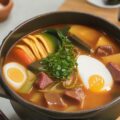
- Key uses: Doenjang‑jjigae (soybean paste stew), seasoning for sautéed greens, and a flavor booster in marinades.
- Choosing a product: Authentic Korean doenjang will have a grainy texture and a deep, nutty aroma. Avoid versions with added MSG or excessive preservatives.
- Storage: Store in a glass jar, refrigerate after opening. It can keep for up to a year; discard if mold other than the natural white surface appears.
- DIY starter: Blend 1 cup cooked soybeans, ¼ cup barley malt, and ½ cup sea salt. Pack into a ceramic crock, cover with a cloth, and let ferment at room temperature for 2‑3 months before using.
3. Ssamjang: The All‑Purpose Dipping Sauce
Ssamjang (쌈장) literally means “wrap sauce.” It combines gochujang, doenjang, sesame oil, garlic, and sometimes a touch of sugar or honey. The result is a thick, savory dip perfect for lettuce wraps (ssam) and grilled meats.
- Simple homemade version: 1 tbsp gochujang + 1 tbsp doenjang + 1 tsp sesame oil + ½ tsp minced garlic + ½ tsp toasted sesame seeds + a pinch of sugar.
- Serving ideas: Spread on grilled pork belly, drizzle over bibimbap, or dip fresh cucumber sticks for a quick snack.
- Storage: Keep in a sealed container in the fridge; it stays fresh for 3‑4 weeks.
4. Ganjang (Soy Sauce): The Salty Backbone
While many Western kitchens rely on Chinese or Japanese soy sauce, Korean ganjang (간장) has distinct characteristics. It is typically brewed longer, resulting in a richer, slightly sweeter flavor with less sharp saltiness.
- Two main types:
- Joseon-ganjang – a traditional, thick soy sauce used for soups and stews.
- Yangjo-ganjang – a lighter, clearer soy sauce suited for dipping and seasoning.
- How to use: Add a splash to braised dishes (jjim), stir into kimchi broth, or use as a base for marinades.
- Storage: Store unopened bottles in a cool, dark pantry. Once opened, keep refrigerated to preserve aroma; it will stay good for 1‑2 years.
5. Gochugaru: Korean Chili Flakes
Gochugaru (고춧가루) is the hallmark red pepper powder that defines Korean heat. It is coarser than typical cayenne, with a bright, slightly smoky flavor.
- Choosing quality: Look for flakes that are uniformly red, slightly glossy, and have a faint citrus note. Avoid overly fine powders that may indicate low‑grade peppers.
- Common uses: Spice up kimchi, season soups (kimchi jjigae), and add color to pancake batter (kimchi jeon).
- Storage advice: Keep in an airtight container away from light and heat. It retains potency for up to 12 months.
- DIY tip: Toast ½ cup gochugaru in a dry skillet for 1‑2 minutes, then grind lightly for a smoky, aromatic boost.
6. Sesame Oil: The Aromatic Finish
Toasted sesame oil (참기름) is a fragrant, nutty oil made from roasted sesame seeds. A few drops can elevate any dish, from stir‑fries to salads.
- Usage guidelines: Use as a finishing oil rather than a cooking oil; its low smoke point means it can become bitter if overheated.
- Flavor pairings: Combine with soy sauce for a classic dipping sauce, drizzle over bibimbap, or toss with cold noodle salads.
- Storage: Store in a dark bottle, refrigerate after opening to prevent oxidation. It stays fresh for 6‑9 months.
7. Kimchi Juice & Brine: The Umami Splash
The liquid that accumulates at the bottom of a kimchi jar is a powerhouse of probiotics, salt, and fermented flavor. It can be used as a seasoning liquid, a soup base, or a marinade.
- How to incorporate: Add 1‑2 tbsp to stir‑fried rice for an instant tang, or mix with water for a light soup broth.
- Safety note: Use only from well‑fermented, properly sealed kimchi. If the brine smells off or shows mold beyond the surface, discard.
- Storage tip: Keep the jar sealed in the refrigerator; the juice remains good as long as the kimchi does (usually 2‑3 months).
8. Optional Extras: Perilla Seeds, Fermented Shrimp (Saeujeot), and Pickled Vegetables
While the core seven condiments cover most cooking needs, Korean cuisine often calls for additional flavor boosters.
- Perilla seeds (깨소금): Toasted sesame‑perilla seed blend adds a nutty, slightly herbal note to salads and rice dishes.
- Saeujeot (새우젓): Fermented tiny shrimp paste used sparingly in kimchi and stews for deep umami. Use a pinch; its flavor is intense.
- Pickled radish (danmuji): Bright yellow, mildly sweet pickles that serve as palate cleansers and garnish for bibimbap.
9. Building a Korean Condiment Shelf: Practical Shopping & Organization
Creating a functional Korean pantry doesn’t require a trip to Seoul, but a strategic approach helps you stay stocked without clutter.
- Start with the basics: Purchase gochujang, doenjang, soy sauce (ganjang), and gochugaru. These four cover 80% of everyday recipes.
- Buy in appropriate sizes: A 500 g gochujang jar, 300 g doenjang tub, and 250 ml soy sauce bottle are typical household portions. Larger bulk packs are cost‑effective if you cook frequently.
- Label and date: Write the purchase date on each lid with a waterproof marker. Rotate older jars to the front.
- Store by temperature: Keep gochujang, doenjang, and gochugaru in a cool pantry; sesame oil, ganjang, and perilla seeds belong in the refrigerator after opening.
- Use airtight containers: Transfer frequently used condiments (ssamjang, kimchi juice) to small glass jars to avoid double‑dipping and preserve freshness.
- Plan a tasting session: Once a month, try a spoonful of each condiment with plain rice. This reinforces flavor memory and helps you decide which ones you truly need.
1. Regional Variations and Specialty Versions of Core Condiments
Korean condiments are not monolithic; each province, and sometimes even individual villages, cultivates its own signature twist. Understanding these nuances lets you select the exact flavor profile you need for a given dish, and it also opens the door to exploring lesser‑known products that can elevate a home‑cooked meal to a regional specialty.
- Gochujang of Jeolla vs. Gochujang of Gyeongsang: The southwestern province of Jeolla is famous for a sweeter, more caramel‑laden gochujang, often fermented for a full year and blended with a higher proportion of glutinous rice. In contrast, Gyeongsang‑province gochujang tends toward a sharper heat, using a larger share of gochugaru and a shorter fermentation window (3‑4 months). When preparing jjigae that should have a deep, lingering warmth, reach for a Gyeongsang style; for a glaze that needs a glossy, mellow sweetness, the Jeolla version shines.
- Doenjang Variants:
- Chungju Doenjang – Produced in the central highlands, this version incorporates barley malt that has been partially sprouted, giving the paste a faint nutty undertone and a slightly lighter color.
- Gangwon Doenjang – Made with a higher ratio of soybeans to barley and fermented in cooler mountain air, it develops a firmer texture and a pronounced earthy aroma, ideal for hearty stews like samgyetang.
- Jeju Doenjang – Infused with locally harvested seaweed (dashima) during the final weeks of fermentation, this salty‑savory hybrid is perfect for seafood‑centric soups.
- Ganjang (Soy Sauce) Sub‑Categories:
- Hansik Ganjang – Traditional Korean soy sauce brewed in earthenware crocks for 12‑18 months; it has a deep amber hue and a lingering sweetness that pairs beautifully with braised pork (jeyuk bokkeum).
- Saechon Ganjang – A lighter, clear soy sauce produced in the Saechon region, fermented with a higher water content. Its subtle saltiness makes it the go‑to choice for raw fish dishes such as hweh (sashimi‑style Korean fish).
- Cheonggukjang‑Infused Ganjang – Some artisanal producers blend a spoonful of fermented soybean paste (cheonggukjang) into soy sauce during the final aging stage, creating a sauce with a faint, creamy umami that works well in dipping sauces for grilled vegetables.
- Sesame Oil Distinctions: While most Korean kitchens use roasted sesame oil, there are two notable styles:
- Black Sesame Oil – Made from toasted black sesame seeds, it delivers a deeper, almost chocolate‑like aroma. Use sparingly as a finishing drizzle over cold noodle salads or as a flavor accent in dessert sauces (e.g., honey‑sesame ice cream).
- Cold‑Pressed Unroasted Sesame Oil – Light in color and flavor, this oil is suitable for high‑heat stir‑frying where the nutty note is desired without the risk of bitterness.
- Perilla‑Based Condiments: Beyond the basic perilla seed powder, there are regional preparations such as kkaetnip jang (perilla leaf paste) from the Jeju islands, where perilla leaves are fermented with a touch of sea salt and rice wine, yielding a tangy, herbaceous spread perfect for ssam wraps.
When shopping, look for labels that specify the region or the fermentation period. Many specialty Korean markets now carry small‑batch jars that proudly display these details, allowing you to curate a pantry that reflects the culinary geography of the peninsula.
2. Fermentation Science: How to Master Homemade Gochujang, Doenjang, and Ganjang
While store‑bought condiments are convenient, creating your own gives you control over salt levels, spice intensity, and fermentation time. Below is a step‑by‑step guide that blends traditional Korean methods with modern food‑safety practices.
- Understanding the Microbial Cast:
- Lactobacillus plantarum – Dominates early fermentation, producing lactic acid that lowers pH and creates the characteristic tang.
- Aspergillus oryzae (Koji mold) – Essential for breaking down starches in gochujang and doenjang, converting them into sugars that fuel yeast and bacteria.
- Yeast strains (Saccharomyces cerevisiae) – Contribute to aroma development and a subtle carbonation in gochujang.
- Temperature Control: Ideal fermentation temperatures range from 20‑25 °C (68‑77 °F). Below 18 °C the process stalls; above 30 °C (86 °F) you risk unwanted mold growth. Use a dedicated pantry, a warm cabinet, or a fermentation box with a simple thermostat.
- Sanitation Checklist:
- All utensils, jars, and lids must be boiled for 10 minutes or run through a dishwasher on a high‑heat cycle.
- Rinse the jars with boiled, cooled water before filling to avoid residual chlorine, which can inhibit beneficial microbes.
- Homemade Gochujang (Approx. 2 kg batch):
- Prepare gochujang starter by mixing 200 g of roasted gochugaru with 100 g of cooked glutinous rice, 50 g of fermented soybean powder (meju), and 30 g of sea salt.
- Steam 1 kg of short‑grain rice until fully gelatinized; spread on a clean tray to cool to room temperature.
- Combine the cooled rice with the starter, add 150 ml of barley malt syrup (or malt extract), and blend until a uniform paste forms.
- Transfer to a sterilized earthenware crock, press down to eliminate air pockets, and cover with a breathable cloth secured with a rubber band.
- Store in a dark corner at 22 °C for 6‑12 months, stirring gently every 2‑3 weeks to redistribute moisture and prevent surface mold.
- After the desired fermentation period, skim any surface mold (white or pink is normal) and seal the jar with a tight‑fitting lid. Refrigerate to halt further fermentation.
- Homemade Doenjang (Approx. 1.5 kg batch):
- Soak 1 kg of soybeans overnight, then boil until soft. Drain and mash roughly; reserve 150 ml of the cooking liquid.
- Mix the mashed soybeans with 250 g of barley malt (sprouted and dried) and 80 g of sea salt.
- Press the mixture into a shallow, sterilized stone or ceramic container, creating a 2‑cm thick layer.
- Cover with a cheesecloth, then a lid that allows a small amount of airflow. Place a weight (e.g., a clean stone) on top to keep the paste compact.
- Ferment at 18‑20 °C for 3‑4 months. During this period, a thin white film (kahm yeast) will form on the surface – scrape it off weekly.
- After 4 months, stir the entire batch, add the reserved cooking liquid to adjust consistency, and transfer to glass jars. Store in the refrigerator; the paste will continue to deepen in flavor for up to a year.
- Homemade Ganjang (Soy Sauce) – The Traditional “Jin‑Ganjang” Method:
- Blend 500 g of roasted soybeans with 250 g of wheat flour; roast the mixture lightly in a dry pan (no oil) until it turns golden.
- Add 1 L of filtered water and 150 g of sea salt; stir until dissolved.
- Transfer to a large, food‑grade wooden barrel (or a glass carboy) and inoculate with a starter culture of Aspergillus oryzae (available as “koji spores”).
- Seal loosely and let ferment at 22 °C for 6 months, shaking the barrel gently once a week to oxygenate the mash.
- After 6 months, strain the liquid through a fine muslin cloth; the clear, amber‑colored soy sauce is now ready. Bottle and refrigerate.
- Troubleshooting Common Issues:
- Off‑color mold (green, black, or blue): Discard the batch immediately – these are signs of unwanted fungal contamination.
- Excessive sourness: May indicate over‑fermentation or too high a temperature. Reduce fermentation time or lower ambient temperature for future batches.
- Flat flavor: Increase the amount of barley malt or add a small spoonful of rice wine during the initial mixing stage to boost enzymatic activity.
By mastering these processes, you gain the ability to fine‑tune salt, sweetness, and heat to suit personal health goals or specific recipe requirements.
3. Health & Nutrition: Probiotics, Sodium Management, and Allergy Considerations
Korean condiments are more than flavor boosters; they contribute bioactive compounds that can influence gut health, blood pressure, and even antioxidant status. Below is a concise yet comprehensive look at the nutritional science behind each staple.
| Condiment | Key Nutrients | Probiotic Content | Typical Sodium (g/100 g) | Allergy Alerts |
|---|---|---|---|---|
| Gochujang | Carbohydrates (from rice), Vitamin C, Capsaicin | Live Lactobacillus spp. (if unpasteurized) – ~10⁸ CFU/g | ≈ 4.5 g | Contains soy and wheat (gluten) |
| Doenjang | Protein (soy), Isoflavones, B‑vitamins | Robust Lactobacillus and Bifidobacterium populations – up to 10⁹ CFU/g | ≈ 6.0 g | Soy‑based – not suitable for soy‑allergic individuals |
| Ssamjang | Sesame oil (healthy fats), Garlic allicin | Depends on base gochujang/doenjang – usually low if paste is pasteurized | ≈ 5.2 g | Sesame, soy, wheat |
| Ganjang (Soy Sauce) | Protein peptides, Mn, Zn | Usually pasteurized – minimal live cultures | ≈ 14‑16 g | Soy, wheat (unless tamari‑style) |
| Sesame Oil | Monounsaturated & polyunsaturated fatty acids, Vitamin E | None (oil) | 0 g | Sesame – potential allergen |
| Gochugaru | Capsaicin, Vitamin A, antioxidants (carotenoids) | None | ≈ 0.2 g | None (unless cross‑contaminated) |
Probiotic Preservation Tips: To retain live cultures, avoid heating gochujang or doenjang above 45 °C (113 °F). Use them as finishing ingredients, stir them into warm soups after the heat is turned off, or incorporate them into cold sauces.
Sodium‑Smart Strategies:
- Rinse kimchi juice briefly before adding to a dish to shave off up to 30 % of the salt.
- Blend a low‑sodium soy sauce (available in many Asian markets) with a splash of fermented bean paste to preserve umami while cutting sodium.
- Use citrus juice (lemon, yuzu) or a dash of rice vinegar as a flavor enhancer; the acidity can trick the palate into perceiving less salt.
Allergy‑Friendly Substitutes:
- Soy‑Free Gochujang: Replace soybeans with fermented chickpeas; the resulting paste retains a similar umami depth and can be seasoned with additional rice malt for sweetness.
- Gluten‑Free Ganjang: Use tamari made from 100 % soy without wheat, or opt for a fermented coconut‑amino sauce that mimics soy’s saltiness.
- Sesame‑Free Ssamjang: Omit toasted sesame seeds and replace with toasted pumpkin seeds; add a drizzle of walnut oil for richness.
For individuals managing hypertension, a daily serving of fermented condiments (≈ 1 tsp) can provide beneficial probiotics without dramatically increasing sodium intake, provided the rest of the diet is balanced.
4. Creative Fusion: Using Korean Condiments in Global Dishes
When Korean flavors meet other culinary traditions, the results can be astonishingly harmonious. Below are five cross‑cultural recipes that showcase how each condiment can act as a bridge between cuisines.
- Gochujang‑Glazed Salmon Tacos
- Marinate 4 salmon fillets (150 g each) in a mixture of 2 tbsp gochujang, 1 tbsp maple syrup, 1 tsp lime zest, and 1 tsp sesame oil for 30 minutes.
- Grill or pan‑sear the salmon until flaky; break into bite‑size pieces.
- Assemble soft corn tortillas with shredded cabbage, avocado slices, and a drizzle of cilantro‑lime crema (sour cream + lime juice + cilantro).
- Top with a spoonful of gochujang‑infused kimchi juice for a tangy kick.
Edge case: For a low‑sodium version, halve the gochujang and replace the remaining salt with a pinch of smoked paprika.
- Doenjang‑Based Ratatouille
- Sauté diced eggplant, zucchini, bell pepper, and onion in olive oil until softened.
- Add 2 tbsp doenjang, 1 tbsp tomato paste, 200 ml vegetable broth, and a handful of fresh thyme.
- Simmer 15 minutes; finish with a splash of toasted sesame oil and a garnish of chopped parsley.
Note: Doenjang adds depth that traditional French herbs alone cannot achieve, creating a umami‑rich vegetable stew.
- Ssamjang‑Spiced Hummus
- Blend 1 cup canned chickpeas (drained), 2 tbsp tahini, 1 tbsp ssamjang, 1 tsp lemon juice, and 1 clove garlic.
- Adjust consistency with cold water; season with a pinch of sea salt.
- Serve with pita chips and garnish with toasted sesame seeds.
Edge case: For a nut‑free version, substitute tahini with sunflower seed butter.
- Ganjang‑Marinated Steak with Korean‑Style Chimichurri
- Mix 3 tbsp ganjang, 2 tbsp olive oil, 1 tsp grated ginger, and 1 tsp honey; marinate a 250 g ribeye for 2 hours.
- Grill to preferred doneness; let rest 5 minutes.
- Prepare chimichurri using parsley, cilantro, minced garlic, red‑wine vinegar, and a splash of gochugaru for subtle heat.
- Drizzle chimichurri over sliced steak.
This marriage of Argentine sauce with Korean soy creates a bright, savory glaze that cuts through the meat’s richness.
- Sesame‑Oil Infused Italian Pasta Carbonara
- Cook spaghetti al dente; reserve ½ cup pasta water.
- Whisk together 2 egg yolks, ¼ cup grated Pecorino Romano, and 1 tbsp toasted sesame oil.
- Quickly toss hot pasta with the egg mixture, adding pancetta (or Korean smoked pork belly) and a splash of pasta water to create a silky sauce.
- Finish with a light dusting of gochugaru for a warm, peppery note.
Edge case: For a vegetarian spin, replace pancetta with crisped shiitake mushrooms and increase sesame oil to 2 tbsp.
These examples illustrate that Korean condiments are versatile enough to enhance Mediterranean, Mexican, Middle‑Eastern, and classic Western dishes without overwhelming their core identity.
5. Advanced Storage & Shelf‑Life Hacks for Long‑Term Pantry Management
Even the most diligent home chef can struggle with condiment turnover, leading to waste or flavor loss. Below are laboratory‑grade techniques adapted for the everyday kitchen.
- Vacuum‑Sealing Small Portions: Divide gochujang, doenjang, and ssamjang into 30‑ml silicone jars, then vacuum‑seal using a handheld pump. This reduces oxidation, extends shelf life by 30‑40 %, and makes portioning for recipes painless.
- Freezing Gochujang: Spoon gochujang into an ice‑cube tray, freeze, then transfer cubes to a zip‑lock bag. Each cube (~15 g) is ideal for a single serving of bibimbap sauce. Frozen gochujang retains its flavor and texture for up to 12 months.
- Oil‑Barrier for Sesame Oil: After opening, pour a thin layer of neutral oil (e.g., grapeseed) on top of the sesame oil in its bottle. This creates an airtight barrier that slows oxidation, especially useful in warm kitchens.
- Dry‑Cloth Technique for Gochugaru: Store gochugaru in a glass jar wrapped in a dry, breathable cloth (like muslin) before sealing. The cloth absorbs residual moisture, preventing clumping and preserving the bright color for up to 18 months.
- Fermentation‑Lock for Doenjang: Place a small, sterilized weight (e.g., a sealed glass marble) on top of the doenjang surface before sealing the jar. This keeps the paste flat, discourages surface mold, and encourages even fermentation.
- Labeling with QR Codes: Generate a QR code that links to a spreadsheet tracking purchase date, batch size, and tasting notes. Print and affix to each jar; scanning the code on a smartphone instantly shows you when to use the item.
- Temperature‑Controlled Mini Fridge: Dedicate a compact 2‑cubic‑foot refrigerator for Korean condiments. Keep the thermostat set at 4 °C (39 °F) to prolong the life of high‑moisture items (ssamjang, kimchi juice) while maintaining optimal flavor for oil‑based products.
By implementing at least three of these strategies, you can keep your pantry stocked for years without sacrificing quality.
6. Pairing Principles: Matching Condiments to Ingredients, Textures, and Cooking Methods
Just as a sommelier matches wine to food, a Korean cook can pair condiments based on four core dimensions: intensity, texture, temperature, and complementary flavor families. The table below provides a quick‑reference matrix, followed by real‑world pairing scenarios.
| Condiment | Intensity (Mild‑to‑Bold) | Texture (Liquid‑to‑Paste) | Best Cooking Method | Typical Pairing Partners |
|---|---|---|---|---|
| Gochujang | Medium‑Bold | Thick Paste | Simmer, glaze, stir‑fry (added after heat) | Grilled meats, rice cakes, roasted vegetables |
| Doenjang | Bold | Chunky Paste | Stew base, seasoning for sautéed greens | Root vegetables, tofu, hearty beans |
| Ssamjang | Medium | Creamy Paste | Cold dip, finishing sauce | Lettuce wraps, cold noodles, raw veggies |
| Ganjang (Yangjo‑type) | Mild‑to‑Medium | Thin Liquid | Marinade, braising liquid, dipping | Seafood, light stir‑fry, salads |
| Sesame Oil | Subtle | Oil | Finishing drizzle, cold‑mix sauces | Cold noodle salads, bibimbap, tofu |
| Gochugaru | Variable (Mild‑to‑Spicy) | Coarse Flake | Seasoning, garnish, kimchi base | Kimchi, pancake batter, soups |
Practical Pairing Scenarios:
- Stir‑Fry with Crunchy Veggies: Start with a high‑smoke oil (e.g., grapeseed). Add vegetables, then finish with a splash of yangjo‑ganjang and a drizzle of toasted sesame oil. The soy sauce supplies salt, while the sesame oil adds aroma without overwhelming the fresh crunch.
- Hearty Bean Stew (Dubuk Guk): Use doenjang as the base, supplement with a teaspoon of gochugaru for gentle heat. Finish with a teaspoon of ssamjang for a creamy, umami‑rich mouthfeel just before serving.
- Grilled Fish with Light Glaze: Combine yangjo‑ganjang, yuzu juice, and a pinch of gochugaru. Brush onto the fish during the last minute of grilling; the soy provides umami, the citrus lifts the flavor, and the chili adds a whisper of heat.
- Cold Noodle Salad (Bibim Guksu): Toss noodles with gochujang, rice vinegar, sesame oil, and a sprinkle of toasted sesame seeds. The thick gochujang coats the noodles, while the oil prevents clumping and adds fragrance.
- Roasted Root Vegetables with Depth: Toss carrots, sweet potatoes, and parsnips in a mixture of doenjang, maple syrup, and a dash of black sesame oil. Roast at 200 °C (392 °F) until caramelized. The fermented soybean paste creates a savory caramel that complements the natural sugars of the vegetables.
When in doubt, follow the “three‑step test”: (1) Does the condiment add a missing flavor dimension (sweet, salty, sour, bitter, umami)? (2) Does its texture complement the dish’s mouthfeel? (3) Will the cooking temperature preserve the condiment’s key aromatics? If the answer is yes to all three, the pairing is likely to succeed.
FAQ
Q1: Can I substitute Chinese chili bean paste (toban‑djan) for gochujang?
A: The flavor profile is quite different. Toban‑djan is salty, fermented, and less sweet, while gochujang offers a balanced sweet‑spicy taste. If you must substitute, combine equal parts toban‑djan with a teaspoon of honey and a splash of rice vinegar to mimic gochujang’s complexity, but the result will still be distinct.
Q2: How long does homemade doenjang keep?
A: When stored in a sealed ceramic crock at a cool room temperature (15‑20 °C) and covered with a thin layer of oil, homemade doenjang can last 6‑12 months. Refrigerate after opening to extend shelf life and monitor for off‑odors.
Q3: Is it safe to eat gochujang past its expiration date?
A: Fermented foods often remain safe beyond the printed date if stored properly. Check for mold (white surface is normal; green/black is not) and off smells. If the texture and aroma are unchanged, it is likely still usable, though flavor may have mellowed.
Q4: What’s the difference between Korean soy sauce and Chinese light soy sauce?
A: Korean ganjang is typically brewed longer, resulting in a richer, slightly sweeter taste and a deeper amber color. Chinese light soy sauce is thinner, saltier, and used mainly for seasoning without adding much color.
Q5: Can I make a low‑sodium version of ssamjang?
A: Yes. Use reduced‑salt soy sauce or dilute regular ganjang with water (1 part sauce to 1 part water) before mixing with gochujang and the other ingredients. Adjust the garlic and sesame seeds to keep flavor intensity without relying on salt.
Related posts:
 Candice Kumai’s Healthy Turmeric Fried Rice Recipe
 One Pan Wonder: The Fried Rice Recipe That Will Change Your Meal Prep Game
 Homemade Turmeric Paste Guide
 Rice Revealed: Is This Pantry Staple Actually Good for You
 Magic Avocado Sauce Recipe
 The Slow Beauty Movement’s Secret Hydration Recipes
 Beyond Breakfast: The Plant-Based Sausage That’s Changing the Morning Game
 This hearty doenjang jjigae stew is packed with umami flavor