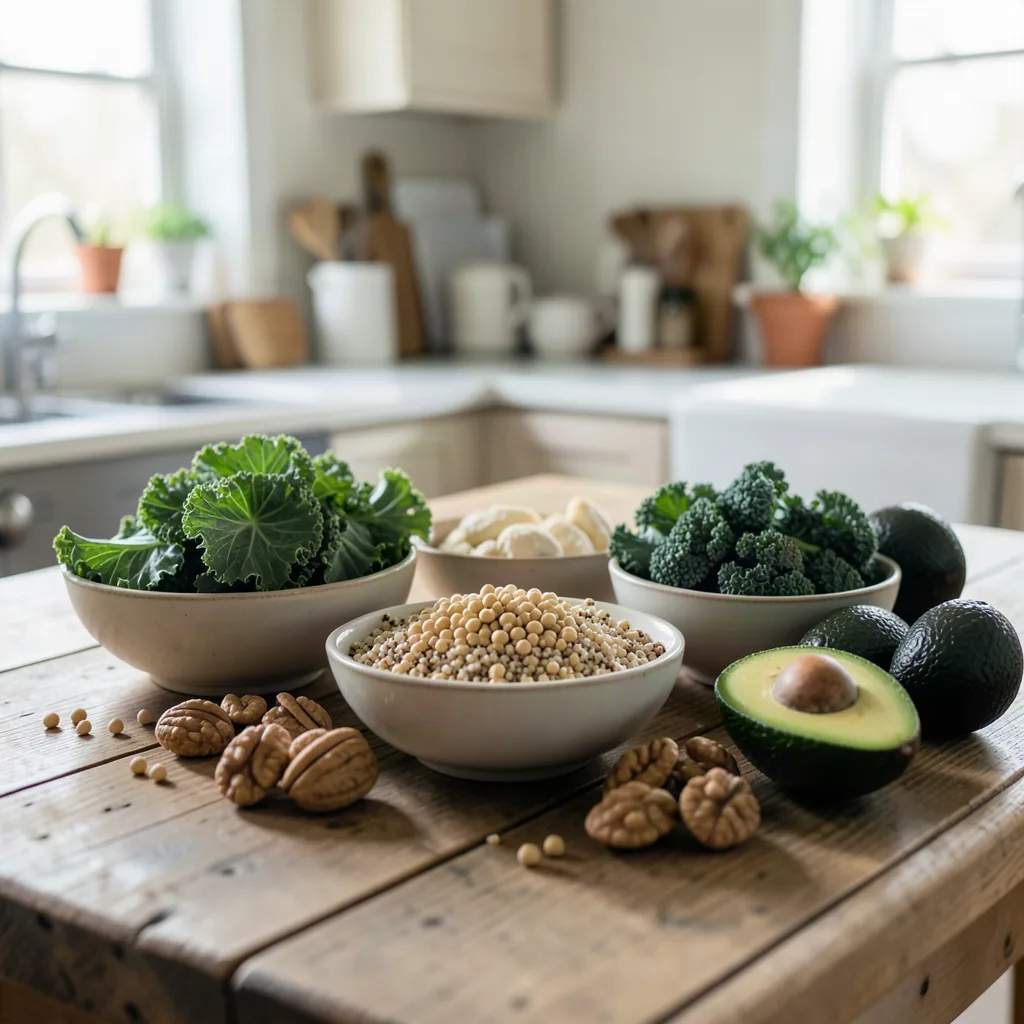
Transitioning to a plant-based diet is an empowering journey that opens up a world of vibrant flavors, textures, and nutritional diversity. Whether you are aiming to reduce your environmental footprint, improve your health markers, or simply explore new culinary horizons, the secret to success lies in your pantry. A well-stocked plant-based kitchen removes the friction of daily meal preparation and ensures you always have the building blocks for a satisfying, nutrient-dense meal.
The Foundation: Whole Grains and Pseudo-Cereals
Whole grains are the cornerstone of plant-based sustenance, providing complex carbohydrates for sustained energy and essential fiber for digestive health. Beyond the standard brown rice, diversifying your pantry with ancient grains adds texture and a higher protein profile to your meals. Quinoa, for instance, is a complete protein containing all nine essential amino acids, making it an excellent base for grain bowls. Farro offers a chewy, hearty texture that stands up well in soups and stews, while millet provides a light, fluffy alternative for breakfast porridges. When purchasing these items, opt for bulk bins to reduce packaging waste and choose organic varieties whenever possible to support soil health.
Legumes: The Protein Powerhouses
Legumes, including beans, lentils, and chickpeas, are the unsung heroes of the plant-based lifestyle. They are incredibly affordable, shelf-stable, and versatile. Lentils are particularly convenient because they do not require soaking and cook relatively quickly; red lentils break down beautifully into creamy dals, while green or black lentils hold their shape for salads. Chickpeas are essential for creating homemade hummus, roasting for a crunchy snack, or tossing into curries. If you are using canned legumes, ensure you rinse them thoroughly to reduce sodium content. Alternatively, cooking dried beans from scratch can be more economical and allows you to control the texture, which is ideal for batch cooking during the weekend.
Healthy Fats: Nuts, Seeds, and Nut Butters
Healthy fats are vital for nutrient absorption and satiety. In a plant-based diet, these fats are primarily sourced from nuts and seeds, which also offer a healthy dose of minerals like magnesium and zinc. Keep a variety of raw nuts on hand, such as walnuts for their omega-3 fatty acids, almonds for vitamin E, and cashews for their creamy consistency when blended. Seeds are equally important; chia seeds and flaxseeds are nutritional powerhouses that can be ground and used as egg replacements in baking or sprinkled over oatmeal for a boost of fiber. Always store nuts and seeds in a cool, dark place or the refrigerator to prevent the natural oils from going rancid.
Flavor Enhancers: Umami and Depth
One of the most common challenges for new plant-based eaters is recreating the savory depth found in meat-based dishes. This is where umami-rich ingredients become indispensable. Nutritional yeast is a staple for many, offering a cheesy, nutty flavor that works perfectly on popcorn, in pasta sauces, or stirred into mashed potatoes. Miso paste, a fermented soybean product, adds a complex, salty depth to salad dressings, glazes, and soups. Tamari or soy sauce provides the necessary saltiness, while dried mushrooms—specifically shiitake—can be rehydrated and used to infuse broths with an intense, earthy aroma that rivals any animal-based stock.
Versatile Aromatics and Fresh Produce
While the pantry provides the structure, fresh produce provides the vitality. Always keep a supply of foundational aromatics: onions, garlic, and ginger. These three ingredients form the flavor base for the vast majority of global cuisines. Beyond these, leafy greens such as kale, spinach, and Swiss chard should be regular fixtures in your refrigerator. These greens are packed with vitamins A, C, and K, and can be wilted into almost any dish. When buying produce, aim for seasonal variety, which ensures the highest nutrient density and supports local agricultural systems. If you find your greens wilting, blanch them quickly and freeze them for future use in smoothies or soups.
Plant-Based Dairy Alternatives
The landscape of plant-based dairy has evolved significantly, offering options that mimic the functionality of traditional dairy. For cooking and baking, unsweetened soy or oat milk are generally the most neutral and reliable choices due to their protein and fat content. Coconut milk, particularly the full-fat canned variety, is essential for creating rich, creamy curries or decadent desserts. For those who enjoy yogurt, coconut or almond-based yogurts are widely available, but always check the labels for added sugars. Learning to make your own nut milk at home—by blending soaked nuts with water and straining—is a simple way to avoid additives and reduce plastic waste.
Natural Sweeteners and Baking Staples
Baking without animal products requires a few specific adjustments, but it is entirely achievable with the right staples. Replace refined white sugar with more natural options like maple syrup, which provides a rich flavor, or Medjool dates, which can be blended into a paste to sweeten smoothies and baked goods naturally. For binding ingredients in recipes, keep flax meal (ground flaxseeds) and chia seeds on hand; when mixed with water, they create a “flax egg” that mimics the binding properties of poultry eggs. Additionally, keeping high-quality cocoa powder, almond flour, and coconut oil in your pantry ensures you can whip up a plant-based treat whenever the craving strikes.
Practical Meal Assembly Techniques
Having the ingredients is only half the battle; knowing how to assemble them is the other. A reliable strategy is the “formula” method: choose a grain, add a legume, include a variety of raw or cooked vegetables, and top it with a flavorful sauce or dressing. By mastering a few “mother sauces”—such as a tahini-lemon dressing, a creamy cashew-based Alfredo, or a spicy peanut sauce—you can transform the same basic ingredients into entirely different meals throughout the week. This approach reduces decision fatigue and keeps your plant-based diet exciting and sustainable for the long term.
Mastering High-Protein Fermented Soy: Tofu, Tempeh, and Natto
Moving beyond basic pantry staples, fermented soy products offer a unique nutritional and textural profile that adds significant substance to plant-based meals. Tofu, available in textures ranging from silken to extra-firm, acts as a culinary chameleon. To maximize its potential, press your tofu for at least 20 minutes to remove excess water; this allows the curd to absorb marinades like a sponge. For a “meaty” texture, try freezing blocks of extra-firm tofu, then thawing them—this process creates a porous, chewy structure that mimics chicken or pork. Tempeh, a fermented cake of whole soybeans, offers a nutty, earthy flavor and superior fiber content. Because it can sometimes have a slightly bitter edge, steaming your tempeh for ten minutes before pan-searing or baking it helps mellow the flavor and ensures it remains moist. For the adventurous, natto provides an intense, probiotic-rich experience; while its stringy texture is polarizing, it is a staple for gut health in many traditional diets.
The Role of Acid and Brightness: Vinegar and Citrus
If a dish tastes “flat” despite being well-seasoned with salt and fat, it is likely missing acid. Acid is the secret weapon that cuts through the heaviness of plant-based fats and provides a necessary contrast to the natural sweetness of root vegetables. Stock your kitchen with a variety of vinegars: apple cider vinegar for its fruitiness, rice vinegar for its delicate profile in Asian-inspired dishes, and balsamic or sherry vinegar for deep, complex glazes. Beyond vinegar, keep fresh lemons and limes on hand at all times. A squeeze of citrus just before serving a bowl of chili or a lentil soup can “wake up” the ingredients, highlighting the natural flavors of the produce. For a more sophisticated touch, try using pickled components—such as quick-pickled red onions or lacto-fermented vegetables—which add a crunchy, acidic punch that elevates simple grain bowls into restaurant-quality meals.
Textural Contrast: The Importance of the “Crunch” Factor
A common critique of plant-based cooking is that it can become too soft or uniform in texture. To counter this, intentional texture layering is essential. Think of your meal in terms of soft, chewy, and crunchy components. Incorporate toasted seeds like pepitas or sunflower seeds, which offer a satisfying snap. Nuts can be lightly toasted in a dry pan to release their aromatic oils, then crushed over salads or roasted vegetables. For an even more dramatic crunch, experiment with roasted chickpeas or even crispy fried shallots. Another often-overlooked technique is the use of raw, julienned vegetables—such as carrots, radishes, or kohlrabi—added as a finishing layer to hot, cooked dishes. This contrast between the steaming base and the crisp, cold topping adds a sensory complexity that keeps the palate engaged throughout the entire meal.
Strategic Spice Blending and Toasted Aromatics
Generic spice racks often collect dust, but active spice management is what separates a bland meal from a memorable one. Instead of relying on pre-mixed blends, learn to toast your whole spices—like cumin seeds, coriander, or mustard seeds—in a dry pan until they become fragrant before grinding them. This process releases essential oils that pre-ground powders have long lost. Furthermore, understand the concept of the “tadka” or “tempering” used in Indian cooking: by briefly frying spices in a small amount of oil or vegan butter, you infuse the fat with flavor, which then coats the entire dish. Don’t be afraid to experiment with heat, either. Dried chili flakes, smoked paprika, or harissa paste provide a foundational warmth that helps bridge the gap between simple vegetables and a satisfying, cohesive dish.
Hydrocolloids and Thickeners: Beyond Cornstarch
While cornstarch and flour are standard thickening agents, a plant-based pantry can benefit from more advanced natural thickeners that improve the mouthfeel of sauces and soups. Arrowroot powder is a superior thickener for acidic sauces, as it remains stable and creates a glossy, clear finish rather than a cloudy one. For creamy, emulsified sauces, consider using blended silken tofu or soaked cashews; these act as heavy cream replacements, providing body and a neutral flavor base. Xanthan gum, used sparingly, is a game-changer for gluten-free plant-based baking, helping to provide the elasticity that eggs would typically provide. Additionally, reducing vegetable or mushroom stock down to a glaze can provide a natural, sticky thickness that coats roasted vegetables perfectly, eliminating the need for processed additives or excessive flour.
The Art of “Batch-Prep” Sauce and Condiment Storage
The difference between a frantic weeknight meal and a smooth one often comes down to your “sauce inventory.” Dedicate time during your meal prep to create three distinct sauces that can be stored in glass jars in the refrigerator. A classic green herb chimichurri (parsley, garlic, oil, vinegar) can be spooned over roasted tofu or grains. A tahini-based dressing (tahini, lemon, maple, garlic) serves as a creamy, savory anchor for salads or warm roasted roots. A spicy peanut or almond butter sauce provides a rich, satisfying element for noodle dishes or vegetable stir-fries. By keeping these flavor bombs ready, you remove the need to think about seasoning at the end of a long day. Label your jars with the date, and treat these condiments as the primary way you “season” your bulk-cooked grains and legumes, ensuring that even if you eat similar base ingredients multiple days in a row, the flavor profile remains distinct and exciting.
Integrating Sea Vegetables for Minerals and Depth
Often relegated to sushi rolls, sea vegetables like nori, dulse, and wakame are nutritional powerhouses that deserve a place in the general plant-based pantry. They are one of the best plant-based sources of iodine and provide an incredible oceanic, savory depth that is difficult to replicate with land plants. Crumble dried nori sheets over a bowl of rice or popcorn for a subtle salty hit. Use rehydrated wakame in miso soups or add it to cold cucumber salads for a refreshing, mineral-rich bite. Dulse flakes, sometimes called “vegan bacon” due to their smoky, salty profile when pan-fried, can be sprinkled over avocado toast or stirred into pasta sauces to add a hidden layer of complexity. These ingredients are shelf-stable, lightweight, and offer a unique nutritional density that complements the land-based staples of grains and beans, effectively rounding out the nutrient profile of your daily diet.
Frequently Asked Questions
How do I ensure I get enough protein on a plant-based diet? Protein is abundant in plant foods. By consuming a variety of legumes, whole grains, nuts, seeds, and soy products like tofu and tempeh, you can easily meet your daily protein requirements. Combining different plant sources throughout the day ensures you get a complete amino acid profile.
Are organic ingredients necessary for a plant-based diet? While organic produce is often preferred to reduce exposure to synthetic pesticides, it is not strictly necessary for a healthy plant-based diet. Prioritize your budget by following the Environmental Working Group’s “Dirty Dozen” list to identify which produce items are most important to buy organic.
How can I make plant-based meals more affordable? Buying in bulk is the most effective way to save money. Dry grains, beans, and lentils are significantly cheaper than canned versions. Additionally, eating seasonally and focusing on whole foods rather than expensive processed meat alternatives will drastically lower your grocery bill.
Can I still enjoy traditional comfort foods? Absolutely. Most comfort foods can be successfully veganized. From lentil shepherd’s pie and chickpea “tuna” salad to cashew-based mac and cheese, there are plant-based versions of almost every classic dish that maintain the satisfying, comforting qualities you love.
How do I handle social situations and dining out? Navigating social settings becomes easier with practice. When dining out, scan the menu for vegetable-forward dishes or ethnic cuisines like Indian, Thai, or Mediterranean, which naturally feature many plant-based options. Always feel comfortable asking your server if a dish can be prepared without cheese, butter, or meat.
Related posts:
 High-Protein Foods That Pack a Serious Nutritional Punch
 Starbucks Ventures into Vegan Overnight Grains
 Make-Ahead Vegan Savory Breakfast Jars
 Proper Tofu Storage Tips
 Vegan vs Plant-Based: Which is Healthier?
 Essential Vegan Pantry Staples Every Plant-Based Kitchen Needs
 Beyond Breakfast: The Plant-Based Sausage That’s Changing the Morning Game
 Essential Healthy Grocery List