
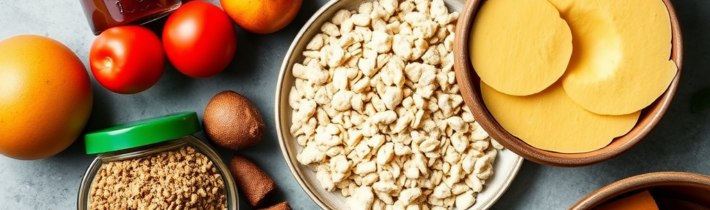
Building a well-stocked vegan pantry is one of the most practical steps you can take to make plant-based cooking easier, faster, and more enjoyable. Whether you’re new to veganism or have been eating plant-based for years, having the right staples on hand transforms how you approach meal planning and preparation. A thoughtfully organized pantry means you can create satisfying meals without constant shopping trips, reduce food waste, and develop the confidence to cook intuitively rather than always following recipes.
The difference between a frustrating vegan cooking experience and an empowering one often comes down to preparation. When your pantry is stocked with versatile, nutrient-dense ingredients, you’re equipped to handle busy weeknights, unexpected guests, and creative cooking moods. This guide covers the essential items that form the foundation of plant-based cooking, organized by category and explained in practical terms so you understand not just what to buy, but why these items matter and how to use them effectively.
Legumes and Pulses: The Protein Foundation
Legumes are the backbone of vegan protein intake and deserve prime real estate in your pantry. Dried beans, lentils, and peas offer exceptional nutritional value, cost-effectiveness, and versatility. Keep a variety on hand: black beans for tacos and grain bowls, chickpeas for curries and salads, lentils in multiple colors (brown, green, red) for different cooking times and textures, and split peas for soups.
Canned legumes are equally valuable despite being more expensive than dried options. They eliminate cooking time and are indispensable for nights when you need dinner ready in under thirty minutes. Store a selection of canned black beans, chickpeas, kidney beans, and white beans. Choose brands with no added salt when possible, or rinse canned beans thoroughly to reduce sodium content.
Beyond common varieties, consider keeping specialty legumes like adzuki beans, cannellini beans, and pinto beans. Each brings different flavor profiles and textures to your cooking. Lentil varieties deserve special attention: red lentils break down quickly for creamy soups and curries, while green and brown lentils hold their shape better in salads and grain dishes. A well-stocked legume collection means you can shift between cuisines easily, from Italian pasta e fagioli to Indian dal to Middle Eastern hummus.
Whole Grains and Starches: Sustained Energy
Whole grains provide sustained energy, fiber, and important micronutrients that refined grains lack. Essential grains for a vegan pantry include brown rice, quinoa, oats, barley, farro, and millet. Each offers different nutritional profiles and culinary applications. Brown rice is versatile and economical; quinoa is protein-rich and cooks quickly; oats work for breakfast and baking; and ancient grains like farro and barley add complexity to salads and soups.
Pasta made from whole wheat, legumes, or vegetables should occupy a prominent shelf. Chickpea pasta, lentil pasta, and black bean pasta offer higher protein content than traditional wheat pasta and create more satisfying meals. Regular whole wheat pasta remains a reliable staple for everyday cooking. Consider keeping specialty pastas like spelt or kamut on hand for variety and different flavor experiences.
Don’t overlook humble starches like potatoes, sweet potatoes, and regular rice. Though technically fresh produce or pantry staples depending on your storage setup, these foods combine affordably with legumes and vegetables to create complete, satisfying meals. Polenta, couscous, and bulgur add variety to your grain rotation and cook quickly for busy evenings.
Oils, Vinegars, and Condiments: Building Flavor
Quality oils are essential for both cooking and flavor development. Extra virgin olive oil is indispensable for dressings, finishing dishes, and lower-heat cooking. Refined coconut oil works well for higher-heat cooking and baking. Keep a neutral oil like safflower or sunflower oil on hand for situations where oil flavor shouldn’t dominate. Some cooks also keep toasted sesame oil for Asian-inspired dishes, though this is used in smaller quantities as a flavor enhancer rather than a primary cooking oil.
Vinegars transform simple dishes into complex, layered meals. Stock at least two types: balsamic vinegar for dressings and glazes, and apple cider vinegar for both cooking and potential health applications. Rice vinegar is excellent for Asian cuisine, and red wine vinegar adds depth to Mediterranean dishes. A small bottle of umami-rich brown rice vinegar or sherry vinegar rounds out your collection.
Condiments extend your cooking repertoire significantly. Soy sauce or tamari (gluten-free soy sauce) adds savory depth to stir-fries, marinades, and soups. Miso paste, available in white, red, or brown varieties, brings fermented complexity to dressings, soups, and marinades. Hot sauce, whether store-bought or homemade, adds heat and personality. Nutritional yeast provides cheesy flavor and B vitamins. Tahini (sesame paste) is fundamental for hummus, dressings, and Middle Eastern cooking.
Nuts, Seeds, and Nut Butters: Density and Nutrition
Nuts and seeds provide healthy fats, protein, minerals, and satisfying texture. Keep raw almonds, cashews, walnuts, and pumpkin seeds on hand. Raw cashews are particularly useful because they blend into creamy sauces, mylk alternatives, and desserts. Flax seeds and chia seeds add nutritional density to smoothies, oatmeal, and baked goods. Sunflower seeds work as snacks or salad toppers. Sesame seeds add texture and nutrition.
Nut and seed butters are convenient protein sources and flavor builders. Almond butter and peanut butter are obvious choices, but also explore tahini (sesame seed butter), sunflower seed butter, and cashew butter. These work in both savory and sweet applications. Store nut butters in a cool location, as the oils can become rancid over time. Natural nut butters without added oils or sugar align better with whole-food plant-based eating principles.
Coconut products deserve special mention. Coconut milk (canned, full-fat) creates creamy curries and soups; light coconut milk offers lower fat options. Shredded coconut (unsweetened) adds texture to baking and savory dishes. Coconut oil serves cooking and baking needs. These tropical staples expand your cuisine options considerably.
Dried Fruits and Sweeteners: Natural Sweetness
Dried fruits add natural sweetness without refined sugar. Dates are particularly useful as they blend into smoothies, energy balls, and sauces or can be eaten as simple snacks. Raisins, dried apricots, dried cranberries, and dried figs work in both sweet and savory dishes. A small amount of dried fruit goes far nutritionally and satisfies sweet cravings while adding fiber and minerals.
Sweeteners for vegan cooking deserve thoughtful consideration. Maple syrup works for baking and drizzling. Coconut sugar offers a lower glycemic index alternative. Agave nectar dissolves easily in cold beverages. Blackstrap molasses adds iron and minerals alongside its deep flavor. While vegan diets don’t require less sugar than any other diet, choosing less processed sweeteners ensures your pantry staples align with overall nutritional goals. Some cooks prefer keeping a small amount of refined sugar or cane sugar for specific baking applications, and that’s perfectly reasonable.
Spices and Dried Herbs: Flavor Magic
Spices transform simple ingredients into memorable meals and are probably the most impactful category for expanding your cooking confidence. Essential warm spices include cinnamon, cumin, coriander, turmeric, and paprika. Garlic powder, onion powder, and black pepper are daily workhorses. Chili powder, cayenne, and red pepper flakes add heat. Dried oregano, basil, thyme, and rosemary form the foundation of Mediterranean cooking.
Go beyond basics with ginger powder, nutmeg, cloves, allspice, and cardamom. These spices open doors to global cuisine. Curry powder or garam masala blend enables Indian-inspired cooking. Ground mustard seed, fennel seeds, and dried dill add specificity to different dishes. The investment in good-quality spices pays dividends in how engaging and delicious your cooking becomes.
Fresh herbs are wonderful, but dried herbs occupy your pantry year-round. Buy spices and dried herbs in smaller quantities from bulk sections when possible, as their flavor diminishes over time. Store them in airtight containers away from direct light and heat. Replacing spices every 12-18 months keeps your food tasting its best.
Flours and Baking Essentials: Foundation for Baked Goods
Vegan baking relies on understanding flour options and appropriate leavening agents. All-purpose flour remains useful for many baking projects. Whole wheat flour adds nutrition and deeper flavor. Specialty flours like spelt, kamut, or einkorn offer different flavor profiles and may work better for people with certain sensitivities. Almond flour and coconut flour enable grain-free baking for those who choose it.
Baking powder and baking soda create lift in cakes, cookies, and quick breads. Baking powder should be aluminum-free for better taste. Cornstarch thickens sauces and functions as a component in baked goods. Arrowroot powder serves similar functions with a lighter result. Psyllium husk powder improves texture in vegan baking, mimicking how eggs create binding and structure.
Xanthan gum works magic in gluten-free baking and adds body to sauces. A small amount goes very far, so one package lasts months. Vegan baking often requires both a binder (applesauce, mashed banana, ground flax, or aquafaba) and a leavening agent for successful results, making understanding your pantry essentials even more valuable.
Plant-Based Proteins and Meat Alternatives: Convenience Items
Depending on your cooking style and time availability, certain processed plant-based items offer practical value. Tofu, whether silken or firm, deserves pantry consideration if you have appropriate storage. Tempeh, made from fermented soybeans, offers a heartier texture and nutty flavor. Textured vegetable protein (TVP), made from defatted soy flour, rehydrates quickly for chilis, tacos, and Bolognese-style sauces.
Beyond soy-based products, some cooks keep packaged meat alternatives from brands like Beyond Meat or Impossible Foods for convenience, though these are processed and not essential for a healthy vegan diet. Seitan, made from wheat gluten, offers a meat-like texture and high protein content. Nutritional yeast, mentioned earlier, doubles as a protein source alongside its cheesy flavor contribution.
These items serve practical purposes on busy nights or when you want familiar flavors and textures. They’re not necessary foundations of plant-based eating, but they can support sustainability by making vegan cooking feel convenient and satisfying.
Canned and Boxed Vegetables: Convenience and Nutrition
Canned tomatoes are arguably as important as dried legumes for vegan cooking. Keep diced tomatoes, crushed tomatoes, and tomato paste on hand for pasta sauces, curries, and soups. Canned vegetables like corn, carrots, peas, and green beans provide nutrition and convenience. Canned mushrooms add earthiness to quick meals. Artichoke hearts, whether canned or jarred, transform salads and grain bowls.
Boxed vegetable broths provide convenient flavor bases for soups and grains. Vegetable bouillon cubes or powder concentrate flavor in small volumes. Sun-dried tomatoes, whether oil-packed or loose, add concentrated tomato flavor to dressings, pasta, and Mediterranean dishes. These shelf-stable items eliminate excuses for not having flavorful bases for your meals.
Don’t overlook canned coconut milk variations, coconut water, or even canned pumpkin (outside season). Canned fruits like canned pineapple, canned peaches, or canned berries enable smoothies and desserts year-round. These convenience items, combined with fresh produce from your regular shopping, create a balanced approach to plant-based eating that doesn’t require constant access to specialized markets.
Building Flavor Layers with Aromatics and Umami Boosters
Beyond individual condiments, understanding how to layer umami and aromatic depth transforms basic pantry ingredients into restaurant-quality meals. While the existing article mentions soy sauce, miso, and nutritional yeast individually, the strategic combination of these items creates complexity that satisfies even skeptical eaters. Keep a small collection of umami-rich pastes and powders: white miso for delicate soups and dressings, red miso for heartier applications, and darker brown miso for intense, savory depth. A single teaspoon of miso paste dissolved into broth or sauce adds savory richness that hours of simmering alone cannot achieve.
Umeboshi paste (Japanese pickled plum) offers a lesser-known but powerful pantry tool—a small amount adds tangy, salty depth to grain bowls and dressings with minimal calories. Liquid smoke, used sparingly, mimics the complexity of barbecued or grilled foods without requiring special equipment. Kalamata olives or other brined olives contribute Mediterranean umami to pastas and salads. Keep a bottle of good-quality soy sauce separate from cooking soy sauce; premium soy sauce used as a finishing condiment tastes noticeably different from cooking varieties and justifies its higher cost.
Worcestershire sauce (ensure it’s vegan) adds surprising depth to soups, stews, and even desserts. Fish sauce substitutes made from kelp or mushrooms offer similar umami profiles for Southeast Asian cooking. These concentrated flavor sources mean you can create satisfying depth without relying on processed meat alternatives or excessive salt, making your cooking both healthier and more nuanced.
Chocolate, Cacao, and Specialty Baking Ingredients
Vegan baking and cooking benefit from thoughtful chocolate and cacao selection beyond what basic baking essentials cover. High-quality dark chocolate (70% cacao or higher) works for both eating and melting into ganaches, frostings, and baking batters. Keep both unsweetened cocoa powder and Dutch-process cocoa powder—they produce different flavors and browning reactions in baked goods. Unsweetened cocoa powder offers more pronounced chocolate flavor, while Dutch-process creates deeper color and slightly smoother taste.
Raw cacao powder and cacao nibs deserve pantry space for those interested in plant-based nutrition and maximum antioxidant content. These products taste noticeably more bitter than processed cocoa and work best in smoothies, energy balls, or recipes specifically designed around their intensity. Cacao butter, the fat extracted from cacao beans, enables luxurious homemade chocolate making and creates smooth textures in baking.
For specialized baking, keep vegan chocolate chips (watch for hidden non-vegan ingredients like whey or honey in some brands) and cacao-based vegan baking chocolate. Aquafaba powder, made from dehydrated chickpea liquid, offers another baking option for creating meringues, mousses, and airy baked goods. Cacao-based products pair beautifully with plant-based milk alternatives, creating rich hot chocolate and chocolate beverages that feel indulgent without dairy.
Sea Vegetables and Iodine-Rich Pantry Items
Vegan diets sometimes lack adequate iodine without intentional pantry planning, since iodine content in plant foods depends on soil iodine levels. While iodized salt addresses this, seaweeds offer additional iodine alongside other minerals and subtle umami flavors. Nori sheets, primarily used for sushi, also tear into salads, rice bowls, and soups for mineral content and oceanic flavor depth. Wakame, a milder seaweed, rehydrates quickly in soups or salads. Kombu, used to flavor broths, imparts mineral richness that store-bought vegetable broth cannot match.
Kelp powder or dried kelp offers a convenient way to incorporate seaweed’s nutritional benefits without changing dish texture significantly. A small sprinkle of kelp powder in soups, grains, or bean dishes increases iodine, calcium, and trace mineral content invisibly. These items work particularly well for vegans who feel uncertain about B12 and iodine supplementation; while supplements remain reliable, whole-food sources provide additional minerals and phytonutrients.
Dulse flakes, another seaweed variety, taste slightly salty and smoky, working as a seasoning replacement in some applications. Spirulina powder, a blue-green algae, offers protein and B vitamins (though not reliable B12 in vegan-appropriate forms) for smoothies and plant-based milk alternatives. These sea vegetables require smaller quantities than land-based vegetables, making a single package last months while providing measurable nutritional benefits.
Alternative Grains and Pseudo-Cereals for Dietary Variety
Beyond the basic whole grains mentioned in the existing article, lesser-known grains and pseudo-cereals deserve pantry consideration for both nutritional diversity and cooking interest. Teff, a tiny grain from Ethiopia, cooks quickly and creates a subtly sweet, earthy flavor in grain salads or breakfast porridges. Amaranth pops like popcorn when heated, creating a light breakfast cereal, or cooks into porridge with a slightly nutty, mineral flavor. Sorghum offers gluten-free whole grain benefits with a mild, slightly sweet taste suitable for both savory and sweet applications.
Buckwheat, despite its misleading name, is gluten-free and unrelated to wheat. Toasted buckwheat groats create a hearty, earthy grain base; buckwheat flour works for pancakes and quick breads with distinct flavor. Millet, often overlooked in Western cooking, offers a creamy texture when cooked and works beautifully in savory grain bowls or as a neutral base for strong-flavored ingredients.
Freekeh, green wheat harvested and dried while immature, provides a chewy, nutty grain with higher protein than white rice and more complex flavor than brown rice. Einkorn and spelt, ancient wheat varieties, offer different nutritional profiles and flavor characteristics than modern wheat, appealing to cooks interested in heritage grains. Wild rice, technically a grass seed rather than true rice, provides chewy texture and earthiness alongside higher protein content. These alternatives prevent grain fatigue and ensure nutritional variety across your plant-based diet.
Fermented and Cultured Foods for Gut Health
While fermented foods aren’t traditionally considered pantry staples in the way legumes and grains are, keeping shelf-stable fermented options available supports digestive health and adds probiotic diversity. Miso paste and tempeh (covered in the existing article) represent fermented soy options, but expanding beyond soy-based fermentation offers additional benefits. Coconut yogurt, available shelf-stable in many markets, provides probiotics without refrigeration until opened. Nutritional yeast, mentioned earlier, contains beneficial compounds from its fermentation process.
Sauerkraut and kimchi, if purchased shelf-stable or lacto-fermented, contribute probiotics and enzymes supporting digestion. Kombucha, a fermented tea, offers another probiotic-rich option, though quality varies between brands and some contain added sugars obscuring their healthfulness. Rejuvelac, sprouted grain water, provides live enzymes and nutrients when made fresh but stores in refrigerated form.
Vegan kefir made from coconut water or plant-based milk bases offers probiotic density comparable to dairy kefir. Purchasing small quantities of quality fermented foods regularly rather than stocking large quantities ensures you benefit from their probiotic content, as beneficial bacteria populations decline over time even in shelf-stable products. These items complement whole plant foods but shouldn’t replace diverse vegetables, fruits, legumes, and grains as your primary source of digestive health support.
Ethnic and International Specialty Ingredients
Expanding your pantry beyond Western staples opens cooking possibilities and prevents recipe repetition. Mexican pantries benefit from dried chiles (ancho, guajillo, chipotle), epazote (a pungent herb), and Mexican oregano (distinctly different from Mediterranean oregano). Access to these items transforms bean dishes and salsas from generic to authentically flavored. Maseca, corn flour for tortillas, enables fresh tortilla making when combined with water and salt.
Asian pantries expand with items like fish sauce alternatives for Vietnamese cuisine, Chinese black vinegar for depth beyond standard vinegars, and various rice wine vinegars. Korean gochujang (red chili paste) and gochugaru (chili flakes) create distinct spice profiles different from generic chili powder. Japanese ingredients like mirin substitutes (or actual plant-based mirin), panko breadcrumbs, and various soy sauce varieties expand Asian cooking options significantly.
Indian pantries benefit from asafetida (hing), which adds complexity to dal and other legume dishes with unique sulfurous aromatics. Black salt (kala namak) provides egg-like flavor to tofu scrambles and salads. Kasuri methi (dried fenugreek leaves) adds subtle bitterness to breads and legume dishes. Middle Eastern pantries are enhanced by sumac (tangy, lemony spice), za’atar blends, and pomegranate molasses. African pantries benefit from African bird’s eye chiles, peanut powder, and specific varieties of rice. Stocking even 2-3 items specific to your favorite cuisine transforms your cooking from generic plant-based to regionally authentic.
Specialty Oils and Their Distinct Applications
While the existing article mentions olive, coconut, and neutral oils, understanding specialty oils and their specific uses elevates your pantry functionality. Avocado oil, high in monounsaturated fats and with a high smoke point, works beautifully for high-heat cooking and finishing dishes with grassy, subtle flavor. Walnut oil, rich and nutty, works best as a finishing oil for salads and grain bowls rather than cooking oil. Hazelnut oil offers similar finishing applications with different flavor profiles.
Hemp seed oil, rich in omega-3 fatty acids, shouldn’t be heated but works wonderfully drizzled over finished dishes or whisked into dressings. Flax oil offers similar omega-3 benefits with milder flavor. Pumpkin seed oil, dark green and intensely nutty, transforms simple soups and salads with minimal quantity. These specialty oils require cool storage and careful attention to expiration dates, as their delicate compositions spoil faster than refined oils.
Grapeseed oil offers a neutral profile with high smoke point suitable for high-heat cooking without the heaviness of coconut oil. Refined vs. unrefined versions of oils like sesame or coconut affect their smoke points and flavor intensity—refined versions tolerate higher temperatures while unrefined versions offer more pronounced flavor. Maintaining multiple oils requires pantry space but enables cooking techniques and flavor combinations impossible with just 2-3 basic oils, making your cooking more adaptable to different recipes and cuisines.
Frequently Asked Questions
How should I organize my vegan pantry for maximum efficiency?
Group items by category: legumes together, grains together, spices together, and so on. Use clear containers for dry goods so you can see when supplies run low. Label everything with purchase dates, especially for spices and oils which degrade over time. Consider a simple inventory list on your phone or refrigerator so you know what you have while shopping. Store heavier items on lower shelves and frequently used items at eye level. Keep oils, nut butters, and other items prone to rancidity in cool, dark locations, away from direct sunlight and heat sources.
What are the best strategies for buying a vegan pantry on a budget?
Buy dried legumes and grains in bulk from your local food co-op or bulk bins rather than pre-packaged varieties. These options typically cost significantly less than branded products. Buy seasonal produce and freeze or preserve it yourself. Opt for store brands rather than name brands for basic items. Focus your budget on whole foods rather than processed meat alternatives. Buy nuts and seeds from bulk sections rather than pre-packaged bags. Stock spices from bulk sections too, purchasing only the quantity you’ll use within 12-18 months rather than large containers that lose potency. Canned goods go on sale frequently—stock up during sales on items you use regularly.
How long do pantry staples typically last, and how do I store them properly?
Dried legumes and grains last 6-12 months in cool, dry conditions. Oils last longest when stored in cool, dark locations, though nut oils go rancid faster than other varieties. Spices peak within 12-18 months but remain usable longer, just with diminished flavor. Nuts and seeds, high in oils, last 3-6 months before potentially going rancid—refrigerator or freezer storage extends this. Canned goods last 2-5 years depending on the product. Nut butters last several months at room temperature, longer refrigerated. Store everything in airtight containers to protect from air exposure and humidity. Label everything with purchase dates. Check expiration dates on packaged items before use.
What pantry staples are most important for beginners just starting vegan cooking?
Start with dried and canned legumes (beans, lentils, chickpeas), rice, whole grain pasta, canned tomatoes, olive oil, salt, and basic spices like garlic powder, cumin, paprika, and oregano. Add a nut butter (almond or peanut), soy sauce or tamari, and nutritional yeast. These minimal basics let you create dozens of satisfying meals while you build confidence and explore what you enjoy. Add specialty items gradually as you develop favorite cuisines and cooking techniques. Don’t overwhelm yourself with every option at once—start simple and expand based on what you actually cook.
Are there any pantry staples I should prioritize for nutritional completeness?
Prioritize legumes and whole grains for protein and fiber. Include seeds (especially flax, hemp, or chia) for omega-3 fatty acids and minerals. Stock nutritional yeast or fortified plant-based milk for B vitamins, particularly B12 (though most vegans take a B12 supplement regardless). Include iodized salt or seaweed for iodine. Have a variety of colorful foods—canned tomatoes, different legumes, different grains—to ensure diverse micronutrient intake. Don’t stress about perfection; eating a variety of whole plant foods ensures you’re getting essential nutrients. If you’re concerned about specific nutrients, consult with a registered dietitian familiar with plant-based nutrition.