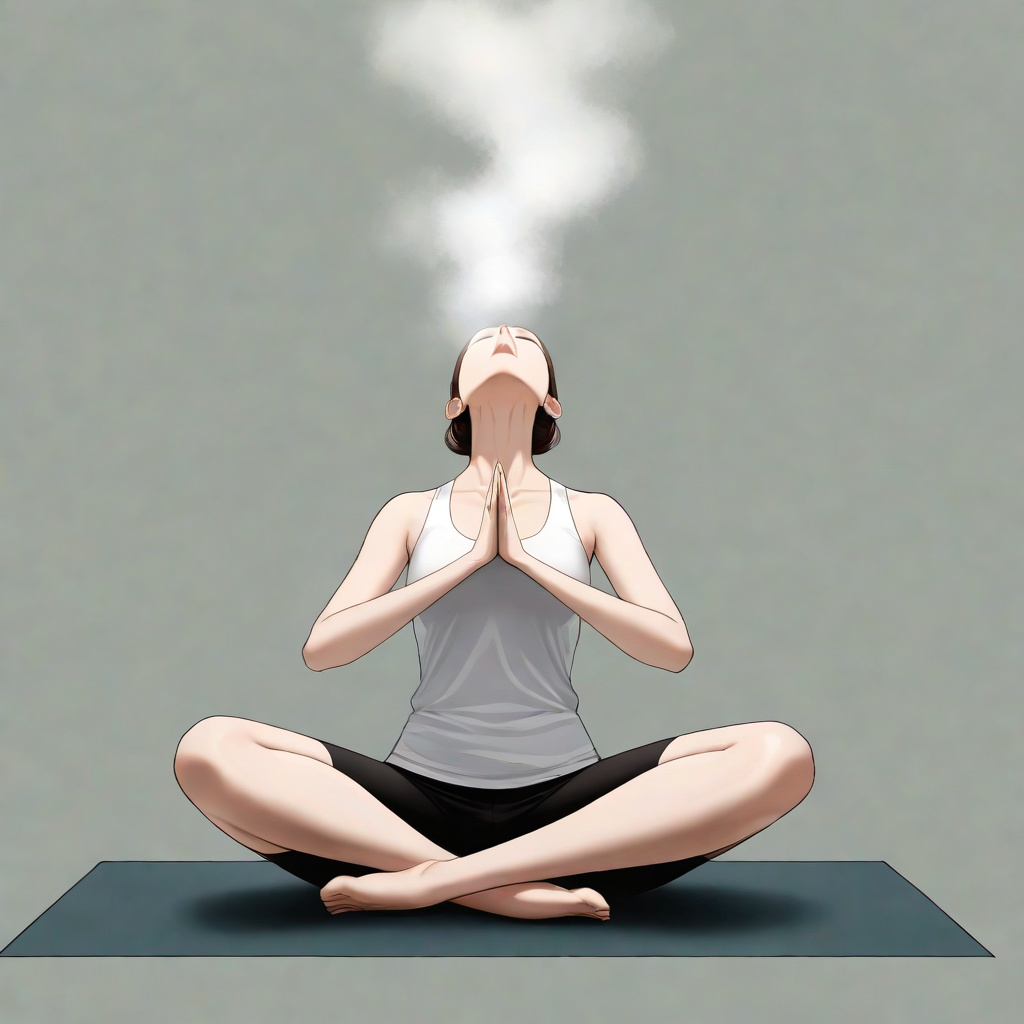
Breathing is the most fundamental human function, yet most of us spend our lives engaging in shallow, restricted respiration that limits our physical energy and mental clarity. In the practice of yoga, breath is known as prana—the vital life force that animates the body. By learning to consciously control the rhythm and depth of your inhalation and exhalation, you can shift your nervous system from a state of chronic stress to one of profound restoration. This guide explores the essential techniques of yoga breathing, providing you with the tools to cultivate calm, increase stamina, and improve overall well-being.
Understanding the Anatomy of Conscious Breath
To master yoga breathing, one must first understand how the body moves during respiration. The diaphragm, a dome-shaped muscle located at the base of the lungs, is the primary engine of breath. When you inhale, the diaphragm contracts and moves downward, creating space for the lungs to expand. When you exhale, it relaxes and moves upward, pushing air out. Many people fall into the habit of “chest breathing,” where the shoulders rise and the breath remains shallow. This triggers the sympathetic nervous system, keeping the body in a state of fight-or-flight. Diaphragmatic breathing, or belly breathing, encourages the parasympathetic nervous system to activate, signaling the body to rest and digest.
The Foundation: Dirga Pranayama (Three-Part Breath)
Dirga Pranayama, or the Three-Part Breath, is the cornerstone of all yogic breathing exercises. It teaches you to fill the lungs completely by dividing the torso into three sections: the belly, the rib cage, and the upper chest. To practice this, lie on your back with one hand on your belly and the other on your chest. As you inhale, feel your belly rise first, then your ribs expand outward, and finally, your upper chest lift toward your collarbones. On the exhale, release the air in the reverse order: chest, ribs, then belly. Practicing this for five minutes daily creates a baseline of awareness that makes more complex techniques much easier to learn.
Ujjayi: The Victorious Breath
Ujjayi breathing is perhaps the most recognizable technique in modern yoga classes. Often called “Ocean Breath,” it involves a slight constriction at the back of the throat, creating a soft, audible sound similar to the waves of the ocean or the sound of the wind through trees. This constriction increases internal heat and creates a rhythmic focus that anchors the mind during movement. To practice Ujjayi, inhale and exhale through your nose while narrowing the glottis—the same motion you would use to fog up a mirror, but with your mouth closed. This technique is excellent for maintaining focus during challenging physical poses and can be used to regulate your heart rate during intense activity.
Nadi Shodhana: Balancing the Nervous System
Nadi Shodhana, or Alternate Nostril Breathing, is a powerful tool for balancing the left and right hemispheres of the brain. The theory behind this practice is that it clears the energy channels (nadis) within the body. Sit in a comfortable position and use your right thumb to close your right nostril. Inhale slowly through the left. At the peak of your inhalation, close the left nostril with your ring finger, release the right, and exhale through the right side. Inhale through the right, then close it and exhale through the left. This cycle constitutes one round. Aim for 5 to 10 rounds to experience a noticeable sense of equilibrium and mental stabilization, especially during periods of high anxiety or mental fatigue.
Kapalabhati: The Shining Skull Breath
Kapalabhati is a cleansing technique known for its energizing properties. Unlike most yoga breathing that focuses on slow, controlled rhythms, Kapalabhati involves sharp, forceful exhalations followed by passive inhalations. This is an active abdominal exercise; as you exhale forcefully through the nose, pull your navel toward your spine. The inhalation happens automatically as you relax the belly. This technique generates significant internal heat and is traditionally used to clear the respiratory passages and sharpen the mind. It is best practiced in the morning on an empty stomach to boost alertness, but should be avoided if you have high blood pressure or are pregnant.
Sitali: The Cooling Breath
In contrast to the heat-building nature of Kapalabhati, Sitali is designed to cool the body and calm the mind. If you are feeling overheated, irritable, or stressed, Sitali can provide immediate relief. To practice this, curl your tongue into a tube shape by bringing the outer edges together. If you cannot curl your tongue, simply press your tongue against your teeth with your lips parted. Inhale deeply through the tube of your tongue, feeling the cool air pass into your system. Close your mouth and exhale slowly through your nose. Repeat this for 10 to 15 breaths. This technique is particularly useful during hot summer months or after a strenuous workout when you need to bring your body temperature down.
Integrating Breath into Your Daily Routine
The true power of yoga breathing lies in its integration into daily life, not just its performance on a yoga mat. You can practice breath awareness while sitting in traffic, waiting in line at the grocery store, or preparing for a presentation at work. The goal is to move away from unconscious, shallow breathing and toward a lifestyle of intentional respiration. Start by setting a reminder on your phone for three times a day to take ten conscious, deep, diaphragmatic breaths. Over time, this becomes your default breathing pattern, leading to improved posture, better digestion, and a more resilient response to the stressors of modern life.
Safety and Mindful Practice
While yoga breathing is generally safe, it is important to practice with awareness. Always listen to your body; if you feel lightheaded, dizzy, or anxious while practicing any of these techniques, stop immediately and return to your natural rhythm. Never force the breath or strain your lungs. The practice should feel effortless and soothing. If you have underlying respiratory issues, such as asthma or chronic obstructive pulmonary disease, consult with your healthcare provider before beginning a new regimen of intensive breathing exercises. Respecting your physical limits is a key principle of yoga, ensuring that your practice remains a source of healing rather than stress.
The Science of Kumbhaka: Mastering Breath Retention
Breath retention, or Kumbhaka, represents the bridge between basic respiration and advanced physiological control. In yogic tradition, holding the breath is not merely about stopping the flow of air; it is about extending the internal environment of the lungs to maximize gas exchange and stabilize the nervous system. There are two primary types: Antara Kumbhaka (retention after inhalation) and Bahya Kumbhaka (retention after exhalation). When you hold the breath after a full inhalation, you increase the partial pressure of oxygen in the blood, which can enhance cellular oxygenation and alertness. Conversely, retention after exhalation helps to lower the heart rate and calm the mind by reducing the CO2 threshold over time. Beginners should practice retention for only 2-3 seconds, ensuring there is never a sense of gasping or panic upon release. If you feel a need to strain, release the breath immediately. This practice should always be fluid and controlled, serving as a pause that creates a space of profound stillness within the body.
Developing Respiratory Muscle Elasticity
Many practitioners focus on the diaphragm but overlook the intercostal muscles—the small muscles between the ribs that facilitate chest expansion. Over time, poor posture and sedentary habits cause these muscles to tighten, restricting the lung’s total capacity. To improve elasticity, incorporate “rib cage stretching” into your routine. While sitting, interlace your fingers and reach your arms overhead with palms facing the ceiling. As you inhale into your ribs, gently lean to the right, then the left. This lateral movement forces the intercostals to stretch, allowing for a fuller, more voluminous breath. By increasing the mechanical flexibility of the thoracic cage, you reduce the physical effort required to breathe deeply, making your practice of Dirga Pranayama feel significantly more effortless and expansive.
The Subtle Art of Soft-Tissue Release for Better Breath
Physical tension often manifests in the jaw, neck, and shoulders, creating a “choke point” that prevents deep inhalation. This is known as thoracic outlet constriction. If your shoulders are chronically hunched, the apical (top) part of your lungs remains compressed. Before starting any pranayama session, perform a quick “release scan.” Drop your tongue away from the roof of your mouth, soften your jaw, and let your shoulder blades glide down your back. By consciously relaxing the accessory muscles of respiration—such as the sternocleidomastoid and scalenes in the neck—you shift the burden of breathing back to the diaphragm. This simple adjustment often provides an immediate sense of relief, allowing the breath to travel deeper into the base of the lungs without obstruction.
Synchronizing Breath with Subtle Movement (Vinyasa Flow)
In the context of active yoga, the breath acts as the conductor of the body’s movement. The golden rule is that the inhalation should accompany expansion, while the exhalation should accompany contraction or grounding. For example, as you lift into a Cobra pose, the inhalation expands the chest and fills the lungs, providing the buoyancy to lift the torso. As you exhale, the navel draws toward the spine, providing the stability and core engagement needed to maintain the posture. This synchronization is not just aesthetic; it creates a “breath-lock” that protects the spine. By mastering this rhythm, you learn to move with the force of the breath rather than against it, reducing the risk of injury and ensuring that your practice remains a meditation in motion rather than a series of disjointed physical efforts.
Addressing the CO2 Tolerance Threshold
A common misconception is that more oxygen is always better. However, the body actually requires a delicate balance of CO2 to facilitate the release of oxygen from hemoglobin to the tissues—a phenomenon known as the Bohr Effect. Those who suffer from chronic over-breathing or hyperventilation often have a low CO2 tolerance, which leads to feelings of lightheadedness. To improve your tolerance, focus on “slow-flow” breathing, where the exhalation is twice as long as the inhalation. For instance, inhale for a count of four and exhale for a count of eight. This gradual increase in the duration of the exhalation helps the body adapt to higher levels of CO2, leading to a more stable, calm, and efficient metabolic state. This is an essential skill for athletes and those seeking to manage chronic anxiety.
Adapting Pranayama for Different Times of Day
Your breathing practice should evolve to match the energy of the day. In the morning, focus on heating and stimulating techniques like Kapalabhati or a vigorous Ujjayi to wake up the metabolism and prepare the nervous system for the day’s tasks. During the mid-afternoon, when the “post-lunch slump” hits, practice shorter, sharper breaths or simple deep belly breathing to increase blood flow to the brain without over-stimulating the heart. As evening approaches, transition toward cooling and grounding practices. Use Nadi Shodhana or a simple 4-7-8 pattern (inhale for four, hold for seven, exhale for eight) to signal to your brain that it is time to shift into recovery mode. By aligning your breathing style with your circadian rhythm, you transform breathwork from a static exercise into a dynamic tool for energy management.
Frequently Asked Questions
Q: How long should I practice yoga breathing each day to see results?
A: Even five to ten minutes of daily practice can yield significant benefits. The key is consistency rather than duration. By practicing regularly, you retrain your nervous system to prefer deep, rhythmic breathing over shallow, stress-induced patterns.
Q: Can I practice these breathing techniques if I have a cold or sinus congestion?
A: If you are congested, focus on gentle techniques like Dirga Pranayama (Three-Part Breath) or simple deep abdominal breathing. Avoid techniques like Kapalabhati or Alternate Nostril Breathing until your airways are clear, as these can be uncomfortable or ineffective when you are sick.
Q: Is it better to practice breathing exercises on an empty stomach?
A: Yes, particularly for active techniques like Kapalabhati. Practicing on a full stomach can be uncomfortable and interfere with the movement of your diaphragm. For relaxing techniques like Nadi Shodhana, a light stomach is usually fine, but waiting at least two hours after a heavy meal is ideal.
Q: Why does my mind wander when I try to focus on my breath?
A: It is perfectly normal for the mind to wander. The practice of yoga is not about achieving a blank mind, but about noticing when the mind has wandered and gently returning your focus to the breath. Each time you return your attention to your breathing, you are strengthening your capacity for concentration.
Q: Can yoga breathing help with sleep issues?
A: Absolutely. Techniques that emphasize long, slow exhalations, such as Dirga Pranayama or a modified version of Alternate Nostril Breathing, help activate the parasympathetic nervous system. Practicing these in bed can help quiet the mind and prepare the body for a deeper, more restorative sleep.
Related posts:
 How to Improve Lung Capacity for Better Fitness and Health
 Wake Up Zen: The Gentle Yoga Alarm That’s Replacing Jarring Morning Buzzers
 Black Healing: Breathwork for Black Women’s Wellness
 New Mom Strong: A Gentle Core Recovery Workout for Post-Pregnancy Bodies
 Breathing Exercises for Acid Reflux
 Start Your Day Like Misty Copeland With This Simple Morning Move
 Essential Breathing Exercises
 Lindsay Ellingson’s Stress-Relieving Yoga Move