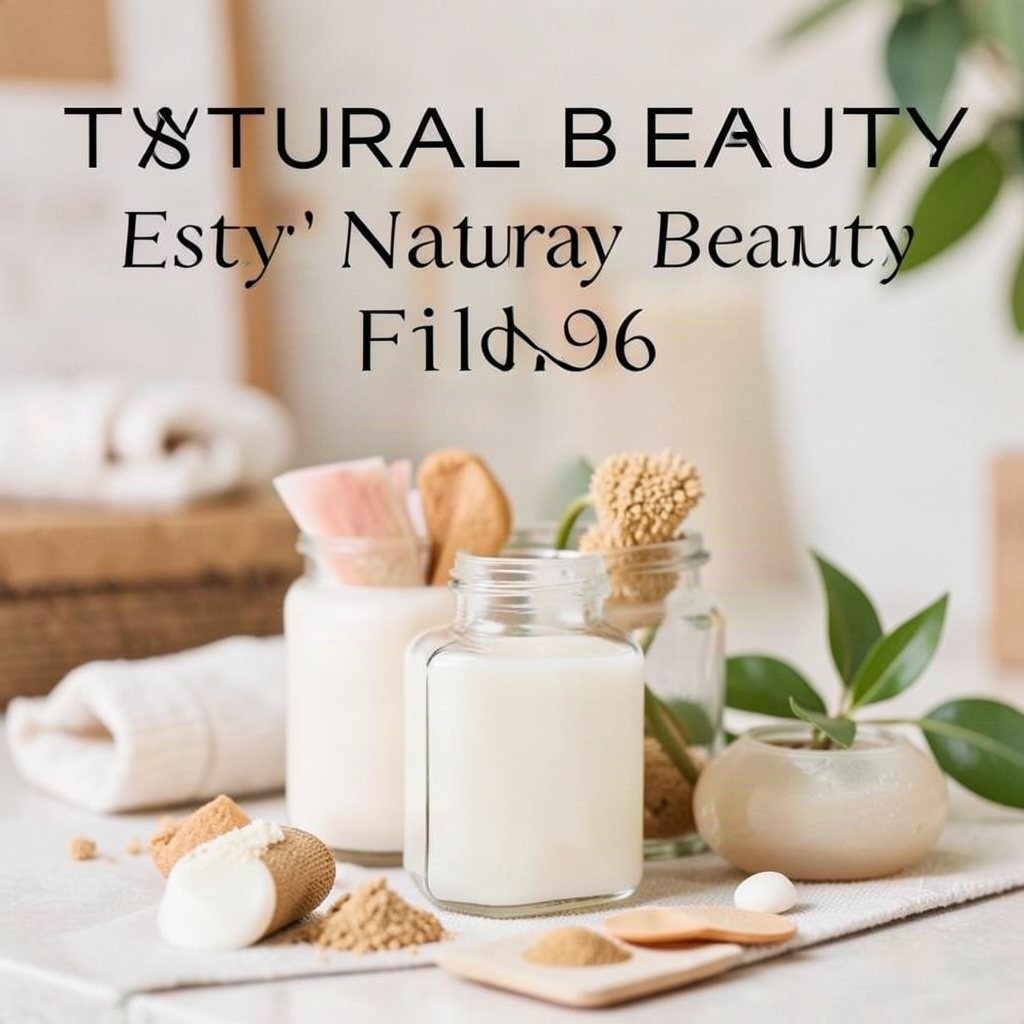
Etsy has become a treasure trove for shoppers who want natural beauty products made by independent artisans. The platform offers everything from cold‑pressed facial oils to herb‑infused bath soaks, all created in small batches with transparent ingredient lists. This guide walks you through why handmade natural beauty on Etsy stands out, how to verify authenticity, which categories deserve your attention, and how to build a routine that fits your skin, budget, and values.
Why Choose Handmade Natural Beauty on Etsy
Handmade products often skip the synthetic fillers, artificial fragrances, and harsh preservatives that mass‑market brands rely on for shelf life. Makers on Etsy typically source raw botanicals, clays, and essential oils directly from reputable farms or cooperatives. Because each batch is small, you receive a fresher product with higher potency. Additionally, many sellers share the story behind each ingredient, giving you confidence that what you apply aligns with your personal health standards.
How to Spot Authentic Ingredients
Start by reading the full ingredient list, not just the marketing highlights. Look for Latin botanical names, which indicate the exact plant species used. Avoid vague terms like fragrance or parfum unless the seller specifies a natural essential oil blend. Certifications such as USDA Organic, Ecocert, or COSMOS can add credibility, but many legitimate artisans operate without formal certification due to cost. In those cases, request a certificate of analysis or a supplier invoice; reputable makers will provide documentation on request.
Top Categories to Explore
- Facial oils and serums – cold‑pressed rosehip, jojoba, and squalane blends.
- Cleansers – oil‑based balms, honey‑infused milks, and clay powders.
- Moisturizers – shea butter creams, aloe gels, and whipped body butters.
- Mask and treatment powders – activated charcoal, matcha, and turmeric mixes.
- Bath and body – herbal bath salts, magnesium flakes, and botanical soaps.
- Hair care – rosemary scalp tonics, argan oil conditioners, and herbal rinses.
Reading Seller Reviews and Policies
Reviews reveal real‑world performance, texture, scent longevity, and any irritation. Filter for verified purchases and look for photos that show the product in use. Pay attention to the seller’s return, exchange, and shipping policies; natural products can melt or separate in transit, so a clear policy protects both parties. A responsive maker who answers ingredient questions within 24 hours is a strong trust signal.
Building a Personalized Routine with Etsy Finds
Identify your skin type and primary concerns first. For oily, acne‑prone skin, a lightweight niacinamide serum paired with a green tea toner works well. Dry, mature skin benefits from a layered approach: hydrosol mist, hyaluronic acid serum, then a rich rosehip oil. Sensitive skin should start with a single‑ingredient product, such as pure calendula oil, before adding actives. Schedule a patch test on the inner forearm for 48 hours before applying any new item to your face.
Budget‑Friendly Tips for Natural Beauty Shopping
Set a monthly budget and prioritize multi‑use products. A high‑quality facial oil can double as a makeup remover and cuticle treatment. Buy sample sizes or travel kits when available; many sellers offer 5 ml vials at a fraction of the full‑size price. Join seller newsletters for exclusive discounts, and consider bundling items from the same shop to save on shipping. Use Etsy’s Save feature to track price drops over time.
Sustainability and Packaging Considerations
Look for sellers who use glass amber bottles, aluminum tins, or compostable pouches. Refill programs are a growing trend; some artisans offer a discount when you return the empty container. Minimalist labeling printed with soy‑based inks reduces waste. If a product ships in plastic bubble wrap, ask the maker if they can switch to recycled paper padding. Your purchasing choices encourage greener practices across the marketplace.
Supporting Small Makers and Community Impact
Every purchase on Etsy directly funds an individual or family business, often preserving traditional craft techniques. Many makers reinvest profits into local herb farms, fair‑trade cooperatives, or community workshops. By leaving thoughtful reviews and sharing your favorite finds on social media, you amplify their reach without any extra cost. Consider gifting a curated natural beauty box from several shops to introduce friends to the ecosystem.
Seasonal Ingredient Rotation for Year‑Round Radiance
Skin needs shift with the calendar just as wardrobe does. In winter the barrier craves richer lipids such as shea butter, squalane, and rosehip seed oil to counteract low humidity and indoor heating. Spring invites lighter humectants like hyaluronic acid derived from fermented grains, aloe vera gel, and cucumber hydrosol to replenish moisture without heaviness. Summer calls for antioxidant‑dense botanicals such as green tea extract, vitamin C from kakadu plum, and niacinamide to defend against UV‑induced oxidative stress. Autumn benefits from reparative actives like bakuchiol, centella asiatica, and pumpkin seed oil to restore collagen after summer exposure.
To rotate effectively, create a quarterly ingredient map. List the core actives you trust, then assign each to a season based on its primary function. For example, keep a base facial oil year‑round but swap the secondary serum: a rosehip serum in winter, a green tea serum in summer. Many Etsy makers offer seasonal limited‑edition blends; subscribe to their newsletters to receive early notice. When a new seasonal product arrives, run a 48‑hour patch test on the inner forearm before integrating it into the facial routine.
Edge case: a maker may label a product ‘all‑season’ but the ingredient list reveals a high concentration of essential oils that can sensitize in heat. In that scenario, dilute the serum with a carrier oil or reserve it for cooler months. Another edge case is a product that contains a photo‑sensitizing citrus oil; avoid daytime use in summer and apply only at night. Document each rotation in a simple spreadsheet noting product name, key actives, season, and any observed reactions. Over a year this log becomes a personal reference that guides future purchases and helps you communicate preferences to makers for custom blends.
Practical tip: set a calendar reminder for the first day of each season to review your current lineup. Pull the products you plan to retire, store them in a cool dark drawer, and note the date opened. This habit prevents accidental use of oxidized formulas and keeps the routine fresh. If you travel across climates, pack a mini‑kit that mirrors the destination season rather than your home season; a lightweight hyaluronic mist and a broad‑spectrum mineral sunscreen are universal travel companions.
Extend the rotation to body care as well. A winter body butter rich in cocoa butter and oat extract can be swapped for a summer lightweight lotion with watermelon seed oil and aloe. Track the climate of each location you visit and adjust the body routine accordingly; this prevents the common mistake of using a heavy occlusive in a humid environment where it can trap sweat and cause breakouts.
Decoding Shelf Life, Oxidation, and Proper Storage
Handmade natural beauty lacks the synthetic stabilizers that give commercial creams a two‑year shelf life. Most small‑batch oils, balms, and powders remain potent for six to twelve months after opening, but the clock starts the moment the seal is broken. Look for a period‑after‑opening symbol (a tiny open jar with a number) on the label; if absent, ask the maker for a recommended use‑by window. Oxidation is the primary enemy: unsaturated fatty acids in rosehip, evening primrose, and seabuckthorn oils react with oxygen, turning rancid and generating free radicals that can irritate skin.
Store oil‑based products in amber or cobalt glass bottles with airtight caps. Keep them in a drawer away from direct sunlight and heat sources such as radiators or windowsills. Refrigeration extends life for highly polyunsaturated oils; place a small bottle in the fridge door where temperature stays stable. For balms and butters, a cool pantry works well; avoid the bathroom where humidity accelerates microbial growth. Powders like clay masks and herbal blends should stay in sealed tins with a desiccant packet to prevent clumping.
Edge case: a product arrives slightly separated, with a clear oil layer on top of a cream base. Gentle warming in a bowl of warm water (not microwave) followed by thorough stirring often restores homogeneity without compromising actives. If the scent turns sharp, metallic, or reminiscent of old nuts, discard the item even if it looks intact. Another edge case involves vitamin C powders that lose potency within weeks once exposed to air; purchase only single‑use sachets or request a nitrogen‑flushed container from the maker.
Navigating Etsy Search and Filters for Natural Beauty
Etsy’s search engine can feel overwhelming when you are looking for a specific type of natural product. Start by typing a precise keyword phrase such as ‘cold pressed rosehip facial oil’ rather than a broad term like ‘face oil’. The results page offers a left‑hand filter panel where you can narrow by category (Beauty & Personal Care → Skin Care → Oils), price range, and the ‘Handmade’ toggle. Enable the ‘Free shipping’ filter only if you are comfortable with longer transit times; many artisans ship from home studios and may not offer free shipping on low‑margin items.
Use the ‘Shop location’ filter to prioritize sellers in your country or region. This reduces customs delays and the risk of temperature excursions during long journeys. If you prefer a particular packaging style, add terms like ‘amber glass’ or ‘compostable pouch’ to the query. Etsy also supports Boolean operators: ‘rosehip AND squalane NOT fragrance’ will surface listings that contain both botanicals but exclude any that list synthetic fragrance.
Save promising listings to a dedicated collection using the heart icon. Name the collection after your current project, for example ‘Winter Barrier Repair’. Collections are private by default, so you can curate a shortlist without cluttering your public favorites. When you revisit the collection, sort by ‘Most recent’ to see newly added batches, which are often fresher than older stock.
Edge case: a seller may tag a product with ‘organic’ in the title but the description reveals only a single certified ingredient. Open the full description and scroll to the ingredient list; the Latin binomial names will confirm the exact species. If the list is missing, message the maker before purchasing. A quick question such as ‘Could you share the full INCI list?’ often yields a transparent reply and saves you a return later.
Understanding Natural Preservative Systems and Safety
Handmade beauty relies on preservation strategies that differ from conventional parabens or phenoxyethanol. Common natural preservatives include leucidal liquid (radish root ferment), sodium benzoate (when paired with an acid), and benzyl alcohol derived from essential oils. Each system has a limited effective pH window; for example, leucidal works best between pH 3 and 6. Makers usually disclose the preservative in the ingredient list, but the concentration is rarely shown.
When evaluating safety, consider the product type. Anhydrous balms and oils do not require a broad‑spectrum preservative because microbes need water to grow. However, any water‑based cream, toner, or gel must contain a preservative that passes a challenge test. Ask the seller for a copy of their microbial challenge test results; reputable artisans keep these on file. If they cannot provide documentation, treat the product as a short‑term use item and plan to finish it within three months.
Edge case: a product labeled ‘preservative‑free’ may still contain a natural antimicrobial such as rosemary extract. While rosemary has antioxidant properties, it is not a full‑spectrum preservative. In humid climates, such a cream can develop mold within weeks. A practical workaround is to store the jar in the refrigerator and use a clean spatula for each application, but the safest route is to choose a product with a verified preservative system.
Another nuance is the interaction between preservatives and active ingredients. Vitamin C (ascorbic acid) can degrade certain preservatives, reducing efficacy. Makers who formulate with vitamin C often use a dual‑preservative approach (e.g., leucidal + potassium sorbate). If you notice a change in scent or color after a few weeks, contact the maker; they may advise a shorter use‑by window for that batch.
Custom Orders and Collaborating with Makers for Tailored Formulas
One of Etsy’s strongest features is the ‘Request a custom order’ button found on every shop page. This opens a direct conversation where you can specify skin concerns, ingredient preferences, and packaging wishes. Before messaging, prepare a brief brief: skin type, known allergies, desired texture (gel, cream, oil), and any actives you want included or excluded. Providing a short ingredient ‘yes/no’ list helps the maker assess feasibility quickly.
Many artisans offer a ‘sample kit’ of three to five mini jars for a modest fee. This lets you test compatibility before committing to a full‑size custom batch. When you receive the samples, follow the same patch‑test protocol you would for any new product. Document the results in a spreadsheet (see the inventory section) and share the feedback with the maker; they can adjust the formula for the final order.
Edge case: a maker may propose a preservative you are uncomfortable with, such as phenoxyethanol, even though the rest of the formula is natural. Politely ask if an alternative like leucidal or a combination of sodium benzoate and potassium sorbate can be used. Most small‑batch creators are flexible because they formulate in‑house.
Another edge case involves minimum order quantities. Some sellers require a minimum of 50 ml for a custom blend to justify the labor. If you only need a 15 ml trial, negotiate a ‘test batch’ at a slightly higher per‑ml price. This keeps the relationship collaborative and avoids waste.
Managing Allergies, Sensitivities, and Patch‑Testing Protocols
Even natural ingredients can trigger reactions. Common sensitizers on Etsy include essential oils (especially citrus, cinnamon, clove), certain plant extracts (arnica, yarrow), and natural fragrances like vanilla absolute. If you have a known allergy, create a personal ‘red‑flag’ list and cross‑reference it against every ingredient list before purchasing.
A robust patch‑test protocol goes beyond the inner forearm. Apply a pea‑sized amount behind the ear and on the jawline, areas that mimic facial skin thickness. Cover with a breathable bandage and wait 48 hours. Record any itching, redness, swelling, or delayed reactions (which can appear up to 72 hours later). If you experience a reaction, photograph the area and note the product name, batch number, and date. This documentation is valuable for both your records and any discussion with the maker.
Edge case: a product contains a ‘fragrance blend’ listed only as ‘essential oil blend’. Without the exact oils, you cannot assess risk. Message the seller for the full breakdown; if they refuse, treat the product as high risk and skip it. Another edge case is cross‑reactivity: someone allergic to birch pollen may react to products containing birch bark extract or betulin. Research botanical families to anticipate hidden triggers.
For chronic conditions like eczema or rosacea, consider a ‘minimalist’ approach: start with a single‑ingredient oil (e.g., squalane) and add one new product every three weeks. This slow introduction isolates variables and makes it easier to pinpoint the culprit if a flare occurs.
Building a Personal Ingredient Inventory and Cost‑Per‑Use Tracker
Tracking what you own, how much you paid, and how long each product lasts turns casual shopping into a data‑driven routine. Create a simple spreadsheet with columns: Product Name, Shop, Purchase Date, Size (ml or g), Price, Price per ml, Date Opened, Estimated Use‑By, Current Status (In Use, Finished, Discarded), and Notes (texture, scent, reaction). Update the sheet each time you open a new jar.
Calculate cost‑per‑use by dividing the price by the number of applications you expect. For a 30 ml facial oil used at 3 drops (≈0.15 ml) per application, you get roughly 200 uses. If the oil costs $28, the cost per use is $0.14. Compare this across products to identify the most economical actives. You may discover that a $12 10 ml rosehip oil (cost per use $0.06) outperforms a $45 30 ml blend with added botanicals that you rarely need.
Edge case: a product arrives with a ‘best before’ date that is only three months away. Enter that date as the Estimated Use‑By and set a calendar reminder two weeks prior. If you cannot finish it, consider gifting the remainder to a friend with a similar skin type, or ask the maker if they accept returns for near‑expiry stock.
Another edge case involves multi‑use products. A shea butter balm can serve as lip balm, cuticle cream, and overnight mask. Log each use case separately in the Notes column so you can see the true value. Over a year, this inventory becomes a personal reference library that informs future custom orders and helps you negotiate bundle discounts with sellers.
International Shipping, Customs, and Temperature‑Controlled Packaging
Buying from overseas artisans expands your ingredient palette but adds logistical complexity. Before ordering, verify the shop’s ‘Ships to’ list and read the shipping policy for declared value, insurance, and handling time. Many natural beauty items are classified as ‘cosmetics’ and may attract import duties or VAT. Use your country’s customs calculator (often available on the postal service website) to estimate fees; add this to the total cost before deciding.
Temperature‑sensitive products (e.g., live probiotic creams, fresh aloe gels) require insulated packaging. Look for sellers who mention ‘thermal mailers’, ‘gel packs’, or ‘dry ice’ in the description. If the listing is silent, message the maker: ‘Do you ship with temperature control for this item?’ A positive answer is a strong trust signal. Some shops offer a ‘cold‑chain upgrade’ for an extra fee; weigh the cost against the risk of receiving a compromised product.
Edge case: a package arrives in summer with the balm melted into a liquid. Photograph the condition immediately, then place the jar in the refrigerator for two hours. Many butters re‑solidify without loss of efficacy. If separation persists, contact the seller with photos; most will replace or refund per their policy. Another edge case is customs holding a shipment for inspection, which can expose the product to heat for days. Request a tracking number with real‑time updates and consider a courier service that offers climate‑controlled transit for high‑value orders.
For frequent international buyers, maintain a ‘shipping log’ in your inventory spreadsheet: Order Date, Shop, Carrier, Tracking Number, Customs Fee Paid, Delivery Date, Condition on Arrival. This log helps you identify reliable sellers and carriers, and it provides evidence if you need to file a claim.
Leveraging Etsy’s Community Features: Reviews, Q&A, and Seller Messaging
Beyond star ratings, Etsy’s review system includes photo uploads and detailed text. Filter reviews by ‘Verified purchase’ and sort by ‘Most recent’ to see current batch quality. Look for reviews that mention texture changes over time, scent evolution, or how the product performed in different climates. These real‑world observations are often more informative than the seller’s own description.
The ‘Ask a question’ button on each listing opens a public Q&A thread. Use it for clarifications that benefit other shoppers: ‘Is the vitamin C in this serum stabilized with ferulic acid?’ or ‘What is the pH of this toner?’ Sellers who answer promptly and technically demonstrate expertise. Public answers also become a searchable knowledge base for future buyers.
Direct messaging (the ‘Contact seller’ link) is best for private requests such as custom orders, bulk pricing, or sharing your allergy list. Keep messages concise: greet, state your need, attach any relevant photos (e.g., a patch‑test result), and ask a clear question. A polite, specific inquiry usually receives a response within 24 hours. If a seller consistently ignores messages, consider it a red flag for post‑purchase support.
Edge case: a seller deletes negative reviews or disables the Q&A feature. While Etsy policy discourages this, it can happen. In that situation, search the shop name on external forums or social media groups where buyers discuss experiences. Another edge case is a seller who replies with generic copy‑paste answers. Follow up with a specific technical question; a knowledgeable maker will tailor the response, revealing their formulation depth.
Frequently Asked Questions
Are Etsy natural beauty products safe for all skin types?
Most handmade natural products are formulated without common irritants, but individual reactions vary. Always perform a patch test and consult a dermatologist if you have known allergies or medical skin conditions.
How can I verify that a seller uses truly organic ingredients?
Request a certificate of analysis, USDA Organic certification, or a supplier invoice. Transparent makers will provide documentation; if they cannot, treat the claim with caution.
What should I do if a product arrives melted or separated?
Contact the seller immediately with photos. Most reputable shops offer a replacement or refund per their stated policy. Storing the item in a cool place for a few hours can sometimes restore consistency.
Can I combine multiple Etsy products into one routine?
Yes, but introduce one new product at a time, allowing at least two weeks to monitor skin response. Layer from thinnest to thickest texture: toners, serums, oils, then creams.
How do I find sellers who ship internationally with eco‑friendly packaging?
Use Etsy’s filter for Ships to your country and read the shop’s shipping description. Many makers note packaging materials in the FAQ section; you can also message them directly before purchasing.
Related posts:
 A Beginner’s Guide to Reading Beauty Product Labels Like a Pro
 How to Deep-Clean Your Coffee Maker ASAP
 Etsy Holiday Decor Trends
 The Best Popcorn Makers for Movie Night at Home
 The Best Cold Brew Coffee Makers for a Refreshing Drink
 Sustainable Coffee Makers
 Smile Makers Artist Review
 The Slow Beauty Movement’s Secret Hydration Recipes