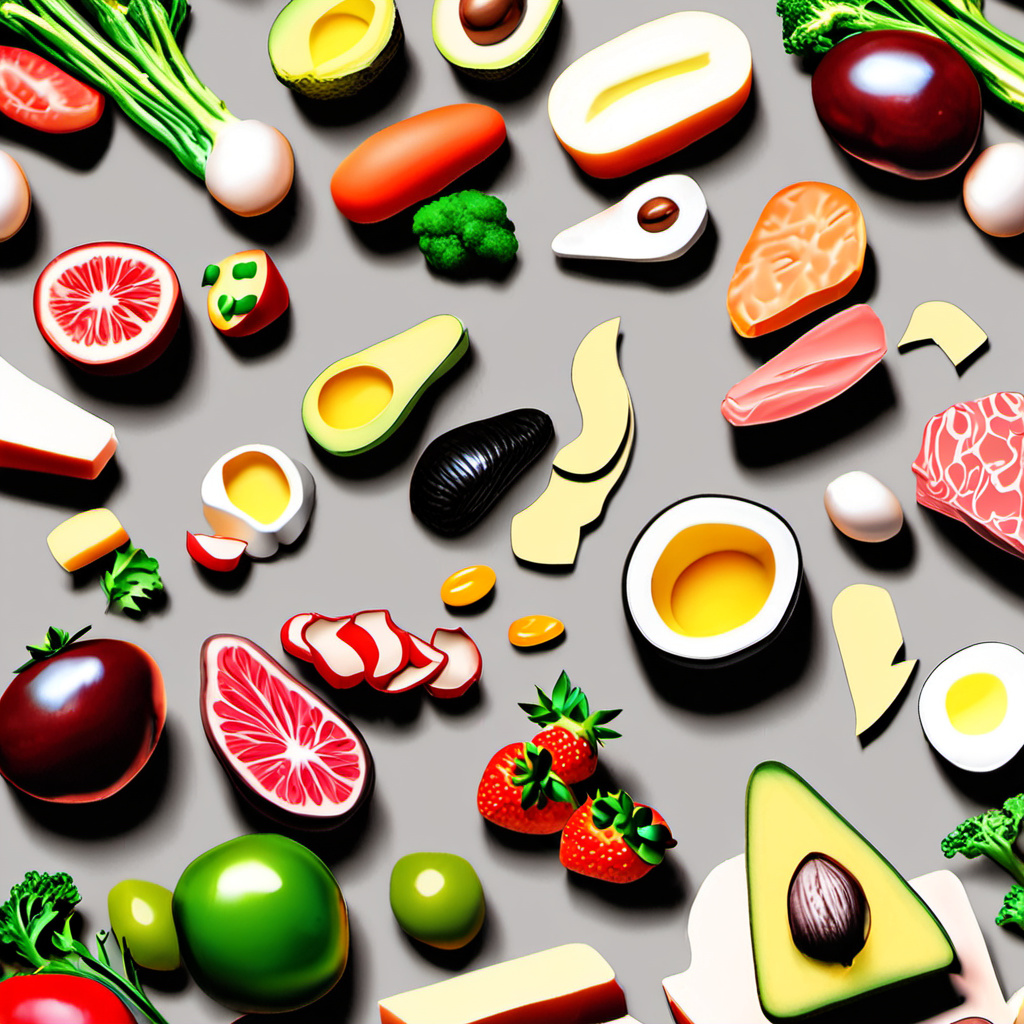
The ketogenic diet has transitioned from a specialized medical protocol to a global wellness phenomenon. At its core, the diet is a high-fat, moderate-protein, and very-low-carbohydrate eating pattern designed to shift the body’s metabolic state. By significantly reducing carbohydrate intake and replacing it with fat, the body enters a state called ketosis, where it becomes incredibly efficient at burning fat for energy. This guide explores the mechanisms, practical applications, and considerations for anyone curious about adopting this lifestyle.
Key takeaways
- Maintain a macronutrient ratio of 70-80% fat, 15-20% protein, and 5-10% carbohydrates to sustain ketosis.
- Mitigate keto flu symptoms by staying hydrated and supplementing with sodium, potassium, and magnesium.
- Prioritize whole, nutrient-dense foods like leafy greens, avocados, fatty fish, and eggs while avoiding processed sugars.
- Use meal prepping and strategic dining choices to maintain dietary consistency and avoid hidden carbohydrate sources.
- Consult a healthcare provider before beginning if you have pre-existing metabolic conditions or a history of disordered eating.
Understanding the Metabolic Shift to Ketosis
To understand keto, one must understand how the body typically fuels itself. Under a standard diet, the body breaks down carbohydrates into glucose, which is then used for energy. When carbohydrates are restricted to typically under 50 grams per day, the body runs out of glucose stores. In response, the liver begins breaking down stored fat into molecules called ketones. These ketones serve as an alternative fuel source for the brain and muscles. This transition is not instantaneous; it usually takes several days of consistent carbohydrate restriction for the body to adapt to using fat as its primary fuel source.
The Nutritional Framework of a Keto Diet
A successful ketogenic approach relies on specific macronutrient ratios. Generally, this means 70% to 80% of daily calories come from healthy fats, 15% to 20% from protein, and only 5% to 10% from carbohydrates. This is not a “high-protein” diet; excessive protein can potentially interfere with ketosis through a process called gluconeogenesis, where the body converts amino acids into glucose. Focus instead on high-quality fats like avocados, olive oil, nuts, seeds, and fatty fish, paired with moderate portions of poultry, eggs, and lean meats.
Navigating the “Keto Flu”
As the body adapts to burning fat, some individuals experience a cluster of symptoms known colloquially as the “keto flu.” Common symptoms include fatigue, headaches, irritability, brain fog, and nausea. These symptoms occur largely because the body is shedding excess water and electrolytes as insulin levels drop. Staying hydrated and supplementing with electrolytes—specifically sodium, potassium, and magnesium—can significantly mitigate these effects. It is a temporary adjustment period that usually subsides within a few days to a week as the metabolism stabilizes.
Essential Foods to Include and Avoid
Building a keto pantry requires a shift in perspective. You should prioritize “whole” foods that are naturally low in carbohydrates. Include leafy greens like spinach and kale, cruciferous vegetables like cauliflower and broccoli, healthy fats like coconut oil and grass-fed butter, and protein sources like salmon, sardines, and organic meats. Conversely, you must eliminate or strictly limit grains, sugars, legumes, high-sugar fruits like bananas or grapes, and processed “low-carb” snacks that often contain hidden fillers and inflammatory seed oils. Reading labels becomes a non-negotiable habit to ensure hidden sugars are not sabotaging your progress.
Practical Meal Planning and Preparation
Consistency is the secret to sustaining a ketogenic lifestyle. Meal prepping can prevent the “convenience trap” of reaching for high-carb snacks when busy. Start by planning simple meals: a breakfast of scrambled eggs with spinach cooked in butter, a lunch of chicken breast over a large arugula salad with olive oil dressing, and a dinner of baked salmon with roasted asparagus. Keeping keto-friendly staples on hand—like hard-boiled eggs, macadamia nuts, and pre-washed greens—ensures that you have healthy options ready at all times. Use mobile apps or digital trackers to monitor your macronutrients during the first few weeks until you develop an intuitive sense of portion sizes and carb counts.
Managing Social Situations and Dining Out
One of the biggest challenges for those on a keto diet is maintaining the protocol while socializing. Dining out does not have to be stressful. Most restaurants are happy to accommodate simple requests, such as swapping fries for steamed vegetables or ordering a burger without the bun. Stick to simple preparations: grilled, baked, or sautéed proteins paired with non-starchy vegetables. Be wary of sauces and dressings, as they are often thickened with flour or contain hidden sugars. When attending social gatherings, consider eating a small, keto-friendly snack beforehand so you are not reliant on potentially unsuitable appetizers.
Monitoring Progress and Adjusting as Needed
Tracking progress on keto goes beyond the scale. While weight loss is a common goal, it is helpful to monitor how you feel overall. Are your energy levels consistent throughout the day? Is your mental clarity improving? Some people choose to use blood, breath, or urine ketone meters to confirm they are in nutritional ketosis. While these tools can be useful for those who want precise data, they are not strictly necessary for everyone. If you find your progress stalling, review your intake of “hidden” carbs in condiments, dairy, or sweeteners, and ensure you are not over-consuming calories, as energy balance still plays a role in overall health.
Sustainability and Long-Term Health
The ketogenic diet is a significant lifestyle change, not a temporary “quick fix.” Long-term success depends on your ability to integrate these habits into your life in a way that feels sustainable rather than restrictive. Many people find that after the initial adjustment, their cravings for sugar and refined carbohydrates naturally decrease, making it easier to stick to the plan. It is important to approach the diet with a focus on nutrient density. Prioritize fiber-rich vegetables and healthy fats to ensure you are meeting your micronutrient needs. Always listen to your body, and if you feel that the diet is causing undue stress or physical discomfort, consult with a registered dietitian or healthcare provider to adjust your approach or explore alternative nutritional strategies.
Optimizing Electrolyte Balance Beyond the Induction Phase
While most discussions regarding electrolytes focus on the initial ‘keto flu,’ long-term adherence requires a more nuanced approach to mineral homeostasis. As insulin levels remain chronically low, the kidneys continue to excrete sodium at a higher rate than on a standard high-carb diet. This means that electrolyte supplementation cannot be viewed as a temporary crutch; it is a permanent requirement for sustained performance. Beyond simple salt, magnesium is often overlooked. Many keto practitioners find that supplementing with magnesium glycinate before bed improves sleep quality and prevents the muscle cramps frequently associated with the transition to fat-adaptation. Furthermore, potassium intake must be managed carefully. Rather than relying on synthetic supplements, which can be harsh on the stomach, prioritize mineral-dense whole foods like avocados, cooked spinach, and wild-caught salmon. If you experience persistent palpitations or nocturnal leg cramps, it is often a sign that your mineral ratios are skewed, necessitating a reevaluation of your intake of these essential micronutrients.
The Role of Exogenous Ketones and MCTs
For those looking to bridge the gap between metabolic states or enhance cognitive performance, exogenous ketones and medium-chain triglycerides (MCTs) offer a strategic advantage. Exogenous ketones, typically available as salts or esters, provide a temporary boost in blood ketone levels, which can be particularly useful during intense training sessions or when struggling with mental fatigue. However, they are not a ‘license’ to consume carbohydrates; they are tools for metabolic signaling. MCT oil, particularly C8 (caprylic acid), is metabolized rapidly by the liver and bypasses traditional digestion to provide an immediate source of energy for the brain. When incorporating MCTs, start with a small dosage—often a teaspoon—as they can cause significant digestive distress if introduced too quickly. These supplements should be viewed as an add-on to a well-formulated whole-food diet rather than a replacement for the metabolic benefits derived from endogenous ketosis.
Strategic Protein Cycling and Gluconeogenesis Concerns
A common point of confusion for the long-term keto dieter is the fear of protein intake. While it is true that excessive protein can theoretically trigger gluconeogenesis, the reality for most individuals is far more forgiving than the theory suggests. The body is highly efficient at regulating its own glucose needs, and the transition from ‘moderate’ to ‘high’ protein is rarely enough to kick someone out of ketosis unless they are also consuming significant amounts of carbohydrates. In fact, for those who engage in resistance training, maintaining an adequate protein intake—closer to 1.2 to 1.5 grams per kilogram of body weight—is critical for muscle protein synthesis and preventing lean mass loss. Rather than obsessing over the precise percentage of protein, focus on protein quality. Prioritize complete amino acid profiles found in eggs, organ meats, and collagen-rich cuts, as these provide the building blocks necessary for hormonal health and tissue repair, which are often compromised during periods of strict caloric restriction.
Navigating the Gut Microbiome on a Low-Carb Diet
The reduction of fermentable fibers commonly found in grains and legumes can initially impact digestive health and the diversity of the gut microbiome. To mitigate this, the ketogenic dieter must be intentional about including prebiotic fiber from keto-friendly sources. Cruciferous vegetables, artichokes, asparagus, and even small amounts of psyllium husk can serve as fuel for beneficial gut bacteria. Some individuals may experience constipation during the first few weeks; this is usually a symptom of both dehydration and a lack of adequate fiber volume. Incorporating fermented foods such as raw sauerkraut, kimchi, and unsweetened kefir can also provide the probiotics necessary to maintain a healthy gut barrier. If you suffer from chronic bloating, experiment with removing common keto-friendly triggers like sugar alcohols (such as maltitol or sorbitol), which are known to cause significant osmotic diarrhea and gas in sensitive individuals.
The Interaction Between Keto and Intermittent Fasting
Combining the ketogenic diet with intermittent fasting (IF) is a potent strategy for accelerating fat loss and deepening autophagy—the cellular ‘cleanup’ process. When you are already in a state of ketosis, your body is primed to access adipose tissue for energy, making the transition into a fasted state significantly easier than it would be for a carbohydrate-dependent individual. Start with a 16:8 protocol, where you restrict your eating window to eight hours a day. This approach naturally limits the frequency of insulin spikes and allows the body extended periods to remain in a fat-burning state. However, do not fall into the trap of ‘compensatory eating’ during your feeding window. It is essential to consume nutrient-dense, satiating meals during your window to ensure your metabolic rate does not slow down. If you notice signs of cold intolerance, hair thinning, or extreme irritability, it may be a signal that you are fasting too aggressively and need to expand your eating window to support your endocrine function.
Addressing the ‘Keto Plateau’ and Metabolic Adaptation
Inevitably, many individuals reach a point where weight loss stalls, even while remaining strictly within their macronutrient targets. This is often a sign of metabolic adaptation, where the body has become so efficient at burning fuel that it has lowered its total daily energy expenditure (TDEE). Instead of further restricting calories, which can stress the thyroid and adrenal glands, consider ‘metabolic flexibility’ training. This might involve a ‘carb refeed’ day—a planned, controlled increase in complex carbohydrates like sweet potatoes or berries once every two weeks. This practice can signal to the body that it is not in a state of famine, thereby supporting leptin production and thyroid hormone conversion. Alternatively, look at your sleep quality and stress levels. Chronic elevation of cortisol—the body’s primary stress hormone—can promote glucose production and inhibit fat oxidation, keeping you stuck at a specific weight regardless of how many grams of fat you consume.
Frequently Asked Questions
Q: Can I eat fruit on a keto diet? A: Most fruits are high in sugar and should be avoided. However, small portions of low-glycemic berries, such as blackberries, raspberries, and strawberries, can be included in moderation as they are lower in carbohydrates and higher in fiber. Q: Is the keto diet safe for everyone? A: While many people benefit from keto, it is not suitable for everyone. Individuals with conditions involving the liver, pancreas, or gallbladder, as well as those with a history of disordered eating or certain metabolic disorders, should consult a doctor before starting. Q: How long does it take to enter ketosis? A: For most people, it takes 2 to 7 days to enter nutritional ketosis, provided they keep their daily carbohydrate intake under 50 grams. Factors like activity level and individual metabolism can influence this timeline. Q: Do I need to count calories on keto? A: While many people lose weight on keto without counting calories because the diet is naturally satiating, calories still matter. If you are not seeing the results you expect, tracking your intake for a short period can help identify if you are consuming too much or too little. Q: Can I consume alcohol while on keto? A: Alcohol can pause fat burning because the body prioritizes metabolizing alcohol over fats. If you choose to drink, stick to low-carb options like dry wines or spirits mixed with soda water, and consume them in strict moderation.
Related posts:
 Keto-Friendly Fruit Guide
 Understanding Keto Diet Macros
 PHA Bodyweight Workout: Efficient Fitness Anywhere, Anytime
 Why Carbs Aren’t the Enemy You Think They Are
 How to Drink Alcohol on Keto Without Sabotaging Your Goals
 The Funky Side Effect: What is Keto Breath and How to Deal With It
 Trainer Kirsty Godso’s Keto Diet Plan
 High-Protein Foods That Pack a Serious Nutritional Punch