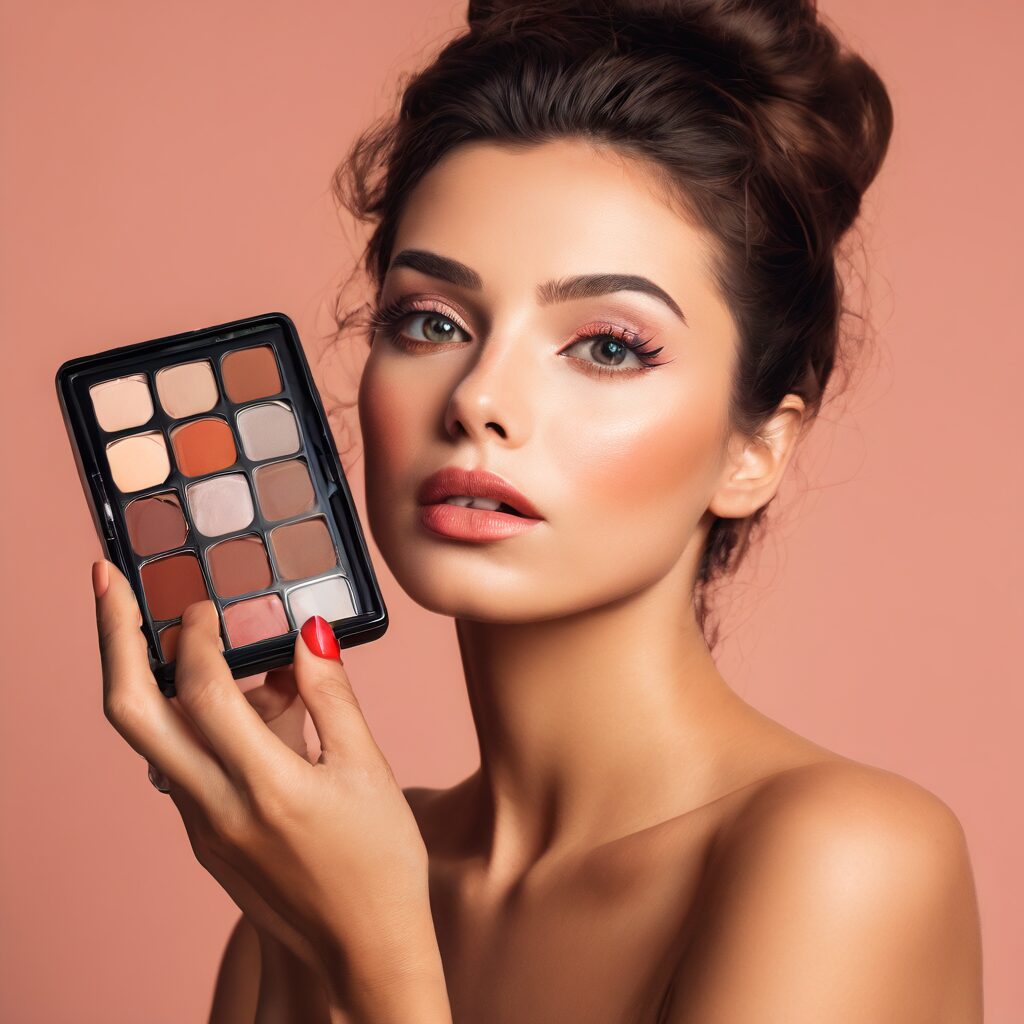
Understanding makeup expiration dates is crucial for maintaining healthy skin and ensuring the best performance of your beauty products. In this article, we will explore why makeup expiration dates matter, how to identify them, and tips for extending the life of your cosmetics.
Key takeaways
- Check for the PAO symbol on packaging, which indicates how many months a product remains safe after opening.
- Replace mascara every 3 to 6 months and liquid products within a year to prevent bacterial growth.
- Discard makeup if you notice changes in color, texture, or smell to avoid skin irritation and infections.
- Store cosmetics in cool, dry places and clean your brushes regularly to extend product shelf life.
- Label products with their opening date to keep track of when they should be replaced.
Why Makeup Expiration Dates Matter
Expired makeup can harbor bacteria and lose its effectiveness, leading to potential skin irritations, infections, and subpar results. Using products past their expiration date can be detrimental to your skin health and overall beauty regimen.
How to Identify Makeup Expiration Dates
Most makeup products come with a Period After Opening (PAO) symbol, which looks like a small jar with a number followed by ‘M’ (e.g., 12M). This indicates the number of months the product is safe to use after opening. Additionally, some products may have a specific expiration date printed on the packaging.
Expiration Guidelines for Common Makeup Products
- Mascara: 3-6 months
- Liquid Foundation: 6-12 months
- Lipstick: 1-2 years
- Powder Products (e.g., blush, eyeshadow): 2 years
- Eyeliners: 6-12 months
- Skincare Products: Varies, typically 6-12 months
Signs Your Makeup Has Expired
Even if you can’t find an expiration date, there are several signs that indicate your makeup has expired:
- Change in color or texture
- Unpleasant smell
- Separation or clumping
- Increased skin irritation or breakouts
Tips for Extending the Life of Your Makeup
To get the most out of your makeup and keep it safe for use, follow these tips:
- Store products in a cool, dry place away from direct sunlight.
- Always close lids tightly after use.
- Avoid sharing makeup to prevent contamination.
- Use clean brushes and applicators.
- Regularly clean your makeup tools.
The Chemistry of Preservation: Understanding Ingredients
To truly grasp why products expire, one must look at the preservation system. Water-based formulas, such as liquid foundations, concealers, and cream eyeshadows, are breeding grounds for microorganisms because they provide an environment where bacteria and mold can thrive. Manufacturers include preservatives like parabens, phenoxyethanol, or organic acids to inhibit this growth. Over time, these preservatives break down, especially when exposed to air, heat, and light. Conversely, anhydrous (water-free) products like pressed powders, mineral pigments, and oil-based balms are naturally more resistant to microbial growth because bacteria require moisture to survive. Understanding whether your product contains water—often listed as the first ingredient (aqua/water)—is the most reliable way to predict its susceptibility to contamination.
The Hidden Impact of Packaging Design on Shelf Life
The delivery system of your makeup plays a significant role in how quickly it reaches its end-of-life. Airless pump bottles are the gold standard for hygiene; they prevent oxygen from entering the container, which slows down the oxidation of active ingredients and prevents external contaminants from being introduced. In contrast, jar packaging is the most “vulnerable” design. Every time you dip a finger into a pot of cream blush or moisturizer, you introduce skin oils, dead cells, and bacteria directly into the product. If you prefer jar-based cosmetics, use a clean stainless steel spatula or a disposable cotton swab rather than your fingers to significantly extend the effective life of the formula.
Environmental Stressors: Beyond the Bathroom Counter
The bathroom is arguably the worst place to store your beauty collection. The fluctuating humidity levels during hot showers accelerate the degradation of chemical bonds in cosmetics, while the rapid temperature changes can cause emulsions in liquids to split. If you notice a foundation has separated into an oily layer and a pigment layer, it is often a sign that the formula has been compromised by heat stress. For optimal longevity, store your products in a temperature-stable environment like a vanity drawer or a dedicated cool, dark closet. For high-end skincare or natural makeup without heavy preservatives, some enthusiasts use a dedicated mini-fridge; however, be cautious, as extreme cold can also destabilize certain wax-based textures, making them difficult to apply.
The Dangers of Cross-Contamination and Shared Tools
Sharing makeup is a common vector for transferring pathogens like Staph or pink eye. Even if you aren’t sharing with others, you are essentially sharing with yourself across different areas of your face. For instance, using the same sponge for your concealer and your eye area can transport bacteria from a breakout on your chin to the delicate mucous membranes of your eyes. To mitigate this, implement a “zoning” strategy: dedicate specific brushes or sponges to specific products and zones of the face. Furthermore, if you have recently recovered from a cold, flu, or eye infection, it is a non-negotiable health practice to sanitize your brushes with a high-alcohol cleanser or replace your mascara and eyeliner entirely to prevent re-infection.
Decoding Batch Codes for “Born On” Dates
If you purchase luxury cosmetics or items from online marketplaces, you may notice a stamped code (e.g., A23, B421) that does not look like a standard date. These are batch codes, which allow manufacturers to track production runs. You can use online databases like CheckFresh or Cosmetic Calculator to input the brand and the batch code; these tools will pull data from the manufacturer to tell you exactly when the product was manufactured. Knowing the manufacture date is vital because “unopened” makeup does not last forever. An unopened liquid foundation that has been sitting in a warehouse for three years has already lost much of its potency and stability before you even break the seal.
Natural and Organic Preservative Challenges
There is a growing movement toward “clean” beauty, which often utilizes natural preservatives like rosemary extract, vitamin E (tocopherol), or grapefruit seed extract. While these are gentler on the skin, they are significantly less effective at killing bacteria than synthetic preservatives. Consequently, natural and organic makeup products often have a much shorter shelf life—sometimes as short as 3 to 6 months after opening. If you gravitate toward these products, you must be hyper-vigilant. Look for signs of fermentation, such as a slightly fizzy texture or a “sour” or “yeasty” smell, which are telltale indicators that the natural preservatives have failed and the product has become a hotbed for microbial activity.
Strategic Inventory Management: The “First-In, First-Out” Method
To avoid the frustration of discovering a drawer full of expired products, adopt the “First-In, First-Out” (FIFO) inventory method used in retail. When you bring a new item home, place it behind the existing items you are currently using. Not only does this ensure you use up your older products first, but it also forces you to confront how many duplicates you own. Beauty expiration is often a result of over-consumption; by limiting your collection to only what you can reasonably finish within the PAO window, you reduce waste, save money, and ensure that every application of makeup is as safe and effective as the day it was manufactured.
Frequently Asked Questions (FAQ)
1. Can I use makeup after its expiration date?
It’s not recommended to use makeup after its expiration date as it can lead to skin irritations and infections due to bacterial growth.
2. How can I tell if my mascara has expired?
If your mascara has a change in smell, texture, or causes irritation, it’s time to replace it. Generally, mascara should be replaced every 3-6 months.
3. What should I do with expired makeup?
Dispose of expired makeup responsibly. Some brands offer recycling programs for their packaging.
4. Are there makeup products that last longer than others?
Yes, powder-based products like blush and eyeshadow tend to have a longer shelf life (up to 2 years) compared to liquid products.
5. How can I keep track of my makeup’s expiration dates?
Label your products with the date you opened them and regularly check for any changes in appearance or smell.
Related posts:
 Budget Beauty Beat: Creating a Full Makeup Look with Drugstore Products
 Foundation’s Impact on Skin
 Should Yoga and Fitness Class Cards Have Expiration Dates?
 Beauty Meets Wellness: The CBD Oil Mascara That’s Breaking All the Rules
 IT Cosmetics Mascara Review
 Is Honest Beauty’s Mascara Worth the Hype? Our Honest Review
 TooD Beauty’s Nonbinary Approach
 Finally, Mascara That Won’t Turn You Into a Panda by Noon