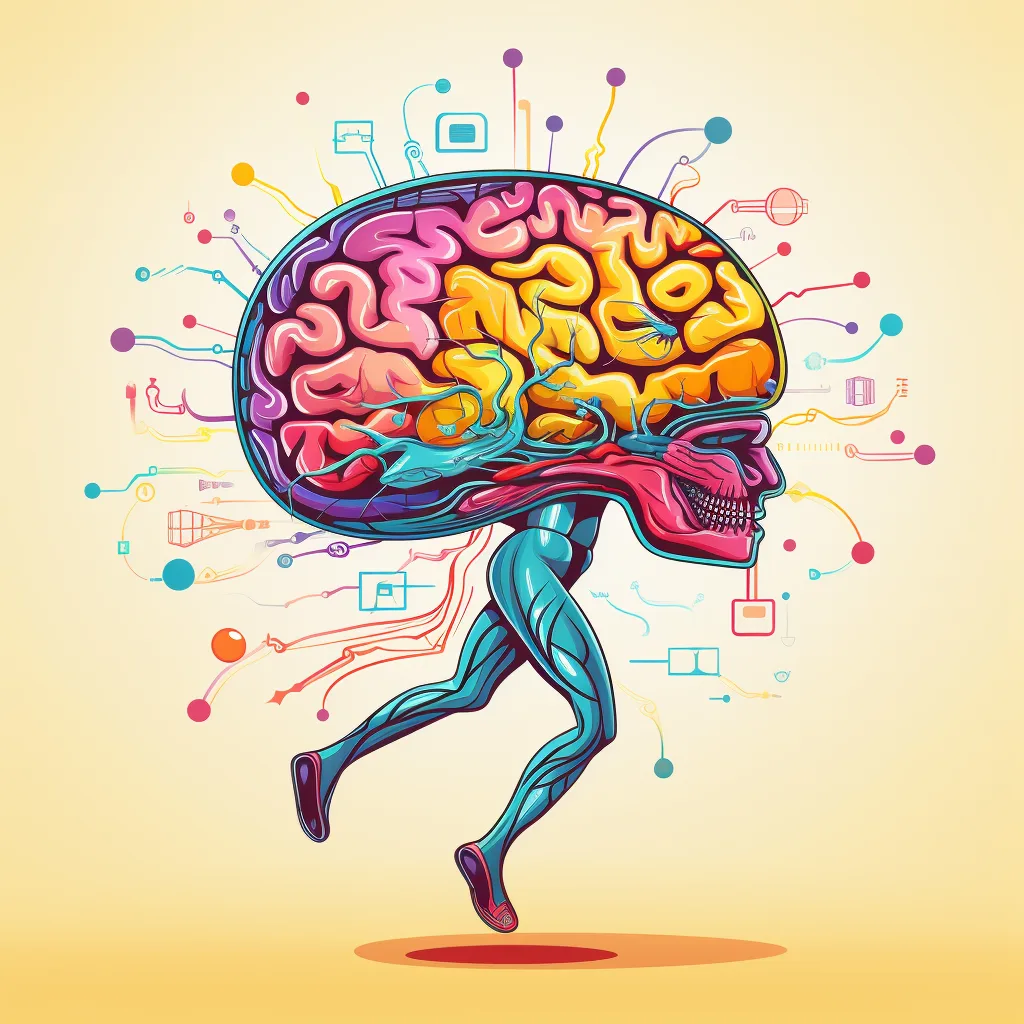
Improving Mental and Physical Wellbeing
Exercise provides many benefits for both the body and mind. Getting the recommended 150 minutes of moderate activity per week has been shown to boost mood, mental health, cardiovascular fitness, and more. Let’s explore some of the top ways exercise improves wellbeing.
Reducing Anxiety and Depression
Exercise releases feel-good chemicals in the brain like serotonin and endorphins. It has repeatedly been shown to reduce symptoms of anxiety and depression. Getting outside for a walk, jog, or bike ride helps clear the mind, boost energy levels, and improve outlook.
Boosting Brain Health
Physical activity stimulates the growth of new brain cells and connections. It increases blood and oxygen flow in the brain. Over time, regular exercise can even increase volume in areas related to memory and cognition.
Supporting Healthy Sleep
Getting enough high quality sleep is crucial for both physical and mental health. Exercise helps regulate sleep cycles so you can fall asleep faster at night. It also deepens sleep to be more restorative.
Strengthening the Heart
Exercise conditions the cardiovascular system, improving heart health. It helps lower blood pressure, cholesterol levels, and resting heart rate over time. A strong heart can better supply the body with oxygen and nutrients.
Neuroplasticity and the Role of Brain-Derived Neurotrophic Factor (BDNF)
Beyond general blood flow, the most profound impact exercise has on the brain is the upregulation of Brain-Derived Neurotrophic Factor (BDNF). Often described as “fertilizer for the brain,” BDNF is a protein that supports the survival of existing neurons and encourages the growth and differentiation of new neurons and synapses. During aerobic exertion, specifically sustained movement, the body produces higher concentrations of this protein, particularly in the hippocampus, which is the seat of learning and memory. This process, known as neuroplasticity, allows the brain to reorganize itself by forming new neural connections throughout life. To maximize this, incorporate “dual-task” exercises, such as playing pickleball or following a complex dance routine, which forces the brain to coordinate motor skills with cognitive decision-making, further cementing these new neural pathways.
Metabolic Flexibility and Mitochondrial Efficiency
Physical activity fundamentally alters how your body processes fuel, a concept known as metabolic flexibility. When you engage in consistent, varied training, your cells become more efficient at switching between burning glucose and burning fatty acids. This is largely driven by mitochondrial biogenesis—the process by which cells increase their individual energy-producing power plants. For the body, this means less fatigue during daily tasks and a more stable baseline of energy. For the brain, which is the most energy-demanding organ, this improved metabolic efficiency provides a steadier supply of ATP. This stability prevents the “brain fog” often associated with blood sugar fluctuations, allowing for longer periods of sustained focus and high-level analytical thinking.
The Myokine Connection: How Muscles Communicate with Organs
Recent research in exercise physiology has identified muscles as endocrine organs. When you contract your muscles, they release signaling proteins called myokines into the bloodstream. These molecules act as chemical messengers that travel to other parts of the body, including the liver, adipose tissue, and the brain, to exert systemic anti-inflammatory effects. For example, the myokine Irisin, released during endurance exercise, has been shown to improve insulin sensitivity and potentially protect against neurodegeneration. By treating strength training not just as a way to build mass, but as a way to trigger this internal pharmacy, you can effectively lower systemic inflammation, which is a common precursor to chronic disease and cognitive decline.
Regulation of the HPA Axis and Stress Resilience
While exercise is a physical stressor, it is a “hormetic” stressor—one that triggers a beneficial adaptation. Regular, moderate physical activity helps recalibrate the Hypothalamic-Pituitary-Adrenal (HPA) axis, the body’s primary stress response system. Without regular exertion, the HPA axis can become hypersensitive, leading to an overproduction of cortisol even in the face of minor daily inconveniences. Consistent training teaches the body to manage a cortisol spike and, more importantly, to return to a parasympathetic, “rest and digest” state more quickly. This physiological resilience translates directly to emotional stability; individuals who exercise regularly often report being less reactive to interpersonal conflicts or work-related pressures because their bodies have become adept at clearing the stress-response chemicals efficiently.
Optimizing Circadian Rhythms via Phototherapy and Movement
While the existing benefits of sleep are well-documented, the timing of exercise plays a critical role in anchoring the circadian rhythm. Morning exercise, especially when performed outdoors, provides a double-benefit: the physical movement raises core body temperature, signaling to the brain that the day has begun, while natural light exposure suppresses melatonin production and sets your internal clock. For those struggling with sleep onset, late-afternoon exercise (4:00 PM to 6:00 PM) aligns with the body’s peak performance window and provides a natural temperature drop in the evening, which is a biological trigger for sleepiness. Avoid high-intensity interval training (HIIT) within two hours of bedtime, as the excess adrenaline can counteract the natural wind-down process, leading to fragmented sleep rather than the intended restorative rest.
The Impact of Resistance Training on Cognitive Reserve
While aerobic exercise is widely praised for heart health, resistance training offers unique advantages for the aging brain, specifically regarding executive function. Studies suggest that progressive resistance training—exercises that challenge your muscles to move more weight over time—improves task switching, selective attention, and conflict resolution in the brain. This is likely due to the intense focus required to maintain proper form and the neurological demand of recruiting motor units. Incorporating compound movements like squats, deadlifts, or overhead presses requires the cerebellum to manage complex spatial awareness and balance. By challenging the body’s structural integrity through resistance, you are simultaneously demanding that the brain maintain a high level of executive control, which builds a “cognitive reserve” that may help delay the symptoms of age-related cognitive impairment.
FAQ
What are some mental health benefits of exercise?
Exercise reduces symptoms of anxiety, depression, and stress. It also boosts mood through the release of endorphins and other feel-good brain chemicals.
How does exercise improve brain health?
Physical activity increases blood flow, oxygen delivery, and growth of new brain cells and connections. Over time, it can increase volume in memory and cognition areas.
Can exercise help me sleep better?
Yes, exercise helps regulate sleep cycles so you can fall asleep faster and get higher quality, deeper sleep at night.
What cardiovascular benefits does exercise provide?
Exercise strengthens the heart muscle, lowers blood pressure and cholesterol levels, and improves overall cardiovascular fitness over time.
How much exercise do I need for health benefits?
Experts recommend getting 150 minutes per week of moderate activity, like brisk walking, jogging, biking, swimming, or strength training.
Related posts:
 How to Change Your Fitness Routine to Avoid Plateau
 New Cognitive Health Test Could Change Everything
 Nap Revolution: NYC’s Sleep Café Is Making Rest Trendy Again
 Weekend Sleep Recovery
 Just 10 Minutes of Weekly Exercise Boosts Happiness
 PHA Bodyweight Workout: Efficient Fitness Anywhere, Anytime
 Brain-Boosting Foods
 Exercise and Dementia Prevention