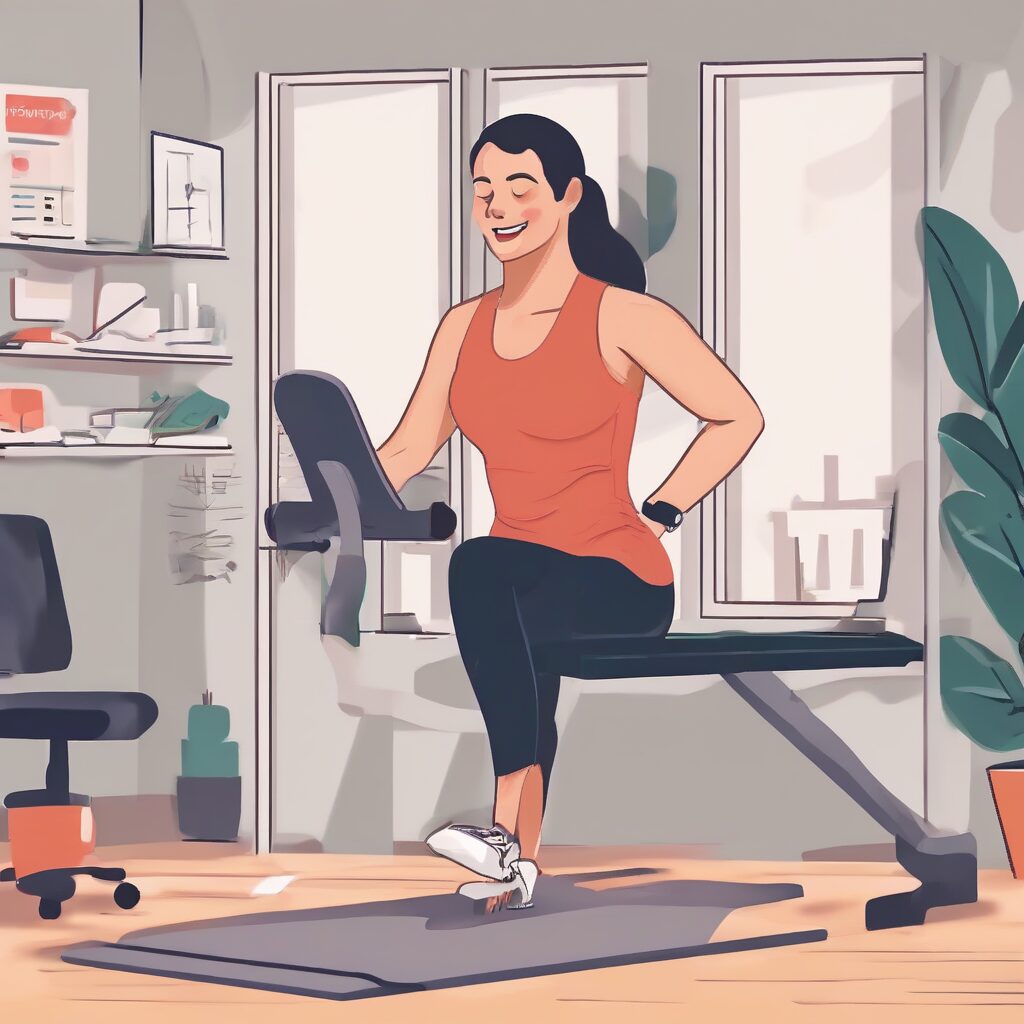
In today’s fast-paced work environment, office workers often find themselves glued to their desks for hours on end. While this sedentary lifestyle may seem unavoidable, it’s crucial to prioritize physical activity and movement throughout the workday. This article will explore compassionate and practical exercise tips for office workers, focusing on overall wellbeing rather than just productivity. By incorporating these gentle suggestions, you can nurture your body and mind, leading to a more balanced and fulfilling work life.
The Importance of Movement for Office Workers
Before diving into specific exercise tips, it’s essential to understand why movement is so vital for office workers. Sitting for prolonged periods can lead to various health issues, including poor posture, muscle tension, and decreased circulation. However, the impact goes beyond just physical health. Regular movement can boost mood, increase energy levels, and enhance cognitive function. By prioritizing exercise, you’re not just taking care of your body; you’re nurturing your overall wellbeing and creating a more positive work experience.
Gentle Desk Exercises to Nurture Your Body
You don’t need a gym membership or fancy equipment to incorporate movement into your workday. Here are some simple, compassionate exercises you can do right at your desk:
- Shoulder rolls: Gently roll your shoulders forward and backward, releasing any tension you may be holding.
- Neck stretches: Slowly tilt your head from side to side, and then forward and back, being mindful of any areas of tightness.
- Seated spinal twist: Sit up straight and gently twist your torso to each side, holding for a few breaths.
- Ankle rotations: Lift one foot off the ground and rotate your ankle in circles, then switch to the other foot.
- Wrist stretches: Extend one arm out and use your other hand to gently pull your fingers back, stretching your wrist and forearm.
Remember, the goal is not to push yourself to discomfort, but to move with kindness and listen to your body’s needs.
Mindful Breaks for Physical and Mental Refreshment
Taking regular breaks throughout the day is not just beneficial for your physical health; it’s also crucial for your mental wellbeing. Here are some ideas for mindful breaks that incorporate both movement and relaxation:
- Walking meditation: Take a short walk around the office or outside, focusing on each step and your breath.
- Desk yoga: Practice a few simple yoga poses that can be done in your office space, such as seated cat-cow or chair pigeon pose.
- Breathing exercises: Take a few minutes to practice deep breathing, focusing on long inhales and exhales to calm your mind and body.
- Stretch breaks: Set a timer to remind yourself to stand up and stretch every hour, even if it’s just for a minute or two.
These mindful breaks not only provide physical benefits but also help reset your mental state, allowing you to return to your work with renewed focus and energy.
Creating a Movement-Friendly Workspace
Your work environment plays a significant role in encouraging or hindering movement. Here are some compassionate ways to create a more movement-friendly workspace:
- Standing desk: If possible, invest in a standing desk or a desk converter that allows you to alternate between sitting and standing throughout the day.
- Stability ball: Consider using a stability ball as a chair for short periods to engage your core and promote better posture.
- Desk pedals: A small set of under-desk pedals can allow you to move your legs while working, improving circulation.
- Resistance bands: Keep a set of light resistance bands at your desk for quick strength exercises during breaks.
- Plants: Incorporate plants into your workspace. Not only do they improve air quality, but caring for them can also encourage you to stand up and move around more often.
Remember, the goal is to create an environment that gently encourages movement without adding stress or pressure to your workday.
Nurturing a Culture of Wellbeing at Work
While individual efforts are important, creating a workplace culture that values movement and wellbeing can have an even greater impact. Here are some ideas to foster a more active and supportive work environment:
- Walking meetings: Suggest walking meetings for one-on-one discussions or small group brainstorming sessions.
- Group stretching: Organize short, voluntary group stretching sessions during lunch breaks or at set times during the day.
- Wellness challenges: Initiate friendly, non-competitive wellness challenges that encourage movement, such as a step count challenge or a “try a new stretch every day” challenge.
- Standing or movement-friendly areas: Designate areas in the office for standing desks or casual meetings where people can stand or move around comfortably.
- Educate and share: Share articles, tips, or personal experiences about incorporating movement into the workday with your colleagues.
By nurturing a culture of wellbeing, you not only benefit yourself but also contribute to a more positive and healthy work environment for everyone.
FAQ: Exercise Tips for Office Workers
Q1: How often should I take movement breaks during the workday?
A1: It’s recommended to take a short movement break every 30-60 minutes. This can be as simple as standing up, stretching, or walking for a minute or two. Listen to your body and adjust the frequency based on your needs and work schedule.
Q2: Can I really get enough exercise just at my desk?
A2: While desk exercises are beneficial, they should complement, not replace, regular physical activity. Aim to incorporate a mix of desk exercises, short walks, and more vigorous exercise outside of work hours for optimal health benefits.
Q3: I’m often too busy to take exercise breaks. What should I do?
A3: Remember that even small movements count. Try incorporating micro-breaks of just 30 seconds to a minute throughout your day. You can also look for ways to add movement to your existing routine, like stretching while on phone calls or doing calf raises while waiting for the printer.
Q4: How can I motivate myself to stick to an office exercise routine?
A4: Start small and be kind to yourself. Set realistic goals and gradually increase your activity. Find an accountability partner at work, or use a reminder app to prompt you. Most importantly, focus on how movement makes you feel rather than treating it as a chore.
Q5: Are there any exercises I should avoid doing at my desk?
A5: While most gentle stretches and movements are safe, avoid any exercises that feel uncomfortable or cause pain. Be cautious with twists or stretches that might bump into office furniture. If you have any health concerns or injuries, consult with a healthcare professional before starting a new exercise routine.
Incorporating movement into your workday doesn’t have to be a daunting task. By approaching exercise with compassion and focusing on overall wellbeing, you can create a more balanced, healthy, and fulfilling work life. Remember, every small step counts, and the most important thing is to listen to your body and move in ways that feel good for you. Your body and mind will thank you for the care and attention you give them throughout your workday.