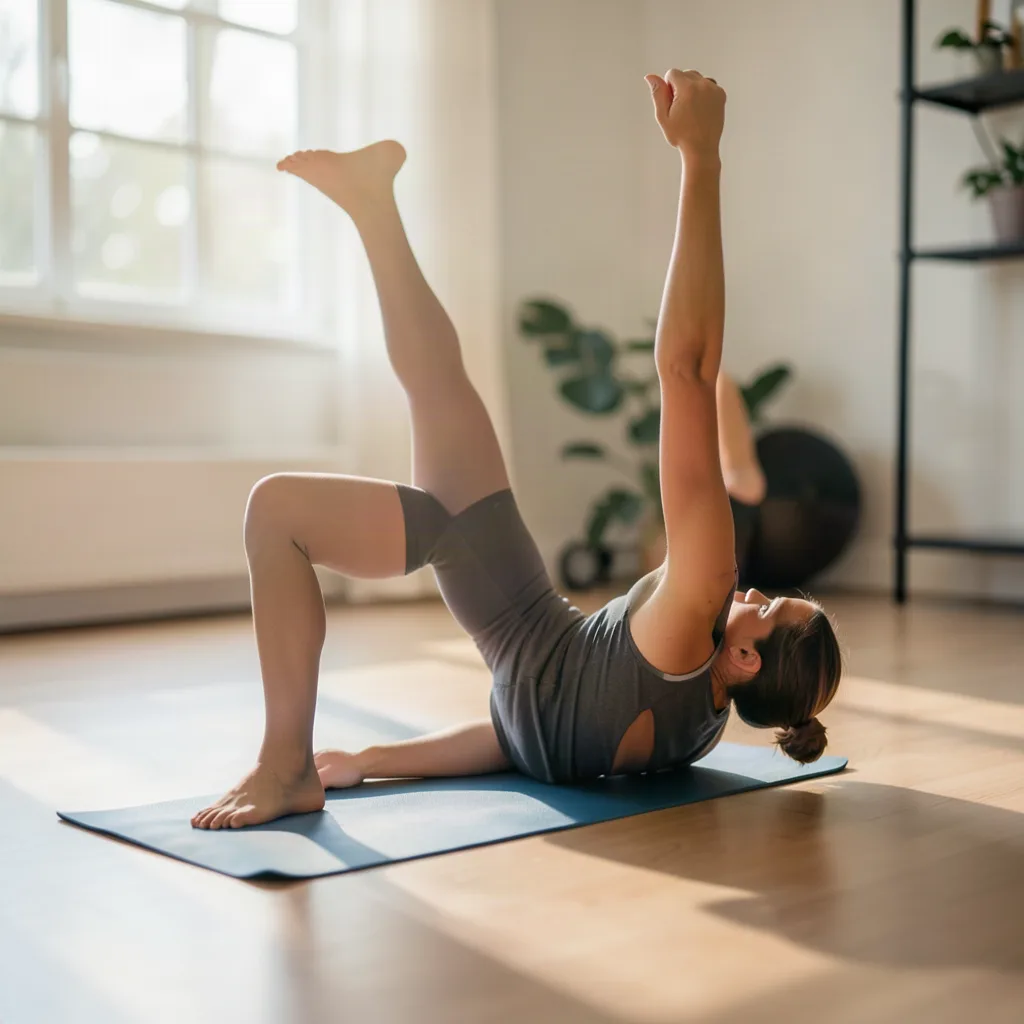
Constipation is a common digestive complaint that can affect anyone, regardless of age or activity level. While dietary fiber and adequate hydration are foundational, regular movement plays a crucial role in keeping the colon active and encouraging regular bowel movements. This article explores a range of safe, evidence‑informed exercises that can help relieve sluggish digestion, improve gut motility, and support overall well‑being. Each section provides clear instructions, suggested repetitions, and tips for integrating the movements into daily life.
Understanding Constipation and Its Causes
Before diving into specific workouts, it helps to know what constipation actually is. In medical terms, constipation is defined as having fewer than three bowel movements per week, or experiencing hard, difficult‑to‑pass stools. Common contributors include low fiber intake, insufficient water, stress, certain medications, and a sedentary lifestyle. When the muscles of the colon move too slowly, water is absorbed from the stool, making it dry and hard.
While diet and fluids are the first line of defense, the muscles of the abdomen, pelvis, and lower back also influence how efficiently the colon contracts. Physical activity can stimulate the autonomic nervous system, which controls involuntary actions such as peristalsis—the wave‑like contractions that push waste through the intestines.
Why Movement Matters for Gut Motility
Research shows that moderate‑intensity exercise increases the frequency of bowel movements in otherwise healthy adults. The mechanisms are twofold:
- Mechanical stimulation: The gentle jostling of the abdominal cavity during movement helps massage the intestines, encouraging peristaltic waves.
- Hormonal influence: Physical activity triggers the release of hormones like motilin, which directly promote intestinal contractions.
Even short bouts of activity—10 to 15 minutes—can make a noticeable difference, especially when performed consistently throughout the week.
Gentle Stretching Routines
Stretching loosens tight muscles that may compress the abdominal organs. The following sequence can be done on a mat or carpet, preferably after a light warm‑up such as marching in place for two minutes.
- Cat‑Cow Pose (Marjaryasana‑Bitilasana): Begin on hands and knees. Inhale, arch the back, lift the head (Cow). Exhale, round the spine, tuck the chin (Cat). Repeat for 1 minute, moving with the breath.
- Seated Forward Fold: Sit with legs extended. Inhale, lengthen the spine; exhale, hinge at the hips and reach toward the toes. Hold for 30 seconds, breathing deeply.
- Supine Knee‑to‑Chest: Lie on the back, draw one knee toward the chest, clasp the shin, and gently pull. Hold 20 seconds per side, then repeat with both knees together for 45 seconds.
These stretches promote abdominal circulation and can be performed two to three times daily, especially after meals.
Core‑Strengthening Moves
Strong core muscles support the intestines and help maintain proper posture, which in turn reduces pressure on the colon. Incorporate the following exercises 3‑4 times per week:
- Dead Bug: Lie on your back with arms straight toward the ceiling and knees bent at 90 degrees. Slowly lower the right arm behind you while extending the left leg, keeping the lower back pressed to the floor. Return to start and switch sides. Perform 2 sets of 10 repetitions per side.
- Bird‑Dog: From hands‑and‑knees, extend the right arm forward and left leg back, keeping hips level. Hold 5 seconds, then return. Alternate sides for 2 sets of 12.
- Modified Plank: Support the body on forearms and knees (instead of toes) to reduce strain. Hold for 20‑30 seconds, focusing on engaging the deep abdominal muscles. Gradually increase the hold time as strength improves.
These moves engage the transverse abdominis and pelvic floor, both of which assist in gentle colon compression during peristalsis.
Aerobic Activities That Stimulate Digestion
Cardiovascular exercise raises heart rate and increases blood flow to the digestive tract. The key is consistency rather than intensity. Choose activities that you enjoy and can sustain for at least 20 minutes:
- Brisk Walking: Aim for a pace that allows conversation but feels slightly challenging. A 30‑minute walk after lunch can be especially effective.
- Stationary Cycling: Low‑impact and easy on joints, cycling for 20‑25 minutes at a moderate resistance can activate the core and promote bowel movement.
- Swimming: The buoyant environment reduces strain while providing a full‑body workout. Swim laps for 20 minutes, alternating between freestyle and backstroke.
Start with three sessions per week and gradually increase to five, listening to your body and adjusting duration as needed.
Yoga Sequences for Regularity
Yoga combines stretch, breath, and mindful movement, making it a powerful tool for digestive health. The following flow can be practiced in the morning or evening:
- Wind‑Relieving Pose (Pavanamuktasana): Lie on the back, draw both knees toward the chest, clasp hands around the shins, and gently rock side to side for 1 minute.
- Twist (Supta Matsyendrasana): With arms outstretched, drop both knees to the right while turning the head left. Hold 45 seconds, then switch sides.
- Bridge Pose (Setu Bandhasana): Press feet into the floor, lift hips, and interlace hands under the back. Hold for 30 seconds, breathing into the abdomen.
- Child’s Pose (Balasana): Sit back on heels, stretch arms forward, and rest forehead on the mat for 1 minute, focusing on diaphragmatic breathing.
Each pose encourages gentle compression and release of the abdominal organs, supporting natural bowel movement patterns.
Pilates Techniques for Pelvic Floor Support
Pilates emphasizes controlled breathing and core engagement, which can improve the coordination of the pelvic floor muscles. Try these beginner‑level exercises twice weekly:
- Pelvic Curl: Lie on the back, knees bent, feet hip‑width. Inhale, then exhale as you lift the pelvis, creating a bridge. Inhale at the top, exhale to roll down. Perform 10 repetitions.
- Single‑Leg Stretch: Lie on the back, lift head and shoulders, bring one knee into the chest while extending the opposite leg. Switch legs in a fluid motion for 12 repetitions per side.
- Heel Slides: With a pillow under the lower back for support, slide one heel along the floor, keeping the core engaged. Alternate legs for 15 repetitions each.
Consistent practice helps the pelvic floor relax and contract appropriately, which can ease the passage of stool.
Lifestyle Tips to Maximize Exercise Benefits
Exercise works best when paired with supportive habits:
- Hydration: Aim for at least eight 8‑ounce glasses of water daily. Sip throughout the day, especially before and after workouts.
- Fiber‑Rich Foods: Include whole grains, fruits, vegetables, legumes, and nuts in meals. Gradually increase fiber to avoid gas.
- Regular Meal Times: Eating at consistent intervals trains the digestive system to expect food, which can improve motility.
- Post‑Meal Walk: A 10‑minute walk after meals stimulates the gastrocolic reflex, prompting the colon to contract.
- Stress Management: Practice deep‑breathing, meditation, or progressive muscle relaxation to reduce cortisol, which can slow digestion.
By weaving these habits into a daily routine, the exercises described above become even more effective at promoting regularity.
Resistance Band & Functional Strength Workouts for Gut Motility
While traditional core work is valuable, incorporating resistance bands and functional strength movements can create a more comprehensive stimulus for the abdominal and pelvic regions. The added load encourages deeper muscle recruitment, which in turn produces a gentle, rhythmic compression of the intestines—much like a subtle internal massage.
Why resistance matters
- Progressive overload: Gradually increasing tension trains the transverse abdominis and obliques to contract more efficiently, supporting the natural peristaltic wave.
- Joint‑friendly activation: Bands provide resistance without the heavy axial loading of free weights, making the exercises safe for people with lower‑back concerns.
- Versatility: Bands can be anchored to doors, furniture, or even a sturdy tree, allowing you to perform a full‑body routine in a small space.
Sample routine (perform 2‑3 times per week)
- Standing Banded Pallof Press: Attach a medium‑resistance band to a fixed point at chest height. Stand perpendicular to the anchor, hold the handle with both hands, and press it straight out in front of you, resisting rotation. Hold for 5 seconds, then return. Complete 12 reps each side. This anti‑rotation move forces the deep core to stabilize, encouraging a coordinated contraction of the abdominal wall.
- Seated Banded Hip Flexor March: Sit on a sturdy chair, loop a light band around both ankles. Lift one knee toward the chest while keeping the opposite foot flat, then alternate. Perform 15‑20 marches per leg. The hip flexors attach to the pelvis; their activation helps align the pelvic floor with the colon.
- Supine Banded Leg Pull‑Through: Lie on your back, loop a band around the soles of both feet, and hold the ends in your hands. Press your heels into the band and lift hips into a bridge, then slowly lower. Repeat for 10‑12 repetitions. The combined gluteal and hamstring engagement creates a gentle posterior tilt, relieving pressure on the lower abdomen.
- Band‑Assisted Bird‑Dog: Loop a light band around your wrists and another around your ankles. From a hands‑and‑knees position, extend the opposite arm and leg against the band’s tension, hold 3 seconds, then return. Perform 10 reps per side. The resistance forces the core stabilizers to fire more deliberately, enhancing the rhythmic “pumping” action that aids bowel transit.
Edge cases & modifications
- If you have limited shoulder mobility, perform the Pallof Press with a single‑handed grip or use a shorter band to reduce the lever arm.
- For individuals with severe lower‑back pain, replace the supine bridge with a gluteal march (alternating heel lifts while lying flat) to avoid excessive lumbar extension.
- When working with children, turn the banded march into a game—”who can lift their knee the highest?”—to keep motivation high while still stimulating the core.
Integrating these band‑based movements into your weekly plan adds a progressive challenge that complements the gentle stretches already discussed, giving the digestive system a more robust mechanical cue to stay active.
Outdoor Walking Strategies & Terrain Variations to Boost Peristalsis
Walking is the most accessible aerobic activity, yet the environment in which you walk can dramatically influence its digestive benefits. Changing terrain, pace, and timing creates varied muscular demands and stimulates the autonomic nervous system in distinct ways.
Key variables to manipulate
- Incline: Walking uphill engages the glutes, hamstrings, and calf muscles more intensely, increasing intra‑abdominal pressure during each step.
- Surface: Uneven ground (gravel paths, forest trails) forces subtle adjustments in balance, activating the core stabilizers.
- Pace intervals: Alternating between brisk and moderate speeds creates a “interval” effect that mirrors high‑intensity bursts without the associated dehydration risk.
- Timing relative to meals: A post‑prandial walk (10‑15 minutes after a meal) leverages the gastrocolic reflex, prompting the colon to contract.
Practical walking protocol
- Warm‑up (5 minutes): Walk on a flat surface at a relaxed pace, focusing on deep diaphragmatic breaths.
- Hill intervals (10 minutes): Find a gentle hill or a set of stairs. Walk up at a steady, slightly challenging pace for 30 seconds, then descend slowly for 60 seconds. Repeat 6‑8 times.
- Trail segment (5 minutes): Transition to a natural trail with small rocks or roots. Keep your stride light, allowing the ankle and core muscles to make micro‑adjustments.
- Cool‑down (5 minutes): Return to a flat path, slow your pace, and incorporate arm swings to release any residual tension.
Special considerations
- Joint protection: If you have knee osteoarthritis, limit hill steepness and focus on the trail segment, which offers lower impact while still activating the core.
- Weather adaptation: In hot climates, schedule walks early morning or late evening to avoid excessive sweating, which can lead to dehydration and worsen constipation.
- Safety: Wear supportive shoes with good traction, especially on uneven terrain, to prevent falls that could interrupt the routine.
By deliberately varying the walking environment, you provide a richer set of mechanical cues to the digestive tract, encouraging more consistent peristaltic activity than a monotonous treadmill stroll.
Targeted Breathing and Diaphragmatic Activation Techniques
Breathing is often overlooked as a therapeutic tool for constipation, yet the diaphragm’s movement directly influences intra‑abdominal pressure and the flow of blood to the gut. Structured breathwork can be practiced independently or paired with any physical activity.
Physiological rationale
- During a deep inhalation, the diaphragm contracts and moves downward, gently compressing the abdominal cavity and stimulating the colon.
- Exhalation activates the parasympathetic nervous system, which promotes relaxation of the sphincters and encourages stool passage.
Three breath patterns for digestive health
- Abdominal (Diaphragmatic) Breath: Sit or lie comfortably. Place one hand on the chest and the other on the belly. Inhale slowly through the nose for a count of 4, feeling the belly rise while the chest remains relatively still. Exhale through pursed lips for a count of 6, allowing the belly to fall. Perform 5‑10 cycles, focusing on a smooth, rhythmic flow.
- 4‑7‑8 Relaxation Breath: Inhale through the nose for 4 seconds, hold the breath for 7 seconds, then exhale slowly through the mouth for 8 seconds. The prolonged exhalation enhances vagal tone, which can reduce stress‑related constipation.
- Pelvic Floor Release Breath: Begin in a supine position with knees bent. Inhale to expand the abdomen, then as you exhale, gently contract the pelvic floor (as if stopping urine flow) and lift the hips a few centimeters off the floor, holding for 2 seconds before releasing. Repeat 8‑12 times. This coordinated contraction‑relaxation mimics the natural squeeze‑release pattern needed for stool evacuation.
Integrating breathwork into daily life
- During a desk break, stand, place hands on the lower ribs, and perform three rounds of diaphragmatic breathing before returning to work.
- Combine the 4‑7‑8 pattern with a short walk after dinner to reinforce the post‑meal gastrocolic reflex.
- Use the pelvic floor release breath before attempting a bowel movement; the gentle lift can help align the rectum and ease passage.
Edge cases
- If you have severe anxiety, start with shorter inhalations (count of 2) and gradually lengthen as comfort increases.
- Individuals with chronic obstructive pulmonary disease (COPD) should avoid breath holds longer than 5 seconds and consult a respiratory therapist before practicing the 4‑7‑8 technique.
These breathing strategies can be practiced anywhere, require no equipment, and complement the movement‑based approaches already outlined, creating a holistic stimulus for bowel regularity.
Mind‑Body Movement Practices Beyond Yoga (Feldenkrais, Tai Chi, Alexander Technique)
While yoga is a well‑known ally for digestion, other mind‑body disciplines offer subtle yet powerful ways to re‑educate movement patterns that affect the gut. These practices emphasize awareness, micro‑adjustments, and the release of habitual tension that can compress the intestines.
Feldenkrais Method
- Core concept: Through gentle, exploratory movements, you discover new ways to move that reduce unnecessary muscular guarding.
- Sample lesson – “Pelvic Clock”: Lie on your back with knees bent. Imagine a clock face overlaying your pelvis. Gently tilt the pelvis to 12 o’clock (tilt forward), then to 6 o’clock (tilt backward), and to 3 and 9 o’clock (side‑to‑side). Perform each tilt slowly, focusing on the sensation of the lower back and abdomen releasing. Repeat 5 cycles.
Tai Chi for Digestive Flow
- Core concept: Slow, flowing movements coordinated with breath promote circulation and stimulate the parasympathetic nervous system.
- Sample sequence – “Wave Hands in the Clouds”: From a relaxed stance, shift weight to the right foot, turn the torso left, and sweep both arms upward and outward as you inhale. Exhale while bringing the arms down, crossing them in front of the chest. Alternate sides for 8‑10 repetitions. The lateral torso rotation gently massages the internal organs.
Alexander Technique
- Core concept: By learning to release excessive neck and shoulder tension, you allow the spine to lengthen, which opens the thoracic cavity and reduces pressure on the abdominal contents.
- Practical cue – “Primary Control”: While seated, imagine a gentle string pulling the crown of your head upward while the tailbone releases downward. Maintain this subtle lengthening while you stand up, walk, or perform daily chores. The improved postural alignment can alleviate compression of the colon.
When to choose one practice over another
- If you struggle with chronic muscular tension in the back and shoulders, the Alexander Technique may provide the most immediate relief.
- If you enjoy fluid, meditative movement and want a low‑impact cardio component, Tai Chi offers a gentle aerobic boost.
- If you prefer a curiosity‑driven, exploratory approach that can be done at home without a partner, Feldenkrais lessons (often available on video) are ideal.
Integrating any of these mind‑body modalities once or twice a week adds a nuanced layer of neuromuscular re‑education that complements the more overt muscular work described earlier.
Leveraging Technology: Apps, Wearables, and Data‑Driven Motivation
Modern digital tools can turn an abstract goal—”walk more” or “stretch daily”—into a measurable habit. When it comes to constipation, tracking both activity and bowel patterns creates a feedback loop that helps you identify which movements are most effective for you.
Key categories of useful technology
- Activity trackers (e.g., Fitbit, Apple Watch): Set a daily step goal of 7,000–10,000 steps and enable the “move reminder” to stand up and stretch every hour.
- Bowel‑log apps (e.g., PoopLog, Bowelle): Record stool consistency using the Bristol Stool Chart, note the time of movement, and tag the activity performed beforehand.
- Guided‑movement platforms (e.g., YouTube channels, specialized apps like “Yoga for Digestion”): Follow short video routines that align with the exercises described in this article.
- Hydration reminders: Smart water bottles (e.g., HidrateSpark) glow when you need to drink, ensuring you stay hydrated during workouts.
Creating a simple data‑driven workflow
- Morning: Open your activity tracker and set a “stroll” goal for the day (e.g., 30‑minute walk after breakfast).
- Mid‑day: Perform a 5‑minute banded core circuit. Log the session in the tracker as “strength” and note any immediate sensation (e.g., “gentle abdominal pressure”).
- Evening: Before dinner, do a 3‑minute diaphragmatic breathing routine. Record the time in your bowel‑log app.
- Post‑dinner: Take a 10‑minute walk. The tracker will automatically capture steps; later, in the bowel‑log, mark the walk and observe whether a bowel movement occurs within the next 30‑60 minutes.
Analyzing patterns
- After two weeks, export the data to a spreadsheet. Look for correlations such as “walk after dinner + 30‑minute window = softer stool” or “no breathing exercise = delayed bowel movement.”
- Adjust the routine based on findings—perhaps increase the frequency of a particular exercise that shows the strongest positive impact.
Edge cases and privacy considerations
- If you have a medical condition that limits heart rate, set the wearable to “low‑impact” mode to avoid false alerts.
- For users concerned about data security, choose apps that store information locally on the device rather than in the cloud.
- When sharing data with a healthcare provider, use a de‑identified summary (e.g., average steps per day, frequency of soft stools) to protect personal privacy.
By turning movement into quantifiable data, you empower yourself to make evidence‑based adjustments, ensuring that the exercises you perform truly support regular bowel function.
Tailoring Exercise Programs for Special Populations (Elderly, Children, Post‑Surgery, Chronic Illness)
One‑size‑fits‑all recommendations rarely address the nuanced needs of diverse groups. Below are evidence‑based adaptations that respect safety, developmental stage, and medical constraints while still harnessing the motility‑boosting power of movement.
Elderly Adults
- Focus on low‑impact, balance‑centric activities: Chair‑based marching, seated side‑leg lifts, and gentle wall push‑ups keep the heart rate modest while stimulating the core.
- Progression example: Start with 5 minutes of seated marching (2‑3 times per day). After one week, add a 2‑minute standing heel‑to‑toe walk using a sturdy countertop for support.
- Safety tip: Ensure the environment is free of tripping hazards; keep a chair nearby for immediate support if dizziness occurs.
Children (Age 5‑12)
- Make it playful: Turn the “Knee‑to‑Chest” into a “rocket launch” game—children pull their knees to their chest and imagine blasting off, holding for 3 seconds before landing.
- Short, frequent bursts: 3‑minute activity stations during school recess (e.g., hop‑scotch, animal walks) keep the gut moving without requiring long‑duration workouts.
- Hydration reminder: Use a fun water‑tracking chart with stickers to encourage regular sipping, which is crucial for kids who may forget to drink during play.
Post‑Surgery Recovery (e.g., abdominal or orthopedic surgery)
- Phase 1 (Days 1‑3): Gentle diaphragmatic breathing while lying supine; ankle pumps to maintain circulation.
- Phase 2 (Days 4‑7): Add seated pelvic tilts and gentle banded leg slides, ensuring no strain on incision sites.
- Phase 3 (Weeks 2‑4): Progress to standing heel‑to‑toe walks, gradually increasing step length as tolerated.
- Medical clearance: Always obtain surgeon or physiotherapist approval before advancing to weight‑bearing activities.
Chronic Illness (e.g., Diabetes, Parkinson’s, Multiple Sclerosis)
- Diabetes: Aim for moderate‑intensity walking (3‑4 mph) after meals to improve glycemic control and stimulate the gastrocolic reflex. Monitor blood glucose before and after activity.
- Parkinson’s disease: Incorporate rhythmic cueing (music with a steady beat) during walking to improve stride consistency, which also aids abdominal massage.
- Multiple Sclerosis: Prioritize seated core activation (e.g., seated dead bug) to avoid overheating, a common trigger for symptom flare‑ups.
Universal adaptation checklist
- Assess baseline mobility and any contraindications.
- Select movements that stay within a “comfort zone”—no sharp pain or excessive breathlessness.
- Start with 5‑minute sessions, gradually adding 2‑3 minutes each week.
- Pair each session with a hydration cue (e.g., sip water before and after).
- Document perceived bowel changes alongside the exercise log to evaluate effectiveness.
Customizing the exercise plan to the individual’s physiological context maximizes safety while still delivering the mechanical and hormonal signals that promote regular bowel movements.
Frequently Asked Questions
1. How soon can I expect to see results from these exercises?
Most people notice a modest improvement within a few days of consistent activity, especially after incorporating post‑meal walks and gentle stretches. Full adaptation may take two to three weeks.
2. Are there any movements I should avoid if I have chronic constipation?
High‑impact or very intense workouts that cause excessive dehydration can worsen symptoms. If you have a specific medical condition, consult a healthcare professional before starting a new routine.
3. Can I combine these exercises with probiotic supplements?
Yes. Probiotics support a healthy gut microbiome, and when paired with regular movement, they may enhance overall digestive function. Choose a reputable brand and follow the label dosage.
4. How much water should I drink during exercise?
For moderate activity, aim to sip 4‑6 ounces of water every 15‑20 minutes. Adjust based on temperature, sweat rate, and personal comfort.
5. Is it safe to do these exercises while pregnant?
Many of the gentle stretches, walking, and prenatal‑friendly yoga poses are appropriate during pregnancy, but it’s essential to obtain clearance from a prenatal care provider and avoid any position that feels uncomfortable or causes pressure on the abdomen.
Related posts:
 Pelvic Floor Expert’s Advice
 Kate Hudson’s Safe Pilates Moves for Pregnancy
 Tension Headaches and Pelvic Floor
 New Mom Strong: A Gentle Core Recovery Workout for Post-Pregnancy Bodies
 Common Kegel Exercise Mistakes: Perfecting Your Pelvic Floor Workouts
 The Safe Ab Exercises Every Pregnant Woman Should Know
 Pelvic Floor and Constipation
 Bathroom Habits Guide