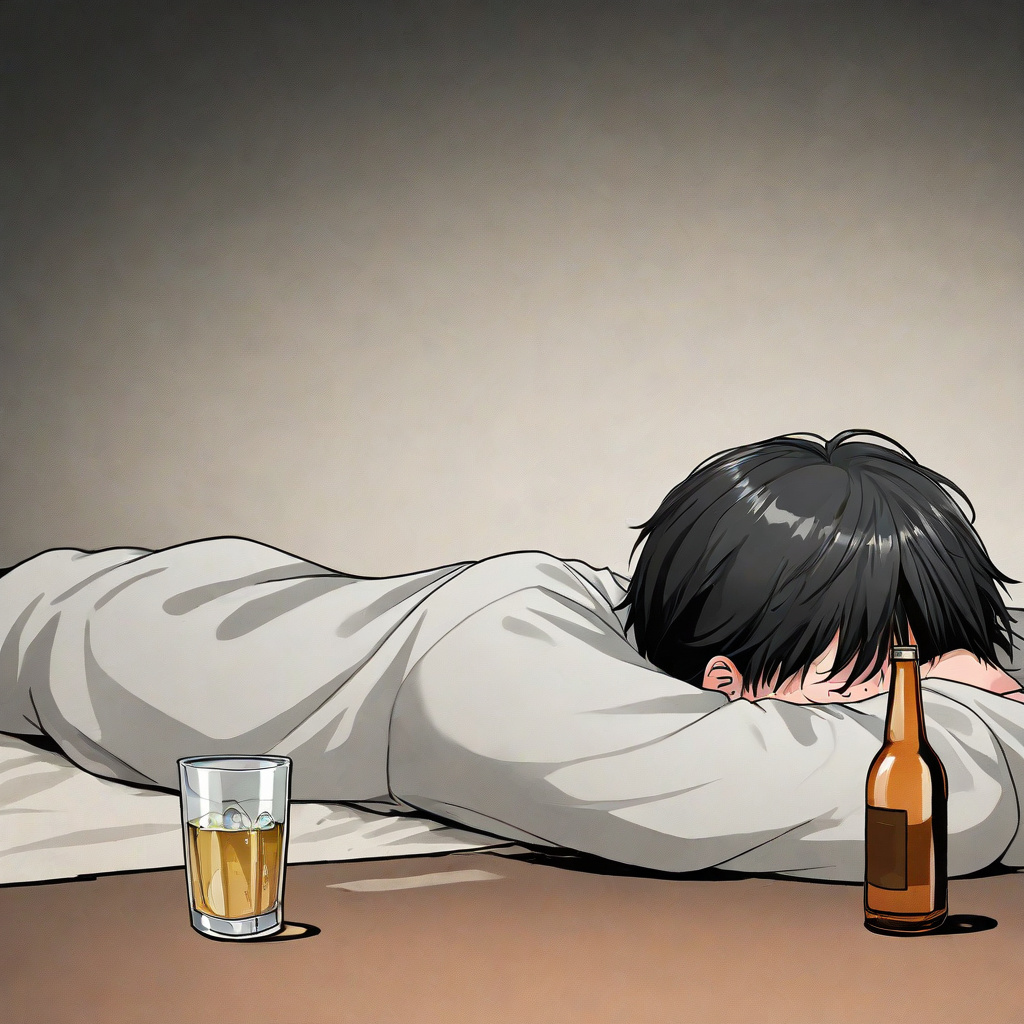
You wake up after a night out, expecting the classic headache and nausea to fade by afternoon. Instead, you’re stuck in a fog that lingers for days—brain fog, fatigue, low mood, and a general sense that your body just won’t bounce back. This isn’t a typical hangover; it’s a phenomenon sometimes called the “hangover gap” or a multi-day alcohol recovery period. The truth is, alcohol’s impact extends far beyond the immediate aftermath, affecting your brain chemistry, hormones, gut health, and sleep architecture in ways that can leave you depleted for much longer than you’d expect.
The Immediate Hangover vs. The Lingering Drag
First, let’s distinguish between the acute hangover and the prolonged fatigue. An acute hangover, peaking 8-24 hours after your last drink, is primarily caused by dehydration, electrolyte imbalance, the toxic byproduct acetaldehyde, inflammation, and disrupted blood sugar. Your body works hard to process the alcohol, leading to the well-known symptoms.
The lingering exhaustion, however, is a different beast. It’s your body and brain working to restore homeostasis across multiple systems that were profoundly disrupted. Think of the acute phase as the initial blast; the days that follow are the complex cleanup and rebuilding operation. Recognizing this distinction is the first step to addressing it effectively.
Neurotransmitter Chaos: The Brain Chemistry Rollercoaster
Alcohol is a central nervous system depressant that initially boosts the feel-good neurotransmitter GABA and inhibits the excitatory glutamate. To compensate, your brain dials down its own GABA production and ramps up glutamate activity. When the alcohol leaves your system, you’re left with a deficit of calming GABA and a surge of stimulating glutamate. This imbalance can cause anxiety, restlessness, and a jangled nervous system for days.
More critically, alcohol causes a massive, artificial flood of dopamine. Your brain, in response, reduces its own dopamine receptors and production to try to maintain balance. In the days after drinking, you can be left in a dopamine deficit state. This isn’t just about feeling less pleasure; dopamine is crucial for motivation, focus, and motor control. A shortage manifests as profound lethargy, anhedonia (inability to feel pleasure), brain fog, and a lack of drive—classic symptoms of that “days-after” slump.
The Sleep Sabotage That Lasts for Nights
This is one of the biggest culprits behind multi-day fatigue. While alcohol might help you fall asleep faster, it devastates sleep quality. It suppresses rapid eye movement (REM) sleep, the crucial stage for cognitive restoration, memory consolidation, and emotional processing. Your body may experience a “REM rebound” on subsequent nights, but the architecture remains fragmented.
Alcohol also disrupts your circadian rhythm by interfering with the production of melatonin, the sleep hormone. It can exacerbate sleep apnea and cause more frequent awakenings as your body metabolizes it. The result? You might “sleep” for eight hours but wake up unrefreshed. This sleep debt accumulates, and if you drink on a Friday, you might still be paying it off with poor sleep on Sunday and Monday, compounding the daytime exhaustion.
Systemic Inflammation and Immune System Hangover
Alcohol, especially in excess, is pro-inflammatory. It can increase gut permeability (sometimes called “leaky gut”), allowing endotoxins from gut bacteria to enter the bloodstream. This triggers a systemic immune response, releasing inflammatory cytokines. This low-grade inflammation can persist for days, contributing to that all-over achiness, mental fog, and prolonged fatigue. Your immune system is literally diverted from its regular patrol duties to deal with this internal crisis, leaving you more vulnerable to actual bugs and feeling rundown.
The Dehydration and Nutrient Depletion Domino Effect
Alcohol is a diuretic, flushing out water and essential electrolytes like magnesium, potassium, sodium, and B vitamins (especially B1, B6, and B12). Even after you rehydrate, restoring cellular electrolyte balance and replenishing nutrient stores takes time. Magnesium, for instance, is involved in over 300 enzymatic reactions, including energy production (ATP synthesis) and muscle relaxation. A deficit directly contributes to fatigue, muscle cramps, and irritability. B vitamins are co-factors in converting food into cellular energy. Without them, your metabolic engines sputter.
Hormonal Disruption: Stress, Blood Sugar, and Cortisol
Alcohol consumption spikes blood sugar initially, followed by a crash as your pancreas releases insulin. This rollercoaster can continue to affect your glucose stability for days, leading to energy dips, cravings, and irritability.
Furthermore, alcohol is perceived by the body as a physiological stressor. It can dysregulate the hypothalamic-pituitary-adrenal (HPA) axis, leading to abnormal cortisol rhythms. You might experience elevated cortisol at night (when it should be low, disrupting sleep) and flattened cortisol in the morning (when you need it to feel alert). This misaligned stress-hormone profile is a direct recipe for persistent fatigue and difficulty handling everyday stress.
Practical Strategies for a Faster, Fuller Recovery
Knowing the causes allows for targeted recovery. Hydration is step zero, but make it strategic. Drink electrolyte-rich fluids (bone broth, coconut water, or an electrolyte mix) rather than plain water alone. Prioritize nutrient-dense foods: eggs (choline, B vitamins), leafy greens (magnesium, folate), salmon (omega-3s, B12), and sweet potatoes (potassium, complex carbs). Consider a high-quality B-complex supplement and magnesium glycinate for a few days post-alcohol.
For sleep, protect your sleep hygiene fiercely. Avoid screens before bed, keep the room cool and dark, and consider a melatonin supplement (0.5-1 mg) for 1-2 nights to help reset your rhythm. Gentle movement, like walking or yoga, can reduce inflammation, improve circulation, and boost mood without overtaxing your system.
Listening to Your Body: A Signal, Not a Flaw
This extended recovery period is data. It’s your body communicating its limits and the true cost of processing a potent substance. The duration and severity can be influenced by age, genetics, overall health, liver function, and what you drank. Congeners—compounds in darker liquors like bourbon, red wine, and whiskey—can worsen and prolong symptoms. Paying attention to these patterns, rather than fighting through them, empowers you to make informed choices.
The Gut-Brain Connection: How Post-Drinking Dysbiosis Fuels Lasting Fatigue
While the existing article mentions gut permeability and inflammation, it doesn’t explore the profound, days-long cascade triggered by alcohol’s assault on your microbiome. Alcohol doesn’t just create a “leaky gut”; it actively reshifts the bacterial population in your intestines, favoring pro-inflammatory species like Enterobacteriaceae while depleting beneficial, anti-inflammatory bacteria such as Lactobacillus and Bifidobacterium. This dysbiosis isn’t corrected in a few hours. The inflammatory cytokines released by this imbalanced gut—particularly interleukin-6 (IL-6) and tumor necrosis factor-alpha (TNF-α)—can circulate for days, directly contributing to that persistent brain fog and bodily malaise. Furthermore, your gut bacteria are primary producers of key neurotransmitters like serotonin (approximately 90% of it) and gamma-aminobutyric acid (GABA). When their populations are disrupted, so is your body’s ability to naturally replenish these calming chemicals post-alcohol, extending the neurochemical recovery timeline. Practical recovery, therefore, must include gut repair: consider incorporating a multi-strain probiotic for several days after drinking, along with prebiotic fibers from foods like oats, bananas, and asparagus to feed the remaining good bacteria.
Mitochondrial Mayhem: When Your Cellular Power Plants Shut Down
The feeling of having “no energy” days after drinking is often literal at the cellular level. Alcohol and its metabolite, acetaldehyde, are direct mitochondrial toxins. Mitochondria are the organelles within your cells responsible for producing adenosine triphosphate (ATP), the fundamental currency of energy. Acetaldehyde damages mitochondrial DNA and inhibits key enzymes in the electron transport chain, the final stage of ATP production. The result is a state of bioenergetic failure. Your cells, particularly in energy-hungry organs like the brain, heart, and muscles, struggle to generate sufficient ATP. This isn’t a simple nutrient deficiency; it’s structural damage that requires time for repair and mitochondrial biogenesis (the creation of new mitochondria). Symptoms include profound physical fatigue, exercise intolerance, and mental sluggishness that can persist long after hydration and electrolytes are restored. Supporting mitochondrial recovery involves antioxidants like N-acetylcysteine (NAC), which replenishes glutathione—your body’s master antioxidant that protects mitochondria—and nutrients like Coenzyme Q10 and alpha-lipoic acid, which are direct co-factors in the energy production process.
The Histamine Hangover: An Overlooked Culprit in Multi-Day Malaise
For a significant subset of people, prolonged post-drinking symptoms are exacerbated, or even primarily driven, by histamine intolerance. Many alcoholic beverages, especially fermented and aged ones like red wine, champagne, beer, and whiskey, are high in histamine and other biogenic amines. Alcohol also inhibits the activity of diamine oxidase (DAO), the primary enzyme your gut uses to break down dietary histamine. This double hit—high histamine load plus impaired clearance—can lead to a systemic histamine overload that mirrors and extends a hangover. Symptoms include persistent headache (beyond the first day), flushing, nasal congestion, skin itching, anxiety, palpitations, and fatigue that can drag on for 48-72 hours. This is distinct from the neurochemical or inflammatory pathways and often doesn’t respond to standard rehydration. Managing this involves recognizing trigger drinks (dark liquors and fermented beverages are typically worst) and considering an OTC DAO enzyme supplement taken before drinking to aid breakdown. Post-incident, antihistamines may provide some relief, but the fatigue often lingers until the excess histamine is fully metabolized.
Adrenal Exhaustion vs. HPA Axis Dysregulation: The Stress System Burnout
The article touches on cortisol disruption, but the impact on the entire hypothalamic-pituitary-adrenal (HPA) axis is more nuanced and long-lasting. Alcohol is a significant physiological stressor. Initially, it may blunt the cortisol response, but as the body works to process the toxin, it can trigger a prolonged, dysregulated stress response. This isn’t necessarily “adrenal fatigue” in the clinical sense, but a state of HPA axis dysfunction where the communication between your brain (hypothalamus), pituitary gland, and adrenal glands becomes blunted or erratic. The consequence in the days following drinking can be a flattened cortisol curve: you lack the healthy morning spike needed for alertness, yet experience inappropriate elevations at night that sabotage sleep. This leaves you in a chronic low-energy, wired-but-tired state. Your body remains in a low-grade “fight-or-flight” mode, diverting energy resources away from repair, digestion, and immunity toward basic survival functions. Recovery requires true parasympathetic nervous system activation: techniques like diaphragmatic breathing, meditation, or spending time in nature are not just “relaxing”—they are direct signals to your HPA axis that the crisis has passed, helping to restore a normal circadian cortisol rhythm over several days.
Post-Acute Withdrawal Symptoms (PAWS): When the Brain Remodels Itself
For those who drink regularly, even moderately, the multi-day slump can share features with subclinical post-acute withdrawal symptoms (PAWS). When alcohol, a central nervous system depressant, is consistently present, the brain makes adaptive changes to maintain equilibrium—a process called neuroadaptation. After the alcohol is removed, the brain must readjust again, but this “re-normalization” of receptor sensitivity, neurotransmitter levels, and neural pathways is a slow, uneven process that can take weeks, not hours. The lingering anxiety, mood dips, anhedonia, sleep disturbances, and cognitive fog days after a single drinking episode are, in essence, a mild, abbreviated form of this. It’s your brain struggling to regain its non-alcohol-influenced baseline. This explains why the fatigue feels neurological and emotional, not just physical. It also underscores why recovery isn’t linear; you might feel better on day two, only to experience a resurgence of brain fog on day three as different neural systems recalibrate at different paces. There’s no quick fix for neural remodeling—it requires consistent sleep, nutrition, and time, highlighting the profound impact a single night of drinking can have on brain chemistry.
Glymphatic System Stagnation: The Brain’s Nightly Detox, Interrupted
The glymphatic system is the brain’s recently discovered waste-clearance network. It becomes most active during deep, non-REM sleep, flushing out metabolic debris like beta-amyloid and tau proteins through cerebrospinal fluid. Alcohol’s well-documented destruction of deep sleep architecture has a direct and underappreciated consequence: it severely impairs this overnight brain detoxification. When you drink, not only do you sleep poorly, but your brain misses its critical nightly cleaning cycle. Neurotoxic waste products accumulate. This buildup contributes directly to the inflammation, oxidative stress, and neuronal dysfunction that manifest as next-day brain fog. Crucially, this deficit isn’t fully corrected by one good night’s sleep. The backlog of waste may take several nights of high-quality, uninterrupted deep sleep to clear fully, providing a direct physiological mechanism for why cognitive fatigue and mental murkiness can persist for multiple days. Supporting glymphatic function post-alcohol involves prioritizing sleep above all else, maintaining a lateral sleeping position (shown to enhance clearance), and ensuring adequate hydration, as the system relies on efficient fluid dynamics.
The Cumulative Effect: How Weekend Drinking Creates a Permanent Energy Debt
Finally, a critical missing angle is the compounding, long-term effect of regular drinking episodes, even if separated by a “dry” workweek. If you drink on a Friday and Saturday night, you might not fully recover from the systemic inflammation, mitochondrial stress, and sleep debt from Friday before you hit your system again on Saturday. This starts a new, deeper recovery cycle. By Sunday, you’re facing the cumulative damage of two assaults. The poor sleep Sunday night extends the fatigue into Monday and Tuesday. If your recovery strategies are lacking, you may only return to a shaky baseline by Wednesday or Thursday—just in time for the next weekend. This creates a permanent, rolling energy debt where your body never truly gets back to optimal function. You exist in a state of chronic, low-grade recovery, which manifests as a persistent background fatigue, lowered resilience to stress, and a weakened immune system. Breaking this cycle requires either extending the time between drinking episodes to allow for full, multi-system recovery (often 5-7 days for a single moderate episode) or adopting robust, proactive recovery protocols that directly address the gut, mitochondria, and nervous system in the days following alcohol consumption.
Frequently Asked Questions
Why do I feel more anxious and down for days after drinking?
This is largely due to the neurotransmitter disruption explained earlier. The GABA deficit and glutamate surge create a physiologically anxious state. The dopamine crash leads to low mood, anhedonia, and a lack of motivation. It’s a chemical comedown, not a personal failing. Supporting your nervous system with hydration, nutrients, and rest is key.
Can “hangover cures” prevent this multi-day fatigue?
Most quick fixes address acute symptoms (dehydration, headache) but don’t prevent the deeper systemic disruptions to sleep, neurotransmitters, and inflammation. The most effective “prevention” is pacing, drinking plenty of water alongside alcohol, choosing clearer liquors with fewer congeners, and eating before and during. True recovery from the multi-day effects requires the holistic support strategies outlined above.
Does this mean my liver is damaged?
Not necessarily. A healthy liver is remarkably resilient and can process moderate amounts of alcohol. Prolonged fatigue is more about the widespread systemic effects on your brain, hormones, and metabolism than liver damage. However, if you consistently experience severe or worsening multi-day recoveries, it’s a sign your body is struggling, and discussing it with a healthcare provider is wise.
Are some people just more prone to this than others?
Absolutely. Genetics play a huge role in how efficiently you produce the enzymes (alcohol dehydrogenase and aldehyde dehydrogenase) that break down alcohol and its toxic byproduct, acetaldehyde. Variations can lead to faster accumulation of acetaldehyde, worsening and prolonging symptoms. Age is also a factor; recovery processes naturally slow down.
When should I be concerned about post-drinking fatigue?
If your fatigue is extreme, lasts more than 4-5 days, is accompanied by severe abdominal pain, jaundice (yellowing skin/eyes), or persistent dark urine, seek medical attention. For most, it’s a temporary state. The concern should be a signal to evaluate your relationship with alcohol and prioritize foundational health—sleep, nutrition, stress management, and hydration—which ultimately buffers against these effects.
Related posts:
 The Best Time to Drink Coffee in the Morning
 The Gut-Brain Highway: How Your Stomach Controls Your Mood
 5 Ways to Cure a Brutal Hangover
 Walking Off a Hangover
Walking Off a Hangover
Walking Off a Hangover
 New Mom, New Science: How Your Gut Health Could Be the Key to Beating Postpartum Blues
 Can Asparagus Really Prevent Hangovers? Experts Weigh In
 Brain-Boosting Foods