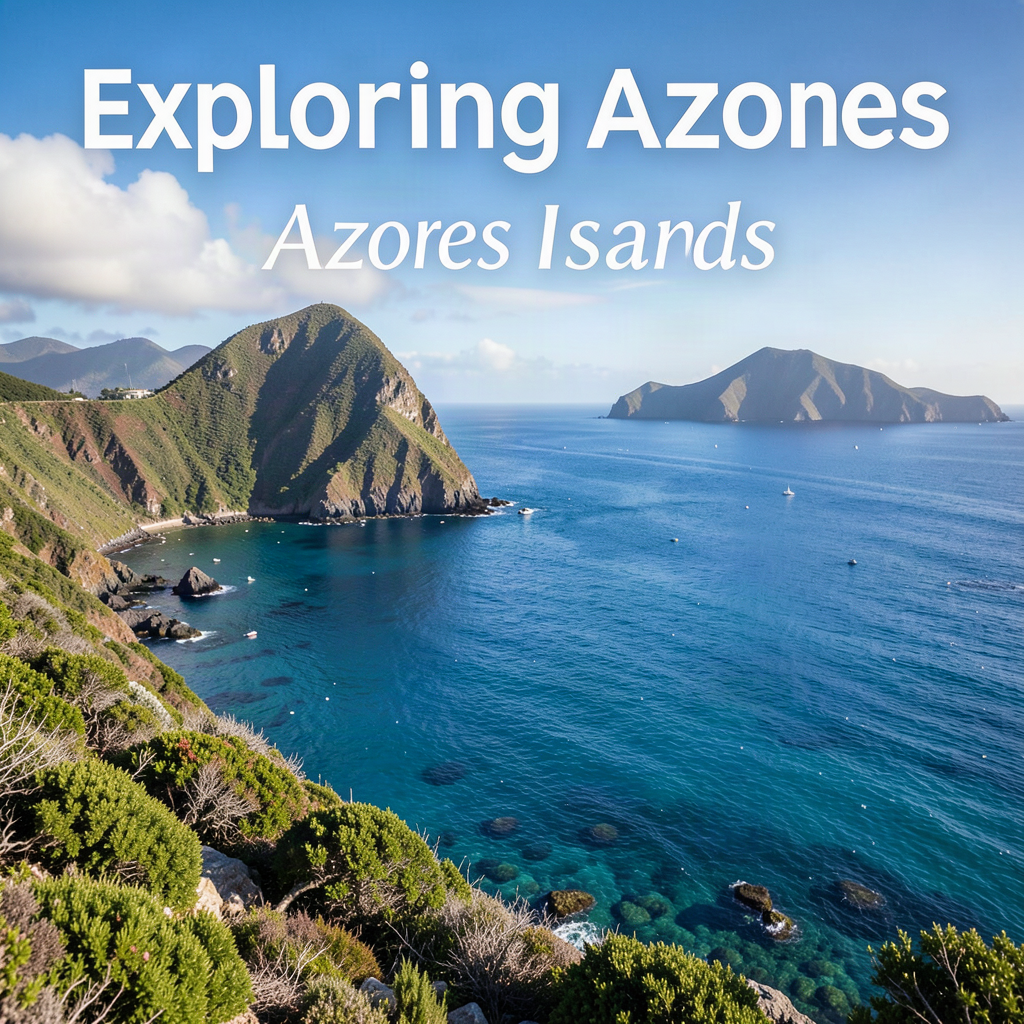
Nestled in the middle of the Atlantic Ocean, the Azores archipelago is a collection of nine volcanic islands that offer some of Europe’s most dramatic and unspoiled landscapes. From emerald-green crater lakes and towering cliffs to geothermal hot springs and historic villages, the Azores promise an adventure that feels both remote and deeply connected to nature. Whether you’re hiking along rugged coastal trails, diving into crystal-clear waters, or simply soaking in the serene atmosphere of a centuries-old town, these islands invite you to explore at your own pace and discover their unique charm.
Often described as the “Hawaii of Europe,” the Azores are an autonomous region of Portugal, located about 1,500 kilometers west of Lisbon. The archipelago is divided into three groups: the Eastern Group (São Miguel and Santa Maria), the Central Group (Terceira, Graciosa, São Jorge, Pico, and Faial), and the Western Group (Corvo and Flores). Each island has its own distinct personality, shaped by its volcanic origins, maritime climate, and rich cultural heritage.
What sets the Azores apart is their commitment to sustainable tourism and preservation of natural resources. In 2019, the archipelago was certified as a sustainable tourist destination by EarthCheck, reflecting efforts to protect its ecosystems while sharing them with visitors. This balance makes the Azores an ideal destination for travelers seeking authenticity, outdoor activities, and a genuine escape from crowded tourist hotspots.
In this guide, we’ll take you through everything you need to know to plan your own Azores adventure—from choosing which islands to visit and when to go, to practical tips on getting around, finding accommodation, and experiencing the local culture. Whether you’re a solo traveler, a couple, or a family, the Azores offer something memorable for everyone.
Understanding the Azores: Geography and Climate
The Azores sit atop the Mid-Atlantic Ridge, a tectonic boundary where the Eurasian, North American, and African plates meet. This volcanic activity has created a landscape of dramatic contrasts: fertile plains, steep cliffs, caldera lakes, and geothermal fields. The highest point in Portugal is actually here—Mount Pico on the island of Pico, rising 2,351 meters above sea level.
The climate is classified as oceanic subtropical, meaning mild temperatures year-round with moderate rainfall. Average temperatures range from 14°C (57°F) in winter to 25°C (77°F) in summer. However, weather can be unpredictable due to the islands’ location in the open Atlantic. It’s common to experience “four seasons in one day,” with sunshine, rain, and fog rolling in quickly. This variability is part of the Azores’ charm, but it requires flexible planning and appropriate clothing.
Rainfall is higher from October to March, while June to September tends to be drier and sunnier, making it the peak tourist season. That said, visiting during the shoulder seasons (April–May and September–October) can offer a great balance of decent weather and fewer crowds. The water temperature, influenced by the Gulf Stream, remains relatively cool, averaging 17–22°C (63–72°F), which is comfortable for swimming, especially in sheltered bays or natural pools warmed by volcanic activity.
Choosing Which Islands to Visit
With nine islands to choose from, deciding where to go can be daunting. Most travelers start with São Miguel, the largest and most accessible island, home to the regional capital, Ponta Delgada. São Miguel offers a bit of everything: stunning crater lakes like Sete Cidades and Lagoa do Fogo, geothermal springs in Furnas, and vibrant coastal towns. It’s an excellent base for first-time visitors and those with limited time.
If you have a week or more, consider island-hopping. The Central Group is well-connected by ferry and short flights, making it easy to combine two or three islands. A popular trio is Faial, Pico, and São Jorge, known as the “Triangle Islands.” Faial’s main town, Horta, is a famous yachting hub with a historic marina covered in colorful paintings left by sailors. From there, you can take a 30-minute ferry to Pico to hike its majestic volcano or visit UNESCO-listed vineyards. São Jorge, just a short ferry ride away, offers dramatic fajãs (coastal plains formed by lava flows) and some of the best cheese in the Azores.
For those seeking rugged wilderness and solitude, the Western Group—Flores and Corvo—delivers. Flores, whose name means “flowers,” is lush and remote, with waterfalls, crater lakes, and cliff-top viewpoints. Corvo, the smallest island, is essentially one large crater with a tiny village inside. Access to these islands requires a flight from São Miguel or Terceira, and services are more limited, but the raw beauty is unparalleled.
Ultimately, your choice depends on your interests: São Miguel for variety and convenience; Pico for hiking and wine; Faial for maritime culture; Terceira for history and festivals; Flores and Corvo for off-the-grid adventure.
Getting There and Getting Around
Most international travelers reach the Azores via Lisbon or Porto, with direct flights operated by TAP Air Portugal, SATA Air Açores, and increasingly, low-cost carriers like Ryanair. There are also seasonal direct flights from Boston and Toronto, leveraging the historical Azorean diaspora connections. The main entry points are Ponta Delgada (São Miguel), Terceira, and, to a lesser extent, Faial.
Once in the archipelago, inter-island travel is possible by air or sea. SATA Air Açores offers regular flights between islands, which are quick (often 30–50 minutes) but subject to weather delays. For a more scenic and often cheaper option, consider the ferries operated by Atlântico Line. Ferry routes connect islands within the same group, particularly in the Central Group. For example, the ferry between Horta (Faial) and Madalena (Pico) runs multiple times daily and takes about 30 minutes.
On each island, renting a car is highly recommended. Public transportation exists but is infrequent and doesn’t reach many of the natural attractions. Having your own vehicle gives you the freedom to explore remote trails, hidden beaches, and small villages at your own pace. Roads are generally well-maintained but can be narrow and winding, especially in mountainous areas. Drive cautiously and be prepared for sudden weather changes. Also, note that fuel stations might be scarce in rural areas, so fill up when you can.
For those uncomfortable with driving, organized tours are widely available on São Miguel and Terceira, covering major sights like Sete Cidades, Furnas, and Algar do Carvão. On smaller islands, taxis or local guides can be arranged for day trips.
Top Experiences and Must-See Sights
The Azores are an outdoor enthusiast’s paradise. Hiking is arguably the best way to experience the landscapes. Well-marked trails crisscross the islands, ranging from easy coastal walks to challenging mountain ascents. On São Miguel, don’t miss the trail around Sete Cidades crater, offering breathtaking views of the twin blue and green lakes. On Pico, the climb to the summit of Mount Pico is a demanding but rewarding full-day hike—hire a guide if you’re not an experienced mountaineer.
Water activities abound. The clear Atlantic waters make for excellent scuba diving and snorkeling, with chances to see manta rays, dolphins, and even blue sharks. Whale watching is a major draw; the Azores are one of the world’s best places to spot cetaceans, with over 25 species recorded, including sperm whales, blue whales, and various dolphins. Tours operated by licensed companies follow strict guidelines to minimize disturbance to the animals.
Geothermal wonders offer a unique twist. In Furnas Valley on São Miguel, you can see bubbling mud pots, steam vents, and hot springs. The local cozido das Furnas—a meat and vegetable stew slow-cooked underground using volcanic heat—is a culinary must-try. On Terceira, visit Algar do Carvão, an ancient volcanic chimney you can descend into, and Gruta do Natal, a lava tube decorated with Christmas-like formations.
Cultural highlights include Angra do Heroísmo on Terceira, a UNESCO World Heritage city with colorful Baroque architecture and a rich maritime history. On São Miguel, explore Ponta Delgada’s historic center with its iconic city gates, churches, and a bustling market (Mercado da Graça) selling local produce, fish, and flowers.
Where to Stay: Accommodation Options
Accommodation in the Azores ranges from luxury hotels and charming guesthouses to rural tourism units and campgrounds. On São Miguel and Terceira, you’ll find international hotel chains and upscale boutique hotels, often with stunning ocean or garden views. For a more authentic experience, consider staying in a traditional Azorean house, many of which have been restored as local accommodation (alojamento local). These often feature volcanic stone walls, wooden beams, and private gardens.
Rural tourism is particularly popular on the smaller islands. Farms and country estates offer rooms or cottages, giving you a taste of island life and often including homemade breakfasts with local cheese, bread, and jams. This is a great way to support the local economy and connect with hosts who can share insider tips.
For budget travelers and adventurers, hostels are available in Ponta Delgada, Horta, and a few other towns. Camping is also an option, with designated campsites on several islands, such as the one near Lagoa das Sete Cidades on São Miguel. Keep in mind that weather can be unpredictable, so come prepared with a sturdy tent and waterproof gear.
Wherever you stay, booking in advance is advisable during peak season (July–August) and around major festivals. Even in shoulder seasons, popular properties fill up quickly due to the growing interest in the Azores.
Local Cuisine and Dining
Azorean cuisine is hearty, simple, and deeply connected to the land and sea. Seafood is a staple, with fresh fish like tuna, swordfish, and limpets (lapas) commonly grilled or served in stews. Try caldeirada, a flavorful fish stew similar to bouillabaisse, or polvo guisado (stewed octopus).
Meat lovers will enjoy the local beef, which is tender and flavorful due to the cows’ grass-fed diet. Aside from the famous cozido das Furnas, look for alcatra, a pot-roast style beef dish from Terceira, often cooked with wine, onions, and spices. Sausages, such as linguiça and chouriço, are also popular, sometimes cooked over natural volcanic steam vents.
Don’t miss the dairy products. São Jorge is renowned for its semi-hard, slightly spicy cheese (Queijo São Jorge), which has Protected Designation of Origin status. Pair it with local bread, like massa sovada (sweet bread), and a glass of wine from Pico’s unique vineyards, grown in volcanic rock currais (small walled plots) that are a UNESCO World Heritage site.
For something sweet, try queijadas (cheese tarts), bolos lévedos (sweet muffins from Furnas), or pineapple from São Miguel’s greenhouses. To drink, sample local teas from the Gorreana or Porto Formoso plantations (the only tea plantations in Europe), or try a shot of gin made from juniper berries on Terceira.
Dining out is generally affordable compared to mainland Europe. You’ll find everything from casual tascas (taverns) serving home-style meals to fine-dining restaurants highlighting modern Azorean cuisine. In smaller villages, restaurants may have limited hours, so plan accordingly.
Sustainable Travel Practices
As a destination committed to sustainability, the Azores rely on visitors to help preserve their natural beauty. Follow the “Leave No Trace” principles: stay on marked trails to protect delicate vegetation, carry out all your trash, and avoid disturbing wildlife, especially during whale watching or bird nesting seasons.
Support the local economy by choosing locally-owned accommodations, eating at family-run restaurants, and buying souvenirs from artisan shops. Traditional crafts include embroidery, ceramics, and scrimshaw (whale tooth engravings—now using fossilized ivory or alternative materials due to whale protection laws).
Conserve resources, particularly water and energy. The islands’ infrastructure can be strained during peak seasons. Take shorter showers, reuse towels, and turn off lights and air conditioning when you leave your room. If you rent a car, consider a fuel-efficient model and combine errands to minimize driving.
Finally, educate yourself about local regulations. For example, camping is only allowed in designated areas, and open fires are generally prohibited. Respect any signage indicating protected areas or restricted access. By traveling responsibly, you ensure that the Azores remain a pristine destination for future generations.
Practical Tips for Your Trip
Language: Portuguese is the official language. While English is widely spoken in tourist areas, learning a few basic phrases (hello, thank you, please) is appreciated and can enhance your interactions.
Currency: The Euro (€). Credit cards are accepted in most hotels, restaurants, and shops, but it’s wise to carry some cash for smaller establishments, rural areas, and ferry tickets.
Health and Safety: The Azores are very safe with low crime rates. Tap water is generally safe to drink. For outdoor activities, wear sturdy footwear, pack layers for changing weather, and bring sunscreen—the sun can be strong even on cloudy days. Travel insurance that covers adventure activities is recommended.
Connectivity: Mobile coverage is good in towns but can be spotty in remote areas. Free Wi-Fi is available in many hotels, cafes, and public spaces. Consider purchasing a local SIM card if you need reliable data.
Packing List: Essential items include waterproof jacket, hiking boots, swimsuit, quick-dry towel, reusable water bottle, power adapter (Type C/F plugs), and a camera to capture the stunning scenery.
Navigating the Islands by Sea: Ferry Systems and Sailing Opportunities
The Azores’ maritime identity is integral to exploration. While flights provide speed, the ferry network reveals the archipelago’s true scale and beauty. Atlântico Line operates the primary inter-island routes, with schedules that shift markedly between summer (April to October) and winter operations. In the Central Group, the connections are robust: the Horta (Faial) to Madalena (Pico) crossing is a mere 30-minute shuttle, running up to a dozen times daily in peak season, allowing for spontaneous day trips. The ferry from Velas (São Jorge) to Horta or Madalena takes about an hour and offers stunning views of Pico’s mountain profile. For longer hauls, the summer-only ferry linking Ponta Delgada (São Miguel) to Horta takes roughly 4-5 hours, a journey where spotting dolphins or whales from the deck is a genuine possibility.
Practical ferry travel requires forethought. Always check the official website the day before travel, as Atlantic swells can lead to last-minute cancellations or route changes. Purchase tickets at the terminal; for popular summer sailings, arrive at least 45 minutes early. If you’re bringing a rental car, vehicle space must be reserved well in advance—often through a separate process from passenger tickets. The experience is part of the adventure: ferries range from modern catamarans to traditional monohulls, with basic amenities like a snack bar. For those prone to seasickness, the stretch from São Miguel to Santa Maria or the open-water crossing to the Western Group can be challenging; come prepared with medication and aim for a midship seat on a lower deck.
Beyond scheduled ferries, the Azores are a legendary sailing destination. The marina in Horta, with its iconic Peter Café Sport and thousands of painted murals on the seawall, is a transatlantic crossroads. For those without their own vessel, day-sailing charters are available from Horta, Ponta Delgada, and Vila do Porto (Santa Maria). These charters, typically on 40-50 foot yachts skippered by locals, offer a unique perspective on coastal geology, access to secluded swimming spots, and exceptional whale watching. Multi-day crewed charters can also be arranged for island-hopping, providing the ultimate flexibility to visit tiny anchorages like the fajãs of São Jorge, which are inaccessible to larger ferries.
Uncovering Volcanic Mysteries: Geology Beyond the Hot Springs
The Azores are a living geology textbook, and understanding the volcanic forces at play deepens the appreciation of its landscapes. Each island represents a different stage in the life cycle of an oceanic volcano. São Miguel, for instance, is a composite of several older volcanic systems that have merged, evident in its multiple massive calderas (Sete Cidades, Furnas, Fogo). Terceira showcases a fascinating mix: its eastern half is older and more weathered, while its western half is younger, dominated by the Santa Barbara volcano. Here, you can walk through the Algar do Carvão, a vertical volcanic vent that reveals spectacular mineral stalactites and a serene underground lake—a rarity worldwide.
The phenomenon of fajãs is uniquely Azorean. These are flat, fertile plains at sea level, often created by lava flows extending the coastline or by colossal landslides from towering cliffs. São Jorge is the quintessential fajã island, with over 40 of them dotting its northern and southern coasts. Visiting Fajã dos Cubres or Fajã da Caldeira de Santo Cristo involves navigating steep, winding roads, but rewards you with isolated communities, natural swimming pools, and, in the latter, a lagoon known for its clams and surfing. These landscapes are microcosms of biodiversity, often with their own microclimate, and represent a traditional way of life that has persisted for centuries.
Geothermal energy isn’t just for tourism; it powers the islands. On São Miguel, the Pico Vermelho geothermal plant near Furnas is a stark, modern contrast to the natural steam vents, providing over 40% of the island’s electricity. Visitors can learn about this sustainable resource at the plant’s interpretive center. The geothermal activity also creates less-visited curiosities. On Terceira, the Furnas do Enxofre is a small area of boiling mud pools and fumaroles, accessible via a short boardwalk, offering a more intimate and less crowded alternative to Furnas Valley. On Faial, the Capelinhos Volcano Interpretation Center, built into the lighthouse partially buried by the 1957-58 eruption, delivers a powerful, immersive lesson on volcanic birth and destruction, complete with tremors simulated in the exhibits.
Immersive Cultural Encounters: Festivals, Crafts, and Daily Life
To move beyond sightseeing is to engage with the Azorean espírito. This manifests vibrantly in its festivals (festas), which are deeply tied to religious devotion, community, and the seasons. The most famous is the Festas do Espírito Santo (Feasts of the Holy Spirit), celebrated from Pentecost through the summer across every island. Each parish crowns an “emperor” or “queen,” and the culmination is a procession and a free community meal (bodo) of soup and meat, symbolizing charity. In Angra do Heroísmo (Terceira), the Sanjoaninas in June transform the city into a week-long street party with parades, bullfights, and concerts. For a more somber but breathtaking spectacle, the Festa do Senhor Santo Cristo dos Milagres in Ponta Delgada in May features one of the largest religious processions in Portugal, with streets carpeted in intricate floral designs.
Artisanal traditions offer a tangible connection to history. Scrimshaw, the art of engraving on whalebone or tooth, has evolved. Due to international whaling bans, contemporary artists use fossilized ivory (from mammoths), bone, or synthetic alternatives, preserving the intricate nautical artistry without harming wildlife. You can see masters at work in studios in Horta and Lajes do Pico. The colchas of Flores—heavy, woolen bedspreads woven on large looms with geometric patterns—are another unique craft. On São Miguel, visit the Fábrica de Cerâmica Vieira in Lagoa to see traditional pottery, distinguished by its utilitarian forms and simple blue or brown motifs, still made using centuries-old techniques.
Engaging with daily life is simple and rewarding. Visit a cooperativa agrícola (agricultural cooperative) on Pico or São Jorge to taste and buy cheese directly from the producers. On Saturday mornings, the Mercado da Graça in Ponta Delgada or the Mercado Duque de Bragança in Angra are hubs of activity, perfect for sampling exotic fruits like gila (a type of squash) or buying a bola de carne (meat pastry) for lunch. In smaller villages, the late afternoon passeio (stroll) is a social ritual; joining the flow of locals along the seafront promenade is a gentle way to absorb the rhythm of island time.
The Hiker’s Deep Dive: Trail Systems from Coastal Paths to Cloud Forests
The official trail network, managed by the regional government, exceeds 80 marked routes. Beyond the famous crater hikes, each island harbors specialized trails that cater to different appetites. For coastal drama, the PR3SMI – Praia-Lagoa do Fogo on São Miguel starts at the black-sand Praia de Água d’Alto and ascends through dense Japanese cedar forest to the rim of Lagoa do Fogo, offering a stark ecological transition. On Flores, the PR1FLS – Fajã de Lopo Vaz is a demanding descent to a remote fajã, passing waterfalls and offering a high chance of spotting the island’s endemic buzzard.
Unique biomes await exploration. The Laurissilva, a relic subtropical humid forest native to Macaronesia, survives in patches on several islands. The PR4TER – Mistérios Negros on Terceira winds through a stunning section of this cloud forest, where the trees are draped in moss and lichen, and the air is thick with moisture and birdsong. On Pico, the Vinhas da Criação Velha trail (PR1PIC) is a UNESCO-recognized walk through the labyrinthine black rock walls (currais) of the vineyard landscape, ending at the picturesque windmills of Cachorro. It’s a flat walk that tells a profound story of human adaptation to volcanic terrain.
Trail etiquette and preparation are critical. Always check the trail condition with the local tourist office or park website, as heavy rain can cause erosion or landslides. The weather can change rapidly in the mountains; packing a waterproof layer, extra warm clothing, and sufficient food and water is non-negotiable, even for short-looking trails. Many trails are linear, not loops, requiring logistical planning for transportation back to your starting point. Hiring a local guide is highly recommended for the summit climb of Mount Pico, not just for safety in navigating the rocky, often fog-shrouded upper sections, but also for their insight into the mountain’s geology and ecology.
Advanced Aquatic Adventures: Beyond Basic Whale Watching
The Azores are a global cetacean hotspot due to the deep underwater canyons that bring nutrients close to the surface. While standard whale-watching tours are superb, specialized operators now offer more immersive experiences. Multi-day “research assistant” programs allow you to join marine biologists on their daily surveys, learning to identify species by their spouts and dorsal fins and even assisting with photo-ID cataloging. For underwater enthusiasts, swimming with dolphins in their natural habitat is possible under strict, licensed operators who prioritize animal welfare, using respectful approaches that let the curious animals choose to interact.
The diving scene is world-class but demands respect for the Atlantic’s power. The water clarity is exceptional, often exceeding 30 meters, but currents can be strong and unpredictable. Key dive sites include the Princess Alice Bank, a seamount about 50 nautical miles southwest of Pico, accessed via day-long liveaboard trips. Plunging to depths where the shelf drops away, divers can encounter massive schools of pelagic fish, manta rays, and even rare blue sharks. For wreck diving, the Dori, a WWII Liberty ship that sank off São Miguel in 1964, sits upright in about 45 meters of water, its structures now encrusted with colorful marine life. Given the advanced conditions, these dives are strictly for certified, experienced divers with appropriate cold-water gear.
For surface exploration, sea kayaking and stand-up paddleboarding (SUP) provide intimate access to coastal features. Guided kayak tours in the calm waters inside the Sete Cidades caldera offer a surreal, water-level perspective of the twin lakes. On São Jorge, paddling along the base of the sheer cliffs to reach a secluded fajã is an unforgettable adventure. More challenging is open-water kayaking between Faial and Pico, suitable only for very experienced paddlers with guide support, as the channel, while narrow, is subject to strong tidal currents and sudden wind shifts.
Seasonal Secrets and Off-Peak Pursuits
The allure of the Azores extends far beyond the sunny summer months. The Verão de São Martinho (St. Martin’s Summer) in early November often brings a period of unseasonably warm, clear weather, perfect for hiking without the crowds. Winter is the prime time for storm watching, particularly on the north coasts of São Miguel and Flores, where colossal Atlantic waves crash against the cliffs in dramatic displays. Several hotels, like the new Terra Nostra Garden Hotel in Furnas, now cater to this niche, with packages that include guided “storm safari” drives to safe vantage points.
Spring (April-May) is a botanical revelation. The hydrangeas, the islands’ iconic flower, are not yet in their full blue-and-purple hedge glory, but the meadows and hillsides erupt with a diversity of wildflowers, including Azorean heather (Erica azorica), ginger lilies, and numerous endemic species. This is the best time for birdwatchers, as migratory species pass through and resident birds like the Azores bullfinch (found only in a tiny area of São Miguel) are active and vocal. Autumn (September-October) brings the grape harvest (vindima) on Pico. Visitors can sometimes participate in the communal picking within the UNESCO vineyard landscape and sample the new vinho de cheiro at local wineries.
These shoulder and off-season periods also unlock cultural access. With fewer visitors, artisans, farmers, and café owners have more time for conversation. Many rural tourism hosts, who might be busy managing their farms in summer, are more available for shared meals or storytelling. The pace of life slows further, allowing for deeper immersion. The trade-off is weather uncertainty: you may experience brilliant sunshine, howling wind, and misty rain all in a single hike. Embracing this variability—having a backup plan, like visiting a museum or a thermal bath—is part of the authentic Azorean experience.
Planning for Specific Traveler Profiles: Families, Photographers, and Solo Explorers
Traveling with family requires a focus on engagement and manageable logistics. The Azores are wonderfully family-friendly. Focus on islands with a variety of short, easy trails, like the paved path around Lagoa das Furnas or the coastal walk from Porto Pim to Monte da Guia in Horta. Animal encounters are always a hit: the Poça das Mujas tidal pools on São Jorge are teeming with safe marine life for kids to discover, while the Quinta das Camelias botanical garden on Flores has free-roaming chickens and rabbits. Many rural tourism units (casas de campo) offer space for children to run around, and some even have farm animals. Opt for accommodations with kitchenettes to simplify mealtimes, and prioritize ferry travel over short flights to avoid tedious airport security with young children.
For photographers, the Azores are a dynamic studio. The ever-changing light and weather create dramatic conditions. Pre-dawn at Sete Cidades offers a chance to capture the lakes shrouded in mist before the sun breaks through. The unique “blue hour” after sunset, when the sky holds a deep azure hue, is magical over the white-washed architecture of Angra do Heroísmo. Essential gear includes a sturdy tripod (for long exposures of waterfalls and starry skies), a polarizing filter to cut through haze and enhance water and sky contrasts, and a full range of lenses—from a wide-angle for vast landscapes to a telephoto for capturing whales or distant cliff details. Don’t neglect the macro possibilities: the intricate patterns of volcanic rock, dew on a spiderweb in the laurissilva, or the details of a hydrangea bloom.
Solo travelers will find the Azores safe, welcoming, and easy to navigate. The prevalence of small guesthouses and hostels facilitates meeting fellow travelers. Many tour operators do not charge a single supplement for day trips if you’re willing to join a group. Dining alone is never awkward in local tascas where counter seating is common. The greatest advantage for the solo explorer is the freedom to be completely spontaneous—to follow a promising dirt road, to linger for an hour watching waves, or to strike up a conversation with a farmer. The main logistical consideration is car rental, which can be expensive for one person; on islands with good tour networks like São Miguel or Terceira, relying on guided day trips for remote sights can be a cost-effective and social alternative.
Frequently Asked Questions
What is the best time of year to visit the Azores?
The best time depends on your priorities. For the warmest, driest weather and calmer seas, aim for June through September. This is peak season, so expect more tourists and higher prices. Shoulder seasons (April–May and September–October) offer milder temperatures, fewer crowds, and lush landscapes, though rain is more likely. Winter (November–March) is quiet and green, with opportunities for storm watching and enjoying hot springs, but some tours and amenities may have reduced schedules.
Do I need a visa to visit the Azores?
The Azores are part of Portugal, which is in the Schengen Area. Travelers from the US, Canada, UK, Australia, and many other countries can enter visa-free for short stays (up to 90 days within a 180-day period). Always check the latest entry requirements with your local Portuguese embassy or consulate before traveling.
Is it easy to island-hop in the Azores?
Yes, especially within the Central Group (Faial, Pico, São Jorge, Terceira, Graciosa), where ferry connections are frequent and flights are short. Planning ahead is key—check ferry schedules (which can change seasonally) and book inter-island flights early, as they have limited capacity. For the Western Group (Flores, Corvo), flying is the primary option, and schedules are less frequent, so allow extra time for potential weather delays.
Are the Azores expensive to visit?
Compared to many European destinations, the Azores offer good value. Accommodation, dining, and car rentals are generally reasonable, though prices rise during peak season. The biggest expense for many travelers is the international flight. Once there, you can save money by cooking some meals, camping, using ferries instead of flights for inter-island travel, and focusing on free activities like hiking and beachcombing.
What should I not miss on São Miguel?
If you only have time for one island, São Miguel provides a comprehensive Azores experience. Must-sees include the twin lakes of Sete Cidades, the geothermal valley of Furnas (with its hot springs and cozido), the dramatic vistas from Lagoa do Fogo, the tea plantations at Gorreana, and the historic center of Ponta Delgada. For a unique swim, visit the natural ocean pool at Mosteiros or the warm thermal waters at Poça da Dona Beija.
Related posts:
 7 Reasons You Should Get Your Butt to Hilton Head This May
 Hidden Gem: Isla Holbox – Mexico’s Best Kept Secret
 Volcanic Ash: The Latest K-Beauty Pore-Clearing Trend
 3 Compelling Reasons to Visit Tuvalu
 Ishigaki Japan Travel Guide
 Hidden Island Getaways 2018
 The Unspoken Rules of Group Chat Etiquette Everyone Should Know
 Buy a Scottish Island for Digital Detox