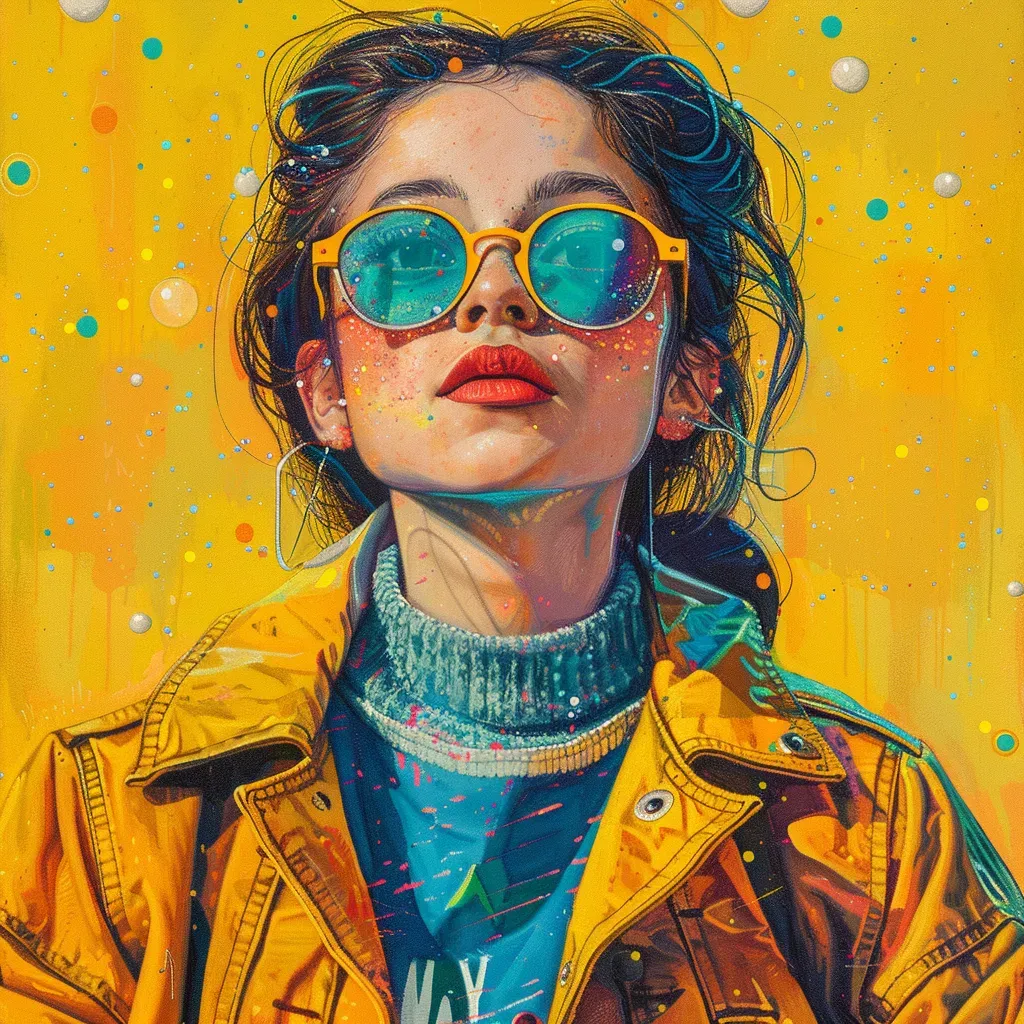
The Importance of Self-Expression
Expressing yourself allows you to share your unique thoughts, feelings, and perspectives with the world. It can be intimidating at first to put yourself out there, but it is also liberating.
Key takeaways
- Engage in creative outlets like art, music, or writing to process emotions in a safe and healthy way.
- Prioritize authenticity by embracing your unique personality rather than conforming to the expectations of others.
- Build a reliable support system of friends and family to boost your self-confidence and mental health.
- Address internalized self-criticism and fear to overcome common barriers that block honest self-expression.
- Create a personalized action plan by setting achievable goals and celebrating small milestones in your creative journey.
Find Healthy Ways to Express Yourself
Make sure you choose healthy avenues for self-expression, such as writing, music, art, dance, or joining groups where you feel safe to share. Avoid risky behavior that could harm yourself or others.
Be True to Yourself
Stay authentic to who you are. Don’t let others dictate how you should think, feel, or act. Accept yourself for all your quirks, passions, and complexity.
Surround Yourself with Support
Having supportive friends and family who encourage you to freely express yourself bolsters self-confidence and mental health.
Don’t Bottle Up Your Emotions
Keeping emotions and thoughts bottled up long-term can damage psychological well-being. Find healthy outlets for what’s going on inside.
Navigating the Digital Frontier of Self-Expression
In the modern era, the digital landscape provides an unprecedented canvas for self-expression, yet it introduces complex psychological dynamics. While social media offers a global stage, it often encourages curated perfectionism rather than authentic vulnerability. To express yourself meaningfully online, shift your focus from seeking external validation—measured in likes and shares—to documenting your internal evolution. Consider creating “digital gardens” or private blogs where the primary metric of success is the clarity of your own voice rather than the reach of your content. When you post, ask yourself: “Am I sharing this to be seen, or to be known?” The former is an act of performance; the latter is an act of expression. By prioritizing long-form content, such as personal essays or thematic photo series, you can bypass the superficiality of short-form algorithms and cultivate a digital presence that truly reflects your intellectual and emotional landscape.
The Somatic Connection: Expressing Through Physicality
Expression is not limited to words or art; it is deeply embedded in the body. Somatic practices offer a pathway to express emotions that are often too complex or “stuck” for traditional conversation. Techniques like Authentic Movement, where you allow your body to lead the motion without conscious choreography, can release tension patterns held in the muscles. Similarly, breathwork and yoga are not just physical exercises; they are modalities of non-verbal communication with the self. When you feel overwhelmed, try “shaking out” the energy—a practice used in trauma therapy to reset the nervous system. By learning to recognize where you hold stress—perhaps in the tightness of your jaw, the hunch of your shoulders, or the shallow rhythm of your breath—you can begin to use movement as a diagnostic tool. Using your body to express your state of being allows you to bypass the “narrative mind,” which often tries to rationalize or suppress what the body already knows to be true.
Establishing Boundaries for Vulnerable Expression
Authentic expression requires discernment. A common mistake is assuming that “being yourself” means sharing every thought or feeling with everyone you encounter. True self-expression thrives within the safety of healthy boundaries. You must cultivate a hierarchy of intimacy: identify which parts of your inner world are ready for public consumption, which are reserved for close friends, and which are strictly for your private journal. This is not about hiding; it is about protecting your creative energy. If you find yourself oversharing as a way to solicit reassurance, pause and reflect on your needs. By establishing “safe harbors”—whether that is a specific group of friends, a therapist, or a private notebook—you create a container where your most raw and unpolished ideas can exist without the pressure of judgment. Protecting your vulnerability ensures that when you do choose to express yourself, you do so from a place of strength rather than a place of depletion.
The Role of Boredom in Creative Expression
In a world of constant stimulation, we often lose our ability to express ourselves because we have forgotten how to sit with our own minds. Boredom is the precursor to original thought. When you are constantly consuming content, your brain is in a state of reception; it is only when you disconnect that you enter a state of production. Try scheduling “low-stimulus hours” where you avoid screens, music, and podcasts. Observe how your mind begins to fill the void with its own unique musings, observations, and creative impulses. Often, the most profound ways to express yourself emerge from the quiet realizations of a wandering mind. By intentionally cultivating periods of silence, you provide your subconscious the space to bubble up ideas that are truly your own, rather than echoes of the media you consume daily.
Overcoming the Perfectionism Trap
Perfectionism is the enemy of authentic expression; it is essentially the fear of being seen as incomplete. Many people remain silent because they fear their ideas are not “fully formed” or “expertly crafted.” To counteract this, adopt the philosophy of the “rough draft.” Give yourself permission to be bad at your chosen medium. If you are writing, write poorly on purpose; if you are painting, allow the colors to clash. The goal is to establish a habit of expression, not a gallery of masterpieces. When you detach your self-worth from the quality of your output, you remove the paralysis that prevents you from starting. Remember that expression is a process of discovery, not a test of competence. By documenting your early, awkward attempts, you create a historical record of your growth, which is often far more interesting and inspiring than a polished, final product.
Cultivating an Intellectual Aesthetic
Self-expression is enhanced when you actively curate your intellectual and sensory environment. You are a product of what you consume; therefore, intentionally diversifying the books you read, the music you listen to, and the conversations you engage in will naturally expand your expressive range. If you feel your expression has become stagnant, it is often a sign that your input sources have become narrow. Challenge yourself to engage with perspectives that contradict your own, or explore art forms that feel foreign to you. This cross-pollination of ideas creates a richer “internal library” from which you can draw when expressing yourself. When you have a diverse foundation of knowledge and experience, your ability to articulate complex feelings and perspectives becomes more nuanced, allowing you to move beyond clichés and toward a more sophisticated, personal vocabulary.
The Legacy of Your Expression
Finally, consider the long-term impact of your self-expression. Every time you speak your truth, create a piece of work, or share a perspective, you leave a footprint. This is not about fame, but about contribution. Your unique perspective is a missing piece in the collective human mosaic; when you withhold it, the world loses that specific vantage point. Think of your creative output as a gift to your future self and to those who might resonate with your journey. Even if your expression only impacts one person, or simply serves to clarify your own path, it is a vital act. By shifting your mindset from “What will people think?” to “What do I have to offer?” you transform self-expression from a source of anxiety into a source of purpose. Your life is the primary medium of your art; treat it with the care, honesty, and bravery that it deserves.
FAQ
Why is expressing yourself important?
Self-expression allows us to share our inner world, feel seen and heard, build connections with others, tap into our creativity, and relieve unhealthy bottled-up feelings.
What are the benefits of self-expression?
Benefits include improved mood, reduced anxiety and depression, stronger sense of self, enhanced relationships and support system, exploring creative talents, and living more authentically.
How can I freely express myself?
Ways to express yourself include writing in a journal, making art or music, dancing, singing, having deep conversations with trusted confidants, joining a support group, seeing a counselor, or exploring your spirituality.
What blocks self-expression?
Fear, trauma, lack of safe spaces, unsupportive friends/family, oppressive environments stifling free-thinking, self-criticism, and mental health issues like anxiety or depression can inhibit expression.
How can I create a self-expression action plan?
Decide on avenues matching your interests and comfort level. Set achievable goals. Seek communities fostering expression. Allow time to nurture creativity. Be patient with and kind to yourself. Rewrite internal scripts promoting shame or fear around sharing your inner world. Celebrate small wins!
Related posts:
 The Body-Positive Art Movement Turning Stretch Marks Into Glittery Masterpieces
 Self-Expression Activities for Adults and Kids
 Self Expression
 4 Ways to Express Feelings
 How to Express Yourself
 Why Music Might Harm Productivity
 Art and Emotional Connection
 PHA Bodyweight Workout: Efficient Fitness Anywhere, Anytime