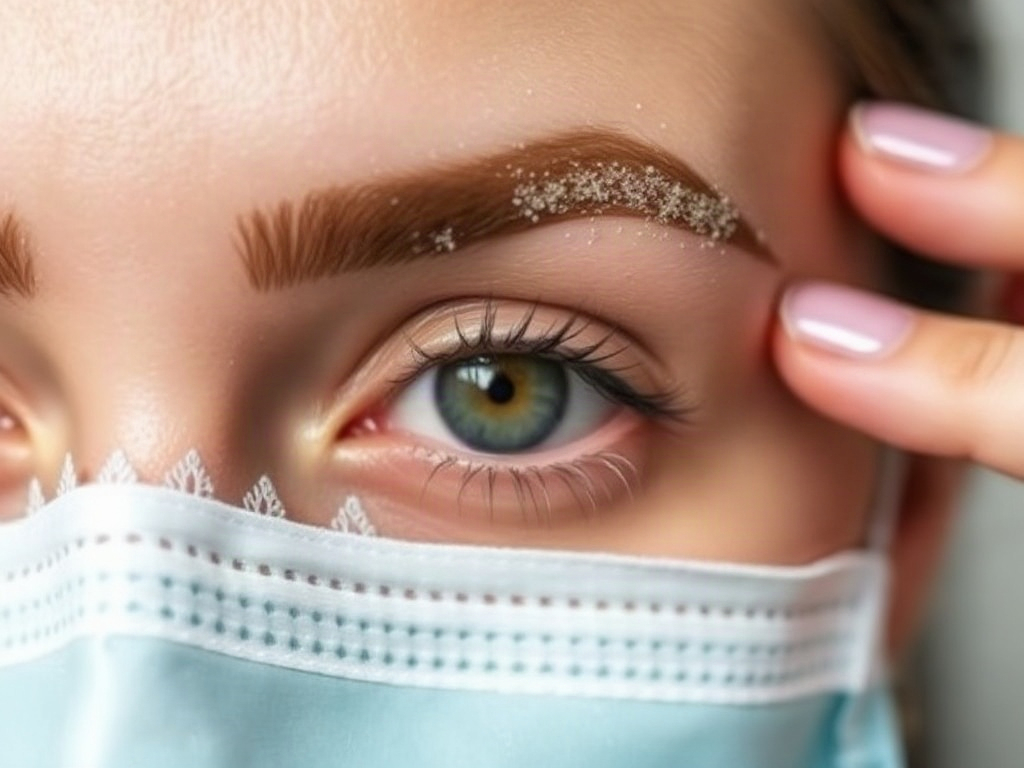
Finding white or yellow flakes in your eyebrows can be a jarring experience. While most of us are familiar with dandruff on the scalp, the realization that it can migrate to the face often brings a mix of confusion and self-consciousness. If you have ever looked in the mirror and noticed your brow hairs dusted with persistent debris, or felt an inexplicable itch beneath your arches, you are not alone. Eyebrow dandruff is a remarkably common condition, yet it remains one of the less-discussed aspects of dermatological care. It is a real concern that affects people of all ages and skin types, often appearing out of nowhere and resisting standard facial washing routines.
Understanding eyebrow dandruff requires moving past the stigma. It is not a sign of poor hygiene; rather, it is usually a manifestation of your skin’s natural microbiome falling out of balance or a reaction to environmental triggers. Because the skin around the eyes is exceptionally delicate, treating this area requires a nuanced approach that differs from how you might treat the skin on your scalp or even your cheeks. In this guide, we will explore the underlying causes of eyebrow flaking, distinguish between different types of skin irritation, and provide a comprehensive, step-by-step roadmap to restoring the health of your brow area.
Understanding the Root Causes of Eyebrow Dandruff
To fix the problem, we must first identify what it is. In the medical world, eyebrow dandruff is most frequently a form of seborrheic dermatitis. This is a chronic inflammatory skin condition that tends to affect areas of the body with a high density of oil-producing (sebaceous) glands. The eyebrows, along with the sides of the nose, the ears, and the scalp, are prime real estate for this condition. The primary culprit is often a yeast-like fungus called Malassezia. This fungus lives on everyone’s skin, feeding on the oils (sebum) we produce. However, for some individuals, the immune system overreacts to the presence of this yeast, or the yeast grows too rapidly, leading to the inflammation and rapid skin cell turnover we recognize as dandruff.
Beyond seborrheic dermatitis, another common cause is contact dermatitis. This occurs when your skin reacts to a specific ingredient in a product you are using. Think about your daily routine: brow gels, pencils, facial cleansers, or even the shampoo that runs down your face in the shower. If any of these contain fragrances, preservatives, or harsh chemicals that irritate your skin, the result can be redness, itching, and flaking. Additionally, simple dry skin (xerosis) can cause flaking, especially in cold, dry winter months or in environments with low humidity. Unlike seborrheic dermatitis, which often looks oily or yellowish, dry skin flakes are usually small, white, and accompanied by a tight feeling across the entire face.
Finally, we cannot overlook the role of stress and systemic health. Our skin is a mirror of our internal state. High levels of cortisol, the stress hormone, can trigger oil production, which in turn feeds the Malassezia yeast. Nutritional deficiencies, particularly in B vitamins, zinc, or essential fatty acids, can also compromise the skin barrier, making it more susceptible to flaking. Understanding which of these factors is at play is the first step in tailoring a treatment plan that actually works.
Distinguishing Between Dry Skin and Seborrheic Dermatitis
One of the most frequent mistakes people make is treating all flakes the same way. If you apply a heavy moisturizer to seborrheic dermatitis, you might actually make the problem worse by providing more lipids for the yeast to feed on. Conversely, using a harsh medicated shampoo on simple dry skin will strip away what little moisture remains, leading to more irritation. Learning to tell the difference is crucial for effective treatment.
Seborrheic Dermatitis: The flakes are often larger and may appear oily or yellowish. The underlying skin is typically red or pinkish and may feel itchy or even slightly sore. You might notice similar patches in the folds of your nose or behind your ears. This condition fluctuates, often flaring up during periods of stress or weather changes. It is an inflammatory response, not just a lack of moisture.
Dry Skin (Xerosis): The flakes are generally tiny, translucent, or white. The skin feels tight and parched rather than itchy or inflamed. You likely have dry patches on other parts of your face or body as well. This type of flaking usually responds quickly to increased hydration and the use of an occlusive moisturizer. If your eyebrows stop flaking after a few days of using a gentle cream, you were likely just dealing with dehydration.
Contact Dermatitis: This usually appears suddenly after introducing a new product. The flaking is often accompanied by a burning sensation or significant redness that follows the exact shape of where the product was applied. If you recently started a new brow lamination trend or bought a new long-wear brow pomade, this is a likely candidate for your symptoms.
The Importance of a Gentle Cleansing Routine
When you have eyebrow dandruff, the instinct is often to scrub the area vigorously to remove the visible flakes. However, mechanical exfoliation can be incredibly damaging to the thin skin of the brow bone. Aggressive scrubbing creates micro-tears in the skin, leading to further inflammation and potentially introducing bacteria that can cause secondary infections. Instead, the goal should be gentle, chemical-assisted removal and soothing cleansing.
Start by choosing a sulfate-free, pH-balanced cleanser. Look for ingredients like glycerin or hyaluronic acid which hydrate while they clean. When washing your face, spend an extra 30 seconds gently massaging your eyebrows with your fingertips using circular motions. This helps to loosen the scales without traumatizing the skin. Avoid using hot water, as it strips the skin of its natural oils and can trigger a rebound effect where the skin produces even more oil to compensate, further fueling the yeast.
For those with stubborn buildup, a very soft-bristled toothbrush or a clean silicone exfoliating pad can be used once or twice a week. Apply your cleanser to the tool and move it in very light, circular motions. The key word here is “light.” You should not see any redness immediately after this process. If you do, you are being too rough. After cleansing, pat the area dry with a clean, soft towel. Never rub your eyebrows dry, as the friction can pull out brow hairs that are already weakened by the inflammation at the follicle base.
Targeted Over-the-Counter Treatments
If gentle cleansing isn’t enough, it is time to look at active ingredients. Since the eyebrows are essentially a smaller version of the scalp, many of the ingredients found in dandruff shampoos are effective here too. However, because these products are designed for the scalp, they are highly concentrated and can be irritating to the eyes. Caution is paramount.
Ketoconazole: This is an antifungal agent that directly targets the Malassezia yeast. You can find it in over-the-counter shampoos like Nizoral. To use it on your brows, dilute a tiny drop with water in your palm, apply it to the eyebrows with a cotton swab, let it sit for about 60 seconds (staying far away from the actual eye), and rinse thoroughly. Use this twice a week until the flaking subsides.
Zinc Pyrithione and Selenium Sulfide: These are common ingredients in brands like Head & Shoulders or Selsun Blue. They work by slowing the production of skin cells and reducing yeast. The application method should be the same as with ketoconazole: dilute, apply carefully, and rinse. These can be drying, so they are best for those with oily skin types.
Salicylic Acid: If your dandruff presents as thick, stubborn scales, a cleanser containing salicylic acid can help. This beta-hydroxy acid (BHA) dissolves the “glue” that holds dead skin cells together, allowing them to wash away easily. Look for a facial-grade salicylic acid wash (around 0.5% to 2%) rather than a scalp treatment, as facial formulations are designed to be gentler on the skin barrier.
Natural Remedies and Soothing Ingredients
For those who prefer a more holistic approach or have exceptionally sensitive skin, several natural ingredients can provide relief. However, “natural” does not always mean “non-irritating,” so always perform a patch test on your inner arm before applying these to your face.
Tea Tree Oil: Known for its powerful antifungal and antibacterial properties, tea tree oil can be very effective against the yeast that causes dandruff. However, it is extremely potent and can cause chemical burns if used undiluted. Mix one drop of tea tree oil with a teaspoon of a carrier oil like jojoba or squalane (which are less likely to clog pores than coconut oil). Apply with a cotton swab before bed and wash it off in the morning.
Aloe Vera: If your eyebrow dandruff is accompanied by significant redness and itching, pure aloe vera gel is a godsend. It has anti-inflammatory properties that soothe the skin and provide lightweight hydration without being greasy. Look for 100% pure aloe vera without added alcohols or fragrances.
Raw Honey: It might sound messy, but raw, medical-grade honey (like Manuka) has natural antifungal properties and acts as a humectant, drawing moisture into the skin. Applying a small amount to the brows as a mask for 15-20 minutes a few times a week can help balance the microbiome of the skin. Just be sure to rinse it off completely to avoid a sticky residue that could trap more debris.
Managing Your Skincare and Makeup Habits
Sometimes, the fix for eyebrow dandruff isn’t about what you add to your routine, but what you take away. If you are struggling with persistent flaking, it is time to audit your makeup and skincare products. Many brow pomades and waxes are formulated with heavy oils or alcohols that can either clog the follicles or dry out the skin surface, both of which contribute to flaking.
During a flare-up, try to go “brow-neutral.” Avoid using pencils, gels, or powders on the affected area for at least a week. This allows the skin to breathe and prevents the buildup of product residue that can irritate the skin further. When you do return to using makeup, ensure your tools are impeccably clean. Spoolies and brushes can harbor bacteria and yeast, essentially re-infecting your skin every time you get ready. Wash your brushes at least once a week with a gentle antimicrobial soap.
Furthermore, be mindful of your overall skincare. If you use potent anti-aging ingredients like retinol or exfoliating acids (AHAs/BHAs) on your forehead, they can migrate down to the brow area. The skin on the brow bone is much thinner than the skin on the forehead, and what works for one may be too harsh for the other. Use a barrier cream or a simple petroleum jelly around the eyebrows before applying active treatments to the rest of your face to protect the delicate brow skin from accidental irritation.
Lifestyle Adjustments and Long-Term Prevention
Consistency is the secret to managing eyebrow dandruff, as seborrheic dermatitis is often a recurring condition. Beyond topical treatments, certain lifestyle changes can reduce the frequency and severity of flare-ups. Diet plays a significant role for many people. While research is ongoing, some find that reducing the intake of high-sugar foods and dairy helps decrease skin inflammation. Incorporating anti-inflammatory foods rich in Omega-3 fatty acids (like salmon, walnuts, and flaxseeds) can support a healthy skin barrier from the inside out.
Stress management is equally vital. There is a well-documented link between the nervous system and the skin, often referred to as the brain-skin axis. Stress triggers the release of pro-inflammatory cytokines and increases oil production, both of which exacerbate dandruff. Practices like mindfulness, regular exercise, and ensuring adequate sleep can have a surprising impact on the clarity of your skin.
Environmental control is another factor. In the winter, use a humidifier in your bedroom to prevent the air from becoming too dry, which leads to xerosis-related flaking. In the summer, be sure to wash your face promptly after sweating, as sweat can change the pH of your skin and encourage yeast overgrowth. Finally, pay attention to your hair care. If you have dandruff on your scalp, the spores can easily travel down to your face. Treating your scalp effectively is often the best way to prevent eyebrow dandruff from returning.
When to See a Dermatologist
While most cases of eyebrow dandruff can be managed at home with over-the-counter solutions and routine changes, there are times when professional intervention is necessary. You should schedule an appointment with a dermatologist if you experience any of the following:
- Lack of Improvement: If you have consistently used over-the-counter antifungal treatments for two to four weeks with no visible change.
- Signs of Infection: If the area becomes excessively swollen, warm to the touch, starts oozing, or develops yellow crusts, you may have a bacterial infection that requires antibiotics.
- Hair Loss: If you notice your eyebrow hairs are thinning or falling out in patches along with the flaking. This could indicate a more serious condition like alopecia areata or a severe fungal infection.
- Spread of Symptoms: If the redness and flaking are spreading to your eyelids (blepharitis) or other parts of your face rapidly.
- Pain: Dandruff should be itchy or mildly annoying, but it should not be painful. Persistent pain is a signal that something else is wrong.
A dermatologist can provide prescription-strength topical steroids to calm intense inflammation or high-potency antifungal creams that are safer and more effective than DIY methods. They can also perform a skin scraping to confirm the diagnosis and rule out other conditions like psoriasis or eczema, which can mimic the appearance of dandruff but require different treatment protocols.
The Science of the Brow Barrier and Microbiome Repair
While the existing discussion touches on the Malassezia fungus, it is essential to understand the specific architecture of the eyebrow area to effectively repair the skin barrier. The eyebrows are a unique anatomical zone; they possess a higher density of terminal hair follicles and sebaceous glands compared to the surrounding forehead skin. This creates a specialized micro-environment where the “acid mantle”—the thin, slightly acidic film on the skin’s surface—can easily become imbalanced. When this mantle is disrupted, transepidermal water loss (TEWL) increases, leading to the brittle, flaky texture associated with brow dandruff. To truly fix the issue, you must move beyond just killing fungus and focus on active barrier restoration.
Incorporating ingredients like ceramides and niacinamide into your brow care is a sophisticated way to reinforce this barrier. Ceramides are lipid molecules that act as the “mortar” between your skin cell “bricks.” In cases of persistent flaking, the skin often lacks these essential lipids. Applying a thin layer of a ceramide-dominant cream specifically to the brow bone can help seal the skin, preventing irritants from entering and moisture from escaping. Niacinamide (Vitamin B3) is equally vital as it helps the skin produce its own natural ceramides and regulates sebum production, effectively starving the yeast of its food source without the harshness of traditional detergents. For a practical application, look for a lightweight, fragrance-free facial serum with 2-5% niacinamide and gently press it into the brows after cleansing but before any heavier creams.
Another overlooked aspect of microbiome repair is the use of topical prebiotics. Just as oral probiotics help your gut, topical prebiotics like inulin or alpha-glucan oligosaccharide provide the “food” for beneficial skin bacteria. By nourishing the “good” bacteria on your brow skin, you create a competitive environment where Malassezia cannot overproliferate. This biological approach is often more sustainable than the constant use of antifungal agents, which can sometimes lead to localized resistance or further dryness over time.
Navigating Brow Grooming: Lamination, Tinting, and Microblading
Modern beauty treatments like brow lamination and tinting have become incredibly popular, yet they present significant challenges for those prone to eyebrow dandruff. Brow lamination, essentially a perm for your eyebrows, uses thioglycolic acid to break the disulfide bonds in the hair. This process is inherently alkaline and can severely disrupt the skin’s pH, often triggering a massive flare-up of contact dermatitis or seborrheic dermatitis. If you are currently experiencing flaking, you must postpone these treatments. The chemicals will penetrate the compromised skin barrier much more deeply, leading to potential chemical burns or long-term follicular damage.
For those who have recently had a lamination and are now seeing flakes, the treatment is different from standard dandruff care. This is likely “post-chemical desquamation.” In this scenario, avoid antifungal shampoos, as the skin is already chemically sensitized. Instead, use a pure, medical-grade occlusive like petrolatum or a specialized post-procedure balm for 72 hours. This provides an artificial barrier while your skin’s natural defenses recover. Once the initial irritation subsides, you can slowly reintroduce gentle hydration.
Brow tinting also poses risks, particularly from an ingredient called p-phenylenediamine (PPD), a common allergen in hair dyes. If your “dandruff” appears as itchy, weeping crusts specifically after a tinting session, you are likely dealing with a PPD allergy rather than fungal dandruff. Microblading, a form of semi-permanent tattooing, is an even more complex edge case. If you have active seborrheic dermatitis, the pigment retention for microblading will be poor because the rapid skin cell turnover will push the ink out of the skin prematurely. Furthermore, the inflammation can cause the pigment to “blur” under the skin. Always ensure your brow skin is flake-free and calm for at least a month before undergoing any invasive pigment procedures.
The Ocular Connection: Managing Overlap with Eyelid Dandruff (Blepharitis)
It is remarkably common for eyebrow dandruff to co-occur with a condition called blepharitis, which is essentially dandruff of the eyelashes. Because the eyebrows and eyelids are in such close proximity, the yeast and inflammatory markers can easily migrate between the two. If you notice that your eyebrow flaking is accompanied by red, swollen eyelid margins, a “gritty” sensation in your eyes, or crusting on your lashes upon waking, you are likely dealing with this dual-zone inflammation. This requires a specific hygiene protocol that is safe for the delicate ocular area.
Standard dandruff shampoos should never be used on the eyelids. Instead, look for eyelid-specific cleansers containing hypochlorous acid (HOCl). Hypochlorous acid is a substance naturally produced by our white blood cells to fight infection; in a stable topical spray or gel, it is incredibly effective at neutralizing both bacteria and the Malassezia yeast without stinging the eyes. Simply spray a small amount onto a clean cotton pad and wipe across the eyebrows and then along the lash line. This “dual-zone” cleaning ensures that you aren’t just moving the yeast from your brows to your lashes and back again.
Additionally, consider the role of Demodex mites. While Malassezia is a fungus, Demodex are microscopic mites that live in the hair follicles of the face. In some people, an overabundance of these mites can cause symptoms that look identical to seborrheic dermatitis, including cylindrical dandruff (clear sleeves around the base of the hair). If traditional antifungal treatments for your brow dandruff aren’t working, the culprit might be these mites. In this specific case, tea tree oil cleansers designed for the eyes (which are formulated to be safe and non-irritating) are the gold standard for treatment, as tea tree oil is one of the few substances that can effectively manage Demodex populations.
Environmental Triggers: Hard Water, Pollution, and Seasonal Shifts
External factors often act as the silent catalyst for eyebrow flaking. One of the most significant yet frequently ignored triggers is hard water. If you live in an area with high mineral content (specifically calcium and magnesium) in your tap water, these minerals can react with the natural oils on your skin and the fatty acids in your cleansers to create a film known as “soap scum.” This film is difficult to rinse away and sits on the brow skin, trapping bacteria and yeast underneath it, while simultaneously drying out the skin surface. If you notice your dandruff flares up when you travel or if you see white mineral buildup on your faucets, the water is likely a factor.
To combat this, you don’t necessarily need a whole-house water softener. A simple, high-quality filtered shower head can remove many of these minerals and chlorine, which is a known skin irritant. Alternatively, you can use a micellar water or a thermal spring water spray as a final rinse after washing your face to ensure no mineral residue is left in the dense hair of the eyebrows. This small step can significantly reduce the “itch-flake” cycle by maintaining a cleaner skin surface.
Pollution and particulate matter in urban environments also play a role. Microscopic soot and chemical pollutants can lodge themselves in the eyebrow hairs, causing oxidative stress and triggering inflammatory responses that lead to flaking. This is why a “double cleanse” can be beneficial even for the brow area. Start with a lightweight oil cleanser or balm to dissolve the oil-soluble pollutants and makeup, followed by a gentle water-based cleanser to remove the remaining debris. This ensures the skin beneath the brow hair is truly clean without being stripped, providing a healthy foundation that is less hospitable to fungal overgrowth.
Ingredient Deep Dive: What to Seek and What to Avoid
When selecting products to manage eyebrow dandruff, the ingredient list is your most powerful tool. Many moisturizers and brow gels contain ingredients that can inadvertently “feed” the yeast. Malassezia species thrive on fatty acids with carbon chain lengths between 11 and 24. This includes many common skincare ingredients like lauric, myristic, palmitic, and stearic acids, as well as many fermented oils and esters (like polysorbates). If you are in the midst of a flare-up, checking your products for these specific components can be the difference between a quick recovery and a months-long struggle.
Instead, look for “yeast-safe” hydrating ingredients. Squalane oil is an excellent choice; it is a saturated oil that is highly stable and does not provide a food source for the fungus. It mimics the skin’s natural sebum, providing deep hydration and a silky finish to the brow hair without the risk of clogging pores or fueling dandruff. Urea is another powerhouse ingredient for brow dandruff. At low concentrations (around 5%), urea acts as a natural moisturizing factor (NMF) and a gentle keratolytic, meaning it helps to soften and dissolve the flakes while simultaneously pulling moisture into the skin. It is particularly effective for the “oily-yet-dehydrated” skin type often seen in seborrheic dermatitis.
Be wary of “brow growth” serums during a dandruff flare-up. Many of these contain prostaglandins or botanical extracts that increase blood flow to the area. While great for hair growth, this increased circulation and the potential irritation from the active ingredients can exacerbate redness and flaking. If you are using a growth serum, try switching to a peptide-based formula that focuses on hair health without the inflammatory side effects, and always apply it to a completely dry brow to minimize the risk of irritation.
Age-Specific Considerations: From Puberty to Menopause
Eyebrow dandruff does not look or behave the same way at every stage of life, because our sebum production and skin chemistry are heavily dictated by hormones. During puberty, a surge in androgens (male hormones present in everyone) causes the sebaceous glands to enlarge and produce more oil. This is the classic “oily” seborrheic dermatitis, where flakes are yellow and sticky. For teenagers, the focus should be on oil regulation and the use of salicylic acid-based cleansers to keep the follicles clear. It is also a time where the “shampoo run-off” method works well, as the skin is generally more resilient.
As we age into our 40s, 50s, and beyond, the nature of eyebrow dandruff often shifts. In menopause, the drop in estrogen leads to a thinner skin barrier and a decrease in overall skin moisture, yet the sebaceous glands can sometimes remain active or even become more reactive. This results in what dermatologists sometimes call “sebopsoriasis” or a very dry form of seborrheic dermatitis. The flakes are often silvery-white and the skin underneath is extremely thin and prone to tearing. For this demographic, the aggressive antifungal approach can be too damaging. The strategy must shift toward “low and slow”—using lower concentrations of actives and much higher levels of barrier-repairing ingredients like cholesterol and fatty acids that the skin can no longer produce efficiently on its own.
Furthermore, the texture of the brow hair itself changes with age, becoming coarser and more wiry. These coarser hairs can trap flakes more effectively and make it harder for topical treatments to reach the skin. Using a brow-specific conditioner or a drop of squalane oil to soften the hairs can help treatments penetrate more effectively and make the flakes less visible. Understanding your specific life stage allows you to choose a treatment path that respects your skin’s current biological needs rather than using a one-size-fits-all solution.
A Comprehensive Maintenance Protocol for Long-Term Clarity
To prevent the return of eyebrow dandruff, you need a structured routine that differentiates between “active treatment” and “maintenance.” Many people stop their treatment the moment the flakes disappear, only to have them return two weeks later. This is because the yeast and the underlying inflammatory tendency are still present; they are just currently suppressed. A successful long-term strategy involves a tapering method that gradually transitions the skin to a stable state.
The Flare-Up Phase (Days 1-14): During this time, your goal is to reduce the fungal load and calm inflammation. Cleanse twice daily with a soap-free, pH-balanced wash. Three nights a week, apply your chosen medicated treatment (like diluted ketoconazole shampoo or a 2% salicylic acid wash) to the brows, leaving it for 60 seconds before rinsing. Follow this with a soothing, yeast-safe hydrator like pure squalane or a niacinamide serum. Avoid all brow makeup during this phase to prevent further irritation and product buildup.
The Transition Phase (Weeks 3-6): Once the flakes are gone, reduce the medicated treatment to twice a week. This is when you can reintroduce brow makeup, but ensure you are using a clean spoolie every single time. Start focusing on barrier repair by adding a ceramide cream to your nightly routine. Pay close attention to any return of itching; this is the “early warning system” that the yeast is starting to proliferate again. If the itch returns, immediately go back to the Flare-Up Phase protocol for two days.
The Maintenance Phase (Ongoing): In this phase, the goal is prevention. Use the medicated treatment just once a week or even once every two weeks as a “reset.” Incorporate a daily gentle massage of the brows during your regular facial cleansing to ensure no dead skin cells are accumulating. Keep your brow grooming tools sanitized with 70% isopropyl alcohol after every use. By maintaining this low-level vigilance, you can keep the skin microbiome in balance and ensure that your brows remain healthy, clear, and flake-free year-round.
Frequently Asked Questions
Can I use regular Head & Shoulders on my eyebrows?
Yes, you can use dandruff shampoos containing zinc pyrithione or selenium sulfide on your eyebrows, but you must be extremely careful. These shampoos are not “tear-free.” The skin around the eyes is thin and sensitive. To apply, mix a tiny amount with water to create a lather, apply it specifically to the brow hairs with a cotton swab, leave it for no more than a minute, and rinse thoroughly with your eyes tightly shut. If you have sensitive skin, it is better to use a facial cleanser formulated with salicylic acid instead.
Is eyebrow dandruff contagious?
No, eyebrow dandruff is not contagious. Whether it is caused by dry skin, an overgrowth of Malassezia yeast, or an allergic reaction, you cannot catch it from someone else, nor can you give it to them. The yeast involved is a normal part of everyone’s skin microbiome; the issue is simply how your specific skin reacts to it. You don’t need to worry about sharing towels or pillows in terms of spreading the dandruff, though sharing makeup brushes is still discouraged for general hygiene reasons.
Will my eyebrow hair fall out because of dandruff?
In most cases, eyebrow dandruff does not cause permanent hair loss. However, the inflammation associated with seborrheic dermatitis can temporarily weaken the hair follicles. Furthermore, if you scratch or scrub the area aggressively to remove flakes, you may accidentally pull out hairs. Once the inflammation is under control and the skin is healthy again, the hair typically grows back. If you notice significant or patchy hair loss, it is important to see a doctor to rule out other underlying conditions.
How often should I treat my eyebrows to keep the flakes away?
During an active flare-up, you might need to use a targeted treatment (like a diluted antifungal wash) two to three times a week. Once the skin has cleared, you can move into a maintenance phase. For many, this means using the treatment just once a week or once every two weeks to keep the yeast population in check. Daily, you should focus on gentle cleansing and using a non-comedogenic moisturizer to maintain the skin barrier.
Can my diet really affect my eyebrows?
While diet isn’t the sole cause of eyebrow dandruff, it can certainly be a contributing factor. Diets high in refined sugars and simple carbohydrates can promote inflammation and may influence oil production, which fuels the yeast responsible for seborrheic dermatitis. Some people find that their skin clears up significantly when they increase their intake of probiotics and healthy fats. Keeping a food diary for a few weeks while tracking your skin’s condition can help you identify if specific triggers, like dairy or high-sugar snacks, correlate with your flare-ups.
Related posts:
 Master the Art of DIY Brow Lamination at Home
 Eyebrow Extensions Are the New Lash Extensions
 Everything You Need to Know About Eyebrow Hair Razors
 Jenna Dewan’s Drugstore Secret for Perfect Eyebrows
 Ariana Grande’s Hair Savior: Why Lavender Coconut Oil Is Her Secret Weapon
 Living Proof Scalp Treatment Review
 Helen Mirren’s Eyebrow Tips
 Best Dandruff Solutions