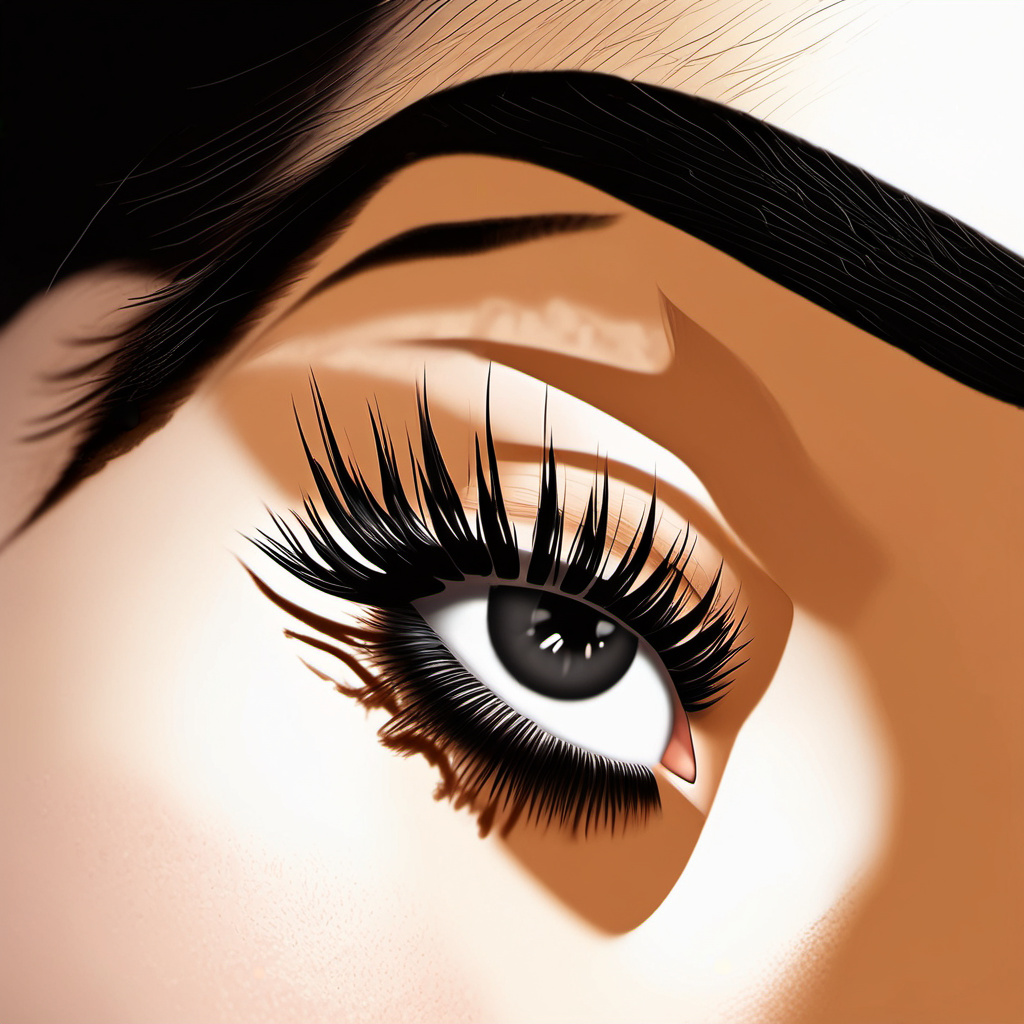
If you’ve spent years perfecting your lash extensions, it’s time to turn your attention upward—literally. Eyebrow extensions are emerging as the next big trend in beauty, offering a way to achieve fuller, more defined brows without the daily hassle of pencils, powders, or gels. Whether you have sparse brows due to genetics, over-plucking, or medical conditions, or you simply want to enhance your natural shape, eyebrow extensions can provide a semi-permanent solution that looks effortlessly natural.
But what exactly are eyebrow extensions, and how do they differ from other brow enhancement methods like microblading or lamination? More importantly, are they right for you? In this guide, we’ll explore everything you need to know about eyebrow extensions, from the application process to aftercare, costs, and how to choose a skilled artist. By the end, you’ll have a clear understanding of whether this trend is worth trying—and how to make the most of it if you do.
What Are Eyebrow Extensions?
Eyebrow extensions are a cosmetic technique where individual fibers, typically made from synthetic, silk, or mink materials, are adhered to your natural brow hairs or the skin beneath them to create a fuller, more voluminous look. Unlike lash extensions, which are applied to the eyelid’s lash line, brow extensions are carefully placed along the brow bone to mimic the natural growth pattern of your eyebrows.
The process involves a trained technician using a specialized adhesive to attach the extensions to your existing brow hairs or, in some cases, directly to the skin for a more dramatic effect. The result is a set of brows that appear thicker, longer, and more defined—without the need for daily makeup application.
Eyebrow Extensions vs. Other Brow Treatments
Before committing to eyebrow extensions, it’s helpful to understand how they compare to other popular brow enhancement methods:
- Microblading: A semi-permanent tattooing technique that creates hair-like strokes on the skin. While microblading can last 1-2 years, it requires touch-ups and may fade unevenly over time. It’s also more invasive than extensions.
- Eyebrow Lamination: Often called a “brow lift,” this treatment involves perming and setting the brow hairs in place for a brushed-up, fuller look. It lasts about 6-8 weeks but doesn’t add volume—it simply enhances what you already have.
- Brow Tattooing: A permanent or semi-permanent solution that involves implanting pigment into the skin. While long-lasting, it can look unnatural if not done correctly and may require color refreshing.
- Brow Pencils and Powders: Temporary solutions that require daily application and can smudge or fade throughout the day.
Eyebrow extensions stand out because they offer immediate, customizable results without the commitment of tattoos or the daily upkeep of makeup. They’re ideal for those who want to test a new brow shape or add temporary volume.
Who Should Try Eyebrow Extensions?
Eyebrow extensions aren’t for everyone, but they can be a game-changer for certain individuals. Consider trying them if:
- You have sparse or thin brows due to aging, genetics, or over-plucking.
- You want to enhance your natural brow shape without permanent changes.
- You’re recovering from chemotherapy or alopecia and want to regain confidence in your appearance.
- You’re tired of daily brow makeup and want a low-maintenance solution.
- You have a special event (like a wedding or photoshoot) and want perfectly defined brows for the occasion.
However, eyebrow extensions may not be suitable if you have:
- Very oily skin, as the adhesive may not hold as well.
- Sensitive skin or allergies to adhesives.
- Extremely sparse or no brow hairs, as the extensions need some natural hair or skin to adhere to.
What to Expect During the Application Process
The eyebrow extension process is meticulous and typically takes 1-2 hours, depending on the complexity of your desired look. Here’s a step-by-step breakdown of what to expect:
- Consultation: Your technician will discuss your brow goals, assess your natural brow shape, and determine the best style, length, and thickness for your face. They may also patch-test the adhesive to check for allergies.
- Preparation: Your brows will be cleaned and prepped to remove any oils or makeup that could interfere with the adhesive. Some technicians may also trim or shape your natural brows to create a clean base.
- Mapping: The technician will use a brow pencil or string to map out the desired shape, ensuring symmetry and balance with your facial features.
- Application: Using tweezers, the technician will apply individual extensions to your natural brow hairs or the skin beneath them. The extensions are applied in the direction of your natural hair growth for a seamless blend.
- Drying and Setting: Once all extensions are in place, the adhesive needs time to set. You’ll be asked to avoid touching your brows or getting them wet for a few hours.
- Final Touches: The technician may comb through your brows to ensure they’re perfectly blended and make any final adjustments.
Unlike lash extensions, which are applied in a single session, some technicians may recommend a follow-up appointment after a few days to check for any adjustments or touch-ups.
How Long Do Eyebrow Extensions Last?
The lifespan of eyebrow extensions varies depending on your skin type, lifestyle, and aftercare routine. On average, they can last 3-6 weeks. Here’s what affects their longevity:
- Skin Type: Oily skin can cause the adhesive to break down faster, shortening the lifespan of your extensions.
- Daily Habits: Rubbing your eyes, sleeping on your face, or frequently touching your brows can cause the extensions to fall out prematurely.
- Aftercare: Proper aftercare, such as avoiding water, steam, and oil-based products for the first 24-48 hours, can help extend their wear.
- Natural Brow Growth: As your natural brow hairs shed (which happens every 4-6 weeks), the extensions attached to them will fall out as well.
To maintain your extensions, you may need refill appointments every 2-3 weeks, where the technician will replace any lost extensions and ensure your brows stay full and defined.
Aftercare Tips to Prolong Your Eyebrow Extensions
Proper aftercare is crucial for making your eyebrow extensions last as long as possible. Follow these tips to keep them looking fresh:
- Avoid Water and Steam: For the first 24-48 hours, avoid showering, swimming, saunas, or any activity that exposes your brows to moisture or steam. This gives the adhesive time to fully set.
- Skip Oil-Based Products: Oil-based cleansers, makeup removers, and skincare products can weaken the adhesive. Opt for water-based or gel-based products instead.
- Be Gentle: Avoid rubbing your eyes or brows, and be careful when drying your face after washing. Gently pat your skin dry instead of rubbing.
- Avoid Sleeping on Your Face: Sleeping on your side or stomach can cause friction and dislodge the extensions. Try to sleep on your back for the first few nights.
- Use a Brow Brush: Lightly brush your brows daily with a clean spoolie to keep them looking neat and blended.
- Avoid Picking or Pulling: Resist the urge to pick at or adjust your extensions, as this can cause them to fall out prematurely.
If you notice any itching or redness, avoid scratching and consult your technician. It could be a sign of an allergic reaction or irritation.
How Much Do Eyebrow Extensions Cost?
The cost of eyebrow extensions varies depending on your location, the technician’s experience, and the type of extensions used. Here’s a general breakdown:
- Full Set: $200–$600. This includes the initial application and shaping.
- Refills: $100–$300. Refills are typically needed every 2-3 weeks to replace lost extensions.
- Removal: $50–$150. If you decide to remove your extensions, some salons charge a fee for this service.
While eyebrow extensions may seem pricey, consider the time and money you’ll save on daily brow products. Plus, the confidence boost of waking up with perfect brows every day can be priceless!
Pro tip: Always choose a licensed and experienced technician to ensure quality results. Cheaper options may save you money upfront but could lead to poor application, discomfort, or even damage to your natural brows.
Potential Risks and Side Effects
While eyebrow extensions are generally safe when applied by a professional, there are some potential risks and side effects to be aware of:
- Allergic Reactions: Some people may be allergic to the adhesive used in the extensions, leading to redness, itching, or swelling. A patch test before the full application can help prevent this.
- Skin Irritation: The skin around the brows may become irritated, especially if you have sensitive skin. Avoid using harsh skincare products near the brow area.
- Infections: If the tools or workspace aren’t properly sanitized, there’s a risk of infection. Always choose a reputable salon that follows strict hygiene practices.
- Natural Brow Damage: If the extensions are too heavy or not applied correctly, they can pull on your natural brow hairs, leading to breakage or loss over time.
- Uneven Results: Poor application can result in uneven, patchy, or unnatural-looking brows. This is why it’s essential to choose a skilled technician.
If you experience severe irritation, pain, or signs of infection (such as pus or excessive swelling), remove the extensions immediately and consult a healthcare professional.
How to Choose the Right Eyebrow Extension Artist
Not all technicians are created equal, so it’s important to do your research before booking an appointment. Here’s how to find the right artist for you:
- Check Reviews and Portfolios: Look for before-and-after photos of their work on social media or their website. Pay attention to the naturalness of the results and whether their style aligns with your goals.
- Ask for Recommendations: Friends, family, or even your lash technician may be able to refer you to a trusted brow artist.
- Verify Credentials: Ensure the technician is licensed and has completed training specifically for eyebrow extensions. Don’t hesitate to ask about their experience and education.
- Schedule a Consultation: A good artist will offer a consultation to discuss your goals, assess your natural brows, and explain the process in detail. This is also your chance to ask questions and gauge their professionalism.
- Hygiene Standards: Visit the salon beforehand or observe their practices during your appointment. The workspace should be clean, and tools should be sterilized or disposable.
- Patch Test: If you’re prone to allergies, ask if they offer a patch test to check for adverse reactions to the adhesive.
Remember, the cheapest option isn’t always the best. Investing in a skilled, experienced artist will give you better results and reduce the risk of complications.
Types of Eyebrow Extensions: Materials, Textures, and Finishes
Eyebrow extensions come in a variety of materials, each offering distinct textures, weights, and finishes to suit different preferences and skin types. Understanding the options can help you and your technician tailor the look to your needs while ensuring comfort and longevity.
Synthetic Fibers
Synthetic eyebrow extensions are the most common and affordable option. Made from man-made materials like polyester or acrylic, they are lightweight, durable, and available in a wide range of thicknesses, curls, and lengths. Synthetic fibers hold their shape well, making them ideal for creating sharp, defined looks or dramatic arches. However, they can appear shinier than natural hair, which may not suit those seeking a ultra-matte, natural finish. For clients with oily skin, synthetic extensions may require more frequent touch-ups, as the adhesive can break down faster when exposed to excess sebum.
Best for: Clients who want a bold, high-definition look at a lower cost. Synthetic extensions are also a good choice for first-timers testing the waters of brow extensions.
Silk Fibers
Silk eyebrow extensions offer a softer, more natural appearance compared to synthetics. They have a finer diameter and a subtle sheen that mimics the look of natural brow hair, making them a popular choice for those who want a more understated enhancement. Silk fibers are slightly heavier than synthetic options, which can provide a fuller look but may also feel more noticeable on the skin. They are less prone to fraying and tend to hold their curl better over time, making them a great middle-ground option for clients who want both naturalness and durability.
Best for: Clients with normal to dry skin who want a natural, wispy, or feathered brow effect. Silk is also a good choice for sensitive skin, as it is less likely to cause irritation than synthetic materials.
Mink Fibers
Mink eyebrow extensions are the most luxurious and expensive option, prized for their ultra-soft texture and natural, matte finish. Sourced from the fur of mink animals (or sometimes synthetic mink alternatives), these extensions blend seamlessly with natural brow hair, offering a fluffy, voluminous look that’s nearly indistinguishable from real hair. Mink fibers are lightweight and gentle on the skin, making them ideal for clients with sensitive skin or those prone to allergies. However, their high cost and ethical considerations (for those who prefer cruelty-free options) may be limiting factors.
Best for: Clients seeking a high-end, natural look with maximum comfort. Mink extensions are also ideal for special occasions where photography or close-up appearances are a priority.
Faux Mink and Vegan Alternatives
For clients who love the look of mink but prefer cruelty-free options, faux mink extensions are an excellent alternative. Made from synthetic materials designed to mimic the texture of real mink, these extensions offer the same softness and natural finish without the ethical concerns. Vegan brow extensions, often made from plant-based fibers or recycled materials, are another eco-conscious choice. While these options may not last as long as traditional mink, they provide a similar aesthetic and are increasingly popular among environmentally aware clients.
Best for: Clients who prioritize ethical and sustainable beauty practices but still want a premium, natural-looking result.
Customizing Your Eyebrow Extensions: Shapes, Styles, and Techniques
Eyebrow extensions are not one-size-fits-all. The shape, style, and technique used can dramatically alter your appearance, so it’s essential to work with your technician to design a look that complements your facial structure and personal style. Below are the most popular customization options, along with tips for achieving the best results.
Brow Shapes: Finding Your Ideal Arch
The shape of your eyebrows can change the entire balance of your face. Here are the most flattering shapes based on face shapes and features:
- Soft Arch (Low Arch): Ideal for round or square face shapes, a soft arch creates a subtle, gentle curve that elongates the face. This shape is achieved by placing the highest point of the arch closer to the outer edge of the iris, with a gradual taper toward the tail. Extensions are applied to enhance the natural curve without adding too much height.
- Medium Arch: A versatile choice that suits most face shapes, including oval, heart, and diamond. The arch peaks directly above the outer edge of the iris, creating a balanced, lifted look. This shape can be customized with extensions to add volume at the arch or lengthen the tails for a more dramatic effect.
- High Arch (Dramatic Arch): Perfect for those with long or rectangular face shapes, a high arch adds definition and lifts the eyes. The peak of the arch is placed closer to the outer corner of the eye, with extensions used to create a sharp, angular look. This style is often seen in high-fashion and editorial makeup.
- Straight Brows: Popular in East Asian beauty trends, straight brows create a youthful, natural appearance. Extensions are applied horizontally, with minimal arch, to emphasize a clean, straight line. This shape works well for those with a strong jawline or prominent cheekbones.
- S-Shaped Brows: A hybrid of straight and arched brows, the S-shape starts with a slight upward curve at the inner brow, dips slightly below the arch, and then rises again toward the tail. This shape adds dimension and is ideal for those with a high forehead or wide-set eyes.
Pro Tip: Bring reference photos to your consultation to help your technician visualize your desired shape. They can then use brow mapping techniques to outline the design before applying the extensions.
Brow Styles: From Natural to Glam
Once you’ve chosen a shape, the next step is selecting a style. The style refers to the overall look and density of your brows, which can range from barely-there to full-on glam. Here’s how to achieve each:
- Natural Wispy Brows: This style mimics the look of naturally full brows with a feathery, textured finish. Extensions are applied sparsely, with varying lengths to create a soft, lived-in effect. Ideal for everyday wear, this style works well for clients who want to enhance their natural brows without looking “done.”
- Powdered Brows: Inspired by the look of filled-in powder makeup, this style uses fine, short extensions to create a soft, diffused effect. The extensions are applied in a stippling motion to mimic the appearance of powder or shadow, making it a great option for those with sparse brows who want a makeup-like finish.
- Feathered Brows: A step up from wispy brows, feathered brows use longer, layered extensions to create a fluffy, voluminous look. The extensions are applied in a crisscross pattern to add dimension and movement. This style is perfect for those who love the “laminated brow” trend but want a more permanent solution.
- Dramatic Volume Brows: For a bold, high-impact look, dramatic volume brows use dense, thick extensions to create a full, dark, and defined appearance. This style is often seen on red carpets and in high-fashion photography. It’s best suited for those with stronger facial features or darker hair colors.
- Ombré Brows: This gradient style uses a mix of lighter and darker extensions to create a soft transition from the inner to outer brow. The inner brows appear lighter and more natural, while the tails are darker and more defined. Ombré brows are a great choice for those who want a soft, blended look.
Application Techniques: Hair-by-Hair vs. Skin Adhesion
The technique used to apply your extensions can affect both the look and longevity of your brows. Here are the two primary methods:
- Hair-by-Hair Application: In this technique, extensions are individually adhered to your natural brow hairs using a specialized adhesive. This method creates the most natural-looking result, as the extensions blend seamlessly with your existing hairs. It’s ideal for those with some natural brow hair and works well for wispy, feathered, or natural styles. However, this technique may not be suitable for clients with very sparse brows, as there may not be enough natural hairs to anchor the extensions.
- Skin Adhesion Application: For clients with minimal or no natural brow hair, extensions can be applied directly to the skin using a stronger adhesive. This method allows for more creative freedom in shaping and styling the brows but may not last as long as hair-by-hair application. Skin adhesion is also more prone to lifting or peeling, especially for those with oily skin. To prolong the wear, technicians may use a combination of skin adhesion and hair-by-hair application, anchoring some extensions to natural hairs and others to the skin.
Edge Case: Some technicians offer a “hybrid” technique, combining both methods to create a balanced, long-lasting look. For example, they might use hair-by-hair application for the inner and middle sections of the brow (where natural hairs are denser) and skin adhesion for the tails (where hairs may be sparser).
The Science Behind Adhesives: What Keeps Your Extensions in Place
Adhesive is the unsung hero of eyebrow extensions, determining not only how long your extensions last but also how comfortable and safe they are for your skin. Not all adhesives are created equal, and the type used can make a significant difference in your experience. Here’s a deep dive into the science of brow adhesives, including their compositions, drying times, and potential allergens.
Types of Adhesives
Brow extension adhesives typically fall into one of three categories, each with its own pros and cons:
- Cyanoacrylate-Based Adhesives: The most common type of adhesive used for eyebrow extensions, cyanoacrylate (a type of super glue) is known for its strong bond and quick drying time (usually 1-3 seconds). It’s water-resistant and long-lasting, making it ideal for clients with normal to dry skin. However, cyanoacrylate can be harsh on sensitive skin and may cause irritation or allergic reactions in some individuals. It also emits fumes during application, which can be uncomfortable for those with respiratory sensitivities.
- Latex-Based Adhesives: A gentler alternative to cyanoacrylate, latex-based adhesives are often used for clients with sensitive skin. They have a slower drying time (5-10 seconds), which gives technicians more time to adjust the extensions for a perfect placement. While less likely to cause irritation, latex adhesives may not hold as strongly, especially for clients with oily skin or active lifestyles. They are also not suitable for those with latex allergies.
- Hypoallergenic Adhesives: Formulated without common allergens like cyanoacrylate or latex, hypoallergenic adhesives are designed for clients with highly sensitive skin or known allergies. These adhesives often use medical-grade or plant-based ingredients to minimize the risk of reactions. While they are the safest option, they may not provide as strong a bond as traditional adhesives and may require more frequent touch-ups.
Drying Times and Curing Processes
The drying time of an adhesive (also called its “set time”) is the period it takes for the bond to become firm enough to hold the extensions in place. The curing time, on the other hand, is the full duration it takes for the adhesive to reach its maximum strength. Understanding these times is crucial for aftercare and longevity:
- Fast-Drying Adhesives (1-3 seconds set time, 24 hours cure time): Ideal for clients who want to resume their daily activities quickly. However, fast-drying adhesives require precise application, as there’s little room for error once the extension is placed. These are often cyanoacrylate-based and may emit stronger fumes.
- Medium-Drying Adhesives (5-10 seconds set time, 48 hours cure time): A balanced option that gives technicians more control during application while still providing a strong hold. These adhesives are often latex-based and are a good choice for first-timers or those with slightly sensitive skin.
- Slow-Drying Adhesives (10-30 seconds set time, 72 hours cure time): Used primarily for hypoallergenic or sensitive skin formulas, slow-drying adhesives allow for the most precise placement. However, they require longer aftercare periods to avoid disrupting the bond before it fully cures.
Pro Tip: Avoid exposing your extensions to moisture, heat, or friction for the full curing time of your adhesive. Even if the extensions feel dry to the touch after a few hours, the bond is still strengthening underneath.
Allergens and Irritants to Watch For
Adhesive allergies are one of the most common issues with eyebrow extensions. Here are the most likely culprits and how to avoid them:
- Cyanoacrylate: Can cause contact dermatitis, leading to redness, itching, or swelling. Patch testing is essential before full application.
- Formaldehyde: Some adhesives release small amounts of formaldehyde as they cure, which can irritate the skin or respiratory system. Look for formaldehyde-free formulas if you’re sensitive.
- Latex: Found in some gentler adhesives, latex can trigger allergic reactions in those with latex allergies. Always inform your technician of any known allergies.
- Carbon Black: Used in some colored adhesives to match dark brow hairs, carbon black can cause irritation in sensitive individuals. Opt for clear adhesives if you have a history of reactions.
- Preservatives: Adhesives may contain preservatives like parabens or MIT (methylisothiazolinone), which can cause allergic contact dermatitis. Hypoallergenic adhesives typically avoid these ingredients.
Edge Case: If you’ve had allergic reactions to lash extension adhesives in the past, you may also react to brow extension adhesives, as they often share similar ingredients. In this case, hypoallergenic or sensitive skin adhesives are your best bet. Some salons even offer adhesive-free application methods, where extensions are knotted onto natural hairs (similar to hair extensions), though this technique is less common for brows.
Eyebrow Extensions for Special Cases: Medical, Post-Treatment, and Unique Needs
While eyebrow extensions are often associated with cosmetic enhancement, they can also serve as a restorative solution for individuals facing medical or post-treatment challenges. Whether you’re recovering from illness, dealing with a condition that affects hair growth, or simply have unique needs, extensions can offer a boost in confidence and normalcy. Below, we explore how eyebrow extensions can address these special cases, along with important considerations for each scenario.
Eyebrow Extensions After Chemotherapy
Chemotherapy often leads to hair loss, including the eyebrows, which can be emotionally distressing for many patients. Eyebrow extensions can provide a temporary solution to restore the appearance of full, natural brows during and after treatment. However, there are some key factors to consider:
- Timing: It’s generally recommended to wait until your skin has fully recovered from chemotherapy before getting extensions. Chemotherapy can leave the skin sensitive, dry, or prone to irritation, which may affect the adhesive’s performance or increase the risk of reactions. Consult with your oncologist or dermatologist before proceeding.
- Skin Sensitivity: Post-chemotherapy skin may be more reactive to adhesives. Opt for hypoallergenic or sensitive skin formulas, and always perform a patch test 24-48 hours before the full application.
- Natural Hair Regrowth: If your natural brows are starting to regrow, extensions can be applied to the existing hairs to create a fuller look. However, if there are no natural hairs left, skin adhesion may be the only option. Be aware that this method may not last as long and could feel less secure.
- Comfort and Distraction: For some, the process of getting extensions can be a welcome distraction and a way to reclaim a sense of normalcy. However, it’s important to choose a technician who is experienced in working with post-chemotherapy clients and understands the emotional and physical sensitivities involved.
Pro Tip: Some organizations and salons offer free or discounted eyebrow extension services for cancer patients. Ask your healthcare provider or local cancer support groups for recommendations.
Eyebrow Extensions for Alopecia Areata and Other Hair Loss Conditions
Alopecia areata, an autoimmune condition that causes patchy hair loss, can affect the eyebrows, leaving gaps or complete bald spots. Eyebrow extensions can help fill in these areas, but the approach depends on the severity of the hair loss:
- Mild to Moderate Alopecia: If you still have some natural brow hairs, extensions can be applied using the hair-by-hair method to blend seamlessly with your existing hairs. This creates a natural, undetectable look. Your technician may need to use shorter extensions near the edges of the bald patches to gradually blend them into your natural brows.
- Severe Alopecia or Total Brow Loss: For those with little to no natural brow hair, skin adhesion is the only option. However, the lack of natural hairs means the extensions may not have as strong an anchor, leading to shorter wear times. In this case, consider combining extensions with other techniques, such as microblading or brow tattooing, for a more long-lasting solution.
- Adhesive Challenges: Individuals with alopecia may have skin that is more sensitive or prone to irritation due to the condition or its treatments. Hypoallergenic adhesives are a must, and patch testing is non-negotiable. Additionally, the skin in the brow area may be drier or flakier, so moisturizing the area (with non-oil-based products) in the days leading up to your appointment can help improve adhesion.
- Emotional Considerations: Hair loss can take a toll on self-esteem, and eyebrow extensions can be a powerful way to regain confidence. However, it’s important to set realistic expectations. Extensions are a temporary solution, and their lifespan may be shorter for those with alopecia due to the lack of natural hairs to anchor them.
Edge Case: Some clients with alopecia opt for a “hybrid” approach, using a combination of eyebrow extensions, microblading, and brow pencils to create a full, natural look. For example, microblading can fill in the inner corners of the brows (where extensions may not adhere well), while extensions add volume to the arches and tails.
Eyebrow Extensions for Trichotillomania
Trichotillomania (TTM), a mental health condition characterized by the compulsive urge to pull out hair, can lead to significant brow loss. Eyebrow extensions can help those with TTM restore the appearance of their brows, but there are unique challenges to consider:
- Temporary vs. Permanent Solutions: Extensions are a non-permanent solution, which can be both an advantage and a disadvantage. On one hand, they allow individuals to experiment with different looks without commitment. On the other hand, the temporary nature may trigger anxiety or compulsive behaviors, as the wearer might feel the need to “fix” or adjust the extensions frequently.
- Urge Management: For some with TTM, the presence of extensions may trigger the urge to pull at them, which can damage both the extensions and any natural hairs they’re attached to. It’s important to discuss this with your technician and consider whether extensions are the right choice for your current stage of recovery. Some individuals find that extensions help reduce their urges by providing a “barrier” that makes pulling more difficult.
- Adhesive Strength: Stronger adhesives may be necessary to withstand the potential tugging or touching that can occur with TTM. However, this can also increase the risk of damage to natural hairs if the extensions are pulled. A skilled technician can help strike the right balance between hold and safety.
- Support Systems: If you’re considering extensions as part of your TTM recovery, it’s helpful to combine them with other strategies, such as therapy, support groups, or habit-reversal techniques. Extensions can be a confidence booster, but they’re not a substitute for addressing the underlying condition.
Pro Tip: Some technicians who specialize in working with TTM clients may offer “reinforcement” appointments, where they check the extensions more frequently and provide emotional support throughout the process.
Eyebrow Extensions for Scars and Burns
Scarring from injuries, burns, or surgeries can disrupt the natural growth of eyebrow hairs, leaving patches of missing or uneven hair. Eyebrow extensions can help camouflage these areas, but the approach depends on the type and condition of the scar tissue:
- Mature Scars: For older, flat scars, extensions can be applied using skin adhesion to fill in the gaps. However, scar tissue may not hold adhesive as well as healthy skin, so the extensions may not last as long. Your technician may need to use a stronger adhesive or apply the extensions in a crisscross pattern to improve hold.
- Raised or Keloid Scars: Raised scars can make it challenging to apply extensions smoothly. In these cases, your technician may need to work around the scar or use shorter extensions to avoid creating a bulky or unnatural look. Microblading or tattooing may be a better long-term solution for raised scars.
- Burn Scars: Burn scars can be particularly sensitive and may have a different texture than the surrounding skin. It’s essential to wait until the scar has fully healed (which can take months or even years) before attempting extensions. Consult with a dermatologist to ensure your skin is ready. Hypoallergenic adhesives and gentle application techniques are a must.
- Color Matching: Scars can sometimes alter the color of the underlying skin, making it difficult to match the extensions to your natural brow hairs. In these cases, your technician may use a combination of extension colors or opt for a slightly darker shade to create a more natural blend.
Eyebrow Extensions for Men: Breaking the Stigma
While eyebrow extensions are often marketed toward women, men can benefit from them just as much—whether to fill in sparse brows, enhance their natural shape, or simply save time on their grooming routine. However, there are unique considerations for male clients, from the types of extensions used to the styling techniques that create a masculine, natural look. Below, we explore how men can embrace eyebrow extensions and what to keep in mind before taking the plunge.
Why Men Are Turning to Eyebrow Extensions
Men’s grooming has evolved significantly in recent years, with more men seeking ways to enhance their appearance in subtle, natural ways. Eyebrow extensions offer several advantages for men:
- Filling in Sparse Areas: Many men experience thinning brows due to genetics, aging, or over-grooming (e.g., from years of plucking or waxing). Extensions can add volume to sparse areas without the need for daily pencils or powders.
- Correcting Asymmetry: Uneven brows are common in men, whether due to natural growth patterns or past injuries. Extensions can help balance the brows, creating a more symmetrical and polished look.
- Enhancing Facial Features: Well-defined brows can frame the face, emphasize the eyes, and even make a man appear more youthful or expressive. Extensions can help achieve this without looking overdone.
- Low-Maintenance Grooming: For men who want to streamline their grooming routine, extensions eliminate the need for daily brow products. This is especially appealing for those with busy lifestyles or who travel frequently.
- Post-Treatment Recovery: Men undergoing chemotherapy, dealing with alopecia, or recovering from injuries may also turn to extensions to restore their appearance and confidence.
Edge Case: Some men in industries like modeling, acting, or social media may use extensions to achieve a specific look for photoshoots or performances. In these cases, the extensions can be more dramatic or temporary, allowing for quick changes between styles.
Choosing the Right Extensions for Men
Men’s brows tend to be thicker, straighter, and less arched than women’s, so the extensions and techniques used should reflect these natural differences. Here’s how to tailor the process for male clients:
- Material: Silk or mink extensions are often preferred for men, as they offer a softer, more natural look that blends seamlessly with coarse male brow hair. Synthetic extensions can look too shiny or artificial if not applied carefully.
- Thickness and Length: Men’s extensions should generally be thicker and slightly longer than those used for women to match the natural density of male brows. However, the length should still be proportional to the face—avoid overly long or wispy extensions, which can look unnatural.
- Shape and Arch: Most men’s brows have a flatter, more horizontal shape with a subtle arch (if any). Avoid creating a high or dramatic arch, as this can feminize the look. Instead, focus on enhancing the natural shape with a slight lift at the outer third of the brow.
- Color: Men’s brow hair tends to be darker and more uniform in color than women’s. Opt for extensions that match the natural brow color exactly, or go slightly lighter for a softer effect. Avoid using multiple shades or ombré techniques, which can look too styled for men.
- Adhesive: Men’s skin tends to be thicker and oilier than women’s, which can affect adhesive performance. A medium- or fast-drying adhesive is often best to ensure a strong hold. Hypoallergenic options are also a good choice, as men may be less likely to disclose skin sensitivities.
Styling Tips for a Masculine Look
The key to men’s eyebrow extensions is subtlety. The goal is to enhance the natural brows, not create a bold or overly groomed appearance. Here are some styling tips to keep in mind:
- Keep It Textured: Men’s brows naturally have a slightly unkempt, textured look. Ask your technician to apply extensions in varying lengths and directions to mimic this natural texture. Avoid overly uniform or “perfect” brows, which can look unnatural.
- Brush Up, Not Out: Instead of brushing the brows outward (which can create a harsh, drawn-on look), brush them upward and slightly inward to soften the appearance. This also helps blend the extensions with the natural hairs.
- Avoid Heavy Tails: Thick, dark tails can look too dramatic on men. Opt for a tapered, lighter tail that fades naturally into the hairline.
- Skip the Gloss: Avoid using brow gels or pomades with a shiny finish, as this can make the brows look made-up. Instead, use a clear or matte brow gel to set the extensions in place.
- Maintain Natural Gaps: Many men have small gaps or uneven areas in their brows. Instead of filling these in completely, leave some natural imperfections to maintain a realistic, masculine look.
Pro Tip: If you’re unsure about the look, start with a partial set of extensions (e.g., focusing only on the tails or arches) to test the waters. This allows you to get used to the feel and appearance before committing to a full set.
Addressing the Stigma: How Men Can Feel Confident with Extensions
Despite the growing acceptance of men’s grooming, some stigma still surrounds eyebrow extensions for men. Here’s how to navigate the social and psychological aspects of getting extensions:
- Reframe the Narrative: Eyebrow extensions are no different than other grooming practices men already engage in, such as haircuts, beards, or even skincare. Viewing extensions as another tool for self-care and confidence can help reduce any internalized stigma.
- Start Subtle: If you’re concerned about others noticing, opt for a very natural, minimal enhancement. The goal is to look like the best version of yourself, not like you’ve had “work done.”
- Educate Others: If someone comments on your brows, use it as an opportunity to normalize the practice. You might say, “Yeah, I tried extensions to fill in some sparse areas. It’s a game-changer for my grooming routine.” Confidence is contagious, and your openness may encourage others to try it too.
- Find a Male-Friendly Technician: Not all brow artists are experienced in working with men. Look for a technician who has a portfolio of male clients or who specializes in natural, understated looks. A good technician will understand the unique needs and preferences of male clients.
- Join the Community: Online forums, social media groups, and even local meetups for men’s grooming can provide a supportive space to share experiences and tips. Knowing you’re not alone can be incredibly empowering.
Eyebrow Extensions and Skincare: What to Avoid and What to Embrace
Your skincare routine can make or break the longevity of your eyebrow extensions. Certain products and habits can weaken the adhesive, cause lifting, or even lead to premature shedding of the extensions. On the other hand, a well-adapted skincare routine can help maintain the health of your natural brows and the skin underneath. Below, we break down the do’s and don’ts of skincare with eyebrow extensions, along with product recommendations and routines tailored to different skin types.
Skincare Ingredients to Avoid
Some skincare ingredients are notorious for breaking down adhesives or causing extensions to lift. Avoid the following in your cleansers, moisturizers, serums, and makeup removers:
- Oil-Based Products: Oils are the number one enemy of eyebrow extension adhesives. They dissolve the bond, causing extensions to slide off prematurely. Avoid all oil-based cleansers, makeup removers, serums, and moisturizers. Common culprits include coconut oil, jojoba oil, argan oil, and mineral oil. Even “dry oils” or products labeled as “lightweight” can still compromise the adhesive.
- Retinol and Retinoids: Retinol (a form of vitamin A) is a powerhouse ingredient for anti-aging, but it can also accelerate the shedding of skin cells, including those around your brow area. This can cause the adhesive to lift more quickly. If you use retinol, avoid applying it near your brows or switch to a gentler alternative (like bakuchiol) while you have extensions.
- Exfoliating Acids: Alpha hydroxy acids (AHAs) like glycolic acid and lactic acid, as well as beta hydroxy acids (BHAs) like salicylic acid, can exfoliate the skin and weaken the adhesive bond. Avoid using toners, serums, or peels containing these acids near your brows. If you must use them, apply them with a cotton pad, carefully avoiding the brow area.
- Alcohol-Based Products: High concentrations of alcohol (e.g., denatured alcohol, SD alcohol) can dry out the skin and cause the adhesive to become brittle, leading to cracking or lifting. Check the ingredient lists of your toners, astringents, and setting sprays for alcohol content.
- Waterproof Makeup: Waterproof mascara, eyeliner, and brow products often contain strong solvents that can break down adhesive. If you wear makeup, opt for water-based or non-waterproof formulas, and be gentle when removing it.
- Steam and Heat: Steam from hot showers, saunas, or facial steams can soften the adhesive, causing extensions to lift or fall out. Avoid exposing your brows to high heat or steam for at least 48 hours after application, and limit exposure afterward to prolong their lifespan.
Pro Tip: If you accidentally use a product containing one of these ingredients, rinse the area immediately with water and pat dry gently. The sooner you remove the offending product, the less damage it will do to the adhesive.
Skincare Routines for Different Skin Types
Your skin type plays a significant role in how well your eyebrow extensions adhere and how long they last. Below are tailored skincare routines for oily, dry, combination, and sensitive skin types, along with product recommendations that are extension-safe.
Oily Skin
Oily skin is the most challenging for eyebrow extensions, as excess sebum can break down the adhesive more quickly. The key is to control oil production without drying out the skin or using harsh ingredients.
FAQ About Eyebrow Extensions
1. Can I wear makeup with eyebrow extensions?
Yes, but with caution. Avoid oil-based makeup removers or heavy creams near the brow area, as they can break down the adhesive. Water-based or mineral makeup is a safer choice. You can also use brow gels or powders to enhance the look of your extensions, but avoid waterproof mascara or heavy foundations on the brows.
2. How do I remove eyebrow extensions at home?
While it’s best to have a professional remove your extensions to avoid damaging your natural brows, you can use a specialized extension remover or a gentle oil-based cleanser (like coconut or jojoba oil) to loosen the adhesive. Soak a cotton pad in the remover, place it on your brows for a few minutes, and gently wipe away the extensions. Never pull or tug at them, as this can cause breakage.
3. Will eyebrow extensions damage my natural brows?
When applied correctly, eyebrow extensions should not damage your natural brows. However, if the extensions are too heavy or the adhesive is too strong, they can pull on your natural hairs, leading to breakage or loss. To prevent this, choose a skilled technician who uses high-quality, lightweight extensions and avoids overloading your brows.
4. Can I get eyebrow extensions if I have no natural brow hairs?
It’s possible, but challenging. Some technicians can apply extensions directly to the skin using a stronger adhesive, but this method may not last as long and can be less comfortable. If you have little to no natural brow hair, microblading or brow tattooing may be a better long-term solution.
5. Are eyebrow extensions suitable for sensitive skin?
If you have sensitive skin, you may be more prone to irritation or allergic reactions. To minimize risks, opt for a patch test before the full application and choose a technician who uses hypoallergenic adhesives. You can also ask about silk or mink extensions, as they may be gentler on the skin than synthetic fibers. If you experience persistent irritation, it’s best to avoid extensions and explore other brow enhancement options.
Related posts:
 Understanding Powder Brows
 Thin Eyebrow Comeback: The Makeup Tricks That Make It Work
 Eyebrow Lamination: The Treatment That Creates Perfect Brows for Weeks
 Anastasia Beverly Hills Brow Freeze
The Beginner’s Guide to Using an Eyebrow Razor Without Disaster
Anastasia Beverly Hills Brow Freeze
The Beginner’s Guide to Using an Eyebrow Razor Without Disaster
 Wind-Proof Brow Gels for Winter
 Jenna Dewan’s Drugstore Secret for Perfect Eyebrows
Everything You Need to Know About Eyebrow Hair Razors
Jenna Dewan’s Drugstore Secret for Perfect Eyebrows
Everything You Need to Know About Eyebrow Hair Razors