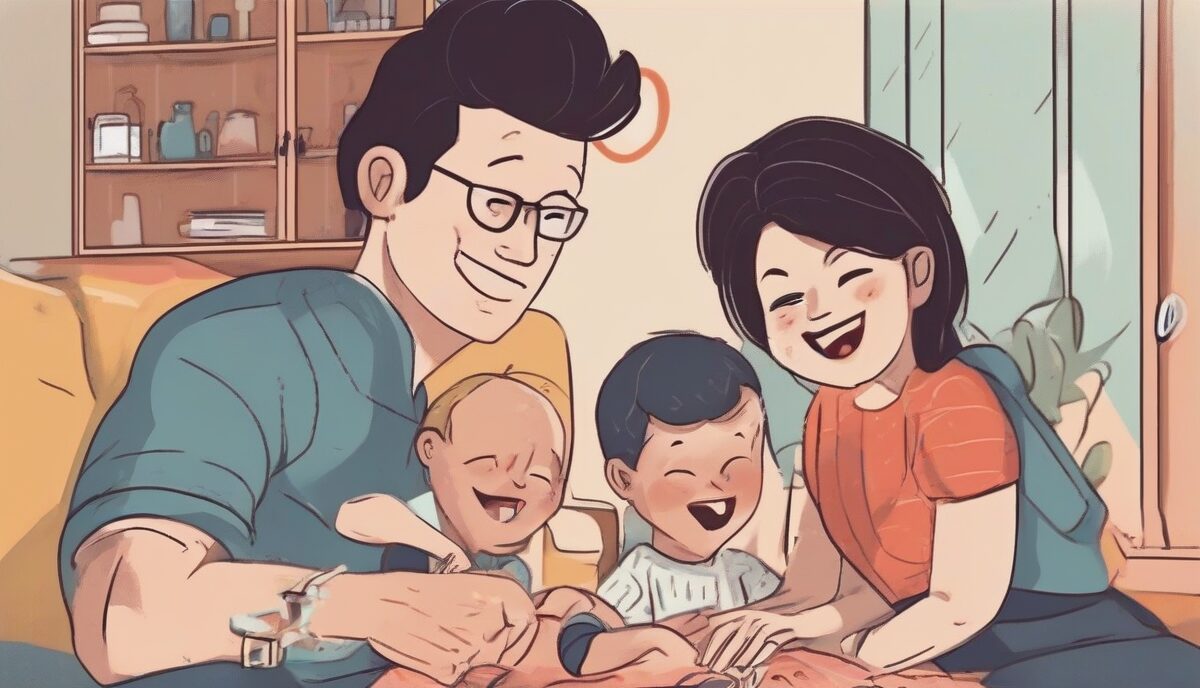
Understanding What It Means to Be Family Oriented
Being a family-oriented person means prioritizing family relationships and activities. It involves dedicating time, energy, and resources to nurturing family bonds. These individuals often find joy and fulfillment in spending time with their loved ones and place a high value on family traditions and connections.
Key Traits of a Family Oriented Person
Family-oriented individuals exhibit several key traits that set them apart:
- Prioritization of Family Time: They make a conscious effort to spend quality time with family members.
- Strong Communication Skills: Effective communication is crucial for maintaining healthy family relationships.
- Supportive Nature: They are always ready to offer emotional and practical support to their family.
- Respect for Family Traditions: They uphold and cherish family traditions and values.
- Commitment: They show unwavering commitment to family welfare and harmony.
The Importance of Being Family Oriented
Being family-oriented has numerous benefits:
- Emotional Support: A strong family network provides emotional support during challenging times.
- Mental Well-Being: Family bonds contribute positively to mental health and overall well-being.
- Strengthened Relationships: Spending time with family fosters deeper, more meaningful relationships.
- Life Satisfaction: Family-oriented individuals often report higher levels of life satisfaction and happiness.
- Positive Role Models: They serve as positive role models for younger family members.
How to Cultivate Family Oriented Habits
Becoming more family-oriented involves intentional effort. Here are some strategies:
1. Prioritize Family Time
Set aside regular time for family activities, such as dinners, game nights, or outings. Make these moments a priority in your schedule.
2. Communicate Effectively
Keep open lines of communication with your family members. Listen actively and express your thoughts and feelings honestly.
3. Support Each Other
Be there for your family in times of need. Offer your help and encouragement, and be a reliable source of support.
4. Celebrate Traditions
Participate in family traditions and create new ones. These shared experiences strengthen family bonds.
5. Show Appreciation
Express gratitude and appreciation for your family members. Acknowledge their efforts and contributions regularly.
Navigating Boundaries and Maintaining Individual Identity
While dedication to family is noble, a truly healthy family-oriented lifestyle requires the establishment of personal boundaries. It is a common misconception that being family-oriented means sacrificing all personal autonomy. In reality, the most sustainable family connections are built by individuals who maintain their own hobbies, career goals, and friendships outside the family unit. When you bring a sense of personal fulfillment and individual growth into your family circle, you become a more balanced and energized participant. Consider setting clear “me-time” windows where family members respect your need for solitude or personal development. This prevents the resentment that can build when one feels their entire identity is consumed by familial obligations. By teaching your children or spouse that healthy individuals make better family members, you model a sustainable, respectful approach to interdependence rather than codependence.
The Role of Conflict Resolution in Family Resilience
Every family faces periods of friction, and a family-oriented person distinguishes themselves by how they handle these inevitable storms. Rather than avoiding conflict to maintain a superficial sense of peace, a mature family-oriented individual approaches disagreements with curiosity and empathy. This involves learning how to “fight fair”—avoiding character attacks, using “I” statements, and focusing on the problem rather than the person. Implementing a “cooling-off” period when emotions run high can prevent words that cause long-term damage. Furthermore, practicing forgiveness is essential; family-oriented living acknowledges that humans are imperfect. By prioritizing reconciliation over being right, you demonstrate that the relationship is more important than the ego. Learning to apologize sincerely and accept apologies gracefully creates a safe environment where every family member feels secure enough to be vulnerable.
Managing Multi-Generational Dynamics and Obligations
Being family-oriented often becomes more complex as we navigate the needs of aging parents alongside the needs of growing children—the “sandwich generation” dilemma. This stage of life requires logistical ingenuity and emotional stamina. To manage these demands, consider holding quarterly “family strategy meetings” to discuss upcoming needs, health appointments, and school events. Transparency is your greatest tool; when all family members are aware of the time and energy constraints facing others, they are more likely to offer help rather than demand attention. For those caring for elders, it is vital to keep them connected to the younger generation through technology or shared storytelling, ensuring they feel valued as an integral part of the family narrative. Proactive planning, such as discussing long-term care or estate wishes during calm periods, is an act of love that prevents future crisis-driven stress.
Integrating Technology and Digital Etiquette
Modern family life is often fragmented by the glow of screens. A family-oriented person today must be intentional about “digital detoxing.” This doesn’t mean banning technology entirely, but rather curating “tech-free zones” or times, such as the dinner table or the hour before bed. Consider creating a shared digital space, like a private family group chat or a shared photo cloud, where positive updates and funny moments can be celebrated throughout the day. However, be cautious of the “highlight reel” trap; ensure that digital interactions do not replace the nuance of face-to-face conversation. Use technology as a bridge to maintain connection when physically apart, but treat it as a secondary tool to the high-quality, undistracted physical presence that defines true familial devotion.
Financial Stewardship as a Family Value
Family-oriented individuals often view financial management not just as a survival necessity, but as a way to provide long-term security and shared experiences. This involves teaching younger generations about fiscal responsibility, budgeting, and the value of delayed gratification. When families approach finances as a team effort, it reduces the stress that often leads to marital or household tension. Consider involving older children in age-appropriate discussions about household priorities—such as choosing between a vacation fund or a home improvement project. This inclusive approach fosters a sense of shared ownership and teaches the reality of compromise. By aligning your spending with your family’s core values, you ensure that your financial resources are actively fueling the bonds and memories you seek to cultivate.
Extending Family Orientation to the Community
A profound evolution of a family-oriented person is the realization that their “family” can extend beyond biological or legal ties. By fostering a sense of community, you create a “village” that supports your core family unit. This might involve inviting neighbors into your traditions, participating in local volunteerism as a family, or hosting open-house gatherings. When children see their parents treating their wider community with the same love and support they show their immediate family, they learn the value of empathy and civic duty. This outward-facing approach prevents the family unit from becoming insular or stagnant. It teaches that while family is the primary support system, we are also part of a larger human tapestry that requires our care, attention, and active participation to thrive.
FAQ
What defines a family-oriented person?
A family-oriented person is someone who places a high value on family relationships and dedicates time and effort to nurture and maintain these bonds.
Why is being family-oriented important?
Being family-oriented is important because it provides emotional support, enhances mental well-being, strengthens relationships, increases life satisfaction, and sets a positive example for younger generations.
How can I become more family-oriented?
To become more family-oriented, prioritize family time, communicate effectively, offer support, celebrate traditions, and show appreciation for your family members.
What are some activities for family bonding?
Activities for family bonding include family dinners, game nights, outdoor outings, movie nights, and participating in family traditions.
Can being family-oriented improve mental health?
Yes, being family-oriented can improve mental health by providing emotional support, reducing stress, and fostering a sense of belonging and security.
Related posts:
 Detail Oriented Person
 How chosen family becomes crucial during a pandemic
 Ways to Stay Connected With Distant Family Members
 Build a Strong Family Foundation
 Why Family Traditions Matter More Than You Think
 Living with Different Personalities
 Gyms Are Actually Banning Sexy Workout Clothes and Here’s Why
 How Your Zodiac Sign Matches Up In Relationships