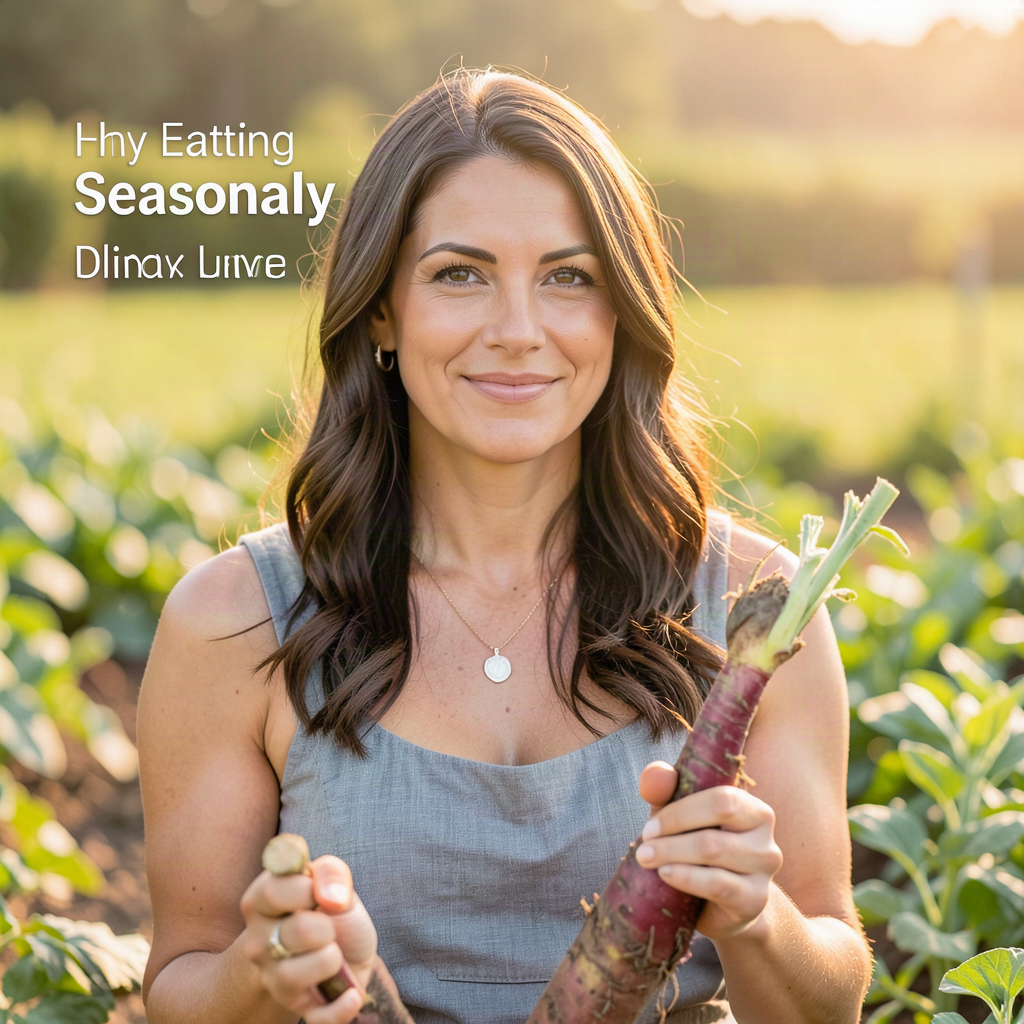
In the modern world, the beauty industry often directs our attention toward the latest laboratory-synthesized serums, encapsulated retinols, and high-tech dermatological procedures. While topical treatments certainly have their place in a comprehensive skincare regimen, a growing movement of dermatologists, nutritionists, and holistic health advocates is pointing back to a more ancestral wisdom: the concept of “Farm to Face.” This philosophy suggests that the most potent beauty interventions don’t come from a bottle, but from the soil. Eating seasonally—consuming fruits and vegetables at the peak of their natural harvest cycle—is emerging as the ultimate beauty hack for those seeking a radiant, resilient, and youthful complexion.
The premise is simple yet profound. When we align our diet with the rhythms of nature, we provide our bodies with the specific nutrients required to handle the environmental stressors of that particular time of year. A sun-ripened tomato in July offers a different nutritional profile than a greenhouse-grown one in January. By understanding the synergy between seasonal produce and skin physiology, we can transform our grocery list into a powerful cosmetic tool. This article explores the scientific and practical reasons why eating with the seasons is the most effective way to nourish your skin from the inside out.
The Science of Nutrient Density in Seasonal Produce
One of the primary reasons seasonal eating serves as a beauty booster is the superior nutrient density of fresh, locally harvested produce. Most fruits and vegetables begin to lose their nutritional value the moment they are picked. Research has shown that produce transported over long distances—often spending days or weeks in refrigerated trucks and warehouses—undergoes significant degradation of vital vitamins and antioxidants.
For instance, Vitamin C, a cornerstone of collagen production and skin brightening, is highly sensitive to light and heat. Studies have indicated that spinach can lose up to 50% to 90% of its Vitamin C content within 24 hours of being harvested if not kept at optimal temperatures. When you eat seasonally and locally, the window between harvest and consumption is minimized, ensuring that your skin receives the maximum dose of phytonutrients. These compounds, such as polyphenols and carotenoids, act as internal shields against oxidative stress, which is a leading cause of premature aging, fine lines, and hyperpigmentation.
Furthermore, plants grown in their natural season are allowed to ripen fully under the sun. This natural ripening process allows for the full development of phytochemicals—the plant’s own defense mechanisms. When we consume these plants, we inherit those defenses. A hothouse tomato grown out of season may look the part, but it often lacks the concentrated lycopene levels found in a summer-ripened variety. Lycopene is a potent antioxidant known to help protect the skin from UV-induced damage, making the summer tomato a literal “internal sunscreen.”
Harmonizing with Your Body’s Natural Rhythms
Our skin’s needs are not static; they fluctuate based on the environment. In the winter, the air is dry and cold, leading to a compromised skin barrier and transepidermal water loss. In the summer, humidity and increased UV exposure lead to higher sebum production and oxidative damage. Seasonal eating provides a natural solution to these shifting requirements.
Nature is remarkably intuitive. In the heat of summer, the earth provides hydrating, water-rich foods like cucumbers, melons, and berries, which help maintain cellular hydration and provide the antioxidants necessary to combat sun damage. In the transition to autumn and winter, the harvest shifts toward heartier root vegetables and squashes rich in Vitamin A (beta-carotene), which supports skin cell turnover and strengthens the skin’s protective barrier against harsh winds and indoor heating.
By following this natural cycle, we are essentially giving our bodies a customized nutritional blueprint for each season. This harmony reduces internal inflammation, which is often reflected on the face as redness, acne, or puffiness. When the gut is nourished with the fibers and enzymes native to the current season, the gut-skin axis functions more efficiently, leading to a clearer and more vibrant complexion.
Spring: Rejuvenation and Detoxification for a Clear Complexion
As the earth wakes up in the spring, our bodies often feel the need for a “spring cleaning.” In traditional Chinese medicine and Ayurveda, spring is a time for detoxification, focusing on the liver—the body’s primary filtration system. Because the skin is an organ of elimination, a sluggish liver often manifests as dullness, breakouts, or allergic reactions.
Spring produce is perfectly suited for this internal reset. Bitter greens like arugula, dandelion greens, and watercress are abundant during this time. These bitters stimulate bile production, aiding digestion and the removal of toxins. They are also rich in chlorophyll, which helps oxygenate the blood, giving the skin a healthy, oxygenated glow. Asparagus, another spring staple, is a natural diuretic that helps flush out excess salt and reduce under-eye puffiness.
Radishes and sprouts also make their appearance in spring. Radishes are high in sulfur, silicon, and Vitamin C, which work together to support connective tissue and enhance the skin’s resilience. Incorporating these fresh, vibrant foods into your diet after a winter of heavy, cooked meals helps to “wake up” the skin, promoting a clearer and more refined texture.
Summer: Hydration and Sun Protection from Within
Summer is the season of abundance, and for the skin, it is a season of protection. The primary goal during the warmer months is to maintain hydration levels and neutralize the free radicals generated by increased sun exposure. The “Farm to Face” approach in summer focuses on high-water content and high-pigment produce.
Berries—strawberries, blueberries, raspberries, and blackberries—are at their peak in summer. These fruits are packed with anthocyanins and ellagic acid. Anthocyanins give berries their deep colors and provide powerful antioxidant protection, while ellagic acid has been shown to help prevent collagen breakdown caused by UV rays. Watermelon is another summer hero; it is 92% water and contains more lycopene than raw tomatoes, helping to hydrate the skin at a cellular level and improve its natural photoprotective qualities.
Stone fruits like peaches and apricots are rich in Vitamin C and potassium, which help regulate fluid balance and support the repair of sun-damaged tissues. To maximize the beauty benefits, aim for a “rainbow plate” during the summer months. The variety of colors indicates a wide spectrum of flavonoids that work synergistically to keep the skin firm, hydrated, and glowing despite the heat.
Autumn: Repairing and Strengthening the Skin Barrier
As the leaves change, our skin begins to feel the effects of the cooling air. Autumn is a period of transition where the focus shifts from protection to repair. After a summer of sun exposure, the skin may have accumulated some damage or dehydration. The harvest of autumn provides exactly what is needed to rebuild.
Squashes (butternut, acorn, and pumpkin) and sweet potatoes are the stars of the fall season. These are exceptionally high in beta-carotene, which the body converts into Vitamin A (retinol). Vitamin A is essential for skin cell differentiation and repair. It helps to smooth out rough patches, brighten the complexion, and encourage the shedding of dead skin cells that can make the skin look lackluster. Unlike synthetic retinols which can sometimes cause irritation when applied topically, dietary Vitamin A provides a gentle, systemic support for skin renewal.
Apples and pears are also in season, providing a wealth of pectin and fiber. A healthy gut is essential for clear skin, and these seasonal fibers act as prebiotics, feeding the beneficial bacteria in the microbiome. Furthermore, the skins of red apples contain quercetin, an antioxidant with anti-inflammatory properties that can help soothe skin sensitized by the changing weather.
Winter: Deep Nourishment and Moisture Retention
Winter poses the greatest challenge to skin moisture. The combination of low humidity and artificial heating can strip the skin of its natural oils, leading to itchiness, flakiness, and a dull appearance. The winter harvest focuses on deep nourishment and immune support, which indirectly benefits the skin’s ability to defend itself.
Citrus fruits—lemons, oranges, and grapefruits—are at their best in the winter. They provide a massive boost of Vitamin C, which is crucial for the synthesis of collagen, the protein that keeps skin plump and prevents sagging. While many people think of Vitamin C as a summer nutrient, its availability in winter is nature’s way of ensuring our structural proteins remain strong when the environment is most taxing.
Cruciferous vegetables like kale, Brussels sprouts, and cabbage are winter staples. These are rich in sulfur compounds that support the production of glutathione, often called the body’s “master antioxidant.” High levels of glutathione are associated with brighter skin and a reduction in oxidative stress. Additionally, root vegetables like beets provide nitrates that improve blood flow, ensuring that nutrients and oxygen reach the skin’s surface even when peripheral circulation is restricted by the cold.
The Environmental and Economic Benefits of Farm-to-Face
Choosing to eat seasonally isn’t just a win for your skin; it’s a win for the planet and your wallet. When we buy produce that is in season, we are typically supporting local farmers and reducing the carbon footprint associated with long-distance food transportation. This “food miles” reduction means less fuel consumption and fewer greenhouse gas emissions. Sustainable soil practices often used by local, seasonal farmers also lead to more nutrient-dense crops, creating a virtuous cycle of health.
Economically, seasonal eating is highly cost-effective. When a crop is in its peak harvest season, the supply is high, which naturally drives the price down. You will notice that strawberries are significantly cheaper in June than they are in December. By focusing your grocery shopping on what is currently abundant, you can afford a higher volume of organic, high-quality produce that might otherwise be outside of your budget. This allows you to flood your system with beauty-boosting nutrients without the premium price tag of high-end skincare products.
Furthermore, eating seasonally encourages culinary creativity. Instead of relying on the same five vegetables year-round, you are pushed to explore different varieties and preparation methods. This diversity is excellent for the gut microbiome. A diverse microbiome is increasingly linked to reduced skin inflammation and a more resilient skin barrier, proving that the variety offered by the seasons is a key component of the “beauty hack.”
Practical Tips for Transitioning to a Seasonal Diet
Transitioning to a seasonal diet doesn’t require an all-or-nothing approach. It is about making conscious shifts in your shopping and eating habits. Here are several actionable steps to get started:
- Visit Your Local Farmers Market: This is the easiest way to see what is currently in season in your specific region. Talk to the farmers; they can tell you what was picked that morning and offer tips on how to prepare it.
- Join a CSA (Community Supported Agriculture): A CSA subscription provides you with a weekly box of produce from a local farm. It takes the guesswork out of seasonal eating and introduces you to vegetables you might not have chosen yourself.
- Use a Seasonal Produce Guide: Many websites and apps offer region-specific guides that list what is in season each month. Keep a printed list on your refrigerator as a reminder before you head to the store.
- Focus on Whole Foods: Processed foods are designed to be shelf-stable and season-less. By shifting your diet toward whole, unprocessed ingredients, you naturally align more closely with the harvest cycles.
- Learn to Preserve: If you find an abundance of a particular beauty-boosting food (like summer berries), learn to freeze or ferment them. While fresh is best, flash-freezing at the peak of ripeness preserves more nutrients than buying out-of-season produce that has traveled 3,000 miles.
- Eat Mindfully: Notice how your skin feels and looks as you change your diet. Many people find that their skin becomes less reactive and more “glowy” within just one or two months of consistent seasonal eating.
Conclusion: The Long-Term Beauty of Seasonal Living
The “Farm to Face” philosophy is more than just a diet; it is a way of reconnecting with the natural world. In a society that values instant gratification and year-round availability, choosing to wait for the first spring peas or the first autumn squash is a radical act of self-care. It teaches us patience and appreciation for the nuances of nature.
By prioritizing seasonal eating, you are investing in the long-term health of your skin. You are providing your body with a rotating cast of antioxidants, vitamins, and minerals that address the specific environmental challenges of the moment. This internal support system creates a foundation of health that no topical cream can replicate. While we cannot stop the passage of time, we can influence how we age by nourishing ourselves with the vibrant, life-giving foods that the earth provides in its own perfect timing. Your skin is a reflection of your internal environment; feed it with the seasons, and it will reward you with a timeless, healthy radiance.
Bioavailability and the Art of Seasonal Food Pairing
While the existing article highlights the importance of nutrient density, the true beauty benefit of seasonal eating lies in the bioavailability of those nutrients—how much of them your body actually absorbs and utilizes. Eating a carrot in autumn is only half the battle; ensuring the beta-carotene converts efficiently into skin-smoothing retinol requires a nuanced understanding of food pairing. Fat-soluble vitamins, including A, D, E, and K, are the heavy hitters of the skincare world, responsible for everything from cell turnover to blood coagulation (which prevents dark under-eye circles). These vitamins require a dietary fat source to be transported across the intestinal wall.
When you consume your autumn harvest of roasted squash or sweet potatoes, pairing them with a healthy lipid like extra virgin olive oil, avocado, or walnuts is essential. Without this pairing, much of the skin-regenerating potential is simply flushed out of the system. Furthermore, the way we prepare seasonal produce can alter its chemical structure. While the original article mentions the degradation of Vitamin C in spinach, other nutrients, like the lycopene in summer tomatoes or the beta-carotene in winter carrots, actually become more bioavailable when lightly heated. The heat breaks down the tough plant cell walls, releasing the antioxidants for easier absorption. For the ultimate beauty hack, consider a mix of raw and gently cooked seasonal produce to ensure you are receiving both the heat-sensitive enzymes and the heat-activated phytonutrients.
The Rhizosphere and the Gut-Skin Axis
Beyond the vitamins themselves, seasonal eating connects us to the “rhizosphere”—the complex ecosystem of microorganisms living in the soil. Modern dermatological research is increasingly focused on the gut-skin axis, the theory that the health of our internal microbiome is directly reflected in the clarity and resilience of our skin. When we eat locally and seasonally, we are consuming the specific soil-based organisms (SBOs) and diverse fibers native to our immediate environment. These microbes act as a natural “prime” for our immune system, reducing systemic inflammation that often manifests as acne or rosacea.
Produce grown in vibrant, living soil—as opposed to sterile, hydroponic environments often used for out-of-season crops—contains a higher concentration of postbiotics. These are the byproducts of microbial fermentation in the soil that, when ingested, help to strengthen the human gut lining. A robust gut lining prevents “leaky gut,” a condition where undigested food particles and toxins enter the bloodstream, triggering an immune response that leads to skin flare-ups. By rotating your diet with the seasons, you are effectively diversifying the “internal garden” of your gut. This microbial diversity is one of the most effective ways to maintain a strong skin barrier, as a healthy gut produces the short-chain fatty acids necessary to keep the skin hydrated and supple from the inside out.
Targeted Seasonal Strategies for Chronic Skin Concerns
For those struggling with specific conditions like acne, eczema, or hyperpigmentation, seasonal eating can be used as a targeted therapeutic intervention. Each season brings a unique set of environmental triggers that can exacerbate these issues, and the harvest provides the specific antidote. For instance, those prone to hormonal acne often find their skin worsens in the humid summer months when sebum production peaks. During this time, focusing on the “bitter” profile of late-summer chicory and endive can help support liver conjugation of excess hormones, preventing them from manifesting as cystic breakouts along the jawline.
Conversely, eczema and psoriasis often flare during the transition into winter as the humidity drops. This is the time to lean heavily into the omega-3 rich profiles of seasonal walnuts and seeds, as well as the mucilaginous fibers found in okra or certain root vegetables. these substances help to soothe the internal mucous membranes, which is mirrored by a reduction in external skin irritation. For those dealing with post-summer hyperpigmentation, the autumn harvest of grapes and pomegranates is particularly beneficial. These fruits are rich in resveratrol and ellagic acid, which have been shown to inhibit tyrosinase—the enzyme responsible for melanin production. By eating these fruits in abundance during the fall, you are providing your skin with the internal tools to fade dark spots and even out skin tone more rapidly than topical serums alone could achieve.
Biological Water and Deep Cellular Hydration
We are often told to drink eight glasses of water a day for glowing skin, but the water found within seasonal produce is structurally different and often more effective for deep cellular hydration. This is frequently referred to as “gel water” or “structured water.” In the height of summer, plants like cucumbers, zucchini, and peaches contain water that is bound within a matrix of minerals, fibers, and electrolytes. This structured water is absorbed more slowly by the body, allowing it to stay in the extracellular matrix of the skin for longer periods, leading to a visible “plumping” effect that simple tap water cannot replicate.
The mineral content of this seasonal water is also crucial. For example, the high silica content in summer cucumbers and spring radishes helps to strengthen the connective tissues—collagen and elastin—that keep the skin firm. In the winter, when we tend to drink more dehydrating caffeinated beverages to stay warm, the high potassium content in seasonal citrus and bananas helps to maintain the sodium-potassium pump within our cells. This ensures that even when the external environment is bone-dry, our skin cells retain their internal volume. Shifting the focus from the quantity of water consumed to the quality of hydration found in seasonal, water-rich foods is a sophisticated way to manage the skin’s moisture levels year-round.
Foraging the Beauty Cabinet: Seasonal Herbs and Wild Edibles
An overlooked aspect of the Farm to Face movement is the inclusion of seasonal herbs and wild-foraged “weeds” that often appear alongside cultivated crops. In the spring, the arrival of stinging nettles and cleavers provides a potent lymphatic flush. The lymphatic system is the body’s drainage system; when it becomes stagnant, the face can appear puffy and the skin sallow. Nettle tea, made from the first tender shoots of spring, is incredibly high in iron and Vitamin K, which helps to oxygenate the skin and reduce the appearance of broken capillaries.
As we move into summer, wild herbs like purslane begin to carpet the ground. Purslane is one of the richest plant sources of alpha-linolenic acid (an essential omega-3 fatty acid) and contains high levels of Vitamin E and glutathione. Incorporating these “beauty weeds” into salads provides a level of antioxidant protection that is rarely found in store-bought, cultivated greens. In the autumn, the berries of the hawthorn or the rosehip are at their peak. Rosehips are essentially nature’s Vitamin C concentrate, containing up to 20 times more of the vitamin than oranges. By integrating these seasonal, wild elements into your diet, you are tapping into a concentrated form of plant intelligence that has been used for centuries to maintain a clear, vibrant complexion.
Metabolic Flexibility and Seasonal Macronutrient Shifting
The skin’s appearance is also heavily influenced by our metabolic health and how we process different macronutrients. Historically, human diets shifted significantly in their ratio of fats, proteins, and carbohydrates depending on the season. In the summer, with the abundance of fruit, our metabolism is primed to handle higher levels of natural sugars. The antioxidants present in these fruits, as discussed in the existing article, protect against the glycation process—where sugar molecules attach to collagen fibers, making them brittle and prone to wrinkling.
In the winter, the body naturally pivots toward a higher intake of fats and proteins to maintain thermogenesis. This shift is beneficial for the skin’s lipid barrier. By embracing the heartier, fat-rich foods of winter—such as pumpkin seeds, fatty cold-water fish (which are often at their best in colder months), and even high-quality animal fats in traditional stews—you are providing the building blocks for the ceramides that keep moisture locked in. Problems often arise when we maintain a high-carbohydrate, high-sugar diet year-round, regardless of the season. This “metabolic winter” (eating high-sugar tropical fruits in the middle of a cold January) can lead to insulin spikes that trigger sebum overproduction and inflammation. Aligning your macronutrient intake with the seasonal availability of food helps maintain insulin sensitivity, which is a key factor in preventing adult acne and premature aging.
The Solar-Nutritional Interface: Priming the Skin for UV
One of the most profound “Farm to Face” hacks is the concept of nutritional priming. Our skin does not react to the sun in a vacuum; its resilience is built over the weeks and months leading up to peak exposure. The late spring and early summer harvest is rich in carotenoids—specifically beta-carotene, lutein, and zeaxanthin—found in apricots, leafy greens, and early carrots. When these are consumed consistently, they accumulate in the skin’s fatty tissues, creating a physical pigment barrier that absorbs UV radiation and neutralizes free radicals before they can damage the DNA of the skin cells.
Frequently Asked Questions
Does frozen produce offer the same beauty benefits as fresh seasonal produce?
Yes, frozen produce can be an excellent alternative, especially during the deep winter months or if you live in a region with limited access to fresh local goods. Most frozen fruits and vegetables are flash-frozen within hours of being harvested at their peak ripeness. This process “locks in” the vitamins and antioxidants, often resulting in a higher nutrient profile than “fresh” produce that has sat on a grocery shelf for a week. For skin health, frozen berries and greens are fantastic additions to smoothies and soups.
How long does it take to see improvements in my skin after switching to a seasonal diet?
The skin typically undergoes a full renewal cycle every 28 to 40 days. While some people notice a change in their energy levels and digestion within a week, visible changes in skin clarity, hydration, and tone usually take about one to two months of consistent nutritional changes. Patience is key; you are nourishing the deeper layers of the dermis, and it takes time for those healthy new cells to reach the surface.
Is it necessary to buy organic seasonal produce for the best skin results?
While organic produce is ideal because it lacks synthetic pesticides that can disrupt hormones and contribute to inflammation, the most important factor is the freshness and seasonality of the food. If your budget is limited, prioritize the “Dirty Dozen” (fruits and vegetables with the highest pesticide loads) for organic purchases and buy the “Clean Fifteen” conventionally. Local, non-certified organic farmers often use sustainable practices that are just as good as certified organic, so don’t be afraid to ask questions at the market.
Can I still eat my favorite out-of-season foods if I want clear skin?
Absolutely. Seasonal eating is about the majority of your intake, not perfection. If you love avocados but they don’t grow near you, you can still enjoy them for their healthy fats. The goal is to shift the bulk of your produce consumption to what is locally and seasonally available to maximize nutrient density. Aim for an 80/20 rule: 80% seasonal and local, 20% favorites from elsewhere.
Are there any specific seasonal foods I should avoid for skin health?
Rather than avoiding specific seasonal foods, the focus should be on how they are prepared. For example, while corn is a seasonal summer crop, eating it in the form of highly processed corn syrup or fried chips will not benefit your skin. Stick to the whole, recognizable form of the food. Also, be mindful of individual sensitivities; some people find that nightshades (like tomatoes and eggplant) can trigger inflammation, even when they are in season. Always listen to your body’s unique signals.
Related posts:
 Gut Health for Longer Life
 Seasonal Skincare Calendar
 Spring Fling Fingers: The Nail Colors That Scream New Season Energy
 The Gut-Brain Highway: How Your Stomach Controls Your Mood
 Summer Romance Compatibility Guide
 New Mom, New Science: How Your Gut Health Could Be the Key to Beating Postpartum Blues
 Spring Awakening: The Hydrating Serums Your Winter Skin Is Craving
 The 2018 Dirty Dozen List That Will Change How You Shop for Produce