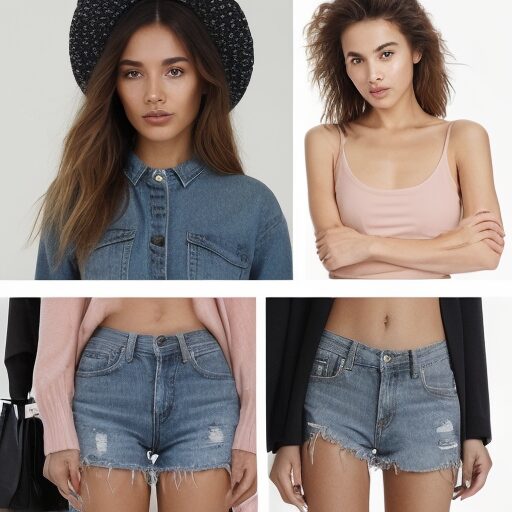
Fast fashion brands have revolutionized the industry by making the latest trends inexpensive and readily accessible. However, many critics argue this affordability comes at a greater cost – to people’s wellbeing and our planet.
The Good
There’s no denying fast fashion has its benefits. These brands have democratized fashion, bringing stylish clothes to the masses. Their efficient supply chains and trend forecasting abilities allow them to quickly replicate catwalk designs at bargain prices.
This speed satisfies consumers’ desire for constant newness. The low prices make it possible to update your wardrobe often without breaking the bank. No longer is staying on-trend just for the wealthy elite.
The Bad
But fast fashion’s low prices hide many concerning tradeoffs.
Critics argue the rapid production promotes overconsumption and waste. Lower quality garments may only survive a few wears before disposal.
Labor abuses also run rampant in fast fashion supply chains to meet the intense pace and cost demands. Reports have exposed unsafe factories, excessive hours, and poverty wages.
Sourcing and production also generates copious greenhouse gases. And chemical processing of materials pollutes local waterways.
The Complexity
With increased awareness, some fast fashion brands have pledged commitments to sustainability and ethical labor practices.
But inherent tensions exist between fast fashion’s business models and protecting social and environmental welfare. Significant progress remains needed across the industry.
Our Role
As consumers, we can all be more conscious about our purchases – buying less and seeking brands aligned with our values. Policy changes, collaboration, and technological advances also provide paths forward.
There are no easy fixes to balance accessibility, ethics and sustainability. Yet through compassion and creativity, we can work to shape a fashion future that benefits all.
The Mechanics of Micro-Trends and Algorithmic Design
Modern fast fashion operates on a predictive feedback loop driven by data analytics and social media sentiment. Brands no longer wait for seasonal runway cycles; instead, they utilize “real-time retail” strategies. By monitoring trending hashtags, influencer endorsements, and search engine queries, design teams can push a garment from concept to e-commerce storefront in as little as two weeks. This hyper-speed cycle relies on “test and repeat” production models, where small batches are released to gauge interest. If an item gains traction, manufacturing is instantly scaled. This efficiency, while impressive, creates a psychological environment where consumers feel perpetually behind if they do not purchase the latest “micro-trend” within days of its digital debut. Understanding this algorithmic pressure helps consumers distinguish between genuine style needs and transient, manufactured desires.
The Anatomy of Material Costs and Synthetic Dependency
A significant portion of fast fashion’s low cost is attributed to its heavy reliance on synthetic fibers like polyester, nylon, and acrylic. These materials are derived from petroleum, making them cheaper to produce and easier to manipulate into various textures than natural fibers. However, the environmental trade-off is profound. Synthetic garments are essentially plastic; they do not biodegrade, and every wash cycle releases thousands of microplastics into wastewater systems, eventually infiltrating marine ecosystems. Furthermore, the dyeing and finishing processes for these fabrics involve complex chemical cocktails—including heavy metals and formaldehyde—which are often discharged untreated in regions with lax environmental oversight. Recognizing the fiber composition on a garment tag is a critical step in assessing the true cost of a “bargain” item.
Navigating the Greenwashing Labyrinth
As consumer demand for sustainability grows, many fast fashion giants have launched “conscious” or “eco-friendly” collections. However, these initiatives often fall into the trap of greenwashing—using vague terminology like “sustainable materials” or “recycled content” without providing transparent, verifiable data. For instance, a brand might highlight that a shirt is made from 20% recycled polyester while ignoring the toxic chemicals used in the remaining 80% of the production process. To navigate this, shoppers must look for credible third-party certifications such as GOTS (Global Organic Textile Standard), OEKO-TEX, or Fair Trade USA. If a brand cannot provide a clear map of its tier-one to tier-four supply chain, their sustainability claims should be viewed with skepticism, as true accountability requires visibility into every stage of production, from raw fiber cultivation to finished garment assembly.
The Hidden Costs of Logistics and Reverse Supply Chains
The fast fashion model extends beyond production; it relies on a complex global logistics network designed to prioritize speed over carbon efficiency. Air freight is frequently utilized to bypass shipping bottlenecks, resulting in a carbon footprint significantly higher than ocean-based logistics. Additionally, the rise of “free returns” has created a secondary crisis in reverse logistics. Many items returned to major fast fashion retailers are not restocked due to the labor-intensive process of inspection and repackaging. Instead, a startling volume of returns is liquidated, sent to landfills, or incinerated to protect brand value and avoid storage costs. Recognizing this “return-to-waste” pipeline encourages consumers to be more deliberate with sizing and purchasing decisions, as the convenience of an easy return often masks a hidden environmental disaster.
The Role of Circularity and Garment Longevity
Moving toward a more sustainable future requires a fundamental shift from a linear “take-make-waste” model to a circular one. This involves designing garments for durability, repairability, and eventual recyclability. Currently, most fast fashion garments are constructed with complex blends (e.g., poly-cotton mixes) that are nearly impossible to separate and recycle using existing technology. To combat this, consumers can prioritize “monomaterial” clothing—garments made of a single fiber type—which are significantly easier to recycle. Furthermore, learning basic textile maintenance, such as proper washing techniques, air-drying, and simple mending, can extend the life of a garment by years. By treating clothing as an asset to be managed rather than a disposable commodity, consumers can drastically reduce their individual impact regardless of where they shop.
Policy Interventions and Industry Regulation
Voluntary commitments by corporations have proven insufficient to curb the systemic issues of the fast fashion industry, leading to a surge in legislative efforts. Governments in the European Union and parts of North America are beginning to implement Extended Producer Responsibility (EPR) schemes, which hold brands financially accountable for the end-of-life management of their products. Additionally, emerging “due diligence” laws are requiring companies to audit their supply chains for human rights abuses and environmental violations, with significant penalties for non-compliance. These regulatory frameworks are vital for leveling the playing field, ensuring that ethical brands are not undercut by competitors who externalize their costs onto workers and the planet. Supporting policy initiatives that advocate for supply chain transparency and strict chemical management is a powerful way for individuals to influence systemic change beyond the checkout counter.
FAQ
What are the main benefits of fast fashion?
The main benefits are very low prices that make fashion accessible to more consumers, along with keeping up with the latest catwalk trends extremely quickly.
How does fast fashion promote overconsumption?
The low prices and constant new styles encourage people to purchase more items more frequently. Lower quality also leads people to dispose of garments quicker.
What labor issues are common in fast fashion supply chains?
Reports have revealed unsafe working conditions, excessive hours, very low wages that leave workers in poverty, harassment, and use of child labor in some cases.
How does fast fashion impact the environment?
Sourcing raw materials and production generate significant greenhouse gases. Manufacturing processes can pollute local water supplies. And increased disposal of low-quality garments adds waste.
What can we do as consumers about fast fashion?
We can be more conscious about our purchases – buying fewer, higher-quality items, seeking out sustainable and ethical brands, and properly caring for our clothes to extend their lifespan.
Related posts:
 Green Fashion Face-Off: H&M’s Fall Collection vs. Truly Eco-Friendly Brands
 Crystal-Infused Fashion
 Step Into Compassion: The Best Vegan Shoe Brands Making Waves
 Guac is Back: Why Avocado Prices Are Finally Going Down
 The Human Cost of Fast Fashion
 The ThirdLove Ad That Just Threw Major Shade at Victoria’s Secret
 Sparkly Leggings: The Holiday Fashion Statement That Divided the Internet
 Guide to Eco-Friendly Fashion