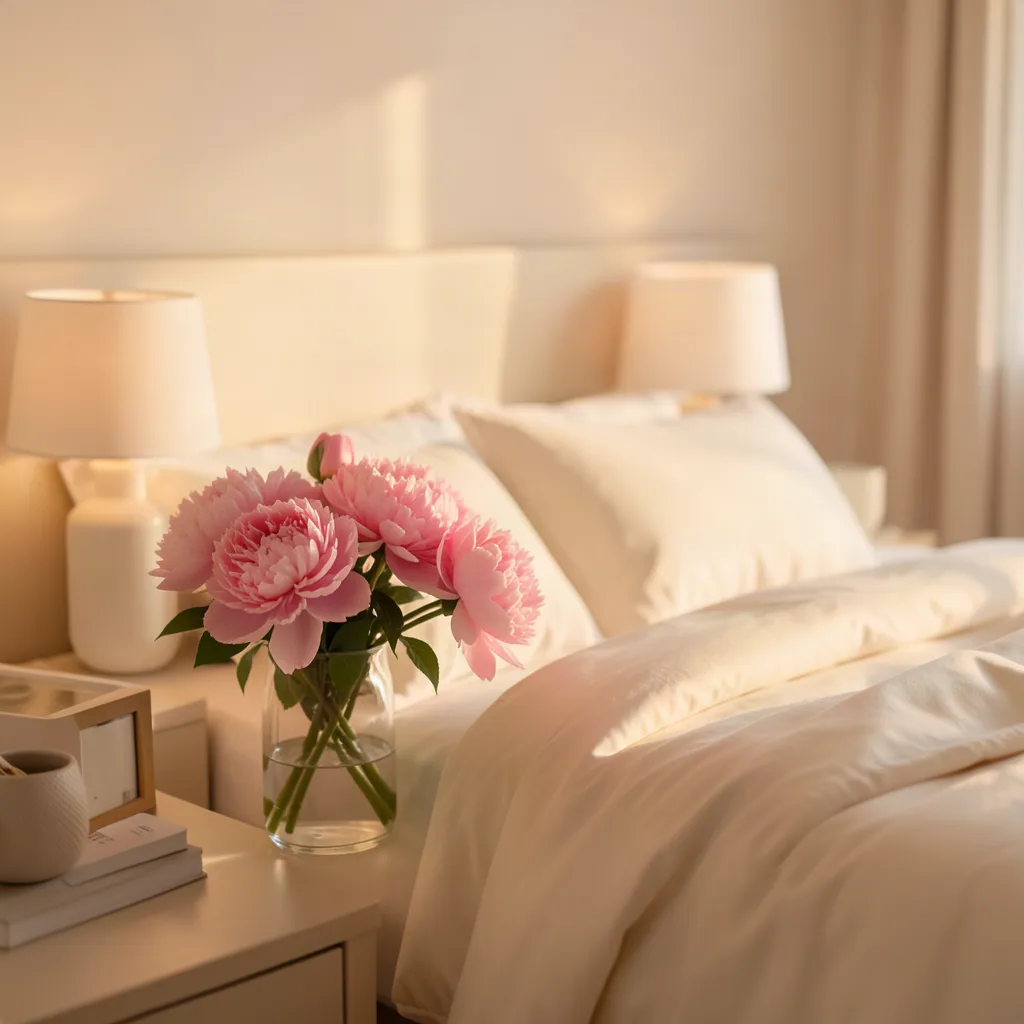
Your bedroom is more than a place to sleep; it is the sanctuary where you recharge, reflect, and, for many, connect with a partner. In the ancient Chinese art of Feng Shui, this room holds particular significance because it governs rest, intimacy, and the quality of relationships in your life. When the energy, or Qi, in this space flows smoothly, it can support deeper connection, better sleep, and a sense of emotional safety. However, modern living often introduces clutter, technology, and awkward layouts that disrupt this flow. This guide explores how to apply timeless principles to your bedroom to invite love and harmony without relying on superstition.
Key takeaways
- Position your bed in the command position or against a solid headboard to improve sleep quality and feelings of security.
- Declutter your space, especially under the bed, to remove stagnant energy and create room for new emotional experiences.
- Use symmetrical nightstands and balanced decor to foster a sense of equality and mutual respect in your relationship.
- Establish a digital detox zone by removing screens and devices to prioritize rest and meaningful connection with your partner.
Approaching Feng Shui with a compassionate mindset means viewing your home as a reflection of your inner state rather than a magic formula. You are not rearranging furniture to force a specific outcome; you are curating an environment that supports the kind of relationship you wish to cultivate. Whether you are single and open to partnership, or in a committed relationship seeking more warmth, small intentional changes can shift the atmosphere of the room. The goal is balance, comfort, and a space that feels welcoming to both yourself and anyone who enters.
Understanding the Bagua Map and the Love Corner
The Bagua map is a Feng Shui tool that overlays an eight-sector grid onto your floor plan to identify the energetic purpose of each area. While there are different schools of thought regarding how to align this map, the most common method involves standing at your front door and facing inward. The wall opposite the entrance, along with the far right corner, typically represents relationships and marriage.
Identifying this sector in your bedroom allows you to focus your attention where it matters most. If your bed or a prominent piece of furniture sits in this area, it naturally amplifies the energy of connection. Once you locate the corner, you can activate it gently. This might involve placing a pair of objects, such as two candles, two books, or a small vase with fresh flowers, to symbolize partnership.
It is important not to overcorrect if the layout does not perfectly align with the map. The overall feeling of the room matters more than precise compass directions. If the corner is blocked by a wardrobe or a dark corner, simply clearing the space and adding a soft light or a meaningful object can brighten the energy. The intention behind the change is what carries the most weight, so move with curiosity rather than rigid rules.
Positioning Your Bed for Optimal Energy Flow
The bed is the most important piece of furniture in the room, and its placement sets the tone for rest and security. Traditional guidance suggests the command position, which means placing the bed diagonally from the door so you can see the entrance without being directly in line with it. This positioning provides a subconscious sense of safety, allowing your nervous system to relax fully during sleep.
If your room layout prevents a perfect command position, prioritize a solid headboard against a wall. A headboard offers support, symbolizing stability in your personal life. Avoid placing the bed under a window, as this can feel unstable, and avoid aligning your feet directly with the door, a placement often referred to as the coffin position in Feng Shui. These adjustments are about comfort and psychological ease rather than fear.
Ensure there is space on both sides of the bed. Equal space on either side promotes balance in the relationship, preventing one partner from feeling overshadowed or unsupported. If you share the bed, try to arrange the nightstands so they are identical or similar in height and style. This symmetry communicates equality and mutual respect, reinforcing a partnership where both voices are heard.
Decluttering to Clear Space for Connection
Clutter is often a physical manifestation of unresolved thoughts or emotions. In the bedroom, this can take the form of clothes piled on a chair, papers on the dresser, or boxes stored under the bed. Stagnant energy accumulates in these forgotten corners, which can make the space feel heavy rather than restorative.
Start with the most obvious areas. Clear the nightstands so that each surface holds only items that bring calm, such as a lamp, a book, or a glass of water. Remove anything that reminds you of stress, such as work emails, gym equipment, or bills. The bedroom should be a zone of restoration, not a secondary office or storage room.
Pay special attention to the space beneath the bed. Many people store suitcases, old clothes, or shoes there. This area should remain open and airy to allow energy to circulate freely. If you must store items, use clean, covered containers and keep the stack low. As you remove items, take a moment to acknowledge what each object no longer serves you. Letting go of physical clutter often creates room for new emotional experiences.
Choosing Bedding and Textiles That Invite Intimacy
The textures you touch every night influence how safe and loved you feel. Natural fibers like cotton, linen, and silk are breathable and comfortable, supporting a restful night that is essential for emotional regulation. When you feel physically comfortable, you are more open to vulnerability and connection.
Consider the color and pattern of your linens. Soft, warm tones such as cream, blush, or muted terracotta can create a cozy atmosphere. Avoid fabrics that feel cold or stark, such as heavy synthetic blends or overly bright patterns, which can feel stimulating rather than soothing. If you prefer bold colors, introduce them through throw pillows or a blanket that you can easily remove.
Symmetry extends to your bedding as well. Use two pillows per person and consider a duvet that allows each partner their own space if they tend to move during sleep. This consideration reduces friction and respects boundaries. Pairing objects throughout the room, from lamps to vases, reinforces the theme of partnership without requiring you to display overt symbols.
Lighting and Color Palettes for Warmth
Lighting plays a crucial role in setting the mood of a bedroom. Harsh overhead lights can feel clinical and interrupt the transition from day to night. Instead, layer your lighting with bedside lamps, floor lamps, or dimmers that allow you to control the intensity. Warm light bulbs, typically around 2700 Kelvin, mimic the glow of sunset and signal to your body that it is time to wind down.
Color psychology also contributes to the feeling of the room. Earth tones and warm neutrals ground the energy, while soft reds or pinks are traditionally associated with romance. You do not need to paint all four walls a specific color to achieve this effect. Introduce these hues through artwork, a rug, or an accent wall. If you live in a rental or prefer a neutral palette, use textiles and accessories to add warmth.
Consider the use of candles or salt lamps for evening ambiance. These provide a flickering, gentle light that encourages slowing down. Always prioritize safety by using LED candles if you are concerned about open flames. The goal is to create a soft, inviting glow that makes the room feel like a cocoon rather than a hospital.
Removing Distractions and Digital Detox Zones
Technology is one of the most significant disruptors of intimacy in the modern bedroom. Televisions, laptops, and smartphones can bring work stress, social comparison, and notifications into a space meant for rest. Establishing a boundary around devices helps protect the sanctity of the room.
Try to keep screens out of the bedroom entirely. If this is not possible, consider moving the television to a living area or covering it when not in use. Set a charging station outside the bedroom so that phones are not the first thing you see in the morning or the last thing you see at night. This simple change can improve sleep quality and reduce anxiety before bed.
Discuss this boundary with your partner if you share the space. Agreeing to a digital curfew, such as no devices one hour before sleep, creates a shared ritual of connection. It allows you to talk, read, or simply sit together without the distraction of a glowing screen. Protecting this time together is often more valuable than any physical adjustment.
Incorporating Symbols and Elements of Partnership
Artwork and decor choices subtly communicate the energy of the room. When selecting images, look for pieces that depict connection, such as landscapes with two figures, pairs of birds, or abstract compositions that feel harmonious. Avoid artwork that features a single lonely figure, as this can reinforce feelings of isolation.
Plants can bring life and freshness into the bedroom, but choose carefully. Healthy, rounded-leaf plants are beneficial, while thorny plants like cacti are generally avoided because their energy is considered sharp. A small succulent or a peace lily can purify the air and add a touch of nature. Ensure the plant is well-cared for, as a dying plant can symbolize neglect.
Crystals and other personal talismans are optional but can serve as reminders of your intentions. Rose quartz is commonly associated with unconditional love, while other stones may support calmness or stability. Place them where you can see them, such as on a nightstand, but do not rely on them to do the work. The true power lies in your daily actions and mindset, not in the objects themselves.
Maintaining Your Space for Lasting Harmony
Feng Shui is not a one-time project but an ongoing practice of maintenance. Regularly opening windows to let in fresh air keeps the energy moving and prevents the room from feeling stale. Dusting surfaces and vacuuming floors removes physical debris that can weigh on the atmosphere.
Reassess your space periodically as your life changes. A bedroom that served you well during a period of singleness may need adjustments once you enter a relationship, or vice versa. If you feel tension returning, look at the layout and decor with fresh eyes. Sometimes a simple rearrangement or a new perspective can restore balance.
Finally, honor the room with your own presence. Spend time in the space doing things that bring you joy, whether that is reading, stretching, or meditating. When you treat your bedroom with respect and care, you reinforce the message that you are worthy of a peaceful and loving environment. This self-compassion is the foundation upon which all other changes rest.
FAQ
Does Feng Shui work for single people?
Absolutely. While the love corner is often associated with finding a partner, it also governs how you relate to yourself and others. For single individuals, clearing this area can help release past relationship patterns and open you to new connections. It also supports self-love and personal growth, which are essential regardless of relationship status. The goal is to create a space where you feel whole and supported.
How do I know if my bedroom layout is energetically blocked?
Signs often include difficulty sleeping, recurring arguments, or a general feeling of restlessness in the room. If you find yourself avoiding your bedroom or feeling tense when you enter, it may be worth examining the layout and clutter. Look for sharp corners pointing at the bed, blocked pathways, or excessive clutter. Trust your own intuition alongside these traditional indicators.
Can Feng Shui fix relationship problems?
No. Feng Shui is designed to support a harmonious environment, not to replace communication or therapy. If you are facing serious relationship issues, professional counseling is the appropriate path. A well-designed space can reduce stress and create a calmer backdrop for working through challenges, but it cannot solve deep-seated conflicts on its own.
What if I cannot move my bed to the command position?
Many rooms have fixed layouts that do not allow for the ideal bed position. In these cases, do your best with what you have. Prioritize a solid headboard, equal space on both sides, and a clear view of the door if possible. You can also use mirrors or other adjustments to soften the energy. Remember that intention and comfort matter more than perfect alignment.
How long does it take to see results?
There is no fixed timeline for feeling a shift in energy. Some people notice a difference in sleep quality or mood within days of decluttering, while others may take weeks or months. The changes are often subtle and cumulative. Focus on creating a space you enjoy living in today rather than rushing toward a specific outcome.
Related posts:
 Turkey Day Slumber: Bedroom Inspiration for the Ultimate Food Coma
 Nap Revolution: NYC’s Sleep Café Is Making Rest Trendy Again
 What Is Compersion and Why It Might Save Your Relationship
 Love’s Anxiety Trap: When Your Relationship Becomes Your Biggest Trigger
 Do You Really Need Less Sleep as You Age?
 Feng Shui Bedroom Love Tips
 How Snoring Can Damage Your Relationship
 Feng Shui Tips for Home Office