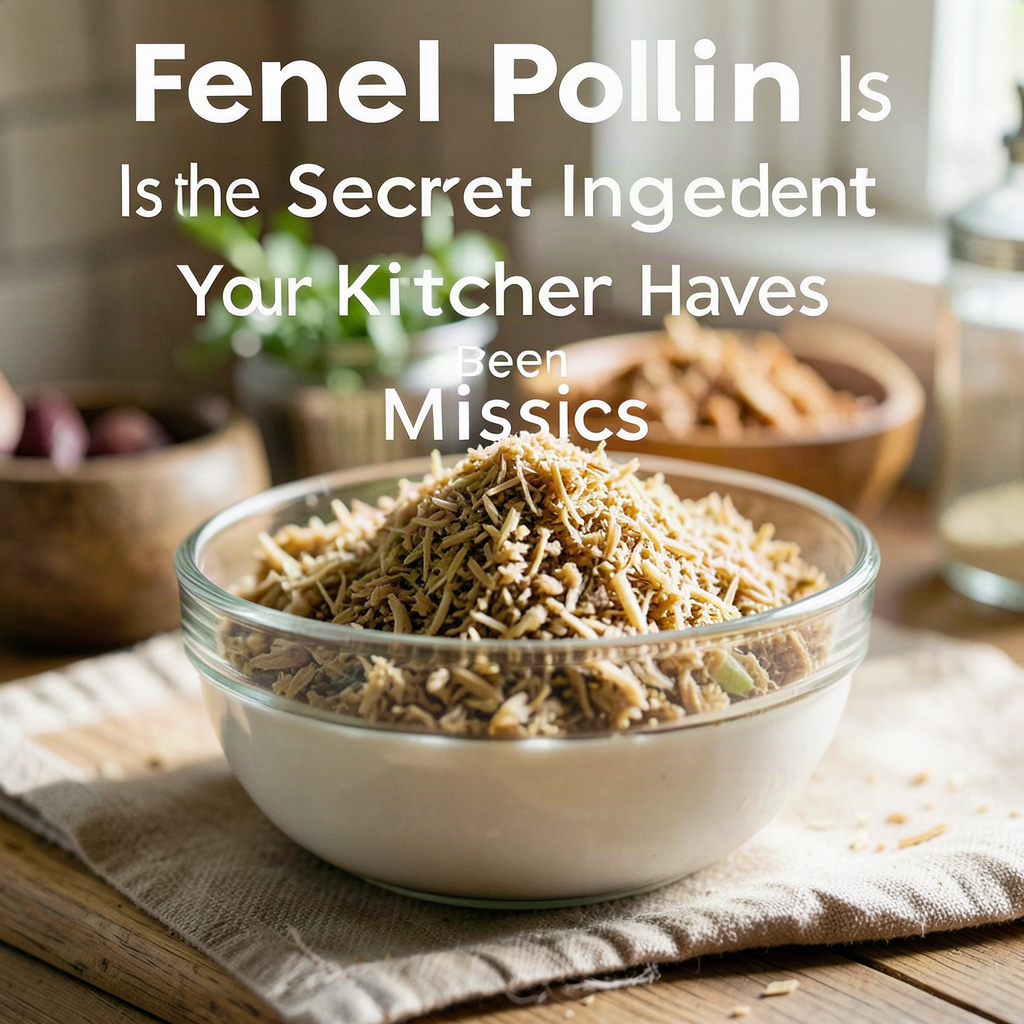
In the world of culinary spices and seasonings, fennel pollen stands as one of the most intriguing yet underutilized ingredients available to home cooks. This golden dust, harvested from wild fennel flowers at their peak bloom, delivers an intense burst of flavor that transforms ordinary dishes into restaurant-quality creations. While fennel seeds are familiar to many, fennel pollen offers a more concentrated, nuanced taste profile that has earned it the nickname “spice of angels” in Italian cuisine.
Despite its relatively high price point compared to common spices, a small amount of fennel pollen goes a long way in enhancing both savory and sweet preparations. Professional chefs have long valued this ingredient for its ability to add depth and complexity without overwhelming other flavors. For home cooks looking to elevate their cooking and explore new taste dimensions, understanding how to source, store, and use fennel pollen opens up a world of culinary possibilities.
What Makes Fennel Pollen Unique
Fennel pollen is harvested by hand from the tiny yellow flowers of wild fennel plants, primarily in Italy and California. The collection process is labor-intensive, which partially explains the ingredient’s premium cost. Unlike fennel seeds, which come from the same plant but are harvested later in the growing cycle, fennel pollen captures the essence of the plant at its most aromatic moment.
The flavor profile is distinctly sweeter and more floral than fennel seeds, with notes of licorice, citrus, and honey. It lacks the sometimes bitter edge that fennel seeds can have, making it more versatile across different types of dishes. The texture is fine and powdery, similar to saffron threads that have been ground, allowing it to dissolve easily into liquids or adhere to proteins when used as a finishing touch.
From a culinary perspective, fennel pollen acts as both a spice and a seasoning. It can be used early in the cooking process to build flavor foundations, or sprinkled at the end as a finishing element that adds visual appeal and aromatic intensity. This dual functionality makes it particularly valuable for cooks who want to maximize the impact of their ingredient choices.
Sourcing and Storing Fennel Pollen
Finding high-quality fennel pollen requires knowing where to look. Specialty food stores, particularly those focusing on Italian ingredients, often carry it. Online retailers offer broader selection, with options ranging from Italian imports to domestically harvested California varieties. When purchasing, look for vibrant yellow-gold color and a strong, sweet aroma when you open the container.
Price varies considerably based on origin and quality, typically ranging from $15 to $40 per ounce. While this seems expensive compared to other spices, the potency of fennel pollen means you’ll use only small amounts. A single ounce can last months in a typical home kitchen, making the investment more reasonable when considered per use.
Proper storage is essential for maintaining the pollen’s aromatic qualities. Keep it in an airtight container away from light, heat, and moisture. A cool, dark pantry or cupboard works well. Unlike some dried spices that can last years, fennel pollen is best used within six months to a year of purchase for optimal flavor. The pollen won’t spoil, but its distinctive aroma will gradually fade over time.
For those with access to wild fennel plants, harvesting your own pollen is possible. The flowers bloom in late summer, and collection involves gently shaking the flower heads over a clean surface to release the pollen. This requires patience and ideal weather conditions, but results in the freshest possible product.
Using Fennel Pollen with Proteins
Fennel pollen shines particularly bright when paired with proteins, where its sweet and savory notes complement natural meat flavors. For pork, it’s nearly a perfect match. Create a simple rub by combining fennel pollen with salt, black pepper, and a touch of brown sugar, then apply it to pork chops, tenderloin, or roasts before cooking. The pollen’s sweetness balances pork’s richness while adding aromatic complexity.
With poultry, fennel pollen works beautifully on both chicken and duck. Try mixing it into compound butter and sliding it under the skin before roasting, or add it to a pan sauce after searing chicken breasts. For a quick weeknight meal, season chicken thighs with olive oil, fennel pollen, lemon zest, and sea salt before roasting at high heat.
Fish and seafood benefit from fennel pollen’s delicate touch. It pairs especially well with salmon, halibut, and scallops. Dust scallops lightly with fennel pollen just before searing to create a fragrant crust, or incorporate it into a vinaigrette for grilled fish. The pollen’s floral notes complement rather than compete with the natural sweetness of seafood.
When working with proteins, remember that fennel pollen is potent. Start with about half a teaspoon per pound of meat or fish, adjusting to taste in future preparations. The pollen can be applied directly as a dry rub, mixed into marinades, or used as a finishing sprinkle after cooking.
Incorporating Fennel Pollen into Vegetables and Grains
Vegetable dishes gain unexpected depth when enhanced with fennel pollen. Roasted root vegetables like carrots, parsnips, and sweet potatoes take on new dimensions when tossed with olive oil and a generous pinch of pollen before cooking. The natural sugars in these vegetables caramelize beautifully while the fennel pollen adds aromatic interest.
For summer vegetables, try adding fennel pollen to grilled zucchini, eggplant, or bell peppers. Mix it into the oil you brush on before grilling, or sprinkle it on after cooking as a finishing touch. The pollen works particularly well with tomatoes—dust fresh heirloom tomatoes with fennel pollen, flaky salt, and good olive oil for a simple but impressive appetizer.
Grain dishes and risottos welcome fennel pollen’s complexity. Stir a small amount into the cooking liquid when preparing farro, quinoa, or rice pilaf. For risotto, add fennel pollen during the final stages of cooking, along with butter and Parmesan, to create layers of flavor. The pollen dissolves into the creamy rice, distributing its taste evenly throughout the dish.
Salads offer another avenue for experimentation. Whisk fennel pollen into vinaigrettes or sprinkle it directly over composed salads featuring bitter greens, citrus segments, and shaved fennel bulb. The pollen reinforces fennel’s natural flavor profile while adding aromatic lift that makes simple salads more memorable.
Baking and Sweet Applications
While fennel pollen is most commonly associated with savory cooking, its sweet, honey-like qualities lend themselves surprisingly well to baking and desserts. The key is using restraint—the licorice notes that work beautifully in small amounts can become overwhelming if overused in sweet contexts.
Italian biscotti provide an ideal starting point for baking with fennel pollen. Add a quarter teaspoon to your standard biscotti recipe, where it pairs wonderfully with almonds, citrus zest, or dried fruit. The pollen’s subtle anise flavor complements coffee, making these cookies perfect for dunking.
Quick breads and muffins can incorporate fennel pollen for unexpected flavor interest. Try adding it to lemon pound cake or orange muffins, where the citrus notes create harmony with the pollen’s floral qualities. Cornbread benefits from a pinch of fennel pollen mixed into the batter, creating a sophisticated version of this classic side.
For simple desserts, dust sliced fresh fruit with fennel pollen. It works particularly well with stone fruits like peaches and nectarines, as well as with strawberries and figs. Mix fennel pollen into whipped cream or mascarpone for a unique topping that elevates fruit desserts and pies.
Honey infused with fennel pollen makes an excellent pantry staple. Warm honey gently, stir in fennel pollen, and let it steep for several days. Use this flavored honey to sweeten tea, drizzle over yogurt or cheese, or incorporate into salad dressings for a touch of sweetness and complexity.
Creating Spice Blends and Rubs
Fennel pollen works exceptionally well as a component in custom spice blends, where it adds dimension that single-note seasonings cannot achieve. Creating your own blends allows you to control the intensity and tailor flavors to your preferences and specific dishes.
For a Mediterranean-inspired blend, combine fennel pollen with dried oregano, thyme, rosemary, and lemon zest. This mixture works well on grilled meats, roasted vegetables, and as a seasoning for olive oil-based marinades. The fennel pollen adds sweet complexity that balances the herbs’ earthiness.
An Italian pork rub might include fennel pollen, garlic powder, sage, black pepper, and sea salt. This combination highlights pork’s natural sweetness while providing savory depth. Apply it generously before slow-roasting or grilling for maximum flavor development.
For fish and seafood, create a lighter blend with fennel pollen, coriander, white pepper, and a touch of dried lemon verbena or tarragon. This delicate mixture enhances without overpowering seafood’s subtle flavors. Store the blend in an airtight container and use it to season fish before baking, grilling, or pan-searing.
When making blends, start with small batches to test proportions. A general guideline is to use fennel pollen as about 10-20% of the total blend volume, allowing it to accent rather than dominate. Grind whole spices fresh when possible for maximum potency, and store finished blends away from light and heat.
Fennel Pollen in Sauces and Dressings
Incorporating fennel pollen into liquid preparations allows its flavors to infuse throughout a dish. Sauces and dressings provide ideal vehicles for distributing the pollen’s complex taste profile while adding visual appeal through subtle color.
For vinaigrettes, whisk fennel pollen into the mixture after combining oil and vinegar. The pollen adds body and helps emulsify the dressing while contributing flavor. A simple version might include extra virgin olive oil, white wine vinegar, Dijon mustard, honey, fennel pollen, salt, and pepper. This works beautifully on mixed green salads, grain bowls, or as a marinade for grilled vegetables.
Cream-based sauces benefit from fennel pollen’s aromatic qualities. Add it to pan sauces for chicken or pork, whisking it in along with cream or butter after deglazing the pan. The pollen’s flavor blooms in fat, creating rich, complex sauces that taste like they required far more effort than they actually did.
Tomato sauces gain depth when fennel pollen joins the mix. Stir it into marinara or arrabbiata sauce during the final minutes of cooking, allowing the flavor to meld with the tomatoes, garlic, and herbs. The pollen’s sweetness helps balance tomato acidity while adding layers of flavor that make the sauce taste slow-simmered even if it was quickly prepared.
For compound butters, soften butter to room temperature and mix in fennel pollen along with herbs, citrus zest, or other seasonings. Roll the mixture into a log, wrap it in parchment, and refrigerate. Slice medallions to top grilled steaks, fish, or vegetables, where the melting butter releases the pollen’s aroma.
Pairing Fennel Pollen with Other Ingredients
Understanding which ingredients complement fennel pollen helps you create harmonious dishes where flavors enhance rather than compete with one another. The pollen’s sweet, floral, and slightly licorice-like qualities pair well with specific flavor profiles.
Citrus is perhaps the most natural partner. Lemon, orange, and grapefruit all work beautifully with fennel pollen, their bright acidity cutting through the pollen’s sweetness while their aromatics harmonize with its floral notes. Use them together in marinades, dressings, or as combined seasonings for fish and poultry.
Herbs that share Mediterranean origins make logical companions. Rosemary, thyme, oregano, and basil all complement fennel pollen without clashing. Fresh herbs provide green, sharp notes that balance the pollen’s sweetness, while dried herbs contribute earthiness that grounds the pollen’s more ethereal qualities.
Garlic and fennel pollen form a powerful combination, particularly in Italian and Mediterranean cooking. The garlic’s pungency provides savory depth that lets the fennel pollen’s sweeter notes shine without becoming cloying. Use them together in rubs, sauces, and roasted dishes.
Nuts, particularly almonds, pistachios, and pine nuts, share aromatic qualities with fennel pollen that make them natural allies. Toast nuts and toss them with fennel pollen and sea salt for a simple snack, or use them together in grain salads, pesto variations, and as crusts for fish or chicken.
Dairy products, especially aged cheeses like Parmesan and Pecorino Romano, pair well with fennel pollen. The cheese’s umami richness complements the pollen’s sweetness, creating balanced, complex flavors. Try incorporating both into risotto, pasta dishes, or sprinkled over roasted vegetables.
Frequently Asked Questions About Fennel Pollen
Can I substitute fennel seeds for fennel pollen in recipes?
While fennel seeds come from the same plant, they are not a direct substitute for fennel pollen. Fennel pollen has a more delicate, floral, and sweet flavor profile compared to the more intense, sometimes bitter taste of the seeds. If you must substitute, use ground fennel seeds in a smaller quantity—about half the amount called for—and consider adding a small pinch of honey or sugar to approximate the pollen’s sweetness. However, be aware that the final dish will have a different character. For best results, seek out actual fennel pollen when a recipe specifically calls for it.
Why is fennel pollen so expensive compared to other spices?
The high cost of fennel pollen reflects its labor-intensive harvesting process. The pollen must be collected by hand from wild fennel flowers during a short blooming window, typically in late summer. Each flower produces only a tiny amount of pollen, requiring extensive time and effort to gather meaningful quantities. Additionally, ideal harvesting conditions—dry weather without wind—are necessary to collect clean pollen. These factors combine to make fennel pollen one of the more expensive spices available. However, its potency means you use very small amounts, making a single ounce last for months in most home kitchens.
Does fennel pollen have any nutritional or health benefits?
Fennel pollen contains some of the beneficial compounds found in fennel seeds, including antioxidants and trace minerals. However, because it’s used in such small quantities as a seasoning, its nutritional impact is minimal. Traditional herbal practices have associated fennel with digestive support, but scientific research on fennel pollen specifically is limited. It’s best to appreciate fennel pollen primarily for its culinary qualities rather than as a significant source of nutrition or health benefits. As with any food ingredient, if you have allergies to fennel or related plants in the carrot family, exercise caution.
How can I tell if my fennel pollen has lost its potency?
Fresh, potent fennel pollen should have a vibrant golden-yellow color and release a strong, sweet, licorice-like aroma when you open the container. If your fennel pollen has faded to a dull tan or brown color, or if you need to sniff closely to detect any scent, it has likely lost much of its potency. While old fennel pollen won’t harm you, it won’t contribute much flavor to your dishes either. To maximize shelf life, store fennel pollen in an airtight container in a cool, dark place, and plan to use it within six months to a year of purchase. If you notice significant loss of aroma or color, it’s time to purchase fresh pollen.
What’s the best way to use fennel pollen for someone trying it for the first time?
For your first experience with fennel pollen, start with a simple application that lets you appreciate its unique flavor. Try seasoning a pork chop or chicken breast with olive oil, sea salt, black pepper, and about half a teaspoon of fennel pollen, then pan-sear or grill it. The straightforward preparation allows the pollen’s sweet, floral notes to shine without competing flavors. Alternatively, make a basic vinaigrette with olive oil, lemon juice, a small amount of honey, and a quarter teaspoon of fennel pollen, then taste it on its own before dressing a simple green salad. These uncomplicated uses help you understand the ingredient’s character before incorporating it into more complex recipes.
Related posts:
 Delicious Ground Chicken Recipes
 Sea Fennel: The Superfood You Need to Know About
 How to Make Restaurant-Quality Poke Bowls in Your Own Kitchen
 Fennel Benefits Guide
 The Trending Condiment: Hot Honey and Its Versatility
 Essential Vegan Pantry Staples Every Plant-Based Kitchen Needs
 Wellness Influencers Share Their Most Instagram-Worthy Salad Creations
 Perfect Somen Noodles Recipe