
The human digestive system is home to trillions of microorganisms, collectively known as the gut microbiome. This complex ecosystem plays a fundamental role in everything from nutrient absorption and immune function to the production of neurotransmitters like serotonin. When this microbial balance is disrupted—a state often referred to as dysbiosis—it can lead to bloating, irregular digestion, and even impact mood and mental clarity. One of the most effective, time-tested, and scientifically backed ways to support a healthy gut is through the consumption of fermented foods. This article explores the science of fermentation, the specific benefits of various fermented staples, and how you can practically integrate them into your daily life to foster a thriving internal ecosystem.
Understanding the Science of Fermentation and Probiotics
Fermentation is an ancient metabolic process in which microorganisms, such as bacteria, yeasts, or fungi, break down complex carbohydrates (sugars and starches) into simpler compounds like organic acids, alcohols, and gases. While this process was originally used by our ancestors to preserve food for longer periods, its primary benefit today is the creation of probiotics.
Probiotics are live microorganisms that, when administered in adequate amounts, confer a health benefit on the host. When you eat fermented foods, you are essentially introducing “good” bacteria into your digestive tract. These microbes compete with potentially harmful bacteria, strengthen the gut barrier, and interact with the gut-associated lymphoid tissue (GALT), which is a critical component of the immune system. It is important to distinguish between “fermented” and “probiotic” foods. While all probiotic foods are fermented, not all fermented foods contain enough live, active cultures to provide a significant health benefit. For instance, many commercially produced breads undergo fermentation but are baked at high temperatures, which kills the beneficial bacteria. To reap the rewards, look for products that are raw, unpasteurized, and contain “live active cultures.”
The Diverse World of Fermented Foods: From Kimchi to Kefir
The variety of fermented foods available today is vast, offering a spectrum of flavors and nutritional profiles. Understanding the differences helps you diversify your intake, which is key to a healthy microbiome because different strains of bacteria thrive in different conditions.
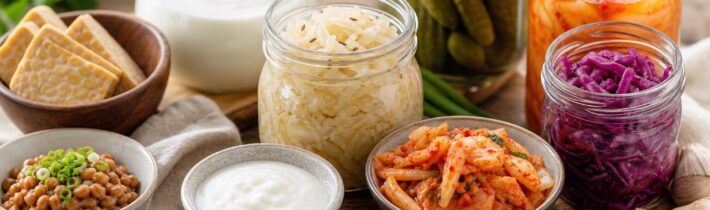
1. Yogurt: Perhaps the most common fermented dairy product, yogurt is created by fermenting milk with specific strains of lactic acid bacteria. It is an excellent source of calcium and protein, and when labeled with live cultures, it provides a steady dose of probiotics.
2. Kefir: Often described as a drinkable yogurt, kefir is made using kefir grains (a symbiotic culture of bacteria and yeast). Kefir typically contains a much wider variety of bacterial strains and yeast than standard yogurt, making it a powerhouse for microbial diversity.
3. Sauerkraut: This is essentially shredded cabbage that has been fermented by lactic acid bacteria. It is important to buy “raw” sauerkraut found in the refrigerated section; canned or shelf-stable sauerkraut has been pasteurized, which destroys the beneficial microbes.
4. Kimchi: A staple of Korean cuisine, kimchi is a spicy, fermented vegetable dish, often made with napa cabbage, radish, garlic, ginger, and chili powder. It offers a complex flavor profile and a massive dose of probiotics and antioxidants.
5. Miso: A traditional Japanese seasoning made from fermented soybeans, often with salt and koji (a fungus). Miso adds a deep “umami” flavor to soups and dressings and provides unique fermented protein.
6. Kombucha: A fermented, lightly effervescent, sweetened black or green tea drink produced by a symbiotic culture of bacteria and yeast (SCOBY). It is a popular choice for those looking for a probiotic alternative to sugary sodas.
7. Tempeh: Unlike tofu, which is made from soy curd, tempeh is made from whole soybeans that have been fermented with a specific mold (Rhizopus oligosporus). This process increases the bioavailability of nutrients and makes the soy easier to digest.
The Connection Between Gut Health and Mental Well-being
One of the most exciting areas of modern nutritional science is the “gut-brain axis.” This refers to the bidirectional communication network between the central nervous system and the enteric nervous system (the nervous system in your gut). Research suggests that the microbes in your gut produce a significant portion of the body’s neurotransmitters. For example, about 90-95% of the body’s serotonin, which regulates mood, sleep, and appetite, is produced in the gut.
When the gut microbiome is imbalanced, it can trigger inflammatory responses that may contribute to anxiety, depression, and brain fog. By consuming fermented foods, you are supporting a microbial environment that promotes neurological health. While fermented foods are not a replacement for mental health professional treatment, they serve as a vital nutritional pillar in a holistic approach to emotional and cognitive wellness. A diverse gut microbiome is associated with lower levels of cortisol (the stress hormone) and improved resilience to psychological stressors.
Practical Strategies for Integrating Fermented Foods into Your Diet
A common mistake people make when starting a probiotic-rich diet is consuming too much, too fast. Introducing a large amount of fermented food suddenly can lead to bloating, gas, or digestive discomfort as your microbiome adjusts to the new inhabitants. The goal is gradual integration and consistency.
Start Small: If you are new to fermented foods, begin with just one tablespoon of sauerkraut or a small half-cup of kefir per day. Monitor how your digestion responds over several days before increasing the amount.
Use Them as Condiments: You don’t need to eat a bowl of kimchi for lunch. Instead, add a spoonful to your morning eggs, mix a bit of miso into your salad dressing, or top your avocado toast with a layer of sauerkraut. This makes the process feel less like a “task” and more like a flavor enhancement.
Diversify Your Sources: Don’t just stick to yogurt. Try to rotate through different types of ferments—vegetable-based one day, dairy-based the next, and perhaps a fermented tea like kombucha in the afternoon. This diversity ensures you are feeding and receiving a wide array of bacterial strains.
Pair with Prebiotics: Think of probiotics as the “seeds” and prebiotics as the “fertilizer.” To make fermented foods truly effective, you must also consume prebiotic fibers that feed these beneficial bacteria. Foods high in prebiotics include garlic, onions, leeks, asparagus, bananas, oats, and apples. A combination of fermented and prebiotic foods is the gold standard for gut health.
Common Pitfalls: What to Look for on Labels
Not all products marketed as “healthy” or “gut-friendly” are created equal. To maximize the benefits, you must become a savvy consumer. The grocery store can be a minefield of marketing terms that can be misleading.
Avoid High Sugar Content: Many commercial yogurts and kombuchas are loaded with added sugars to mask the tartness of fermentation. High sugar intake can feed the harmful bacteria in your gut, potentially negating the benefits of the probiotics. Always check the ingredient list and opt for low-sugar or unsweetened varieties.
<pWatch for Pasteurization: As mentioned earlier, pasteurization is a heat-treatment process designed to kill harmful bacteria to make food safe for shelf-stable storage. However, this process also kills the beneficial probiotics. If you want the probiotic benefits, look for labels that say “contains live and active cultures” and ensure the product is found in the refrigerated section.
Check for Additives and Fillers: Some processed fermented foods contain thickeners like carrageenan or gums that can actually irritate the gut lining in sensitive individuals. Aim for minimal ingredient lists: the fewer the ingredients, the better.
Understand the Salt Content: Many fermented vegetables like kimchi and sauerkraut rely on salt for the fermentation process. While salt is necessary, excessive sodium intake can be a concern. Balance your intake by pairing these foods with plenty of fresh water and potassium-rich foods like leafy greens and avocados.
DIY Fermentation: Creating Your Own Gut-Healing Staples
While buying high-quality fermented foods is convenient, making them at home can be more cost-effective and gives you total control over the ingredients. Fermentation is a remarkably simple process that requires minimal equipment.
Easy Sauerkraut at Home: All you need is cabbage, salt, and a clean glass jar. Shred the cabbage, massage it with salt until it releases its juices, pack it tightly into the jar so the liquid covers the cabbage, and let it sit at room temperature for a few weeks. This simple act of “controlled spoilage” creates a nutritional powerhouse.
The Joy of Sourdough: Sourdough bread is made through the fermentation of flour and water using wild yeast and bacteria. Not only does this process create a unique flavor and texture, but the fermentation also breaks down some of the gluten and phytic acid, making the bread easier for many people to digest than standard commercial bread.
Safety First: When fermenting at home, hygiene is paramount. Ensure all jars and utensils are thoroughly cleaned. If you notice mold (which looks fuzzy and can be black, green, or white) or an unpleasant, putrid smell, discard the batch. Fermentation should smell sour, tangy, or yeasty, but never rotten.
Note: Homemade fermentation is a rewarding skill, but if you have a compromised immune system or specific medical conditions, consult a healthcare professional before significantly increasing your intake of fermented foods.
The Role of Postbiotics and Metabolites in Gut Longevity
While much of the conversation surrounding gut health focuses on the “living” aspect of fermented foods—the probiotics—modern science is increasingly looking at what these microbes produce as they work. These metabolic byproducts are known as postbiotics. Postbiotics are non-viable microbial components or metabolic products (such as short-chain fatty acids, enzymes, and peptides) that confer a health benefit on the host. Even if you were to consume a fermented food that had been lightly heated, the beneficial metabolites produced during the fermentation process remain intact.
Short-chain fatty acids (SCFAs), specifically butyrate, acetate, and propionate, are among the most critical postbiotics. Butyrate, in particular, serves as the primary energy source for the cells lining your colon (colonocytes). A diet rich in fermented foods helps maintain a robust population of bacteria that continuously produce these SCFAs, which in turn helps strengthen the intestinal barrier—often referred to as the “tight junctions”—preventing what is colloquially known as “leaky gut.” By focusing on fermented foods, you aren’t just adding new bacteria; you are fueling the production of these essential chemical messengers that regulate inflammation and metabolic health.
Advanced Pairing: Synergistic Nutrition and Bioavailability
To maximize the therapeutic potential of fermented foods, one must look beyond simple consumption and toward nutrient synergy. Fermentation is a biological process that predigests certain compounds, making them more bioavailable. However, how you pair these foods with other nutrients can significantly amplify their impact.
Fat-Soluble Nutrient Absorption: Many fermented vegetables, such as kimchi or fermented carrots, contain fat-soluble vitamins like Vitamin K2. To ensure your body can actually absorb these nutrients, pair your ferments with a healthy fat source. Adding a slice of avocado to a kimchi bowl or drizzling extra virgin olive oil over sauerkraut ensures the vitamins are successfully transported into your bloodstream.
The Polyphenol Connection: Polyphenols are antioxidant compounds found in many fruits, vegetables, and teas. Research suggests that the microbes in your gut can transform these complex polyphenols into smaller, more absorbable molecules that have systemic anti-inflammatory effects. By consuming fermented foods alongside high-polyphenol foods—like blueberries, dark chocolate, or green tea—you create a symbiotic environment where the probiotics act as a processing plant, unlocking the full medicinal potential of the plant compounds.
Iron and Vitamin C Synergy: Fermentation can reduce phytic acid, a compound found in grains and legumes that can inhibit the absorption of minerals like iron and zinc. Consuming sourdough bread (where fermentation has broken down phytates) alongside a source of Vitamin C (like a squeeze of lemon or some bell peppers) creates a nutritional powerhouse that optimizes mineral uptake far more effectively than unfermented counterparts.
Seasonal Fermentation: Aligning with Circadian and Seasonal Rhythms
A holistic approach to gut health involves recognizing that our microbiome is not static; it fluctuates based on seasonal changes, temperature, and even our sleep-wake cycles. This concept, often linked to chrononutrition, suggests that the diversity of our gut flora may shift as we transition between summer and winter diets.
Summer Fermentation: Hydration and Cooling: During warmer months, focus on water-based ferments that aid in hydration and provide refreshing enzymes. Kombucha, water kefir, and lightly fermented fruit infusions are ideal. These provide electrolytes and a gentle probiotic boost that is easy on the digestive system during periods of higher physical activity and heat-induced metabolic shifts.
Winter Fermentation: Density and Warmth: As the weather cools, the body often requires more calorie-dense, warming foods to support the immune system. This is the time to lean heavily into miso-based soups, warm tempeh stir-frys, and dense vegetable ferments like sauerkraut or fermented root vegetables. The goal in winter is to provide the gut with stable, slow-burning energy sources and a high concentration of diverse microbes to fortify the immune system during peak virus season.
The Importance of Routine: Just as our bodies follow circadian rhythms, our microbes respond to consistency. Attempting to eat fermented foods only once a week is far less effective than consuming a small, consistent amount every single day. This consistent “seeding” ensures that the beneficial strains have a steady presence in the gut, rather than being transient visitors that pass through without establishing a foothold.
Managing the “Die-Off” Effect: Understanding Herxheimer Reactions
When you significantly increase your intake of fermented foods, you may experience a phenomenon sometimes called a “die-off” reaction or a mild Herxheimer reaction. This is not necessarily a sign that the food is bad for you; rather, it is a sign that the beneficial bacteria are actively competing with and displacing the less desirable, pathogenic bacteria in your gut.
Recognizing the Symptoms: As harmful bacteria die, they release endotoxins into your system. This can cause temporary symptoms such as mild headaches, skin breakouts, increased gas, or a slight shift in bowel movements. While these symptoms are usually transient, they can be uncomfortable if the transition is too aggressive.
Mitigation Strategies: If you experience these symptoms, do not stop eating fermented foods entirely, as this may allow the pathogenic bacteria to rebound. Instead, reduce the frequency or the quantity. If you were taking a tablespoon of sauerkraut twice a day, drop down to one teaspoon once a day. Increase the dosage only once your body has stabilized. Additionally, increasing your water intake and ensuring adequate fiber consumption can help your body efficiently process and eliminate the toxins released during this microbial shift.
When to Seek Help: While mild discomfort is common during microbiome shifts, severe abdominal pain, persistent diarrhea, or intense systemic symptoms are not typical. If symptoms persist for more than a week or become debilitating, it is crucial to consult a healthcare provider to rule out underlying conditions like SIBO or IBD (Inflammatory Bowel Disease).
Microbiome Diversity and the “Species Richness” Concept
In the context of gut health, diversity is often more important than the presence of any single “super-strain.” A healthy gut is characterized by high “species richness,” meaning a wide variety of different bacterial, fungal, and viral species coexisting in a stable equilibrium. Relying on a single probiotic supplement or one type of yogurt is akin to trying to grow a forest by planting only one type of tree; it is fragile and prone to collapse if environmental conditions change.
The Ecological Niche Theory: Each type of fermented food introduces different ecological niches. For example, the yeasts in kombucha occupy different niches than the lactic acid bacteria in kimchi. By rotating your fermented food sources, you are essentially planting a diverse range of “microbial seeds.” This complexity makes your gut ecosystem more resilient to stressors like antibiotics, high-stress periods, or dietary indiscretions.
Monitoring Your Own Diversity: While it is impossible to see what is happening in your gut without advanced testing, you can use your physiological responses as a proxy for diversity. A diverse microbiome is generally associated with regular, effortless bowel movements and a lack of significant bloating after meals. If you find that your digestion is highly reactive to certain foods, it may be an indicator that your microbial diversity is low, and you may need to expand the variety of fermented foods you consume to restore balance.
The Role of Non-Probiotic Ferments: Remember that not every fermented food is meant to provide a high dose of live bacteria. Some are used for their enzymatic properties or their ability to transform the food’s nutrient profile. Even if a food has been heated, the chemical changes it underwent during fermentation (like the breakdown of anti-nutrients in soy or grains) still contribute to a more balanced gut environment. View your fermented food intake as a multifaceted strategy involving live cultures, metabolic byproducts, and improved nutrient accessibility.
Frequently Asked Questions
Q: Can I eat fermented foods if I have SIBO (Small Intestinal Bacterial Overgrowth)?
A: For individuals with SIBO, fermented foods can sometimes exacerbate symptoms like bloating and gas because the bacteria in the food may react with the existing overgrowth. It is highly recommended to work with a gastroenterologist or a specialized dietitian to determine the best timing and type of ferments for your specific condition.
Q: Is it better to eat fermented foods or take probiotic supplements?
A: Both have benefits, but they serve different purposes. Fermented foods provide a diverse array of bacteria along with other beneficial nutrients and enzymes. Probiotic supplements are often more targeted toward a specific strain for a specific condition. For general gut health maintenance, a varied diet including fermented foods is typically more sustainable and holistic.
Q: How long do fermented foods last in the refrigerator?
A: Most fermented vegetables like sauerkraut and kimchi can last several months in the refrigerator if kept in an airtight container. Yogurt and kefir typically last one to two weeks after opening. Always check for signs of spoilage, such as unusual mold or off-smells.
Q: Does cooking fermented foods destroy the probiotics?
A: Yes, the heat used in cooking and baking kills the live microorganisms. To get the most probiotic benefit, it is best to consume fermented foods in their raw or unheated state. If you are using miso or kimchi in a recipe, try adding them at the very end of the cooking process to minimize heat exposure.
Q: Can fermented foods help with bloating?
A: For many, fermented foods can help reduce bloating by improving overall digestion and balancing the gut microbiome. However, if you introduce them too quickly, the initial increase in bacterial activity can actually cause temporary bloating. The key is a slow, gradual introduction.
Related posts:
 7 Gut-Friendly Probiotic Foods
 AAPI-Owned Fermented Food Brands to Support
 Gut Health for Longer Life
 The Probiotic Supplement Routine This RD Swears By
 The Gut-Obesity Connection
 The Microbiome of Centenarians: Unlocking the Secrets to Longevity
 Water Kefir Explained
 3 Unexpected Ways to Add Fermented Foods to Every Meal