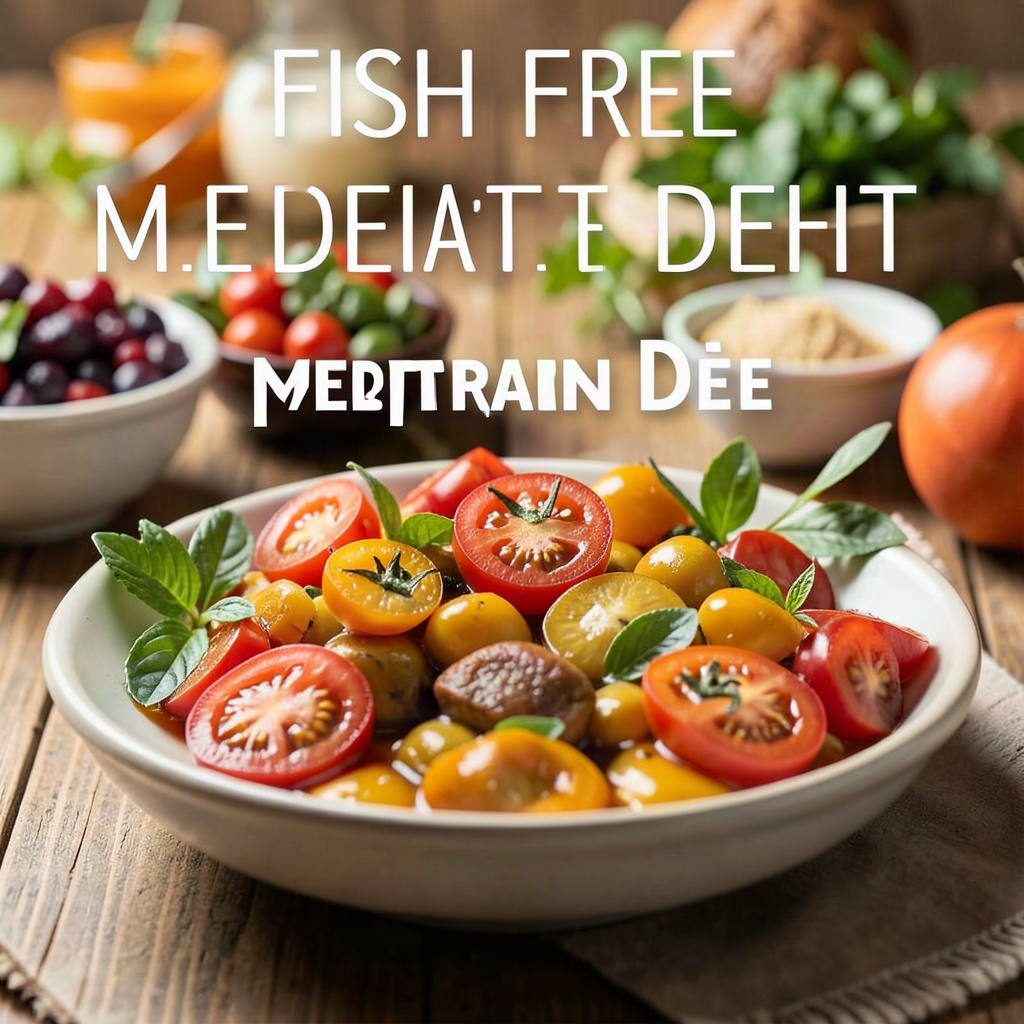
The Mediterranean diet has long been hailed as the gold standard for heart health, longevity, and overall well-being. Traditionally, this way of eating emphasizes fruits, vegetables, whole grains, legumes, and healthy fats, with a moderate intake of fish and poultry. However, many individuals find themselves seeking a fish-free Mediterranean diet. Whether due to a seafood allergy, ethical concerns regarding overfishing, a preference for a vegetarian or vegan lifestyle, or simply a dislike for the taste of seafood, it is entirely possible to reap the benefits of this dietary pattern without consuming fish.
Adopting a fish-free Mediterranean diet does not mean sacrificing the nutritional integrity of the plan. By focusing on the plant-based pillars of the Mediterranean region and making strategic choices to replace the specific nutrients found in fish—namely Omega-3 fatty acids, iodine, and vitamin D—you can create a sustainable and delicious lifestyle. This guide explores how to navigate this transition, ensuring your body receives everything it needs while enjoying the vibrant flavors of the Mediterranean.
The Core Pillars of the Mediterranean Diet
To understand how to remove fish, we must first look at what makes the Mediterranean diet so effective. It is not a rigid set of rules but rather a pattern of eating based on the traditional habits of people living in countries bordering the Mediterranean Sea. The foundation of the diet is built on plant-based foods. This includes an abundance of leafy greens, colorful vegetables, seasonal fruits, and a variety of nuts and seeds.
Whole grains such as farro, bulgur, barley, and whole-wheat couscous provide essential fiber and complex carbohydrates. Legumes, including lentils, chickpeas, and cannellini beans, serve as the primary protein sources in many traditional recipes. The hallmark of the diet is the use of extra virgin olive oil as the principal source of fat, replacing butter and margarine. In a fish-free version, these elements remain the stars of the show. By increasing the variety and quantity of these plant foods, you naturally compensate for the absence of seafood while boosting your intake of antioxidants and phytonutrients.
Replacing Omega-3s Without Fish
One of the primary reasons health experts recommend fish is its high content of long-chain Omega-3 fatty acids, specifically EPA (eicosapentaenoic acid) and DHA (docosahexaenoic acid). These fats are crucial for brain health and reducing inflammation. When following a fish-free Mediterranean diet, you must look to plant-based sources of ALA (alpha-linolenic acid), which the body can partially convert into EPA and DHA.
Excellent plant-based Omega-3 sources include walnuts, chia seeds, hemp seeds, and ground flaxseeds. Incorporating these into your daily routine—such as adding flaxseeds to morning oats or snacking on a handful of walnuts—is essential. However, because the conversion rate of ALA to DHA/EPA is relatively low, many people on a fish-free plan opt for an algae-based Omega-3 supplement. Since fish get their Omega-3s from eating algae, skipping the fish and going straight to the source provides a direct, vegan-friendly way to ensure adequate DHA and EPA levels without the risk of heavy metal contamination often found in predatory fish.
Protein Powerhouses: Legumes and Pulses
In the absence of fish, legumes become the heavy lifters of your protein intake. The Mediterranean region has a rich history of utilizing pulses in creative and satisfying ways. Chickpeas are the base for hummus and falafel, but they are also magnificent when roasted with rosemary or simmered in a tomato-based stew. Lentils, particularly the small green or black varieties, offer a meaty texture that works well in salads or as a base for “meatless” bolognese.
Cannellini and borlotti beans are staples in Italian soups like Pasta e Fagioli, providing creaminess and satiety. To ensure you are getting a complete profile of amino acids, it is helpful to pair these legumes with whole grains throughout the day. For example, a meal of lentils served over brown rice or whole-grain pita dipped in lentil soup creates a complete protein source. Unlike red meat, these plant proteins come packaged with high amounts of fiber, which aids digestion and helps maintain stable blood sugar levels.
The Role of Healthy Fats and Olive Oil
The “Mediterranean” part of the diet is synonymous with extra virgin olive oil (EVOO). In a fish-free diet, EVOO is your best friend. It provides monounsaturated fats that support heart health and contains oleocanthal, a compound with potent anti-inflammatory properties. When cooking, use olive oil for sautéing vegetables, dressing salads, and even drizzling over finished soups.
Beyond olive oil, look to other Mediterranean-friendly fats. Avocados, while not native to the entire region, have become a popular addition to modern Mediterranean eating for their healthy fat content. Tahini, made from ground sesame seeds, is another nutrient-dense fat source that adds richness to sauces and dressings. Nuts, particularly almonds and pistachios, provide not only healthy fats but also minerals like magnesium and potassium. By focusing on these high-quality fats, you ensure that your meals are satisfying and that your body can absorb fat-soluble vitamins like A, D, E, and K.
Sourcing Iodine and Vitamin D
Fish and dairy are traditional sources of iodine in the Mediterranean diet. If you are removing fish and also limiting dairy, you must be intentional about iodine. Sea vegetables, such as nori, dulse, or kelp, are excellent plant-based sources of iodine. You can crumble dried seaweed over salads or use it to season grain dishes to add a subtle “umami” flavor that mimics the sea. Alternatively, using iodized salt in moderation can help meet your requirements.
Vitamin D is another nutrient often found in fatty fish. While the Mediterranean lifestyle emphasizes sun exposure, which helps the body produce Vitamin D, this may not be sufficient for everyone, especially those in northern climates or those who spend most of their time indoors. To compensate, look for fortified foods like plant milks or cereals, and consider a high-quality Vitamin D3 supplement (there are vegan versions derived from lichen) to ensure your bone health and immune system remain supported.
A Week of Fish-Free Mediterranean Meal Ideas
Transitioning to a fish-free Mediterranean diet is easier when you have a clear vision of what your plate can look like. Here is a sample of how to structure your meals for a week of vibrant, plant-forward eating:
- Breakfast: Greek yogurt (or soy yogurt) topped with walnuts, honey, and fresh figs; or savory oatmeal with spinach, sun-dried tomatoes, and a drizzle of olive oil.
- Lunch: A large Greek salad with cucumbers, tomatoes, olives, red onion, and a generous portion of chickpeas or feta cheese; or a farro salad with roasted red peppers, pine nuts, and parsley.
- Dinner: Eggplant and zucchini moussaka made with a lentil-based sauce; or a hearty Moroccan chickpea tagine served over whole-wheat couscous with dried apricots and almonds.
- Snacks: Hummus with carrot sticks; a handful of almonds; or a piece of seasonal fruit like a pear or orange.
The key is variety. Each meal should feature at least two different vegetables and a source of healthy fat. Don’t be afraid to use herbs and spices liberally. Oregano, thyme, rosemary, cumin, and coriander are the soul of Mediterranean cooking and provide additional antioxidant benefits without adding calories or sodium.
Navigating Social Dining and Travel
One of the joys of the Mediterranean diet is its emphasis on the social aspect of eating. When dining out or traveling, a fish-free preference is usually easy to accommodate in Mediterranean-style restaurants. Look for “Mezze” platters, which often feature a variety of plant-based options like baba ganoush, tabbouleh, stuffed grape leaves (dolmas), and bean salads.
In Italian cuisine, focus on vegetable-forward pasta dishes like Pasta alla Norma (eggplant) or marinara-based pizzas topped with artichokes, olives, and mushrooms. In Middle Eastern spots, falafel and lentil soups are reliable staples. If you are concerned about hidden ingredients, don’t hesitate to ask if a vegetable soup is made with fish stock or if a salad dressing contains anchovies. Most chefs are happy to accommodate dietary preferences, especially within a cuisine that already celebrates vegetables so highly.
The Environmental and Ethical Impact
Choosing a fish-free Mediterranean diet often stems from a desire to protect our oceans. Overfishing and destructive fishing practices have led to a significant decline in global fish populations and have damaged marine ecosystems. By opting for plant-based alternatives, you are reducing your ecological footprint and supporting a more sustainable food system.
Furthermore, many people choose this path to avoid the microplastics and heavy metals, such as mercury, that are increasingly found in seafood. A plant-centric Mediterranean diet is naturally lower on the food chain, which generally means fewer accumulated toxins. This alignment of personal health goals with environmental stewardship makes the fish-free Mediterranean diet a powerful choice for the modern world. It proves that we can honor ancient culinary traditions while adapting them to meet contemporary ethical and ecological needs.
Actionable Guidance for Success
To make your fish-free Mediterranean journey successful, start by auditing your pantry. Stock up on staples like dried or canned beans, a variety of whole grains, and high-quality extra virgin olive oil. Invest in a few good cookbooks that focus on vegetarian Mediterranean recipes to keep your inspiration high.
Focus on “crowding out” rather than just “cutting out.” Instead of focusing on the fish you aren’t eating, focus on the new varieties of beans, grains, and vegetables you are introducing. Experiment with different textures—for example, use roasted mushrooms to provide that savory, umami depth often associated with seafood. Finally, listen to your body. If you feel lower in energy, ensure you are eating enough calories and check your iron and B12 levels, as these are important in any plant-heavy diet. With a little planning, the fish-free Mediterranean diet can be a lifelong, health-promoting way of life.
The Umami Revolution: Replicating Seafood Textures and Flavors
For many transitioning to a fish-free Mediterranean diet, the most significant hurdle isn’t the nutrition, but the loss of specific culinary sensations: the briny tang of the ocean, the flaky texture of white fish, and the deep umami of shellfish. To master this transition, one must look toward plant-based ingredients that mimic these profiles. King oyster mushrooms, for instance, are a revelation when sliced into thick rounds and seared; their dense, slightly chewy texture is remarkably similar to sea scallops. When marinated in a mixture of lemon juice, caper brine, and a touch of light soy sauce, they absorb the saline qualities typically associated with mollusks.
Hearts of palm and artichoke hearts offer another avenue for texture replication. When roughly chopped or shredded, hearts of palm mimic the consistency of crab or lobster meat, making them an excellent base for a Mediterranean-style “seafood” salad dressed with vegan aioli, fresh dill, and lemon zest. Artichoke hearts, particularly when canned or jarred in brine, provide a soft yet fibrous bite that pairs beautifully with pasta dishes where one might traditionally expect clams or mussels. To achieve that elusive “scent of the sea” without using fish, culinary enthusiasts often turn to kelp granules or dulse flakes. These sea vegetables are dried and ground, allowing them to be sprinkled like salt over a dish to provide a concentrated dose of iodine and an authentic marine aroma. Another edge case for flavor is the use of white miso paste in Mediterranean sauces. While not traditional to the region, its fermented, salty depth provides a structural backbone to sauces that mimics the complexity of a long-simmered fish stock.
Beyond the Basics: Ancient Grains and Rare Pulses
While chickpeas and lentils are the most recognized legumes in the Mediterranean, a fish-free approach benefits immensely from diversifying into heritage pulses and ancient grains that offer unique nutritional profiles and textures. Lupini beans, for example, are a powerhouse often overlooked in standard dietary guides. Popular in Italy and Portugal as a snack (tremoços), they contain significantly more protein than most other legumes—roughly 36 grams per 100 grams of dry beans—making them an ideal substitute for the high protein density of white fish. They are also rich in prebiotic fibers that support the gut microbiome, which is a central component of the diet’s long-term health benefits.
In terms of grains, moving beyond whole-wheat pasta to varieties like freekeh, einkorn, and kamut can change the satiety levels of your meals. Freekeh, a young green wheat that is toasted and cracked, has a smoky flavor and a firm, chewy texture that provides a “meaty” satisfaction often missing in vegetarian dishes. It is exceptionally high in lutein, an antioxidant vital for eye health, and contains double the fiber of quinoa. Similarly, fava beans (broad beans) are a cornerstone of Egyptian and Southern Italian cooking. When dried and peeled, they can be cooked down into a creamy purée known as ‘Fave e Cicoria,’ providing a rich, buttery mouthfeel that serves as a luxurious base for bitter sautéed greens. These traditional ingredients ensure that the diet remains rooted in Mediterranean history while providing the structural variety needed to keep a fish-free palate engaged.
Fermentation and the Mediterranean Gut-Brain Axis
The traditional Mediterranean diet is inherently a pro-microbiome way of eating, but when fish is removed, the role of fermented foods becomes even more critical for nutrient absorption and immune function. Fermentation was historically used throughout the region to preserve the harvest, and these foods provide a natural source of probiotics. Real, brine-cured olives (rather than those processed with lye) are a source of Lactobacillus plantarum, a probiotic strain that supports gut integrity. Incorporating a variety of fermented vegetables, such as pickled peppers, cauliflower (giardiniera), and even fermented lemons (a staple in North African Mediterranean cooking), introduces beneficial bacteria that help the body break down the complex fibers found in a high-legume diet.
Sourdough bread is another essential element of this category. Traditional Mediterranean sourdough involves a long fermentation process that neutralizes phytic acid, an antinutrient found in grains that can inhibit the absorption of minerals like iron and zinc. For those on a fish-free diet, ensuring maximum mineral absorption is paramount. The slow fermentation also lowers the glycemic index of the bread, providing a steady release of energy rather than the spikes associated with commercial yeast breads. Furthermore, the inclusion of sheep and goat milk kefirs or yogurts—consumed in moderation—provides a different profile of probiotics and bioactive peptides than cow’s milk, which may be easier on the digestive system for many and offers a rich source of calcium and Vitamin B12, often found in seafood.
Cucina Povera: The Art of Resourceful Plant-Based Cooking
The philosophy of “Cucina Povera” or “the kitchen of the poor” is the historical backbone of the Mediterranean diet. It is a style of cooking born out of necessity, where meat and fish were luxuries reserved for special occasions, and the daily meal was constructed from what could be grown in the garden or foraged. Embracing this philosophy is incredibly helpful for a fish-free lifestyle because it focuses on elevating humble ingredients through technique. A classic example is the use of toasted breadcrumbs, known in Sicily as “the poor man’s parmesan.” When sautéed in olive oil with garlic and herbs, these crumbs provide a crunchy, savory topping for pasta that replaces the need for salty fish or expensive cheeses.
This resourceful approach also emphasizes the use of every part of the vegetable. Stems of Swiss chard are chopped and braised with tomatoes and chickpeas; fennel fronds are used to make pesto; and the water used to boil beans (aquafaba) is saved to thicken soups or create light, airy emulsions. One iconic dish of this tradition is Panzanella, a Tuscan salad that uses stale bread to soak up the juices of ripe tomatoes, vinegar, and plenty of olive oil. By focusing on these time-honored techniques of layering flavors—such as slow-caramelizing onions (soffritto) or using the “holy trinity” of celery, carrots, and onions—you can create dishes with a depth of flavor that rivals any seafood-based bouillon. It teaches the cook that flavor comes from time and technique rather than expensive animal proteins.
Micronutrient Optimization: Bioavailability for the Plant-Forward Eater
Transitioning away from fish requires a more nuanced understanding of micronutrient bioavailability, particularly regarding iron and zinc. While legumes and leafy greens are rich in iron, it is “non-heme” iron, which the body absorbs less efficiently than the “heme” iron found in animal products. To optimize this, one must utilize the Mediterranean tradition of pairing iron-rich foods with high-vitamin C ingredients. For example, drizzling lemon juice over a lentil soup or serving a tomato and bell pepper salad alongside a spinach-based grain bowl can increase iron absorption by up to six times. Conversely, it is important to be mindful of “inhibitors”; drinking coffee or tea (which contain tannins) immediately after a meal can significantly hinder the body’s ability to take up these essential minerals.
Zinc is another mineral that requires attention. Found in pumpkin seeds, chickpeas, and whole grains, its absorption can be hindered by the phytates present in these very foods. Traditional Mediterranean preparation methods—such as soaking dried beans for 24 hours before cooking or sprouting grains—help to reduce phytate levels and unlock these minerals. Furthermore, for those who are strictly avoiding all animal products, Vitamin B12 is the one nutrient that cannot be reliably sourced from plants. While some fermented foods contain trace amounts, a supplement or the inclusion of B12-fortified nutritional yeast is a practical edge case that ensures the nervous system remains protected. By understanding these chemical interactions, the fish-free Mediterranean diet becomes more than just a list of foods; it becomes a strategic system for peak physiological performance.
Mediterranean Herbs and Spices as Functional Medicine
In a fish-free Mediterranean diet, herbs and spices do the heavy lifting of providing complex flavor profiles while acting as concentrated sources of antioxidants and anti-inflammatory compounds. Rosemary, for instance, contains rosmarinic acid, which has been studied for its ability to improve digestion and circulation. When used to season roasted root vegetables or infused into olive oil, it provides a piney, resinous depth that mimics the aromatic complexity often used in grilled fish preparations. Oregano, another staple, has one of the highest antioxidant activities of any herb, and its volatile oils, like carvacrol, have antimicrobial properties that support immune health.
Sumac, a tangy, deep-red spice common in Levantine Mediterranean cooking, is an essential tool for the fish-free cook. Its citrusy brightness provides the acidity usually provided by a squeeze of lemon over a piece of fish, but with an added earthy complexity. It is also exceptionally high in gallic acid, which supports heart health. Saffron, the world’s most expensive spice, is frequently used in Spanish paellas and Italian risottos. Beyond its vibrant color, saffron contains crocin and safranal, compounds that have been shown to have neuroprotective effects and can help regulate mood. By treating these herbs and spices as functional ingredients rather than mere garnishes, you enhance the therapeutic value of every meal, ensuring that the absence of fish is never synonymous with an absence of health-promoting compounds.
Modern Adaptations: Integrating Tofu and Tempeh
While tofu and tempeh are not indigenous to the Mediterranean region, they are increasingly integrated into modern Mediterranean cooking as high-quality, fish-free protein sources. The beauty of tofu lies in its neutrality; it acts as a culinary canvas. In a Mediterranean context, firm tofu can be pressed and marinated in a mixture of extra virgin olive oil, dried oregano, lemon juice, and garlic, then baked or grilled to create a texture similar to firm white fish or even feta cheese. This “tofu feta” can be crumbled into salads or used as a topping for roasted vegetables, providing a significant protein boost without the saturated fat found in traditional dairy.
Frequently Asked Questions
Is it still a “Mediterranean” diet if I don’t eat fish?
Yes, absolutely. While fish is a traditional component, the fundamental essence of the Mediterranean diet is its plant-forward nature. Many inland regions of the Mediterranean traditionally consumed very little fish and relied heavily on legumes, grains, and local vegetables. The health benefits associated with the diet—such as improved heart health and longevity—are largely attributed to the high intake of fiber, antioxidants, and monounsaturated fats from plants and olive oil.
How do I get enough protein without fish or meat?
Protein is easily obtained through a variety of plant sources. Legumes (beans, lentils, chickpeas), nuts, seeds, and whole grains all provide protein. In the Mediterranean diet, you can also include moderate amounts of dairy (like Greek yogurt or feta cheese) and eggs if you choose. By eating a diverse range of these foods throughout the day, you will easily meet your protein requirements without needing fish.
What about the “Umami” flavor found in seafood?
You can replicate the savory umami flavor of fish using plant-based ingredients. Miso paste, soy sauce (in moderation), sun-dried tomatoes, nutritional yeast, and roasted mushrooms are all excellent sources of umami. For a “taste of the sea,” try adding small amounts of seaweed or dulse flakes to your dishes. These ingredients provide that deep, satisfying flavor profile without the use of animal products.
Do I need to take supplements on a fish-free Mediterranean diet?
While a well-planned diet can provide most nutrients, two specific supplements are worth considering. First, an algae-based Omega-3 (DHA/EPA) supplement is recommended to ensure you get the specific fatty acids found in fish. Second, depending on your sun exposure and dairy intake, a Vitamin D supplement may be necessary. It is always best to consult with a healthcare provider to check your levels and determine what is right for your specific needs.
Can children and pregnant women follow a fish-free Mediterranean diet?
Yes, but it requires careful planning to ensure all developmental needs are met. For pregnant women, DHA is particularly important for fetal brain development, making an algae-based supplement a vital consideration. For children, ensuring adequate caloric intake and iron-rich plant foods (like lentils and fortified cereals) is key. Consulting with a registered dietitian can help tailor the fish-free Mediterranean plan to ensure it is nutritionally complete for all life stages.
Related posts:
 Beyond Breakfast: The Plant-Based Sausage That’s Changing the Morning Game
 Vegan vs Plant-Based: Which is Healthier?
 Pegan Diet Explained: The Paleo-Vegan Hybrid Taking Over
 Brain-Boosting Foods
 Understanding Mediterranean Cuisine
 Nordic vs Mediterranean Diet
 Plant-Based Seafood Innovation
 Tinned Seafood Renaissance