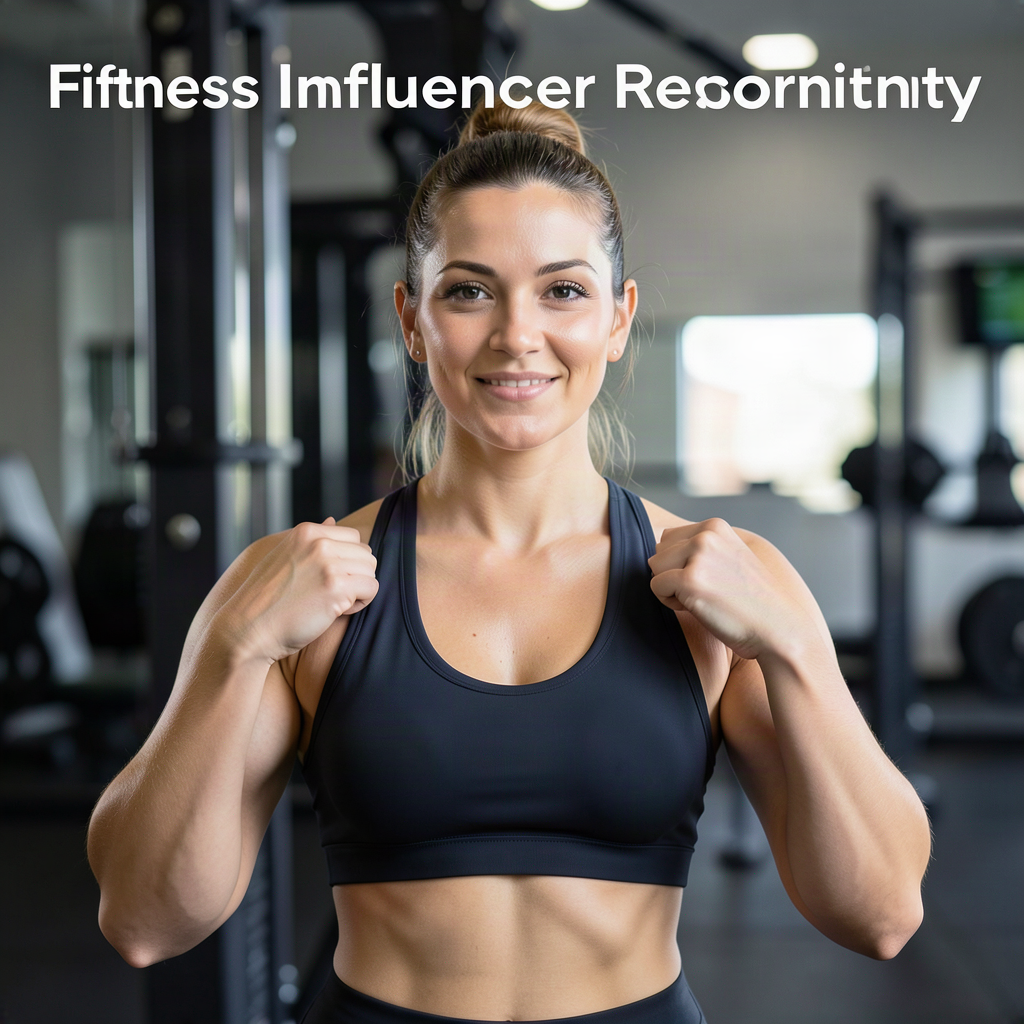
The digital age has fundamentally transformed how we approach physical health, movement, and self-image. Where we once relied on local gym instructors or printed magazines for guidance, we now turn to social media platforms where fitness influencers command audiences numbering in the millions. This shift has democratized health information, making workouts and nutritional advice accessible to anyone with a smartphone. However, this democratization comes with a profound weight of fitness influencer responsibility. When a single post can influence the eating habits, exercise routines, and self-esteem of thousands, the ethical stakes are incredibly high.
Fitness influencer responsibility is not merely about providing effective workout routines; it encompasses a broad spectrum of ethical considerations, from scientific accuracy and financial transparency to the psychological impact of curated imagery. As the line between professional coaching and social media entertainment blurs, influencers must navigate the delicate balance of being relatable while remaining authoritative and safe. For the audience, understanding these responsibilities is key to consuming digital content mindfully and healthily.
The Power of the Digital Platform: Why Influence Matters
To understand the gravity of fitness influencer responsibility, one must first recognize the sheer scale of their reach. Unlike a traditional personal trainer who might work with 20 clients a week, a fitness influencer can reach 20,000 people in seconds. This scale creates a “halo effect,” a psychological phenomenon where an individual’s attractiveness or perceived success in one area (like physical fitness) leads followers to trust their expertise in unrelated or highly technical areas, such as endocrinology, psychology, or complex biomechanics.
This platform power means that an influencer’s words carry the weight of perceived truth. When an influencer suggests a specific supplement or a restrictive diet, their followers may adopt these practices without the skepticism they might apply to a traditional advertisement. The responsibility here lies in acknowledging that followers often view influencers as peers or mentors rather than distant celebrities. This parasocial relationship creates a high level of trust, and breaking that trust with misinformation can have real-world consequences for a follower’s physical and mental health.
Accuracy Over Aesthetics: The Need for Evidence-Based Advice
One of the most critical aspects of fitness influencer responsibility is the commitment to evidence-based information. In an industry often driven by trends and “hacks,” it is easy to prioritize what looks good on camera over what is scientifically sound. However, promoting exercises that are biomechanically risky or nutritional protocols that lack scientific backing is a breach of ethical duty.
Influencers have a responsibility to vet the information they share. This involves moving beyond personal anecdotes—”this worked for me”—and looking at broader scientific consensus. For example, while a specific high-intensity interval training (HIIT) routine might have helped an influencer lose weight, it might be contraindicated for a follower with joint issues or cardiovascular concerns. Responsible influencers clarify that their experience is individual and encourage followers to seek professional medical advice before starting new regimens. They also stay updated on current sports science, ensuring they aren’t perpetuating outdated myths like “spot reduction” of fat or the necessity of “detox” teas.
Transparency in Sponsorships and the Ethics of Promotion
The business side of being a fitness influencer often involves brand partnerships and sponsorships. While there is nothing inherently wrong with earning a living through digital content, fitness influencer responsibility requires radical transparency. The audience deserves to know when they are being sold a product versus when they are receiving an objective recommendation.
Beyond legal requirements like the FTC guidelines for disclosing ads, there is an ethical layer to product promotion. Influencers must consider the impact of the products they endorse. Promoting weight-loss supplements, appetite suppressants, or unverified “fat-burning” gadgets can be predatory, especially when the audience includes young or vulnerable individuals. A responsible influencer performs due diligence on their sponsors, ensuring the products are safe, effective, and align with a healthy lifestyle. They avoid making exaggerated claims about a product’s efficacy and are honest about whether a product was essential to their own fitness journey or simply a tool they use occasionally.
Body Image and the Myth of Perfection
Perhaps the most nuanced area of fitness influencer responsibility is the management of body image. Social media is a visual medium, and fitness influencers often rely on their physique to demonstrate the results of their programs. However, the use of strategic lighting, specific angles, posing, and digital editing can create an unattainable standard of beauty and fitness.
Responsibility in this area involves pulling back the curtain. Many influencers are now embracing “reality checks,” showing their bodies in relaxed positions versus flexed ones, or discussing the bloating and fluctuations that are a natural part of human biology. By showing that even “fitness icons” have skin folds, cellulite, and off-days, influencers help dismantle the toxic pursuit of perfection. Furthermore, they have a responsibility to avoid language that equates thinness with health or worth. Promoting body neutrality—the idea that our bodies are valuable regardless of how they look—is a powerful way to exercise responsibility and protect the mental health of their community.
Mental Health and the Evolution of Fitness Narratives
For decades, the fitness industry was built on the “no pain, no gain” mentality, often bordering on the glorification of overtraining and disordered eating patterns. Modern fitness influencer responsibility requires a shift away from these damaging narratives. Exercise should be promoted as a tool for longevity, mental clarity, and functional strength, rather than a punishment for what one ate or a means to achieve a specific number on a scale.
Influencers should be mindful of the language they use regarding food and exercise. Terms like “guilt-free,” “cheat meals,” or “earning your calories” can trigger or exacerbate disordered eating behaviors. Instead, responsible influencers focus on intuitive movement, the importance of rest and recovery, and the psychological benefits of physical activity. They also acknowledge that fitness is just one part of a balanced life, encouraging followers to prioritize sleep, social connections, and mental health over an obsessive adherence to a workout schedule.
Inclusivity and Accessibility in Online Fitness
The fitness world has historically been exclusive, often catering to a narrow demographic. A significant part of fitness influencer responsibility today is fostering inclusivity. This means representing different body types, ages, abilities, and backgrounds. When an influencer provides modifications for various fitness levels or mentions how a workout can be done without expensive equipment, they make health more accessible to everyone.
Inclusivity also extends to financial accessibility. Not everyone can afford organic meal deliveries, high-end gym memberships, or expensive athleisure. Influencers who provide low-cost or free alternatives, such as bodyweight home workouts or affordable meal-prepping tips, demonstrate a commitment to the well-being of their entire audience, not just those with high disposable income. By acknowledging the systemic barriers to health—such as food deserts or lack of safe outdoor spaces for exercise—influencers can use their platform to advocate for broader health equity.
Navigating Professional Boundaries and Referrals
An often-overlooked aspect of fitness influencer responsibility is knowing when to stop giving advice. Most influencers are not doctors, registered dietitians, or physical therapists. While they may have certifications in personal training, there are clear boundaries to what that certification allows them to prescribe.
A responsible influencer is quick to say, “I don’t know,” or “That is a question for a professional.” They avoid diagnosing injuries over the internet or providing detailed meal plans for individuals with medical conditions like diabetes or PCOS. Instead, they use their platform to bridge the gap between the public and qualified professionals. By referring followers to credible sources—such as the Academy of Nutrition and Dietetics or the American College of Sports Medicine—they ensure their audience receives the specialized care they need. This humility not only protects the follower but also enhances the influencer’s credibility as a responsible leader in the space.
Building and Moderating a Compassionate Community
The responsibility of an influencer extends to the community they have built. The comment sections of fitness posts can sometimes become breeding grounds for body shaming, unsolicited advice, or bullying. Fitness influencer responsibility involves active moderation to ensure the digital space remains safe and supportive.
Influencers can set the tone by establishing community guidelines that prohibit hate speech and harassment. Beyond moderation, they can actively foster compassion by engaging with followers in a way that validates their struggles. When an influencer shares their own setbacks—such as an injury or a period of low motivation—it creates a culture of empathy. This human connection is what sets social media apart from traditional media, and when used responsibly, it can create a powerful support network that motivates people to pursue health for the right reasons.
Practical Guidance for Followers: How to Evaluate Influencers
While the burden of responsibility lies with the influencer, followers can also take steps to protect their own well-being. Evaluating the content you consume is a vital skill in the digital age. Here are some actionable ways to determine if an influencer is practicing responsibility:
- Check Credentials: Look for certifications from reputable organizations (e.g., NASM, ACE, ACSM) or degrees in exercise science or nutrition. Be wary of those who call themselves “experts” without a formal background.
- Analyze the Language: Does the influencer use fear-based marketing? Do they promise “quick fixes” or “miracle results”? Responsible creators use balanced, sustainable language.
- Look for Disclosures: Is it clear when a post is sponsored? Transparency about financial ties is a hallmark of an ethical influencer.
- Observe the Diversity: Does the influencer show different bodies and abilities, or is their content strictly focused on a singular, idealized aesthetic?
- Evaluate the Scientific Basis: Do they cite sources or explain the “why” behind their recommendations using physiological principles, or do they rely solely on anecdotes?
By being a discerning consumer, you not only protect yourself but also signal to the industry that you value integrity and accuracy over hype and aesthetics. The relationship between an influencer and their audience is a two-way street; by supporting responsible creators, we can collectively raise the standard of the digital fitness landscape.
Genetic Realism and the Ethics of the “Body Goal” Narrative
A significant but often ignored facet of fitness influencer responsibility is the acknowledgement of genetic variation. While the existing discourse focuses on the effort required to achieve a certain physique, it frequently omits the biological blueprint that dictates muscle insertions, bone structure, and fat distribution. When an influencer markets a specific program with the promise that followers can achieve a “teardrop” quadricep shape or a specific abdominal layout, they may be venturing into the territory of biological misinformation. Responsibility in this context means educating the audience on the difference between maximizing one’s own potential and attempting to replicate another person’s phenotype.
For instance, the width of the pelvic bone or the length of the clavicles are fixed skeletal traits that heavily influence the “V-taper” or “hourglass” silhouettes so popular on social media. An influencer with a long torso and high muscle insertions will naturally look different from someone with a short torso and low insertions, even if they follow the exact same hypertrophy program and caloric intake. Responsible creators take the time to explain these nuances, moving away from the “look like me” marketing strategy toward a “be the best version of you” philosophy. This prevents the inevitable frustration and body dysmorphia that occurs when a follower realizes that no amount of lunges will change the fundamental shape of their gluteal muscles.
Moreover, influencers have a duty to discuss the role of “non-responders” and “hyper-responders” to exercise. Scientific literature suggests that individuals vary wildly in how their bodies adapt to resistance training or cardiovascular stress. By acknowledging that some people may need more recovery or a different volume of work to see the same results, influencers validate the diverse experiences of their community. This honesty reduces the likelihood of followers blaming themselves for a lack of progress that may, in part, be driven by their unique genetic makeup.
The “Natty or Not” Dilemma: Transparency Around Performance Enhancers
The rise of the “enhanced” physique—achieved through the use of anabolic steroids, SARMs (Selective Androgen Receptor Modulators), or other Performance Enhancing Drugs (PEDs)—has created a crisis of expectations in the digital fitness space. Fitness influencer responsibility reaches its most critical point when discussing the use of these substances. When an influencer utilizes PEDs but claims to be “natural” (often referred to as being a “fake natty”), they are not just being dishonest; they are setting a dangerous and unattainable standard for their audience, particularly for impressionable young men.
The ethical responsibility here is twofold: honesty about one’s status and education on the risks. While an influencer may choose not to disclose their personal medical history, they must refrain from selling programs or supplements under the guise that their physique was achieved through those products alone. The deception becomes predatory when an influencer uses their chemically-enhanced body to sell a “30-day transformation” program to a teenager whose hormonal profile cannot possibly support such rapid muscle growth. This leads to a cycle of supplement abuse and potential entry into the world of PEDs by followers who feel their natural efforts are failing.
Furthermore, if an influencer does choose to be open about their use of substances, they carry the heavy burden of harm reduction. This involves avoiding the glorification of drug use and being transparent about the side effects, ranging from cardiovascular strain and hormonal imbalances to the psychological impact of dependency. A responsible influencer in this niche clarifies that PED use is a professional choice with long-term health consequences, not a shortcut that should be taken by the general public. They emphasize that for 99% of people, the goal should be health and longevity, which are often at odds with the use of pharmacological shortcuts.
Beyond the Basics: The Responsibility of Supplement Literacy
While the existing article touches on the ethics of sponsorships, there is a deeper layer of responsibility regarding chemical literacy in the supplement industry. Many influencers promote “pre-workout” powders, “fat burners,” and “nootropics” without a fundamental understanding of the ingredients or how they interact with the human body. Responsibility requires moving beyond the marketing copy provided by the brand and investigating the clinical dosages of the active ingredients.
For example, many influencers promote high-stimulant pre-workouts containing upwards of 400mg of caffeine per serving, often encouraging followers to take “double scoops” for the camera. A responsible influencer warns their audience about the risks of caffeine toxicity, sleep disruption, and the potential for heart palpitations, especially for those with underlying conditions. They also educate their followers on the “prop proprietary blend” loophole, where companies hide the exact amounts of ingredients, making it impossible for the consumer to know what they are actually ingesting.
Edge cases, such as the promotion of supplements to pregnant women or individuals on specific medications, require even higher levels of caution. A responsible creator will explicitly state that their recommendation is for healthy adults and provide a standard disclaimer that supplements are not regulated by the FDA in the same way as pharmaceuticals. By teaching their audience how to read a supplement facts label and how to look for third-party testing certifications (like NSF for Sport or Informed-Choice), influencers empower their followers to be skeptical consumers rather than passive recipients of a sales pitch.
The Psychological Toll of Quantified Self-Tracking
In the modern fitness era, influencers are often the primary drivers behind the adoption of wearable technology and tracking apps. While these tools can be helpful for data-driven progress, the constant promotion of macro-tracking, step-counting, and sleep-scoring carries a significant psychological risk. Fitness influencer responsibility involves recognizing when the “quantified self” crosses the line into obsessive, disordered behavior, such as orthorexia or exercise addiction.
Influencers often post their “daily stats” as a badge of honor, but for a follower struggling with an eating disorder, seeing a 1,500-calorie-burn-day can be a trigger to over-exercise. A responsible approach involves occasionally showing days where the tracker is left off, emphasizing the importance of “intuitive movement” and listening to internal cues over digital ones. They should proactively discuss the limitations of these devices—such as the fact that most wrist-based trackers can have a 20-40% margin of error in calorie expenditure—to prevent followers from becoming slaves to inaccurate data.
Moreover, influencers have a responsibility to de-stigmatize the “off-track” days. By sharing content that doesn’t revolve around a perfect 10,000-step streak or a perfectly hit protein goal, they give their audience permission to be human. This prevents the “all-or-nothing” mentality that causes many people to abandon their health goals entirely the moment they miss a single metric. The goal of a responsible influencer is to use technology as a supportive tool, not a digital prison.
Intellectual Honesty in “Biohacking” and Niche Science
A burgeoning trend in the fitness world is “biohacking,” where influencers use complex-sounding scientific terms to sell simple (or sometimes useless) lifestyle changes. We see frequent mentions of “cortisol spikes,” “dopamine fasting,” and “insulin sensitivity” used in ways that often contradict clinical endocrinology. Fitness influencer responsibility demands intellectual honesty: if you are going to use the language of science, you must respect the rigors of science.
For instance, it has become common to blame “high cortisol” for all forms of weight gain, leading influencers to sell expensive “adrenal support” supplements. A responsible creator would explain that cortisol is a vital, rhythmic hormone and that “adrenal fatigue” is not a recognized medical diagnosis by major endocrine societies. They avoid oversimplifying complex biological systems into “good” or “bad” buckets. When discussing gut health, they should acknowledge that the microbiome is an incredibly complex frontier where science is still in its infancy, rather than selling a specific probiotic as a cure-all for bloating and mental health.
This responsibility also extends to the “appeal to antiquity” or “appeal to nature” fallacies. Just because a practice is “ancient” or “natural” doesn’t mean it is effective or safe for everyone. Responsible influencers vet the “hacks” they promote—whether it’s cold plunges, red light therapy, or raw liver consumption—by looking for peer-reviewed meta-analyses rather than relying on a single outlier study or a charismatic “guru.” They are honest about what is a proven necessity (like sleep and progressive overload) versus what is an expensive, optional optimization.
Crisis Protocols: Handling Follower Harm and Disordered Behavior
As an influencer’s platform grows, they will inevitably encounter followers who are in crisis. This might manifest as a direct message from a follower admitting to an eating disorder triggered by the influencer’s content, or a comment from someone who injured themselves trying a demonstrated “advanced” movement. Fitness influencer responsibility includes having a “crisis protocol” for these interactions. The influencer is not a therapist or a doctor, but they are often the first point of contact for someone in distress.
A responsible influencer does not ignore these messages or provide unqualified medical advice. Instead, they should have a list of professional resources ready to share, such as the National Eating Disorders Association (NEDA) hotline or links to find certified physical therapists. They must also be willing to look at their own content critically: if multiple followers report that a specific “flat tummy” workout is causing them back pain, the responsible action is to take the video down or add a significant warning and modification guide.
Furthermore, influencers should be mindful of the “pro-ana” or “pro-mia” communities that sometimes co-opt fitness content. By monitoring their comment sections for “thinspo” language or the encouragement of extreme fasting, influencers can prevent their platform from becoming a haven for disordered behavior. This level of active stewardship shows that the influencer values the safety of their community over the engagement metrics that controversial or extreme content might generate.
The Responsibility of Lifecycle Fitness: From Youth to Longevity
The majority of fitness content is produced by and for individuals in their 20s and 30s, creating a vacuum of information for those navigating different life stages. Fitness influencer responsibility involves acknowledging that a workout plan for a 22-year-old athlete is fundamentally different from one for a 55-year-old woman entering menopause or a man in his 60s dealing with sarcopenia. As influencers themselves age, they have a unique opportunity—and responsibility—to model “lifecycle fitness.”
This means being transparent about how their own training has evolved. Instead of trying to maintain the same intensity and aesthetic they had a decade ago through filters and extreme measures, they can lead the way in showing how to train for joint health, bone density, and metabolic flexibility in later years. For female influencers, this includes discussing the impact of the menstrual cycle, pregnancy, postpartum recovery, and perimenopause on training. Ignoring these biological realities is a disservice to half the population.
By expanding the narrative to include “fitness for the long haul,” influencers can help dismantle the “peak at 25” myth. They can teach their followers that fitness isn’t a temporary project to be completed before a wedding or a vacation, but a lifelong relationship with one’s body that requires constant adjustment. This shift from “beach body” to “functional longevity” is perhaps the most profound way an influencer can exercise their responsibility, as it promotes a sustainable, healthy lifestyle that can last for decades rather than weeks.
Frequently Asked Questions
What are the red flags of an irresponsible fitness influencer?
Red flags include making medical claims (like saying a supplement cures a disease), promoting extreme calorie deficits, using “shame” as a motivational tool, failing to disclose paid partnerships, and refusing to acknowledge the role of genetics or professional lighting in their appearance. If an influencer suggests that their way is the “only” way to get results, it is usually a sign of a lack of professional depth.
Can an influencer be responsible without having a degree in exercise science?
Yes, many influencers are passionate enthusiasts who share their personal journeys. However, their responsibility in this case is to be extremely clear about their lack of professional qualifications. They should frame their content as personal experience rather than universal advice and avoid giving specific prescriptions for exercise or diet. Responsibility is about honesty regarding one’s scope of practice.
Why is it important for influencers to show their “unfiltered” selves?
Showing an unfiltered self helps combat the “social comparison” theory, where followers compare their everyday reality to an influencer’s highlight reel. Constant exposure to edited or perfectly posed bodies can lead to body dissatisfaction and disordered eating. When influencers show reality, they normalize normal bodies, which reduces the psychological pressure on their audience and promotes a healthier relationship with fitness.
How should an influencer handle a mistake in the information they shared?
A responsible influencer practices accountability. If they share incorrect information, they should issue a correction publicly rather than just deleting the post. This demonstrates integrity and a commitment to the truth over their personal brand image. Admitting a mistake can actually strengthen the trust between an influencer and their audience because it shows they prioritize the audience’s well-being over being “right.”
What role does the audience play in fitness influencer responsibility?
The audience holds the power of the “follow” and the “like.” By engaging with and supporting influencers who prioritize science, transparency, and inclusivity, followers create a market demand for responsible content. Conversely, by unfollowing accounts that promote toxic beauty standards or misinformation, the audience can pressure the industry to evolve. Consumer behavior is a powerful catalyst for change in the digital economy.
Related posts:
 Food Blogging Reality
 Wellness Influencers Share Their Most Instagram-Worthy Salad Creations
 Elyse Myers: Changemaker Interview
 What Wellness Influencers Are Grateful For
 In Defense of Instagram’s Famous Trainers
 1. Copy and paste the actual titles from those articles
 Gyms Are Actually Banning Sexy Workout Clothes and Here’s Why
 Why Avocado Toast Dominated Breakfast Trends in 2017