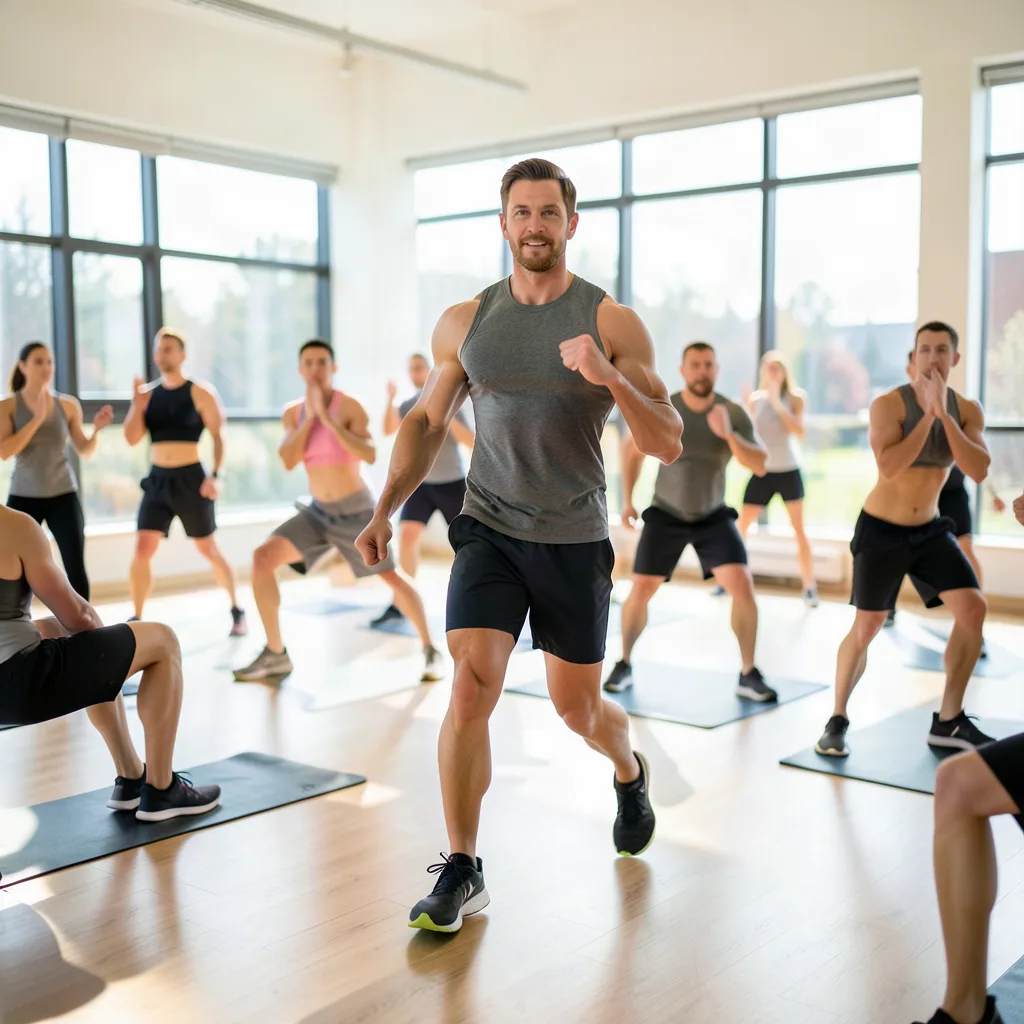
Auditioning to become a fitness instructor is an exciting opportunity to turn your passion for fitness into a professional career. Whether you’re pursuing a group fitness class position, personal training role, or boutique studio gig, the audition process can feel daunting. Success depends on demonstrating not just your fitness knowledge and physical capabilities, but also your ability to motivate, teach, and connect with potential clients. This guide walks you through everything you need to know to prepare for and nail your fitness instructor audition.
Key takeaways
- Research the facility’s specific philosophy and class style to tailor your teaching energy accordingly.
- Prepare a structured 15-30 minute demo featuring clear verbal cues, exercise modifications, and consistent pacing.
- Organize all certifications, CPR/AED credentials, and liability documentation in a professional, accessible format.
- Practice your class in front of others and record yourself to refine your presence, voice, and body language.
- Follow up with a brief, professional email within 24 hours to express enthusiasm and reiterate your value.
Understanding What Fitness Facilities Are Looking For
Fitness facilities don’t just hire instructors who are personally fit. They’re looking for people who can teach effectively, manage a room full of diverse fitness levels, and keep participants coming back. Hiring managers evaluate whether you can break down exercises clearly, motivate without being overbearing, and create a welcoming environment for beginners and advanced participants alike.
Before your audition, research the specific facility’s philosophy and class style. If it’s a high-energy boutique studio, they want someone dynamic and trendy. If it’s a traditional gym, they value professionalism and accessibility. Facilities also assess your professionalism, punctuality, ability to follow instructions, and willingness to learn their systems and standards. They want to know you’ll represent their brand consistently.
Understanding their ideal instructor profile helps you tailor your audition. Look at their current instructors’ social media, class descriptions, and reviews. This gives you insight into what resonates with their client base and what energy they’re trying to cultivate.
Getting Your Certifications and Documentation in Order
Most facilities require current fitness certifications before you even audition. The major certifying bodies include ACE (American Council on Exercise), NASM (National Academy of Sports Medicine), ISSA (International Sports Sciences Association), and AFAA (Athletics and Fitness Association of America). Choose a certification aligned with your specialty—group fitness, personal training, or a niche like yoga or cycling.
Beyond your primary certification, consider additional credentials that strengthen your profile. CPR/AED certification is often mandatory. Specialized certifications in areas like prenatal fitness, senior fitness, or functional training make you more marketable. If you’re teaching a specific format like HIIT, Pilates, or dance cardio, a specialized certification for that modality carries significant weight.
Have all original documents or digital copies ready before your audition. Include your certifications, CPR card, any liability insurance documentation, and your résumé highlighting relevant experience. Some facilities conduct background checks, so be prepared for that process. Organize these materials in a professional folder or digital file system you can quickly access.
Designing and Practicing Your Audition Class or Demo
If you’re auditioning for a group fitness position, you’ll typically teach a short class, usually 15-30 minutes. This is your chance to show your teaching style, cueing ability, and command of the room. Start by selecting appropriate music that matches the facility’s vibe and your teaching style. Create a playlist with clear transitions between sections so you can focus on instruction rather than fumbling with controls.
Structure your demo class with a warm-up, main workout segment, and cool-down. Choose exercises that showcase your expertise while remaining accessible to various fitness levels. Include modifications and progressions so anyone in the room can participate successfully. Practice clear, concise cueing that helps people understand both what to do and why they’re doing it.
Rehearse your demo class multiple times before your audition, ideally in front of friends or family members who can provide feedback. Pay attention to your pacing, energy level, voice projection, and ability to watch the room while leading. Record yourself teaching to assess your verbal cues, body alignment, and overall presence. Refine anything that feels awkward or unclear. Aim for polish without seeming robotic—authenticity matters as much as perfection.
If you’re auditioning for a personal training position, prepare a consultation and brief assessment session that demonstrates your ability to evaluate a client, discuss goals, and create an appropriate workout. Show your knowledge of exercise form, modifications, and progression strategies.
Perfecting Your Physical Presentation and Energy
Your physical appearance and energy set the tone for how participants will receive your instruction. Wear appropriate, professional workout attire that reflects the facility’s culture. For a boutique cycling studio, that might mean trendy athletic wear. For a traditional gym, it might be more conservative. Ensure your outfit allows full range of motion and demonstrates the exercises you’ll be teaching.
Take care of the basics: well-groomed appearance, clean workout clothes, and appropriate footwear. Your hygiene and presentation communicate respect for the audition opportunity and the participants you’ll serve. Consider your hair and makeup—you want them secure and professional without being distracting.
Energy and enthusiasm are critical. Fitness participants want to feel motivated and inspired, not drained or intimidated. Bring genuine enthusiasm to your audition without overselling. Maintain positive body language, make eye contact with different people in the room, and smile authentically. Your demeanor should convey confidence in your knowledge while remaining approachable and encouraging to people of all fitness levels.
Demonstrating Clear Exercise Instruction and Modification Techniques
One of the most important audition skills is the ability to teach exercises clearly and safely. During your demo, choose a mix of familiar exercises and movements that showcase your cueing ability. Demonstrate proper form, explain the main muscle groups being worked, and provide at least one modification for each exercise. This shows you understand that fitness classes include people with injuries, limitations, and varying experience levels.
Your cueing should be specific and actionable. Instead of saying “engage your core,” say “draw your navel toward your spine and brace as if someone’s about to punch your stomach.” Rather than “keep your back straight,” guide with “maintain a neutral spine with a slight natural curve in your lower back.” Specific cues help people actually perform the exercise correctly rather than guessing what you mean.
Demonstrate the exercises yourself, at least partially, so participants can see proper form. Watch the room and provide real-time corrections or encouragement. Acknowledge different fitness levels and celebrate effort rather than just results. Show that you notice who’s working hard and that you value their commitment regardless of how many reps they complete.
Building Connection and Reading the Room
Teaching fitness is as much about connection as it is about exercise knowledge. During your audition, demonstrate your ability to read the room’s energy and adjust accordingly. If people seem tired early on, maintain motivation without pushing past their threshold. If energy dips in the middle, use music, tempo changes, or an encouraging comment to reinvigorate the group.
Make eye contact with different participants throughout your class. Notice who might need modifications or encouragement. Acknowledge effort and progress. Ask questions that invite participation, like “How’s everyone feeling?” or “Who’s ready to challenge themselves?” These small interactions create a sense of community that keeps people coming back.
Be responsive to the specific group in your audition. If you notice several beginners, ensure your main class is accessible while still offering progression. If the group seems advanced, provide challenging variations without losing the beginner-friendly options. Your ability to teach across levels within one class is a valuable skill.
Answering Common Audition Questions Effectively
After your demo class or during the interview portion, you’ll likely face questions about your teaching philosophy, experience, and approach to client management. Prepare thoughtful answers that show you understand the facility’s values and your role in delivering their brand of fitness.
Common questions include: “What’s your teaching philosophy?” “How do you handle participants with injuries?” “Describe a time you motivated someone who wanted to quit.” “How do you stay current with fitness trends?” and “Why do you want to work here specifically?” For each question, provide a genuine, specific answer rather than generic platitudes. Use real examples from your fitness experience whenever possible.
When discussing challenging scenarios, show empathy, professionalism, and problem-solving skills. For example, if asked about handling a difficult participant, describe a situation where you communicated clearly, maintained boundaries, and prioritized the entire group’s experience while remaining supportive of the individual.
Ask intelligent questions about the role, the facility’s culture, and their participant community. This shows genuine interest and helps you assess whether the position aligns with your goals. Questions like “What does success look like in this role?” or “How do you support ongoing instructor development?” demonstrate professionalism and investment.
Managing Pre-Audition Nerves and Building Confidence
Nervousness before an audition is completely normal and actually productive if channeled correctly. Use that nervous energy to fuel your enthusiasm rather than letting it create self-doubt. Prepare thoroughly so you know you’ve done everything in your power to succeed. This preparation builds genuine confidence, not artificial bravado.
The day before your audition, get adequate sleep and stay hydrated. Eat a balanced meal a couple of hours before you’re scheduled so you have energy without feeling uncomfortably full. Arrive early to get acclimated to the studio’s space, music system, and energy. A few extra minutes to breathe, center yourself, and observe the facility can calm pre-audition jitters significantly.
Remember that audition nerves don’t mean you’re unprepared. Even experienced instructors feel nervous before auditions because they care about doing well. Use positive self-talk throughout your preparation and audition day. Focus on what you do well, your genuine passion for fitness, and your ability to help people achieve their goals. This mindset translates into a more confident, engaging audition performance.
Following Up After Your Audition
After your audition concludes, send a professional follow-up email within 24 hours. Thank the hiring manager or audition coordinator, express your enthusiasm for the opportunity, and reiterate why you’d be a great fit for their facility. Keep it brief and professional, about two to three sentences. This final touch demonstrates professionalism and keeps you fresh in their memory as they make decisions.
If you don’t hear back within the timeframe they mentioned, it’s appropriate to send a polite check-in email after a week. If you don’t get the position, ask for constructive feedback about your audition. This information helps you improve for future opportunities and shows you’re genuinely committed to professional development.
Whether you land this position or not, treat every audition as a learning experience. Each one refines your skills, builds your confidence, and prepares you for the next opportunity. Many successful instructors didn’t get their first-choice position on their first audition, and that didn’t stop them from building thriving careers.
Leveraging Your Unique Fitness Specialty and Brand
While general fitness knowledge matters, facilities increasingly seek instructors who bring distinctive expertise or a recognizable teaching brand. Your specialty becomes your competitive advantage in a crowded audition landscape. If you’re a former athlete, competitive dancer, or have deep experience in a niche modality, this becomes central to your audition narrative. Rather than downplaying what makes you different, amplify it during your demo and interview.
During your audition class, weave your specialty naturally into your teaching. If you’re a yoga-trained instructor auditioning for a strength class, demonstrate how you incorporate mindful breathing and body awareness into power movements. If you have a dance background applying for cardio instruction, show how rhythm and musicality enhance coordination and enjoyment. This integration shows you’re not just borrowing techniques—you’re synthesizing genuine expertise into cohesive instruction.
Consider developing a signature element or teaching tool that becomes associated with your instruction. This might be a specific cueing system, a particular music selection style, a warm-up ritual, or a recovery protocol. During your audition, introduce this element confidently and explain why it matters. For example: “I always start with this breathing pattern because it activates participants’ parasympathetic nervous system and creates mental focus before we begin intensity.” This demonstrates both technical knowledge and intentionality behind your teaching choices.
Your specialty also makes you more hireable for multiple roles within a facility. An instructor with strong Pilates fundamentals can teach mat classes, equipment classes, and potentially offer private sessions. Someone trained in sports conditioning can lead athletic performance classes while also teaching general fitness. During your interview, articulate how your specialty expands your value to the facility without pigeonholing yourself into one class type.
Be prepared to discuss how you stay current within your specialty. Mention relevant workshops you’ve attended, certifications you’ve earned, or professional communities you’re part of. Facilities value instructors who continue learning and evolving their craft. This commitment to professional development suggests you’ll represent their brand with expertise and credibility.
Mastering the Technical Setup and Equipment Familiarity
Technical competence during your audition dramatically affects how your instruction lands. Many instructors focus heavily on their teaching presence but stumble with the actual logistics of running a class—and hiring managers notice immediately. Arriving early to familiarize yourself with the facility’s specific equipment, sound system, and layout transforms you from anxious to competent.
Request a walkthrough of the sound system before your audition class begins. Ask a staff member to show you where to plug in your phone or device, how to adjust volume, and whether they use a specific app or platform. Test your music playlist connection and confirm the volume reaches all areas of the room. If the facility uses a microphone, practice speaking into it briefly so you understand the feedback and how your voice projects. These small preparations prevent technical disasters that distract from your teaching.
If your demo involves equipment like weights, resistance bands, yoga mats, or reformers, spend a few minutes before your class examining how the facility’s versions work. Different brands of dumbbells feel slightly different, kettlebell handles vary, and resistance band thickness affects tension. This familiarity allows you to cue confidently and troubleshoot if a participant needs a different weight or tool. It also signals to observers that you’re organized and respectful of the facility’s resources.
During your actual class, demonstrate technical fluency by adjusting music volume mid-class without losing your teaching rhythm, knowing instinctively where to position participants to see the room, and managing timing so you finish your cool-down exactly when you planned. These seemingly small competencies communicate that you’re a professional operator, not just an enthusiastic fitness person. Hiring managers want instructors who can manage logistics smoothly so the focus stays on participant experience.
If anything technical fails during your audition—the music cuts out, a microphone squeals, equipment breaks—handle it gracefully. Pause briefly, address it matter-of-factly, and continue. Your composure under technical pressure actually demonstrates real-world readiness. Classes regularly encounter unexpected situations, and managers are assessing whether you can adapt without panic or derailing the entire experience.
Creating Inclusive Language and Accessible Movement Options
Modern fitness facilities place significant emphasis on inclusion and accessibility, and your audition language should reflect this awareness. Using only gendered pronouns, assuming certain body types, or failing to offer modifications sends a message that your classes aren’t for everyone. Conversely, demonstrating thoughtful, inclusive teaching immediately signals alignment with current facility values.
Throughout your demo, use inclusive language consistently. Instead of “you guys” or “everyone,” simply say “we” or “everyone here.” Avoid fitness industry clichés that alienate people, such as “no pain, no gain” or “earn your dessert.” These phrases suggest that fitness is punishment or that food requires justification—messaging that contradicts modern fitness facilities’ wellness-focused philosophies.
Offer movement options proactively rather than waiting for someone to ask. “If you need a lower-impact variation, step back and march in place instead of jumping. If you want to challenge yourself, add a pulse at the bottom of the squat.” This language normalizes modifications as valid choices, not degraded alternatives. Participants of all fitness levels should feel welcome and capable, and your cueing reflects this understanding.
Address potential accessibility needs without making assumptions. For example: “If you have any wrist sensitivity, modify by keeping your hands on the ground” or “If you’re working with any shoulder limitations, I’ll show you an upper-back-focused option.” This acknowledges that participants have diverse bodies and needs without requiring them to disclose specific conditions. It also demonstrates your knowledge of common modifications without singling anyone out.
Pay attention to body neutrality in your language. Instead of “this exercise burns calories” or “flatten your stomach,” frame benefits around function and feel: “this movement builds core stability” or “you’ll feel strengthened through your midsection.” Many facilities now actively discourage weight-loss focused messaging in favor of strength, capability, and wellness language. Reflecting this shift in your audition shows you understand contemporary fitness culture.
Additionally, acknowledge diverse cultural backgrounds in your music selection and references. If you play music from various genres and cultures, mention artists’ names and origin countries when introducing songs. This signals respect for cultural diversity and makes participants from various backgrounds feel seen and valued in your class space.
Handling Real-Time Feedback and Participant Engagement Moments
Your audition isn’t just a performance you deliver—it’s an interaction with real people, and how you handle dynamic moments matters significantly. During your demo, you’ll encounter situations that test your adaptability: someone leaves early, a participant seems struggling or bored, energy drops unexpectedly, or someone asks a question. Your response to these moments reveals your actual teaching maturity.
If someone leaves your demo class early, don’t let it throw you off or create awkwardness. A simple acknowledgment—”thanks for joining us”—and continued engagement with remaining participants shows professionalism. Participants leave classes for countless legitimate reasons, and treating their departure as normal prevents the discomfort from derailing your class energy.
When you notice someone struggling with an exercise, address it supportively rather than ignoring it. You might move closer, offer a modification, or check in: “How’s this feeling?” This demonstrates attentiveness and creates safety. Conversely, if someone appears bored or disengaged, consider whether your cuing is landing or whether you need to adjust your energy. Audition observers appreciate instructors who read the room and respond meaningfully rather than following a rigid script.
If a participant asks a question during your audition class—about form, modifications, or anything else—answer it clearly and briefly, then continue. Don’t treat questions as interruptions; they’re opportunities to demonstrate knowledge and create engagement. If someone challenges an exercise choice or modification, respond with curiosity rather than defensiveness. “That’s a great question—here’s why I chose this progression, but let’s find what works best for you.” This collaborative approach reveals your teaching maturity.
Pay special attention to how you celebrate participant effort. Call out individuals who are working hard, trying modifications, or pushing themselves, but do so authentically. Generic praise like “great job, everyone” feels hollow; specific recognition feels genuine. “I love how Sarah is really controlling that descent—that’s advanced strength work right there” makes participants feel genuinely seen rather than just generically cheered for.
Crafting Your Post-Audition Narrative and Handling Rejection Productively
How you frame your audition experience afterward, whether you’re hired or not, affects your professional trajectory and mental resilience as an instructor. If you land the position, avoid the temptation to claim you nailed it effortlessly. Instead, reflect on what went well and what you’ll continue refining. This growth mindset positions you as someone who improves continuously rather than someone who peaks at the audition.
If you don’t get the position, request specific feedback immediately. Ask the hiring manager or coordinator what you did well and what you could develop. Were your cueing patterns clear? Did your energy match their facility’s style? Was your music selection appropriate? Did your modifications feel accessible? Most facilities will provide at least some guidance, and this feedback is invaluable. Many instructors don’t get hired on their first audition, and the ones who ask for feedback tend to improve fastest.
Document what you learned from the experience. If you auditioned for a boutique cycling studio and they said your class felt too slow-paced, you now know to energize pacing for similar facilities. If a traditional gym feedback suggested your modifications weren’t clear enough, you have specific technical growth to pursue. Treat each audition as data collection rather than a pass-or-fail judgment on your worth as an instructor.
Consider auditing classes at facilities where you didn’t get hired. Observe how the hired instructors teach, what energy they bring, how they cue, and why their approach resonates. This research transforms rejection into professional development. You’ll notice patterns in what certain facilities value, and this knowledge makes your next audition significantly stronger.
Stay in touch professionally with facilities where you auditioned, especially if you received encouraging feedback. Send a brief email every few months mentioning a workshop you attended or a teaching development you’ve made. If an instructor leaves and a position opens, you’re now a known quantity rather than a stranger. Facilities hire people they recognize and trust, and maintaining professional relationships opens doors over time.
Develop resilience by remembering that hiring decisions involve factors beyond your control. The facility might have hired an internal candidate before interviews began. They might have been looking for a specific specialty you don’t have. The audition class might have coincided with budget cuts. Some rejection has nothing to do with your teaching quality. Separating your professional competence from specific hiring outcomes protects your confidence and keeps you auditioning without bitterness.
Building Long-Term Instructor Credibility Beyond the Audition
Your audition is your entry point, but your lasting success as an instructor depends on credibility you build continuously. Start thinking about your professional reputation before you even audition. Do you have social media presence that reflects your teaching values? Have you built a portfolio of testimonials from people you’ve trained? Are you visible in fitness community events or online spaces?
During your audition interview, expect questions about your online presence and how you engage with the fitness community. If you have Instagram showing your teaching style, training philosophy, or participant transformations, you’re demonstrating that you’re serious about building a professional brand. If you’re active in fitness forums, group chats, or local running clubs, mention these community connections. Facilities want instructors who are invested in fitness culture beyond their paycheck.
Document your teaching journey thoughtfully. Take photos or videos during classes you teach (with permission), capture participant testimonials, track class attendance growth, or record feedback you receive. This portfolio demonstrates your track record and shows you’re intentional about professional development. If you haven’t taught formally before, create documented evidence of your passion through fitness certifications, specialty training, volunteer teaching, or community fitness events you’ve led.
Consider how you’ll continue building credibility if you’re hired at this facility. Ask during your interview about their support for instructor development, whether they fund continuing education, or if they offer mentorship. Your commitment to ongoing learning signals that you’re not just looking for a job—you’re building a career. This mindset makes you more attractive during the audition and more likely to become a facility’s top instructor long-term.
FAQ
Q: What should I wear to a fitness instructor audition?
A: Wear clean, professional workout attire that fits your body well and allows full range of motion. Choose clothing that reflects the facility’s style—trendy activewear for boutique studios, more conservative athletic wear for traditional gyms. Ensure your outfit demonstrates the exercises you’ll teach and makes you feel confident. Your appearance should convey professionalism and respect for the audition opportunity while being appropriate for a fitness setting.
Q: How long should a demo class be and what should I include?
A: Most facilities ask for 15-30 minute demo classes. Structure yours with a warm-up (2-3 minutes), main workout (10-20 minutes depending on your total time), and cool-down or stretch (2-3 minutes). Include a mix of exercises that showcase your teaching style and cueing ability, provide modifications for different fitness levels, and demonstrate your music selection and energy management. Rehearse multiple times to refine pacing and transitions.
Q: What if I make a mistake during my audition?
A: Minor mistakes are normal and rarely disqualify you. If you misstep or lose your place, stay calm, acknowledge it briefly if necessary, and move forward confidently. Your ability to recover gracefully actually demonstrates professionalism and composure under pressure. Focus on connecting with your participants and delivering solid instruction rather than achieving perfection. Hiring managers understand that real teaching situations involve unexpected moments.
Q: What certifications do I absolutely need before auditioning?
A: You need a group fitness or personal training certification from a recognized body like ACE, NASM, ISSA, or AFAA, and CPR/AED certification. These are typically non-negotiable. Beyond these basics, specialized certifications in your specific format (cycling, yoga, Pilates, HIIT, etc.) strengthen your profile significantly. Check with your target facilities to confirm their specific requirements, as some may have additional standards.
Q: How do I stand out when there are many other candidates?
A: Stand out by researching the facility thoroughly and tailoring your audition to their specific style and participant demographic. Demonstrate genuine enthusiasm combined with professionalism. Show your ability to teach across fitness levels, connect with diverse participants, and create an inclusive environment. Ask thoughtful questions that show you understand their community. Be authentic rather than trying to be someone you’re not—facilities hire people whose teaching philosophy aligns with their values.
Related posts:
 Nap Revolution: NYC’s Sleep Café Is Making Rest Trendy Again
 Top Boutique Fitness Studios of 2016
 My Studio Style: Flik Swan and Victoria Marr on Building an Empire Together
 Peloton Partners with Hilton
 This LA Dance Workout Connected Natalie Portman to Her Husband
 Gyms Are Actually Banning Sexy Workout Clothes and Here’s Why
 Group Fitness for Stress Relief
 Kate Hudson’s Latest Obsession: The High-Energy Workout Called PloyoJam