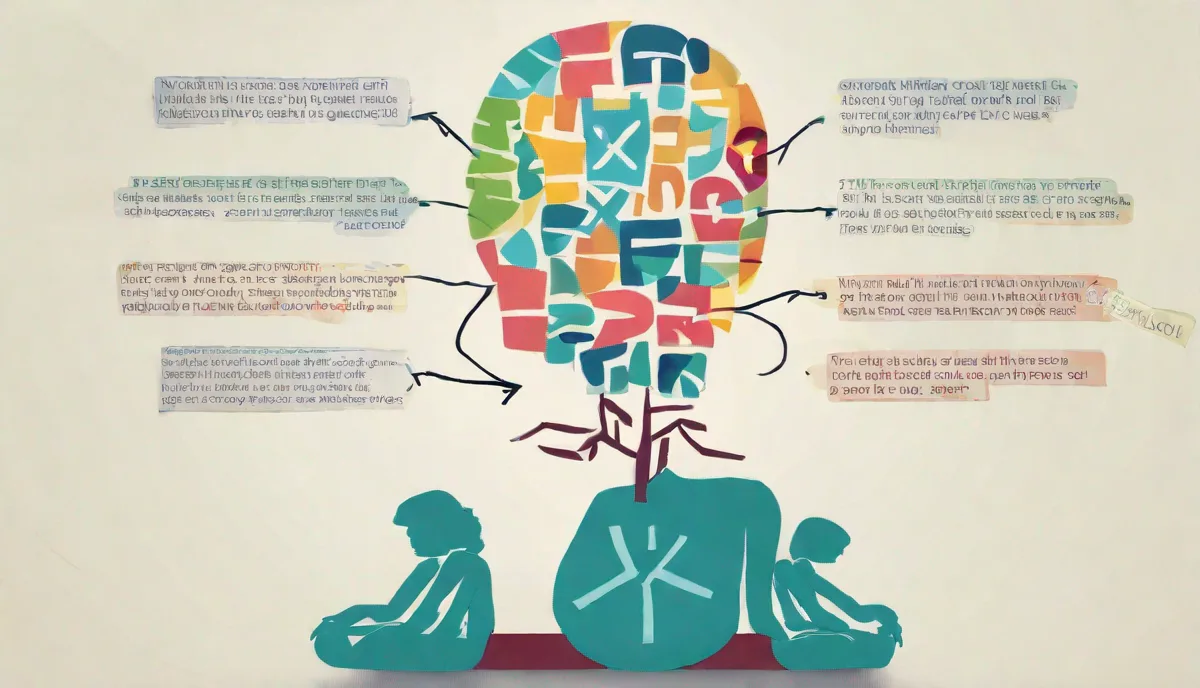
What Is a Fixed Mindset?
A fixed mindset is the belief that abilities, intelligence and talents are fixed or set in stone.
For example, someone with a fixed mindset around math may say “I’m just not a math person” and believe they can’t improve at math.
The fixed mindset limits growth and prevents people from reaching their full potential. However, the good news is that mindsets can be changed.
What Is a Growth Mindset?
A growth mindset is the belief that abilities can be developed through dedication and hard work. It’s the view that talents and intelligence can be cultivated.
Someone with a growth mindset says, “I can’t do this yet, but if I work hard I will improve and learn.” This mindset embraces challenges and sees failure as an opportunity to grow, not something permanent.
Benefits of a Growth Mindset
Some benefits of cultivating a growth mindset include:
- Increased motivation and effort
- More resilience when facing setbacks
- Higher achievement and performance
- A willingness to embrace challenges
- Feeling empowered to develop new skills
Overall, a growth mindset facilitates lifelong learning and helps people reach their highest potential.
Changing from a Fixed to a Growth Mindset
If you realize you have a fixed mindset, you can work to change your beliefs and develop a growth mindset. Here are some tips:
- Pay attention to your inner dialogue when you hit obstacles. Do you say “I can’t” or “I’m not good at this”? Start changing that self-talk.
- View challenges as opportunities, not threats. Embrace things outside your comfort zone.
- Focus on effort and progress, not on measuring yourself against others.
- Keep going when things get hard instead of giving up easily.
- Give yourself positive affirmations like “I will learn, grow, and improve.”
The Neuroplasticity Connection: Rewiring Your Brain for Growth
At the core of the growth mindset lies a biological reality: neuroplasticity. For years, science suggested that the adult brain was a static organ, but modern neuroscience has proven that the brain is malleable throughout our entire lifespan. When you learn a new skill or grapple with a difficult problem, your neurons form new connections, or synapses, effectively rewiring your brain. Understanding that your brain is physically changing in response to your effort provides a scientific anchor for the growth mindset. Instead of viewing your intelligence as a fixed capacity, start viewing your brain as a muscle that strengthens under the load of cognitive demand. When you encounter a task that feels impossible, you are essentially at the gym for your brain; the mental fatigue you experience is the sensation of neural pathways being forged. By visualizing this biological process, you move away from abstract self-help concepts and into a concrete, physiological understanding of how your effort translates into physical brain architecture.
Identifying the “Fixed Mindset Trigger” in Professional Environments
Fixed mindsets often lie dormant until they are activated by specific professional triggers, such as receiving constructive criticism, witnessing a peer’s promotion, or failing to meet a key performance indicator (KPI). In the workplace, these triggers often manifest as defensive behaviors. For instance, if you find yourself feeling resentful when a colleague receives feedback you didn’t, or if you feel the urge to hide your mistakes from your manager, you are experiencing a fixed mindset trigger. To counteract this, implement a “feedback audit.” When you receive criticism, set a mandatory 24-hour waiting period before you respond. This gap allows your emotional brain to settle so your logical brain can evaluate the feedback as data rather than a personal attack. By labeling these moments as “fixed mindset spikes,” you strip them of their power and turn them into deliberate opportunities for professional calibration.
The Role of Strategic Vulnerability in Skill Acquisition
Many people fail to adopt a growth mindset because they fear looking incompetent in front of others. This is where the concept of “strategic vulnerability” becomes essential. Strategic vulnerability is the intentional act of admitting what you do not yet know or asking for help when you are stuck. By framing your gaps in knowledge as a deliberate part of the learning process rather than a character flaw, you lower the barrier to entry for difficult tasks. For example, instead of struggling in silence to master a complex software tool, announce to your team, “I am currently in the learning phase of this tool and would appreciate any tips on how to optimize my workflow.” This not only speeds up your learning curve but also creates a psychological safety net that encourages those around you to be more honest about their own development, thereby fostering a culture of collective growth.
Reframing Failure: The “Post-Mortem” Technique
A fixed mindset views failure as a terminal diagnosis, while a growth mindset views it as a diagnostic tool. To operationalize this, adopt the corporate “post-mortem” practice for your personal projects. When a goal is not met or a project fails, conduct a structured review. Ask yourself three specific questions: 1) What specific variables were within my control that I failed to influence? 2) What new information did this failure provide that I did not have before? 3) How would I adjust my strategy if I were to attempt this again tomorrow? This technique forces you to extract value from the experience. By documenting these insights, you transform a negative emotional event into a roadmap for future success, ensuring that you never truly “fail” because you have gained the data necessary to iterate and improve.
The Danger of “Praising the Person” and How to Pivot
We often inadvertently reinforce fixed mindsets in others—and ourselves—by using identity-based praise. Phrases like “You are so smart,” “You are a natural-born salesperson,” or “You’re a genius at coding” are deceptively harmful. While intended to be supportive, this type of praise anchors worth to inherent traits. If you believe you are “smart,” you will avoid difficult tasks that might threaten that identity. To pivot, shift your focus to process-oriented praise. Instead of praising talent, praise the strategy, the focus, the persistence, or the creative approach taken. If you catch yourself thinking, “I am just naturally good at this,” reframe it internally: “I have put in the hours to develop my proficiency in this area, and I can continue to refine my technique.” By praising the process, you maintain control over your development, ensuring that your identity is tied to your work ethic rather than an elusive, unchangeable trait.
Managing the “Fixed Mindset Chasm” During Transitions
The most dangerous time for a growth mindset is during a major life transition, such as changing careers, moving to a new city, or taking on a leadership role for the first time. During these periods, the brain naturally craves the comfort of being “the expert.” When you are suddenly a novice again, the fixed mindset will scream for you to return to what you know. This is the “Fixed Mindset Chasm.” To bridge this gap, you must intentionally lower your expectations for immediate perfection. Adopt a “low-stakes experimentation” phase where you give yourself permission to be mediocre for a set amount of time. Tell yourself, “For the first thirty days, my goal is not to be perfect, but to map the landscape of this new challenge.” By setting a timeframe for exploration, you remove the pressure to perform, allowing your curiosity to override the fear of failure that typically triggers a retreat into fixed-mindset habits.
Developing a “Growth-Oriented” Social Ecosystem
Your mindset is heavily influenced by the people you surround yourself with. A fixed mindset is often contagious; if your social circle or professional peers constantly focus on talent, luck, and the avoidance of risk, your own growth will be stifled. Conversely, a growth-oriented ecosystem is one where people celebrate learning, share their struggles, and provide honest, constructive feedback. If you find your current environment is stagnant, seek out “growth mentors”—people who are currently stretching themselves in areas you wish to grow. Observe how they handle their own setbacks and how they talk about their learning process. By consciously curating your social and professional circle to include people who view themselves as works-in-progress, you create a social incentive to maintain your growth trajectory, making it significantly easier to resist the pull of fixed-mindset thinking when you are feeling discouraged.
FAQ
What are some examples of fixed mindset thinking?
Examples include saying “I’m terrible at math,” “She’s a natural athlete,” “I’m too old to learn new skills,” and believing intelligence and talents are static.
What are some growth mindset statements?
Growth mindset phrases include “I don’t understand this yet, but I will keep learning,” “My abilities can be further developed,” and “Challenges help me improve.”
Why is growth mindset important?
A growth mindset is important because it motivates people to learn and grow. It helps people reach higher levels of achievement and wellbeing by encouraging the development of abilities and talents.
How can parents encourage a growth mindset?
Parents can praise children’s effort and progress rather than their innate intelligence. They can model a growth mindset by embracing their own learning and challenges. Encouraging children when they struggle develops resilience.
What happens when people change to a growth mindset?
When people cultivate a growth mindset, they become more motivated, achieve more, take on challenges instead of avoiding them, find setbacks less discouraging, and feel empowered to develop new skills.
Related posts:
 Fixed Signs: Why These Zodiac Powerhouses Never Back Down
 Mindset Matters
 69 Growth Mindset Activities, Lessons & Worksheets for All Ages
 Growth Mindset Activities To Help Develop Positive Thinking
 What Is a “Praise Circle” and Why You Might Want to Join One
 How To Develop A Growth Mindset In Kids: 6 Classroom Ideas
 Presidential Astrology: Fixed Signs
 Cultivate a Growth Mindset with These Daily Habits