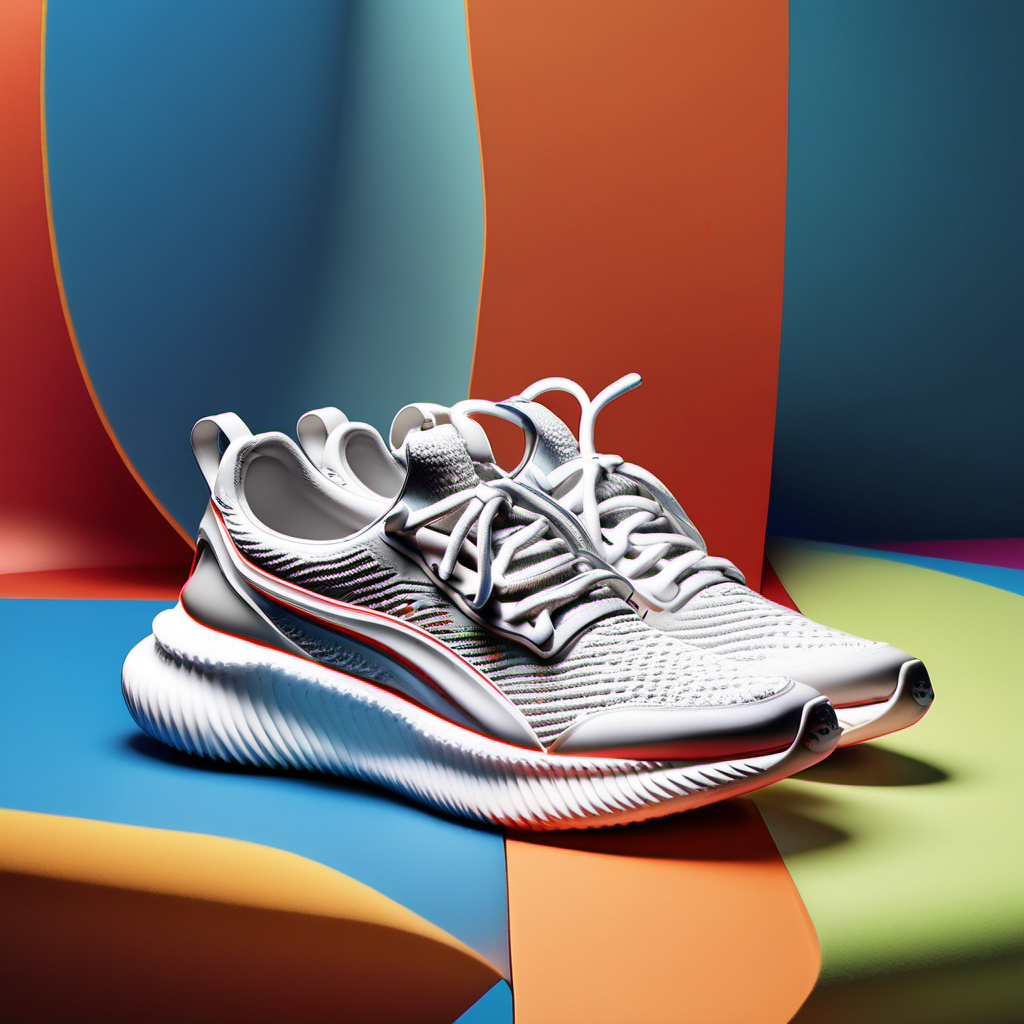
Foam technology has become a cornerstone of modern sneaker design, reshaping how athletes and everyday wearers experience comfort, support, and durability. Over the past few decades, advances in polymer science and manufacturing have moved far beyond the simple ethylene‑vinyl acetate (EVA) midsoles of the 1970s. Today’s sneakers often feature proprietary blends, engineered cell structures, and even bio‑based materials that aim to deliver a personalized feel while addressing performance demands and environmental concerns. This article explores the evolution of foam in footwear, the core materials that dominate the market, the ways foam influences comfort and performance, sustainability efforts, practical guidance for selecting the right foam for various activities, care tips to extend the life of foam‑based sneakers, and a look at emerging trends that could define the next generation of athletic shoes.
1. The Evolution of Sneaker Foam
The journey of sneaker foam began with basic rubber and crepe soles that offered minimal cushioning. In the early 1970s, EVA entered the market as a lightweight alternative, providing a noticeable step up in shock absorption while keeping the shoe flexible. EVA’s open‑cell structure allowed manufacturers to tune density by adjusting the ratio of ethylene to vinyl acetate, creating softer or firmer rides as needed. By the 1990s, polyurethane (PU) foam gained popularity for its durability and resistance to compression set, making it a favorite for basketball and training shoes that endured repeated high‑impact landings.
As consumer expectations grew, brands started experimenting with blended foams and layered constructions. A common approach combined a soft EVA top layer for immediate comfort with a denser PU base for long‑term support. The turn of the millennium saw the rise of thermoplastic polyurethane (TPU) inserts and foam capsules, which added targeted responsiveness without sacrificing overall cushioning. More recently, the focus shifted to engineered cellular geometries—such as hexagonal, lattice, or gradient designs—that manipulate air flow and energy return at a microscopic level. These innovations have allowed designers to fine‑tune the feel of a shoe for specific sports, foot types, and personal preferences.
2. Core Foam Materials Used Today
Modern sneaker foams fall into several broad categories, each with distinct characteristics that influence how the shoe feels underfoot.
- Ethylene‑vinyl acetate (EVA): Still the most widely used foam due to its low cost, light weight, and ease of molding. EVA can be varied in density from very soft (around 20 kg/m³) to relatively firm (up to 100 kg/m³). It offers good initial cushioning but tends to compress permanently over time, a phenomenon known as compression set.
- Polyurethane (PU): Denser and more resilient than EVA, PU retains its shape longer and provides a firmer, more supportive feel. It is often used in the heel or midfoot areas where stability is paramount. PU’s higher weight can be a drawback for runners seeking minimal mass.
- Thermoplastic polyurethane (TPU): Although technically an elastomer, TPU is frequently used in foam‑like forms such as inflated beads or honeycomb structures. TPU offers high energy return, excellent abrasion resistance, and a snappy response that benefits explosive movements.
- Polyether block amide (PEBA): Marketed under names like Pebax®, PEBA combines the flexibility of polyether with the strength of polyamide. It is lightweight, highly elastic, and maintains performance across a wide temperature range, making it popular in premium running shoes.
- Bio‑based foams: Derived from renewable resources such as castor oil or algae, these foams aim to reduce reliance on petrochemicals. While still a small fraction of the market, bio‑based options are improving in durability and performance, appealing to environmentally conscious consumers.
- Hybrid and proprietary blends: Many brands develop custom formulations that combine two or more of the above materials, often adding reinforcing fibers, gases, or phase‑change additives to tweak specific attributes like breathability, cooling, or energy return.
3. How Foam Technology Enhances Comfort
Comfort in a sneaker is not merely a subjective feeling of softness; it results from the interaction between foam properties, foot anatomy, and movement dynamics. Several mechanisms contribute to the perception of comfort:
- Impact attenuation: When the foot strikes the ground, kinetic energy must be absorbed to reduce stress on joints and soft tissues. Foam with an appropriate density and cell structure compresses to disperse that energy over a longer period, lowering peak forces.
- Pressure distribution: A well‑designed midsole spreads load across a larger surface area, preventing hot spots that can cause blisters or discomfort. Variable density zoning—softer under the forefoot, firmer under the heel—helps match the natural pressure profile of the gait cycle.
- Temperature regulation: Some foams incorporate open‑cell designs or cooling gels that facilitate airflow and wick moisture away from the foot, keeping the internal climate more stable during prolonged activity.
- Adaptive fit: Advanced foams can exhibit a degree of memory or slow‑recovery behavior, gently conforming to the unique contours of an individual’s foot over time. This personalized fit reduces friction and enhances the sense of being “cradled” by the shoe.
Practical examples illustrate these principles. A runner logging 30 km per week may notice that a shoe with a dual‑density EVA/PU midsole feels plush at toe‑off yet stable during heel strike, reducing calf fatigue. A basketball player making frequent lateral cuts might benefit from a TPU‑based lattice in the forefoot that returns energy quickly, giving a snappy feel without sacrificing ankle support.
4. Impact on Athletic Performance and Injury Prevention
While comfort is a primary driver, foam technology also influences measurable performance metrics and can play a role in reducing injury risk. Research in sports biomechanics has shown that midsole properties affect:
- Energy return: The proportion of impact energy that is returned to the athlete during push‑off. Higher energy return can improve running economy, meaning less oxygen consumption at a given speed.
- Ground contact time: Softer foams may lengthen the time the foot spends on the ground, which can be beneficial for endurance athletes seeking smoother transitions but potentially detrimental for sprinters who need rapid turnover.
- Stability and motion control: Firmer foam or strategically placed support plates can limit excessive pronation or supination, helping maintain proper alignment and reducing strain on ligaments and tendons.
It is important to note that foam alone does not guarantee injury prevention. Proper training load, strength conditioning, and individual biomechanics remain critical factors. However, selecting a shoe whose foam characteristics match the demands of a specific sport can contribute to a more comfortable and efficient movement pattern.
For example, a long‑distance runner might choose a shoe with a lightweight PEBA foam that offers high energy return and low weight, potentially improving race times over months of training. Conversely, a weightlifter performing heavy squats may prefer a dense PU base that provides a stable platform, minimizing unwanted compression that could affect balance.
5. Sustainability Efforts in Foam Manufacturing
The environmental footprint of sneaker production has attracted increasing scrutiny, prompting manufacturers to explore greener foam options. Several strategies are currently in use or under development:
- Bio‑based raw materials: Replacing a portion of petroleum‑derived polyols with oils from castor beans, soy, or algae reduces reliance on fossil fuels. Early bio‑based EVA and PU formulations have shown comparable performance to conventional versions while lowering carbon emissions.
- Recycled content: Post‑consumer recycled PET (rPET) or reclaimed foam scraps can be reprocessed into new midsole pellets. Closed‑loop recycling programs collect used shoes, separate the foam, and remold it into components for future products.
- Water‑based blowing agents: Traditional foam production often uses chemical blowing agents that release volatile organic compounds (VOCs). Switching to water or CO₂ as blowing agents cuts emissions and improves workplace safety.
- Design for disassembly: Creating midsoles that can be easily separated from uppers and outsoles simplifies recycling at the end of a product’s life. Some brands now use interlocking tabs or reversible adhesives instead of permanent glues.
- Life‑cycle assessment (LCA) guided development: Companies employ LCA tools to quantify the environmental impact of different foam formulations, guiding decisions toward options that minimize overall harm while meeting performance targets.
Consumers can support these efforts by looking for certifications such as the Global Recycled Standard (GRS), bluesign® approval, or specific brand‑run sustainability labels when purchasing new sneakers.
6. Matching Foam Types to Your Activity
Choosing the right foam begins with understanding the primary demands of your chosen activity. Below is a practical guide to help you match foam characteristics to common use cases:
- Running (road or trail): Prioritize lightweight, responsive foams with good energy return. PEBA‑based midsoles or advanced EVA blends with added gas cells (e.g., nitrogen‑infused) work well for long distances. For trail running, consider a slightly denser foam in the forefoot to protect against rocks and roots, paired with a protective outsole.
- Basketball and court sports: Look for a combination of cushioning and lateral stability. A firmer PU or TPU heel unit helps absorb landing impact, while a responsive forefoot (often TPU or PEBA) aids quick cuts and jumps. Some models incorporate a medial post of denser foam to control pronation.
- Cross‑training and gym workouts: Versatility is key. A medium‑density EVA core provides baseline comfort, while removable foam inserts or adjustable straps let you tune the feel for weightlifting versus cardio circuits. Foam that resists compression set is beneficial for repetitive lifting movements.
- Walking and casual wear: Comfort and durability take precedence. A soft, slow‑recovery EVA or memory‑foam‑like layer offers plush feel for all‑day wear, while a durable outsole extends the shoe’s lifespan. Breathable foam designs help keep feet fresh during extended periods on your feet.
- Sport‑specific needs (e.g., cycling, hiking): Cycling shoes benefit from a thin, stiff foam layer that transfers power efficiently without excessive compression. Hiking boots often use a dual‑density approach: a cushioned midsole for comfort on uneven terrain, paired with a supportive shank and a rugged outsole.
When trying on shoes, walk or jog briefly on a hard surface to gauge how the foam responds. Pay attention to any pressure points, the sense of “bottoming out” (when the foam feels too soft and you feel the ground), or excessive rigidity that might hinder natural foot motion.
7. Caring for Foam‑Based Sneakers
Proper maintenance can significantly extend the life of the foam midsole and preserve its performance characteristics. Follow these steps to keep your sneakers in optimal condition:
- Regular cleaning: Remove surface dirt with a soft brush or cloth. For deeper cleaning, use a mild soap solution and lukewarm water; avoid soaking the foam, as prolonged moisture can weaken the polymer structure. After washing, stuff the shoes with paper towels to help retain shape and allow them to air dry away from direct heat or sunlight.
- Rotation: If you train frequently, consider rotating between two pairs of shoes. Giving the foam at least 24 hours to fully recover between uses reduces permanent compression set and maintains cushioning.
- Storage: Keep shoes in a cool, dry place. Extreme temperatures—especially heat—can accelerate foam degradation. Avoid leaving sneakers in a hot car or near radiators.
- Inspect for wear: Periodically check the midsole for visible creasing, hardening, or uneven compression. If the foam feels noticeably less responsive or shows signs of cracking, it may be time to replace the shoe, even if the outsole looks fine.
- Avoid harsh chemicals: Solvents, bleach, or strong detergents can break down foam cells. Stick to gentle cleaning agents designed for athletic footwear.
By treating the foam with care, you can preserve its intended feel and delay the need for premature replacement, which also benefits the environment.
8. Future Directions in Foam Innovation
The next wave of sneaker foam technology is likely to be shaped by advances in material science, digital manufacturing, and sustainability goals. Several emerging trends show promise:
- 3D‑printed midsoles: Additive manufacturing allows precise control over cell geometry, density gradients, and internal lattice structures that would be difficult or impossible with traditional molding. Brands can now produce midsoles tailored to an individual’s gait scan, offering a truly customized cushioning profile.
- Graphene‑enhanced foams: Incorporating graphene nanoparticles into EVA or PU matrices can improve strength, thermal conductivity, and barrier properties while keeping weight low. Early prototypes suggest enhanced durability and better heat dissipation during intense activity.
- Shape‑memory polymers: These foams can return to a predefined shape after deformation when exposed to a stimulus such as body heat. This could enable midsoles that adapt dynamically to changes in foot swelling or temperature throughout a workout.
- Living bio‑foams: Researchers are exploring foams infused with microorganisms that can self‑repair minor damage by producing polymeric substances. While still experimental, such bio‑active materials could dramatically extend product lifespans.
- Circular design initiatives: Beyond material innovation, companies are designing shoes with end‑of‑life in mind—using mono‑material midsoles that can be easily recycled, or offering take‑back programs that convert used foams into new products or even playground surfaces.
Staying informed about these developments can help consumers make forward‑thinking choices that align with both performance aspirations and environmental values.
Frequently Asked Questions
What is the main difference between EVA and PU foam in sneakers?
EVA is generally lighter and softer, providing immediate cushioning but tends to compress permanently over time. PU is denser, more resilient, and retains its shape longer, offering a firmer, more supportive feel that resists compression set better than EVA.
Can foam technology really help prevent injuries?
Foam can reduce impact forces and improve pressure distribution, which may lower stress on joints and soft tissues. However, injury prevention depends on many factors including training load, strength, technique, and individual biomechanics; foam is just one piece of the puzzle.
Are bio‑based foams as durable as traditional petro‑based foams?
Modern bio‑based foams have closed the performance gap significantly. While early versions sometimes lagged in durability, current formulations using castor‑oil or algae‑derived polyols offer comparable lifespan and cushioning properties to conventional EVA or PU, especially when optimized for specific applications.
How often should I replace my running shoes based on foam wear?
A common guideline is to replace running shoes after 500‑800 kilometres (300‑500 miles) of use, but this varies with runner weight, gait, and shoe model. Pay attention to signs such as noticeable loss of bounce, visible creasing or hardening of the midsole, or increased discomfort during runs.
Is it safe to wash foam sneakers in a washing machine?
Machine washing is not recommended because the agitation and prolonged soaking can damage the foam structure and adhesives. Hand cleaning with mild soap and air drying is the safest method to preserve the shoe’s integrity.
Related posts:
 Smart Shoe Shopping Tips Everyone Should Know
 Hoka Bondi 8: Maximum Cushioning Review
 Step Into Compassion: The Best Vegan Shoe Brands Making Waves
 Can You Really Wear Street Sneakers at the Gym?
 White Sneaker Cleaning Hack
 Guide to HOKA Sneakers
 Birkenstock EVA: Lightweight Comfort for Summer
 Spring Step-Up: The Season’s Freshest Sneakers for Every Workout and Lifestyle