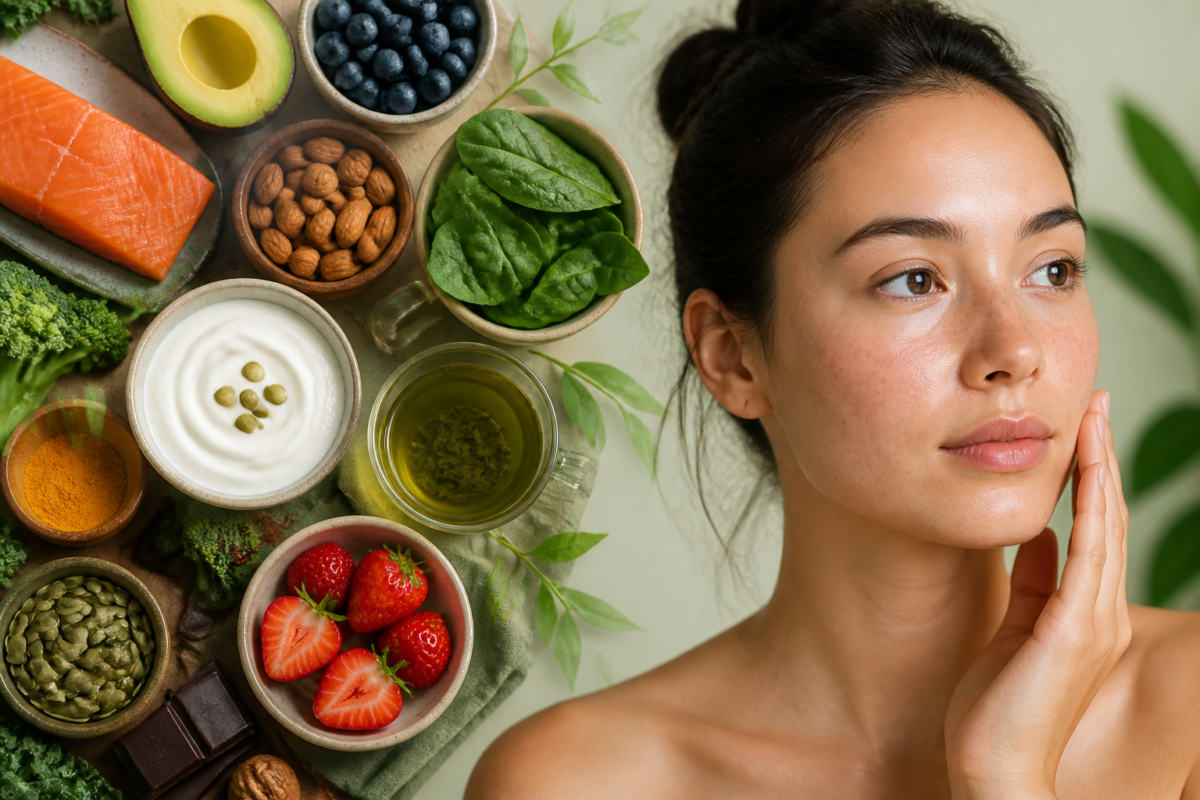
Managing acne is a complex journey that often begins in the skincare aisle, yet many dermatologists now emphasize that the most effective treatments often start in the kitchen. While acne is a multifactorial condition influenced by genetics, hormones, and topical hygiene, nutritional choices play a significant role in systemic inflammation and sebum production. By focusing on nutrient-dense, whole foods, you can support your skin’s barrier function and address the root causes of breakouts from the inside out.
The Connection Between Glycemic Index and Skin Health
One of the most well-documented links in dermatological nutrition is the relationship between high-glycemic-index (GI) foods and acne severity. Foods that cause rapid spikes in blood sugar—such as white bread, sugary cereals, and processed snacks—trigger a spike in insulin. Elevated insulin levels stimulate the production of androgens and increase the secretion of sebum, the oily substance that clogs pores. By swapping refined carbohydrates for complex alternatives like quinoa, brown rice, and sweet potatoes, you stabilize blood sugar levels, which in turn helps regulate oil production. Prioritizing low-GI foods is not just about weight management; it is a fundamental pillar of acne-conscious eating.
The Role of Omega-3 Fatty Acids in Reducing Inflammation
Acne is fundamentally an inflammatory condition. To combat this, your diet must include adequate amounts of anti-inflammatory agents, specifically Omega-3 fatty acids. Found abundantly in fatty fish like salmon, mackerel, and sardines, as well as in plant-based sources like walnuts, flaxseeds, and chia seeds, Omega-3s work by inhibiting the production of inflammatory proteins. Unlike Omega-6 fatty acids, which are often over-consumed in the modern Western diet and can promote inflammation, Omega-3s help soothe the skin and reduce the redness associated with active lesions. Incorporating a serving of fatty fish twice a week or adding a tablespoon of ground flaxseed to your morning smoothie can provide the essential lipids needed for a healthy complexion.
Zinc-Rich Foods for Cellular Repair
Zinc is a critical mineral for skin health, known for its ability to regulate the immune system and promote cellular repair. Studies have shown that individuals struggling with acne often have lower blood levels of zinc compared to those with clear skin. Zinc helps reduce the growth of Cutibacterium acnes, the bacteria responsible for many inflammatory breakouts. Excellent food sources of zinc include pumpkin seeds, lentils, chickpeas, and grass-fed beef. Because zinc is best absorbed when consumed in small amounts throughout the day, incorporating these foods into regular meals rather than relying on high-dose supplements is often the safer, more effective route for long-term skin maintenance.
Harnessing the Power of Antioxidants
Oxidative stress occurs when free radicals damage skin cells, leading to inflammation and accelerated aging. Antioxidants act as the body’s defense mechanism, neutralizing these harmful molecules. Vitamins A, C, and E are the gold standard for skin-clearing antioxidants. Vitamin A, found in beta-carotene-rich foods like carrots, sweet potatoes, and spinach, helps regulate skin cell turnover, preventing the buildup of dead cells that clog pores. Vitamin C, abundant in citrus fruits, bell peppers, and strawberries, is essential for collagen synthesis and wound healing. Vitamin E, found in almonds, sunflower seeds, and avocado, protects the skin barrier from environmental damage. A rainbow-colored plate ensures a wide spectrum of these protective compounds.
Probiotics and the Gut-Skin Axis
The gut-skin axis is a rapidly expanding field of research that suggests the health of your microbiome directly influences your skin. An imbalance in gut bacteria can lead to systemic inflammation, which manifests as acne. Fermented foods such as kimchi, sauerkraut, kefir, and plain Greek yogurt provide beneficial probiotics that support a diverse and healthy gut environment. By improving digestion and reducing systemic inflammation, these foods can help minimize the frequency and severity of breakouts. Consistency is key; incorporating a small portion of fermented vegetables or yogurt into your daily routine can help cultivate a resilient internal environment that benefits your skin.
Hydration and Skin Barrier Integrity
While water is not a direct “cure” for acne, it is essential for the detoxification process and the maintenance of the skin’s lipid barrier. Dehydration can cause the skin to produce excess oil to compensate for the lack of moisture, leading to clogged pores. Beyond plain water, you can hydrate through food by consuming water-rich fruits and vegetables like cucumbers, celery, watermelon, and zucchini. These foods also provide essential electrolytes and micronutrients that support skin elasticity. Aiming for consistent hydration throughout the day helps keep skin cells plump and facilitates the efficient removal of metabolic waste products from the body.
Identifying and Managing Dietary Triggers
While nutrient-dense foods are beneficial, identifying potential triggers is equally important. For many, dairy—particularly skim milk—has been linked to increased acne due to the presence of hormones and growth factors that can stimulate sebaceous glands. Others may find that excessive intake of processed vegetable oils or certain whey protein powders exacerbates their symptoms. The best approach is to maintain a food journal for 30 days, noting both your dietary intake and any changes in your skin. This process of elimination can help you determine if your skin is sensitive to specific food groups, allowing you to tailor your nutrition plan to your unique biological needs.
Practical Daily Strategies for Skin-Supportive Meals
Transitioning to an acne-conscious diet doesn’t require drastic deprivation. Start by upgrading your snacks; replace chips with a handful of raw walnuts or pumpkin seeds. Replace sugary beverages with herbal teas like spearmint tea, which has been shown in some studies to help balance androgen levels in women. When cooking, prioritize methods like steaming, baking, or poaching rather than deep-frying, as high-heat cooking can produce compounds that contribute to inflammation. By making small, sustainable changes to your daily habits, you create a long-term nutritional foundation that supports not just clearer skin, but overall vitality.
The Impact of Micronutrient Bioavailability and Synergy
Understanding nutritional acne management requires looking beyond the presence of vitamins; it necessitates an understanding of nutrient synergy. For instance, the absorption of Vitamin A—a fat-soluble nutrient essential for preventing follicular hyperkeratinization—is significantly compromised if consumed without healthy fats. An individual eating a bowl of raw carrots without an accompanying fat source like avocado or olive oil may fail to absorb the beta-carotene necessary to regulate sebum production. Similarly, iron, which is vital for oxygenating skin cells, requires Vitamin C for optimal absorption. When designing skin-supportive meals, focus on ‘nutrient pairing’ to maximize the bioavailability of your food. Pair your leafy greens with a squeeze of lemon or a splash of balsamic vinegar to enhance mineral uptake, and always include a healthy fat source when consuming orange-pigmented vegetables. This strategic approach ensures that your body is not just receiving nutrients, but actively utilizing them to repair the dermal matrix.
Managing the Insulin-IGF-1 Axis Through Dietary Fiber
While the glycemic index provides a baseline for blood sugar management, the total fiber content of a meal acts as a secondary, equally vital mechanism for acne control. Fiber, particularly soluble fiber found in oats, beans, and pears, slows the rate of gastric emptying. This creates a more gradual rise in blood glucose and, consequently, a lower release of Insulin-Like Growth Factor-1 (IGF-1). IGF-1 is a peptide hormone that directly stimulates the proliferation of skin cells and the production of sebum within the oil glands. By increasing dietary fiber intake to at least 25-30 grams per day, you create a physical buffer that prevents the post-prandial insulin surges that trigger breakouts. Consider replacing refined flour-based sides with legumes or cruciferous vegetables; these high-fiber options not only stabilize your internal chemistry but also encourage the excretion of excess hormones, further reducing the systemic triggers for cystic acne.
The Role of Polyphenols in Sebum Oxidation
Acne is not merely about the amount of sebum produced, but the quality of that sebum. When sebum undergoes oxidation—often due to high levels of free radicals in the skin—it becomes comedogenic, meaning it is more likely to irritate the follicular lining and trigger an inflammatory response. Polyphenols, the compounds that give berries, green tea, and dark cocoa their vibrant colors, act as potent inhibitors of sebum oxidation. Epigallocatechin-3-gallate (EGCG), found in high concentrations in green tea, has been specifically identified in studies for its ability to reduce sebum production and decrease the size of sebaceous glands. Integrating a cup of green tea or a handful of berries into your mid-day ritual provides a targeted antioxidant defense that keeps your natural oils stable and less likely to cause a blockage in the pore, effectively ‘calming’ the skin from the inside.
Navigating the Omega-6 to Omega-3 Ratio
The modern diet is frequently characterized by an overabundance of Omega-6 fatty acids, commonly found in processed seed oils like soybean, corn, and sunflower oil. While Omega-6s are essential, an excessive ratio of Omega-6 to Omega-3 triggers a pro-inflammatory state that exacerbates inflammatory acne. To rebalance this ratio, one must focus on both ‘adding’ and ‘subtracting.’ While increasing Omega-3 intake is vital, it is equally important to minimize the consumption of highly processed, shelf-stable oils often found in restaurant frying and packaged snacks. Opting for extra virgin olive oil, avocado oil, or macadamia nut oil for cooking provides more stable monounsaturated fats that are less prone to oxidation during the heating process. By shifting your kitchen staples away from industrial seed oils, you effectively lower the ‘inflammatory ceiling’ of your body, making it significantly easier to manage persistent redness and swelling.
The Influence of Iodine and Trace Mineral Balance
While minerals like zinc are universally praised for skin health, the role of iodine is more nuanced and often overlooked. Iodine is necessary for thyroid function, but an excess of iodine—often found in iodized salt, processed seaweeds, and some dairy products—can induce or worsen acne in sensitive individuals. This is known as the ‘iodine-acne’ phenomenon. If you find that your skin reacts poorly to seafood or excessive supplement use, you may be experiencing a sensitivity to high-iodine intake. The key is balance; avoid relying on processed foods that have been artificially fortified with iodine, and instead source your minerals from whole, unprocessed foods like lentils, eggs, and wild-caught fish, which provide a naturally balanced mineral profile. Monitoring your intake of processed salts can be a transformative step for those who have exhausted other dietary interventions without success.
Targeting Hormonal Fluctuations with Phytoestrogens
For individuals whose acne follows a distinct hormonal cycle, incorporating moderate amounts of dietary phytoestrogens can offer a gentle, natural way to modulate androgenic activity. Phytoestrogens, such as the lignans found in flaxseeds and the isoflavones in fermented soy products like tempeh, can bind to estrogen receptors. In some cases, this can provide a mild antagonistic effect against the stronger androgens that stimulate oil glands. It is important to note that this is not about hormonal manipulation but about supporting the body’s endocrine homeostasis. Adding a tablespoon of freshly ground flaxseed to your morning oatmeal is a simple, effective way to introduce these compounds into your system. When combined with a low-glycemic diet, these plant-based modulators help smooth out the hormonal ‘peaks’ that typically lead to flare-ups during specific times of the month.
Frequently Asked Questions
Q: Does eating chocolate cause acne?
A: The evidence regarding chocolate is nuanced. Pure, high-percentage dark chocolate (70% cocoa or higher) is rich in antioxidants and generally does not exacerbate acne. However, milk chocolate contains high levels of sugar and dairy, both of which are known triggers for many people. If you enjoy chocolate, opt for dark varieties with minimal added sugar.
Q: How long does it take to see skin improvements after changing my diet?
A: Skin cells have a turnover cycle of approximately 28 to 40 days. While you may notice reduced inflammation or oiliness within a week or two, it generally takes at least one to two full skin cycles—about two to three months—to see significant, lasting improvements in acne breakouts.
Q: Is it necessary to go completely dairy-free to clear my skin?
A: Not everyone needs to eliminate dairy entirely. However, many people find that reducing dairy consumption—especially skim milk—leads to a noticeable improvement. It is recommended to try a four-week elimination period to see if your skin responds positively, then slowly reintroduce it to gauge your personal sensitivity.
Q: Can supplements replace a healthy diet for acne?
A: Supplements should be viewed as a secondary support system, not a replacement for a whole-food diet. Whole foods provide a complex matrix of vitamins, minerals, and phytonutrients that work synergistically. Supplements lack this complexity and cannot replicate the multifaceted benefits of a nutrient-dense eating plan.
Q: Does drinking more water actually clear acne?
A: While drinking water is vital for general health and skin hydration, it is not a “magic bullet” for acne. If your acne is caused by hormonal imbalances or inflammation, water alone will not resolve it. However, proper hydration supports the body’s natural detoxification pathways and helps maintain a healthy skin barrier, which is essential for healing.
Related posts:
 Signs You Might Have an Iodine Deficiency
 Understanding Sebum Plugs
 The Best Toners for Acne-Prone Skin That Won’t Strip Your Face
 Best Sources of Zinc in Your Diet
 Too Clean for Comfort: Why Being Squeaky Clean Might Be Bad for Your Skin
 Perfect Nutrient Combinations
 Daily Anti-Inflammatory Tips
 The Sneaky Foods That Are Sabotaging Your Clear Skin Goals