
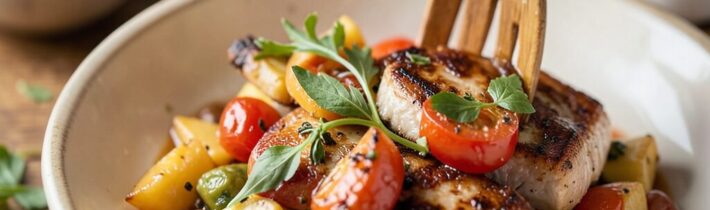
Anyone scrolling through Instagram or Pinterest has seen them: perfectly plated dishes bathed in golden-hour light, intricate recipes with flawless execution, and creators who seem to live in spotless, artfully cluttered kitchens. The world of food blogging and content creation looks like a dream—a blend of culinary artistry, creative freedom, and, for the successful few, a lucrative career. But behind every glossy photo of avocado toast is a reality rarely showcased in the feed. This is that story.
Food blogging is equal parts passion project, small business, and endurance test. It’s about much more than just loving food. It involves photography, writing, website management, marketing, accounting, and relentless adaptability to algorithm changes. The gap between perception and reality is vast, and understanding it is crucial whether you’re a fan, an aspiring creator, or just curious about how your favorite recipes make it to your screen.
The Glossy Surface: What Everyone Sees
The public-facing side of food blogging is meticulously curated. It’s the final 10% of a 100% process. This includes the stunning final photography, the engaging recipe video that ends with a perfect forkful, the beautifully formatted blog post, and the cohesive social media feed. Success stories highlighted are often those of bloggers who turned their passion into full-time income, landed cookbook deals, or secured brand partnerships. This visible layer creates the aspirational “dream job” narrative, focusing on creativity, flexibility, and the joy of sharing food.
The Unseen Kitchen: The Work Behind the Photo
Before a recipe is ever published, it undergoes a grueling process. Recipe development is science. A simple cookie might require 5-10 test batches to perfect texture, sweetness, and consistency. Ingredients are measured with scientific precision, conditions are noted (humidity can ruin your bake!), and failures are routine. That “one-bowl” cake shown in a 60-second video likely required multiple bowls, a messy kitchen, and several dense or sunken trials that ended up as less-photogenic snacks.
Then comes the photoshoot. Food is notoriously difficult to photograph. It wilts, melts, sweats, and loses its steam—literally. A food photographer might have 15 minutes after cooking to capture the perfect shot before a salad goes limp or a sauce thickens. This involves frantic styling, adjusting props, battling changing light, and taking hundreds of nearly identical photos to get a handful of usable ones. The kitchen after a shoot often looks like a culinary war zone, not a Pinterest board.
The Business Engine: It’s Not Just Cooking
Treating a food blog as a hobby is one thing; treating it as a business is another. The majority of a professional food blogger’s time is spent on tasks unrelated to cooking or eating.
- Website Management: This includes search engine optimization (SEO) so recipes can be found on Google, technical troubleshooting, site speed optimization, and plugin updates. A site crash during a peak traffic period can mean significant lost income.
- Content Marketing & Social Media: Creating the recipe is only step one. It must then be promoted across multiple platforms (Pinterest, Instagram, Facebook, TikTok), each with its own best practices, algorithms, and audience expectations. This is a daily, time-consuming effort.
- Email Lists & Community Building: Growing and engaging an email subscriber list is critical for sustainable traffic that isn’t at the mercy of social media algorithms.
- Monetization Hustle: Income streams are diverse and often unstable: display advertising (which pays per thousand page views), affiliate marketing (earning commissions on linked kitchen tools or ingredients), sponsored content (working with brands), and digital product sales (e.g., e-cookbooks). Each requires negotiation, contracts, and fulfillment.
The Financial Reality: Feast or Famine
The fantasy of immediate profitability is just that—a fantasy. Most food bloggers operate at a loss for the first 1-2 years, investing in quality cameras, lenses, props, website hosting, and premium software before seeing any return. Income is irregular and highly sensitive to external factors. A Google algorithm update can wipe out 40% of a site’s traffic overnight. Seasonal trends mean summer salad recipes boom while traffic to hearty stews plummets.
Sponsored content can provide chunks of income, but it also comes with creative compromises, stringent brand guidelines, and the ethical responsibility of maintaining authenticity with an audience. The pressure to constantly produce high-volume content to fuel ad revenue can lead to burnout and a decline in quality.
The Physical and Mental Plate: Burnout is Common
The lifestyle can be physically taxing. Long hours are spent standing in the kitchen, often cooking multiple heavy meals in a single day for testing and shooting. The constant presence of food can lead to disordered eating patterns or a complicated relationship with food, as it transforms from nourishment to a product and a prop.
Mentally, the always-on nature of content creation and the pressure of public feedback are significant. Negative comments on a recipe, even if unfounded, can be deeply personal. The comparison trap fueled by other creators’ highlighted reels is pervasive. The line between personal life and work disappears when your kitchen is your office and your family meals are potential content. Without strict boundaries, burnout is not a risk—it’s an inevitability.
The Authenticity Dilemma: Curated vs. Real
Audiences crave authenticity, yet the mechanics of successful content creation often require curation. This creates a constant tension for the creator. Do you show the messy kitchen and the failed cake? Or do you only present the polished, aspirational result that performs better algorithmically? Most bloggers find a middle ground, sharing occasional “behind-the-scenes” moments to build connection while keeping their primary content to a high production standard. This balancing act is a core, unspoken challenge of the job.
Is It Still Worth It? The Real Rewards
Despite the hidden struggles, people continue to pursue food blogging for profound reasons that go beyond income.
- Creative Fulfillment: It combines writing, photography, cooking, and styling into one unique creative outlet.
- Community Impact: There is genuine joy in receiving a message from someone who cooked your recipe for their family’s celebration or finally nailed a technique because of your guidance.
- Legacy & Sharing Culture: For many, it’s a way to preserve and share family recipes, culinary heritage, and personal food stories with a global audience.
- Continuous Learning: The field demands constant growth in culinary skills, photography, videography, and digital marketing.
The reward is not a life of leisurely cooking. It’s the satisfaction of building something from scratch, connecting with a global community over a universal love of food, and mastering a wide array of hard and soft skills.
Practical Steps for Aspiring Food Bloggers
If the reality hasn’t deterred you and you’re drawn to the real work, here’s how to start with clear eyes:
- Start as a Project, Not a Business: Focus on learning and creating for 6-12 months. Master recipe writing, basic food photography with your phone, and consistent posting. The goal is skill-building, not revenue.
- Invest Strategically: Your first investments should be a good tripod, natural lighting equipment (like a simple reflector), and reliable website hosting. You don’t need a professional camera on day one.
- Define Your Niche: “Food” is too broad. Are you about 30-minute weeknight dinners, authentic regional cuisine, or plant-based baking? A clear niche helps you stand out and attract a dedicated audience.
- Learn Basic SEO from Day One: Use clear, keyword-rich recipe titles, write detailed, helpful blog posts, and structure your recipes correctly for search engines. This is the most reliable long-term traffic source.
- Set Boundaries Early: Designate cooking/shooting days versus admin days. Keep family meals sacred and off-camera when needed. Schedule social media time to prevent it from consuming your whole day.
- Embrace the Process, Not Just the Outcome: Find joy in the testing, the learning, and the small improvements. If you only enjoy the moment of viral success, you’ll be miserable through the 99% of the journey that isn’t that.
The Unspoken Skillset: Beyond the Recipe Card
While culinary knowledge forms the foundation, successful food blogging demands proficiency in a dozen adjacent disciplines that rarely appear in “day in the life” reels. Technical food science is paramount; understanding how proteins denature, starches gelatinize, and emulsions stabilize is what transforms a collection of ingredients into a reliable, reproducible recipe. This knowledge allows a blogger to troubleshoot a reader’s failed hollandaise from another continent, diagnosing whether the issue was temperature, whisking speed, or acid balance. Similarly, a deep grasp of ingredient functionality is non-negotiable. Knowing that mashed banana can replace an egg in a bind, or that the protein content of different flours dramatically alters gluten development, elevates content from mere instruction to authoritative guidance. This expertise is often built through systematic study—poring over textbooks like “On Food and Cooking,” completing food science courses, or methodically deconstructing classic techniques until their underlying principles are second nature.
Parallel to this is visual literacy. Food styling is not merely arranging items prettily; it’s a language of visual cues that communicates freshness, texture, and desirability. The strategic placement of a dripped sauce, the artful scattering of crumbs, or the choice between a rustic wooden board and a sleek marble slab each tell a different story about the food. Stylists develop an intuition for color theory—using complementary colors (like red strawberries on a green plate) to make dishes pop, or analogous color schemes for a soothing, cohesive look. They become masters of texture contrast, pairing the glossy sheen of a glaze with the matte roughness of a linen napkin, or the crisp edge of a cracker with the soft mound of a dip. This skill is honed through the study of painting composition, photography, and endless experimentation with props and surfaces, often requiring a dedicated storage space that looks more like a prop house than a pantry.
Perhaps the most underestimated skill is technical writing under constraint. Recipe writing follows a strict, unspoken grammar designed for clarity and safety. Ingredients must be listed in the order of use, with precise measurements (weight in grams being the gold standard for baking). The method must be a sequence of imperative, unambiguous commands (“Whisk,” “Fold,” “Bake until…”) that assumes no prior knowledge. This demands a mental process of reverse-engineering one’s own intuitive cooking into fail-safe steps, anticipating every possible point of confusion—from what “softened butter” looks like, to how to tell if pasta is “al dente.” Furthermore, the accompanying blog post narrative must weave in personal anecdote, cultural context, or serving suggestions without distracting from the recipe’s scannable core. This tightrope walk between engaging storytelling and utilitarian instruction is a unique literary form that takes years to perfect.
The Logistics of a Test Kitchen: Systems Over Spontaneity
The romantic notion of “whipping up” a recipe for the blog is dispelled by the rigorous, systematized operation a professional kitchen must become. Ingredient procurement is a constant logistical puzzle. Sourcing photographable produce—uniformly sized berries, unblemished herbs, perfectly ripe avocados—often requires relationships with specialty grocers or farmers’ markets, and always involves buying in multiples to account for imperfections. For bakers, flour types (cake, bread, all-purpose, 00), butter brands (which have differing water contents), and even the batch of chocolate can affect outcomes, necessitating obsessive consistency in supplies. Many bloggers maintain detailed ingredient logs, noting the protein percentage of their standard flour or the exact brand of vanilla used in all testing, creating a controlled environment akin to a lab.
The workflow itself is a meticulously choreographed sequence designed to maximize efficiency and minimize waste. A typical recipe development day is blocked into phases: morning for market runs and mise en place; midday for the primary test bake or cook, with strict note-taking on variables (oven thermometer readings, exact times, ambient humidity); afternoon for the first round of photography under consistent natural light; and evening for a second test, often adjusting one variable at a time. Food waste is a significant ethical and financial concern, leading to elaborate systems for repurposing. Failed bread becomes breadcrumbs or strata. Over-ripe test batch fruits are blended into smoothies or turned into compotes for future shoots. Vegetable trimmings are frozen for stock. This requires a mindset shift where food is never just a meal; it is a potential asset, a prop, or a future ingredient, demanding organizational skills that rival a restaurant kitchen manager’s.
Equipment management adds another layer of complexity. Beyond the obvious camera gear, the kitchen is filled with specialized, often single-use tools: a batter dispenser for perfectly uniform cookies, a ring light for overhead shots, a collection of backdrops and surfaces, a studio stand for shooting pouring shots, and a plethora of plates, bowls, and cutlery curated for specific aesthetics. Maintaining, storing, and cleaning this arsenal is a constant task. Furthermore, tech stack management is relentless: ensuring recipe plugins, SEO tools, email service providers, and social media schedulers all interoperate smoothly. A single update to a WordPress plugin can break a recipe card’s formatting, turning a morning of creative work into an afternoon of frantic troubleshooting. The reality is that for every hour spent creatively cooking, another two are spent in logistics, sanitation, and tech support.
The Algorithmic Treadmill: Chasing Visibility in a Shifting Landscape
Traffic is the lifeblood of a food blog, and securing it means playing a never-ending game dictated by opaque, changing algorithms. Google’s search algorithm, the most important source of sustainable “evergreen” traffic, prioritizes experience, expertise, authoritativeness, and trustworthiness (E-E-A-T). This translates into an exhaustive behind-the-scenes effort: structuring data with detailed schema markup so recipes appear as rich snippets in search results; building a backlink profile through guest posts and media mentions to signal authority; and crafting content that comprehensively answers a searcher’s query (like “how to fix broken mayonnaise”) better than any competitor. A blogger must think like a search engineer, using tools to analyze keyword difficulty, search volume, and user intent, then crafting posts that precisely match that intent with detailed, step-by-step solutions.
Social platforms present a different, more frenetic challenge. Each has its own culture and currency. Pinterest operates as a visual search engine, demanding vertical, text-overlaid images optimized with specific keyword-rich descriptions. Instagram rewards consistency, aesthetic cohesion, and increasingly, video—forcing bloggers to become competent videographers and editors overnight. TikTok’s fast-paced, authenticity-driven format can feel at odds with the polished aesthetic of traditional food blogging, requiring a separate content strategy altogether. The platform pivot is a constant threat; a blog that built its audience on Facebook traffic in 2015 had to migrate to Pinterest, then to Instagram Reels, and now must grapple with TikTok’s dominance. Each shift requires learning new production styles, editing software, and audience engagement tactics, often rendering hard-won skills partially obsolete.
This chase creates perverse incentives that directly impact content. The “listicle” format (“25 Easy Chicken Dinners”) often outperforms a deep dive on a single technique, pushing creators toward volume over depth. Seasonal trends force a production calendar that runs months ahead of real time—shooting pumpkin recipes in July for October traffic, and Christmas cookies in sweltering August. The pressure to “go viral” can lead to prioritizing gimmicky, visually striking recipes (“rainbow grilled cheese”) over nutritious, practical family meals. Perhaps the most draining aspect is the metric-driven anxiety: the daily ritual of checking Google Analytics, Search Console, and platform insights, where a 10% traffic dip can trigger a day of forensic analysis and doubt. The creative impulse becomes entangled with, and sometimes subjugated by, the relentless demand to feed the algorithmic machine.
The Legal and Ethical Minefield
Operating a food blog is running a small media company, with all the accompanying legal responsibilities that are invisible to the reader. Copyright is a perpetual concern. While recipes (as a list of ingredients and procedures) are not copyrightable, the unique expression—the accompanying story, photography, and video—is. Bloggers must vigilantly protect their own original content from scrapers and republishers while ensuring they themselves do not infringe on others’ work. This extends to photography; using a stock photo without the proper license or a musician’s track in a video without permission can result in hefty fines. Most rely on original photography and royalty-free music libraries, but the risk of accidental infringement is a constant background worry.
Disclosure and compliance regulations form a thicket of requirements. The Federal Trade Commission (FTC) in the U.S., and similar bodies globally, mandate clear and conspicuous disclosure of any material connection to a brand. This means any gifted product, sponsored post, or affiliate link must be explicitly disclosed to the audience. The language matters—”thanks to Brand X for the product” is insufficient; it must be unambiguous, like “This post is sponsored by…” or “This page contains affiliate links.” Failure to comply can result in legal action and devastating loss of audience trust. Furthermore, if a blog sells digital products or runs ads, it must comply with data privacy regulations like GDPR and CCPA, which may require implementing cookie consent banners, data processing agreements, and clear privacy policies. Navigating this alone often necessitates consulting with a lawyer specializing in digital media, an added business cost.
Recipe integrity presents its own ethical dilemmas. When a brand pays for a sponsored post, the contract may require specific messaging or prohibit negative feedback. The blogger must decide where the line is between honest adaptation and misleading promotion. There’s also the dilemma of cultural recipes. Appropriately crediting the origins of a dish, especially when it’s from a culture not one’s own, requires diligent research and respectful presentation. Simply labeling something “authentic” without understanding its historical and cultural context can draw warranted criticism. Finally, there is the profound responsibility of food safety. Publishing a recipe for canned goods, fermented items, or sous-vide cooking carries a risk of botulism or other foodborne illness if instructions are not meticulously precise and accompanied by stern warnings. This moral weight—that a mistake in a blog post could literally make someone sick—is a sobering aspect of the job rarely discussed.
The Evolution of a Voice: From Imitation to Authenticity
Every food blogger begins by emulating the voices and styles they admire—the warm, grandmotherly tone, the sleek, minimalist aesthetic, the witty, irreverent commentary. This apprenticeship phase is necessary but ultimately unsustainable. The true work, often spanning years, is the excavation and refinement of one’s own unique culinary voice. This voice is a fusion of personal history (the flavors of a childhood kitchen), culinary philosophy (a commitment to seasonal eating, zero-waste, or weeknight simplicity), and a distinctive aesthetic point of view. It’s what makes a reader recognize a recipe or photo as “yours” without seeing the byline. Developing this requires intentional, sometimes painful, editing—paring away borrowed mannerisms to reveal the core of how you, specifically, see and talk about food.
This evolution is mirrored in the visual brand. Early photography might chase popular trends: the dark, moody look, the bright, airy flat lay, the overhead shot with scattered ingredients. Over time, a consistent visual language emerges through a thousand small choices: a preferred color palette (earth tones, pastels, high contrast), a signature angle (45-degree, straight overhead, close-up detail), and a handling of light (harsh shadows, soft diffusion, dramatic backlighting). This visual identity becomes as important as the written voice, creating an immediate, visceral connection with the audience. It’s built not through expensive gear, but through thousands of hours of trial and error, developing a muscle memory for composition and a personal definition of “beautiful.”
The relationship with the audience is the final crucible for this voice. In the early days, comments and feedback can feel like a referendum, tempting the creator to pivot toward whatever gets the most likes. The mature voice, however, learns to engage in a dialogue without being dictated by it. It means having the confidence to publish a deeply personal, niche recipe for a heritage dish that won’t trend, because it’s true to your story. It means responding to critical feedback with grace, using it to clarify rather than to compromise a vision. This authentic voice is the ultimate asset—it cannot be copied by AI, outsourced to a virtual assistant, or easily replicated by a competitor. It is the culmination of all the unseen work: the failed batches, the legal headaches, the algorithmic struggles, distilled into a point of view that is genuinely, irreplaceably your own. This journey from creating content to cultivating a voice is the hidden arc of a long-term career, transforming the blog from a publication into a personal culinary legacy.
Frequently Asked Questions (FAQ)
How much money do food bloggers actually make?
Income varies wildly, from nothing (for hobbyists) to six or seven figures annually (for top-tier, diversified businesses). Most full-time, professional bloggers make a middle-class income, but it is pieced together from ads, affiliates, sponsorships, and products. The key is diversified revenue streams; relying on just one is risky.
Do you have to be a professional chef to be a successful food blogger?
Not at all. In fact, most successful bloggers are not professionally trained chefs. Being a skilled and knowledgeable home cook is often more relatable to the target audience. Clear communication, reliable recipes, and an understanding of your readers’ skill level and pantry are far more important than formal culinary credentials.
How long does it take to see significant traffic or income?
This is often called the “valley of despair.” It typically takes 12-18 months of consistent, high-quality publishing (2-4 times per month) and diligent SEO work to start seeing steady organic traffic from Google. Significant income usually follows that traffic growth. Patience and persistence are non-negotiable.
What’s the biggest mistake new food bloggers make?
The two most common are: 1) Sacrificing recipe quality and clarity for aesthetic photography. A beautiful photo that leads to a failed dish will lose audience trust. 2) Ignoring SEO. Relying solely on social media for traffic puts your entire venture at the mercy of constantly changing platforms you don’t control.
How do you handle negative comments or recipe reviews?
First, distinguish between constructive feedback (“I needed more salt”) and trolling. For constructive criticism, assess if it’s a common theme; it might indicate a need to clarify the recipe instructions. For trolls, do not engage. Develop a thick skin and remember that a public platform comes with public feedback. Focus on the positive community you’re building.
Related posts:
 1. Copy and paste the actual titles from those articles
 The Best Snapchat Accounts for Healthy Recipe Inspiration
 Study Shows Time Savings Beat Money for Happiness
 This Dream Job Will Pay You and Your Friends to Explore Europe
 Print-on-Demand Photo Books: The Intersection of Food and Photography
 Picture Perfect: The Science Behind Taking Instagram-Worthy Photos
 Why Avocado Toast Dominated Breakfast Trends in 2017
 Art of Wall Hangings: Maryanne Moodie’s Instagram Guide