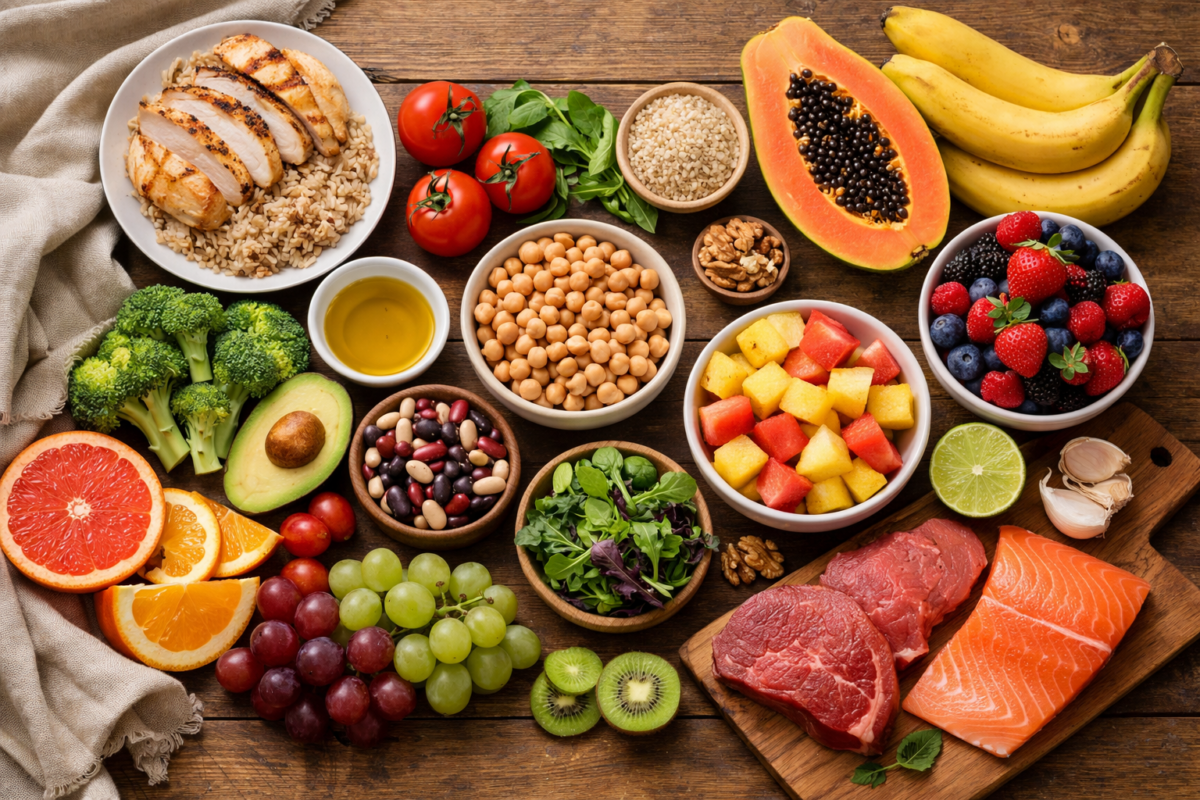
Food combining is an approach to nutrition based on the premise that certain food groups require different digestive environments to be processed efficiently. By strategically pairing specific macronutrients, proponents suggest that individuals can optimize digestion, increase energy levels, and reduce common complaints like bloating or indigestion. While the scientific community often points to the human body’s inherent ability to digest multiple nutrients simultaneously, many people find that adopting these principles leads to a more mindful relationship with eating and improved gastrointestinal comfort.
The Core Principles of Food Combining
At its heart, food combining is based on the idea that proteins, carbohydrates, and fats require different pH levels in the stomach for optimal breakdown. Proteins, for instance, are believed to require an acidic environment, while carbohydrates thrive in a more alkaline setting. When these are consumed together in large quantities, the theory suggests that the body struggles to maintain the necessary chemical balance, leading to fermentation and putrefaction in the digestive tract. The primary goal is to simplify the workload of the digestive system by minimizing the number of different enzyme types required at any single meal.
Understanding Protein and Starch Separation
One of the most widely discussed rules in food combining is the separation of concentrated proteins from concentrated starches. Because proteins like meat, fish, or eggs need strong hydrochloric acid for digestion, and starches like potatoes, grains, or legumes require alkaline enzymes like ptyalin, pairing them is said to cause a digestive “clash.” Proponents suggest that when you eat a steak with potatoes, the acidic environment needed for the protein inhibits the starch-digesting enzymes, resulting in the starch lingering in the gut longer than necessary. To implement this, try focusing your meal on a lean protein paired with non-starchy vegetables, or a complex carbohydrate paired with non-starchy vegetables.
The Role of Non-Starchy Vegetables
Non-starchy vegetables are considered the “neutral” group in food combining. This category includes leafy greens, broccoli, cauliflower, zucchini, asparagus, cucumbers, and peppers. Because they are low in both concentrated proteins and starches, they are generally considered compatible with almost any other food group. Incorporating a large serving of these vegetables into your meals acts as a buffer, making your plate more nutritionally dense without overwhelming the digestive system. They are the ideal base for any meal, regardless of whether you are focusing on a protein-based or starch-based dish.
The Unique Case of Fruit
In the world of food combining, fruit occupies a special place. Most practitioners emphasize that fruit should be eaten on an empty stomach, ideally as a standalone snack or the first meal of the day. Fruit has a high water content and is digested very rapidly. If you eat fruit after a heavy meal, it can become trapped behind the slower-moving protein or starch, leading to fermentation and gas. By eating fruit alone, you allow it to pass through the stomach and into the small intestine quickly, providing immediate energy and hydration without the risk of digestive distress.
Managing Fats and Oils
Fats, such as olive oil, avocado, nuts, and seeds, are relatively neutral but can slow down the digestive process because they take longer to break down than carbohydrates. The general advice is to keep fat intake moderate when combining with proteins or starches. While fats can be paired with non-starchy vegetables quite successfully, combining high-fat foods with heavy proteins can sometimes lead to a feeling of sluggishness. The key here is moderation and awareness; observe how your body reacts to different fat sources when paired with your primary macronutrient source.
The Importance of Meal Spacing
Beyond the actual composition of your plate, food combining emphasizes the timing between meals. Digestion is an energy-intensive process, and the body performs best when it is not constantly tasked with breaking down new incoming fuel. A common recommendation is to wait three to four hours between meals. This window allows the previous meal to fully clear the stomach before the next one arrives. By allowing these gaps, you give your digestive enzymes a chance to reset and prevent the mixing of partially digested foods, which is often the source of discomfort for many people.
Hydration and Digestion
Hydration is critical for digestion, but how and when you drink water matters in this framework. Drinking large amounts of water during a meal can potentially dilute the digestive enzymes and stomach acid needed to break down your food. It is generally recommended to hydrate well between meals rather than during them. Aim to finish your water intake about 20 to 30 minutes before you start a meal, and wait an hour or so after eating before consuming large volumes of liquid. This practice helps maintain the concentration of gastric juices, supporting more efficient breakdown of your food.
Transitioning to a Combined Lifestyle
Adopting food combining does not have to be an all-or-nothing endeavor. Start by observing your current eating habits and identifying which meals leave you feeling the most tired or bloated. Perhaps you notice that your heavy pasta dishes cause discomfort, or that your morning fruit bowl leaves you feeling gassy. Begin by making one small change, such as eating your fruit separately or pairing your protein with a large salad instead of bread. By listening to your body’s signals—such as energy levels, bowel regularity, and absence of bloating—you can tailor the guidelines to suit your unique metabolism.
Navigating the Complexity of Legumes and Pulse Digestion
Legumes, such as lentils, chickpeas, and black beans, present a unique challenge in food combining because they are “dual-natured.” They contain a significant concentration of both protein and starch. In strict food combining, this makes them notoriously difficult to pair. If you treat them as a protein, you risk clashing with the starch content; if you treat them as a starch, the protein content remains high. To solve this, seasoned practitioners often classify legumes as a standalone category that works best when paired exclusively with non-starchy vegetables. For example, a bowl of lentil soup should ideally be served with a side of steamed kale or a garden salad rather than rice or bread. By isolating legumes, you minimize the risk of the complex carbohydrates and proteins fermenting together, which is a common cause of the “heavy” feeling often associated with bean-heavy meals.
The Nuance of Sub-Acid and Acidic Fruits
While the general rule is to eat fruit alone, there is a further distinction between acidic fruits (like citrus, pineapples, and strawberries) and sub-acid fruits (like apples, pears, and stone fruits). Acidic fruits are generally considered more “aggressive” in their digestive requirements and should never be combined with sweet fruits like bananas, dates, or dried figs. Sweet fruits take much longer to digest and contain high levels of sugar that can sit too long in the gut if paired with the sharp acidity of a lemon or grapefruit. A practical tip is to group your fruit snacks: keep your morning bowl consistent by using only sub-acid fruits or only sweet fruits, but avoid mixing the two in the same sitting. This simple separation prevents the rapid-transit acidic fruits from being slowed down by the denser, sweeter varieties.
Optimizing Condiments and Sauces
Many people inadvertently sabotage their food combining efforts through the use of sauces, dressings, and condiments. Store-bought salad dressings often contain a hidden mix of vinegar (acid), sugar or honey (sweet), and oils (fat), creating a “digestive cocktail” that can confuse the stomach’s pH balance. When following these principles, opt for minimalist seasoning. Use cold-pressed olive oil, fresh lemon juice, or herbs to dress your non-starchy vegetables. Avoid heavy gravies that combine meat drippings with flour, as this creates the exact protein-starch combination you are trying to avoid. If you desire a creamy texture, use pureed avocado or soaked nuts, which are more compatible with vegetable-based meals than dairy-based cream sauces.
The Impact of Temperature on Digestive Speed
The temperature of your food plays a subtle but significant role in how quickly it moves through your digestive tract. Cold or iced beverages, as well as chilled foods, are believed to suppress the activity of digestive enzymes, which function optimally at body temperature. When you consume a cold smoothie or drink ice water with a protein-heavy meal, you may be effectively “numbing” the digestive enzymes, causing the food to linger in the stomach longer than it would if consumed at room temperature. Try to prioritize warm or room-temperature meals and beverages. Sipping warm herbal tea after a meal can actually stimulate digestive flow, whereas ice-cold drinks may cause the fats in your meal to solidify, making them harder for your system to break down efficiently.
Managing Dairy and Animal Proteins
In most food combining systems, dairy is treated as a highly concentrated protein that is particularly difficult to digest when mixed with other food groups. This is especially true for aged cheeses and heavy cream. If you choose to include dairy, it is best treated as a singular protein source for a meal. For example, a meal of goat cheese and a large serving of arugula is generally better tolerated than a cheese-heavy pasta dish. Furthermore, avoid combining different types of animal proteins in one sitting, such as fish and chicken or steak and eggs. Each protein requires a specific concentration of enzymes; by sticking to one source, you allow your stomach to focus its chemical production on a singular task, which often results in a flatter, more comfortable abdomen post-meal.
The Role of Fiber and Transit Time
Fiber is often praised for digestive health, but in food combining, the type of fiber matters. Soluble fiber found in oats and legumes can be quite filling and slow-moving, while the insoluble fiber in raw greens acts as a “broom” for the digestive tract. If you are experiencing mid-day fatigue, it may be because you are consuming high-fiber, high-starch meals that take too much energy to process. By prioritizing high-water, insoluble-fiber foods—like raw salads or steamed leafy greens—at the start of your meal, you create a “lubricated” path for the rest of the meal to follow. Think of this as priming the pump; a bowl of greens before your main protein dish ensures that the digestive tract is active and ready, reducing the time that food sits in the stomach and lowering the potential for fermentation.
Frequently Asked Questions
Q: Is food combining a scientifically proven method for weight loss? A: Food combining is not a medically recognized weight loss strategy. While many people report weight loss, it is often attributed to the fact that the diet encourages mindful eating, reduces processed food intake, and limits overeating, rather than a specific chemical interaction between food groups.
Q: Can I combine different types of proteins in one meal? A: Most food combining protocols advise against mixing different types of concentrated proteins, such as meat and dairy or two different types of meat, at the same meal. The logic is that each protein requires slightly different digestive efforts, and keeping it simple reduces the overall load on your system.
Q: Why does the fruit-alone rule exist? A: Fruit contains simple sugars that are designed to be absorbed quickly. When eaten with or after heavy foods that take hours to digest, the fruit sits in the stomach and begins to ferment. This fermentation can cause gas, bloating, and acidity, which is why eating it on an empty stomach is recommended to facilitate rapid transit.
Q: What should I do if I am traveling or at a social event? A: Flexibility is key to maintaining a healthy relationship with food. If you are at a social gathering, don’t stress about strict adherence. Food combining is a tool for daily maintenance; occasional deviations are unlikely to cause long-term harm. Focus on making the best choices available and return to your routine at the next meal.
Q: Does food combining apply to everyone? A: Everyone has a different digestive capacity and tolerance. While some thrive on these principles, others may find them too restrictive. If you have underlying health conditions like diabetes, IBS, or eating disorders, it is essential to consult with a registered dietitian or healthcare provider before making significant changes to your dietary structure.
Related posts:
 Foods That Help You Poop
 High-Protein Foods That Pack a Serious Nutritional Punch
 Understanding Resistant Starch in Foods
 NYC’s Healthiest Meal Delivery Services That Actually Taste Amazing
 Pegan Diet Explained: The Paleo-Vegan Hybrid Taking Over
 Managing Fiber Intake with IBS
 Resistant Starch Breakfast Ideas
 Portion vs Serving Size Guide