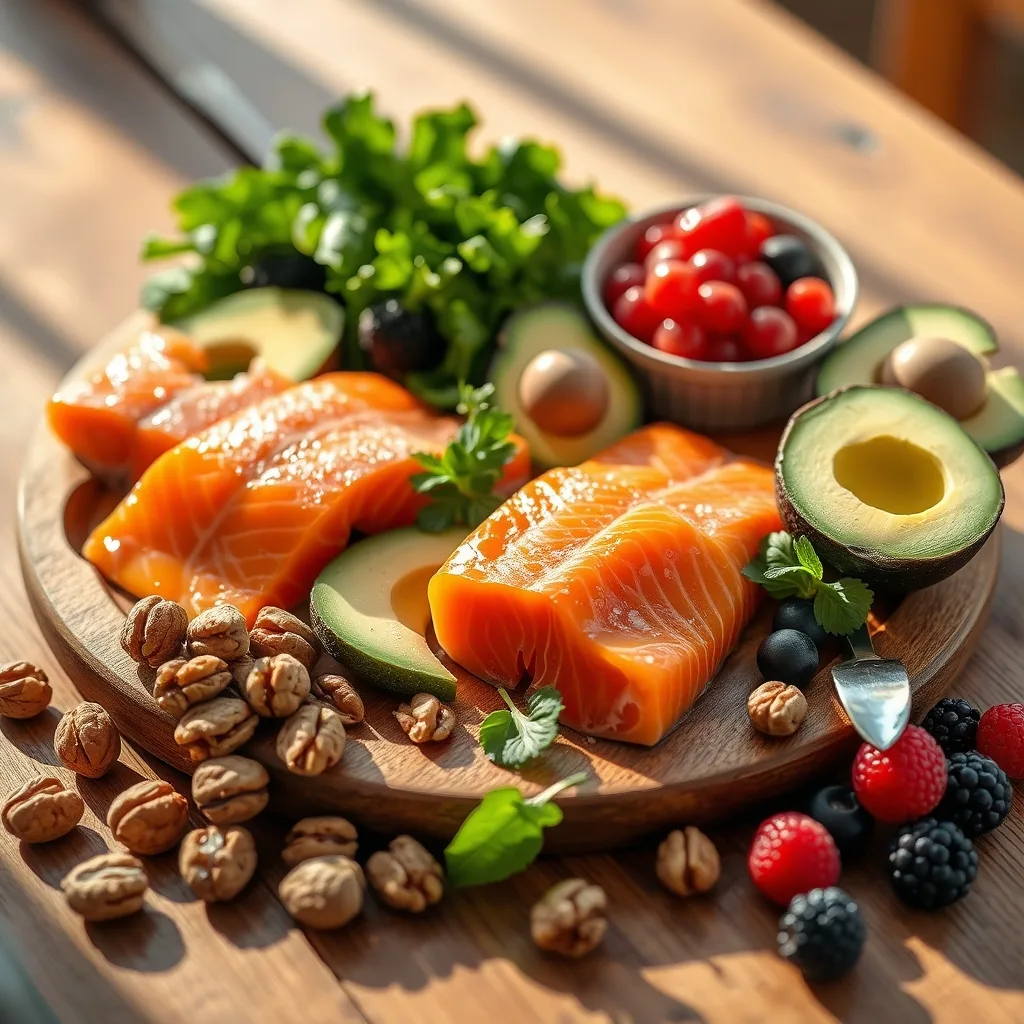
Hormone balance plays a subtle yet powerful role in everything from mood and sleep to metabolism and skin health. While genetics and stress influence the endocrine system, the foods we eat provide the building blocks and nutrients that help hormones function smoothly. This guide explores whole‑food strategies that support natural hormone regulation, offers practical meal ideas, and answers common questions without promising miracle cures.
Key takeaways
- Prioritize healthy fats like avocado and fatty fish to provide the cholesterol necessary for steroid hormone production.
- Consume 20-30 grams of protein per meal to support peptide hormones and steady amino acid availability.
- Include 25 grams of daily fiber from cruciferous vegetables and whole grains to support gut health and estrogen metabolism.
- Stabilize blood sugar by combining carbohydrates with protein and fats to prevent cortisol and insulin fluctuations.
Understanding the Basics of Hormone Nutrition
Hormones are chemical messengers produced by glands such as the thyroid, adrenal glands, ovaries, testes and pancreas. They rely on specific nutrients to be synthesized, released and cleared from the body. Key nutrients include:
- Healthy fats – essential for the production of steroid hormones like estrogen, progesterone and testosterone.
- Protein – supplies amino acids needed for peptide hormones such as insulin and growth hormone.
- Fiber – supports gut health, which in turn influences estrogen recycling through the enterohepatic circulation.
- Vitamins and minerals – especially B vitamins, magnesium, zinc and selenium, which act as cofactors in hormone synthesis and metabolism.
When these nutrients are consistently present in the diet, the endocrine system operates more efficiently, helping to smooth out peaks and valleys that can affect energy, cravings and emotional wellbeing.
Prioritising Healthy Fats for Steroid Hormone Production
Steroid hormones—such as estrogen, progesterone, cortisol and testosterone—are built from cholesterol. Consuming a variety of high‑quality fats ensures the body has enough cholesterol and the essential fatty acids needed for hormone pathways.
Key fat sources:
- Avocado and avocado oil – rich in monounsaturated fats and vitamin E.
- Extra‑virgin olive oil – provides oleic acid and antioxidants that support inflammation control.
- Fatty fish (salmon, sardines, mackerel) – supply omega‑3 EPA and DHA, which help modulate cortisol and estrogen metabolism.
- Nuts and seeds (walnuts, flaxseeds, chia seeds) – deliver alpha‑linolenic acid and lignans that gently influence estrogen balance.
- Pasture‑raised eggs – contain phospholipids and choline, important for cell membrane integrity and hormone signaling.
Incorporating at least one source of healthy fat into each meal can stabilise blood sugar and provide a steady supply of cholesterol for hormone synthesis. For example, a breakfast bowl of Greek yogurt topped with sliced avocado, walnuts and a drizzle of olive oil offers protein, fiber and a balanced fat profile.
Protein Choices That Support Peptide Hormones
Peptide hormones, including insulin, glucagon and leptin, rely on amino acids derived from dietary protein. Selecting high‑quality protein sources also supplies micronutrients that act as hormone cofactors.
Best protein options:
- Wild‑caught fish – high in omega‑3s and selenium, a mineral that protects thyroid hormones from oxidative damage.
- Organic poultry – provides tryptophan, a precursor for serotonin, which influences mood and sleep.
- Legumes (lentils, chickpeas, black beans) – rich in plant‑based protein, fiber and magnesium, supporting insulin sensitivity.
- Tempeh and fermented soy – contain phytoestrogens that can gently modulate estrogen activity, especially useful during perimenopause.
- Grass‑fed beef – offers zinc and iron, both critical for testosterone production and thyroid function.
Aim for 20‑30 grams of protein per main meal to sustain amino acid availability throughout the day. A simple lunch could be a quinoa salad with grilled salmon, mixed greens, roasted chickpeas and a lemon‑tahini dressing.
Fiber and Gut Health: The Hidden Hormone Regulators
The gut microbiome plays a pivotal role in hormone balance, particularly estrogen. Certain gut bacteria produce enzymes that either activate or deactivate estrogen metabolites. Dietary fiber feeds these beneficial microbes, promoting a healthy microbial community.
Fiber‑rich foods to include daily:
- Cruciferous vegetables (broccoli, cauliflower, Brussels sprouts) – contain indole‑3‑carbinol, which supports estrogen detoxification.
- Whole grains (steel‑cut oats, brown rice, barley) – provide soluble fiber that slows glucose absorption and steadies insulin.
- Root vegetables (sweet potatoes, carrots, beets) – offer resistant starch that ferments in the colon, feeding probiotic bacteria.
- Fruit with skin (apples, pears, berries) – deliver pectin, a soluble fiber that binds excess estrogen for excretion.
- Fermented foods (kimchi, sauerkraut, kefir) – introduce live cultures that diversify the gut microbiome.
Target at least 25 grams of fiber per day. A practical way to achieve this is to start the day with a bowl of oatmeal topped with berries, a tablespoon of ground flaxseed, and a side of sautéed kale.
Micronutrient Powerhouses for Hormone Enzyme Function
Enzymes that convert inactive hormone precursors into active forms require specific vitamins and minerals. Deficiencies can lead to sluggish hormone metabolism.
Critical micronutrients and food sources:
- Magnesium – leafy greens, pumpkin seeds, black beans; helps regulate cortisol and supports insulin sensitivity.
- Zinc – oysters, pumpkin seeds, lentils; essential for testosterone synthesis and thyroid hormone conversion.
- Selenium – Brazil nuts, sunflower seeds, tuna; protects thyroid hormones from oxidative stress.
- Vitamin D – fortified dairy, fatty fish, sunlight exposure; modulates insulin and parathyroid hormone.
- Vitamin B6 – bananas, chickpeas, pistachios; involved in progesterone production.
- Vitamin C – citrus fruits, bell peppers, strawberries; supports adrenal cortisol regulation.
Incorporating a colorful variety of these foods ensures a broad micronutrient intake without the need for high‑dose supplements. A dinner plate featuring stir‑fried bok choy, sliced mushrooms, and tofu, seasoned with ginger and tamari, delivers magnesium, zinc and B‑vitamins in one meal.
Balancing Blood Sugar to Stabilise Hormonal Fluctuations
Sharp spikes and drops in blood glucose trigger hormonal responses that can exacerbate mood swings, cravings and even menstrual irregularities. A diet that moderates glycaemic impact helps keep insulin, cortisol and sex hormones on a smoother trajectory.
Strategies for blood‑sugar stability:
- Combine carbohydrate sources with protein and fat at each meal. Example: a bowl of steel‑cut oats topped with almond butter and sliced banana.
- Choose low‑glycaemic index carbs such as sweet potatoes, quinoa, legumes and most fruits.
- Limit added sugars and refined grains, which cause rapid glucose surges.
- Space meals and snacks every 3‑4 hours to avoid long fasting periods that can elevate cortisol.
- Stay hydrated; dehydration can amplify stress‑hormone release.
By following these principles, many people notice steadier energy levels and fewer hormonal “crash” moments.
Hydration and Electrolyte Balance for Hormone Transport
Hormones travel through the bloodstream, and adequate fluid volume is essential for optimal delivery. Dehydration can concentrate blood, making hormone signalling less efficient.
Tips for maintaining hydration:
- Drink water consistently throughout the day—aim for at least 2 liters, adjusting for activity level and climate.
- Include electrolyte‑rich beverages such as coconut water or a pinch of sea salt in water after intense exercise.
- Eat water‑dense foods like cucumber, watermelon, and celery to boost fluid intake.
- Avoid excessive caffeine and alcohol, which can increase diuresis and disrupt sleep‑related hormone cycles.
Proper hydration supports thyroid hormone conversion, cortisol clearance and the transport of sex hormones to target tissues.
Meal Planning Blueprint for Hormone‑Friendly Eating
Putting the principles into a weekly plan removes guesswork and helps sustain consistency. Below is a sample seven‑day framework that incorporates the food groups discussed.
| Day | Breakfast | Lunch | Dinner | Snack |
|---|---|---|---|---|
| Monday | Greek yogurt with sliced avocado, walnuts and a drizzle of olive oil | Quinoa salad with grilled salmon, mixed greens, roasted chickpeas, lemon‑tahini dressing | Stir‑fried bok choy, mushrooms and tofu over brown rice | Apple slices with almond butter |
| Tuesday | Steel‑cut oats topped with berries, ground flaxseed and a dollop of kefir | Lentil soup with carrots, spinach and a side of whole‑grain toast | Baked cod with sweet‑potato wedges and steamed broccoli | Handful of pumpkin seeds |
| Wednesday | Scrambled pasture‑raised eggs with sautéed kale and cherry tomatoes | Chicken breast bowl with farro, roasted Brussels sprouts and avocado | Grass‑fed beef stir‑fry with bell peppers, snap peas and quinoa | Greek yogurt with a sprinkle of cinnamon |
| Thursday | Chia pudding made with coconut milk, topped with sliced banana and pistachios | Tempeh lettuce wraps with shredded carrots, cucumber and a ginger‑soy drizzle | Salmon fillet with wild rice and asparagus | Mixed berries |
| Friday | Smoothie with spinach, frozen mango, protein powder, and a tablespoon of almond butter | Turkey chili with black beans, tomatoes, and bell peppers | Roasted chicken thighs with cauliflower mash and sautéed green beans | Celery sticks with hummus |
| Saturday | Whole‑grain toast topped with mashed avocado, poached egg and chili flakes | Quinoa and roasted vegetable bowl with feta cheese and pumpkin seeds | Grilled shrimp skewers with zucchini noodles and pesto | Orange segments |
| Sunday | Protein‑rich cottage cheese with sliced peach and a sprinkle of chia seeds | Mixed bean salad with olive oil, lemon, parsley and roasted sweet potato cubes | Stuffed bell peppers with ground turkey, brown rice, tomatoes and herbs | Handful of walnuts |
This plan delivers a balance of healthy fats, protein, fiber and micronutrients across each day, making it easier to support hormone health without counting calories obsessively.
Practical Lifestyle Tweaks That Complement Nutrition
Food is a cornerstone, but other habits amplify its effect on hormones.
- Sleep hygiene – Aim for 7‑9 hours of uninterrupted sleep; deep sleep supports growth hormone release and cortisol regulation.
- Stress management – Incorporate mindfulness, breathing exercises or moderate yoga to keep cortisol from dominating the endocrine landscape.
- Regular movement – Strength training and brisk walking improve insulin sensitivity and boost testosterone naturally.
- Limit endocrine disruptors – Choose glass or stainless‑steel containers over plastic, and prefer organic produce when possible to reduce exposure to pesticide‑derived hormone mimics.
When these practices align with a hormone‑friendly diet, many individuals experience steadier moods, clearer skin and more consistent energy.
Seasonal Harvest Strategies for Hormone Optimization
Eating foods that are in season does more than support local economies; it aligns the diet with the body’s natural rhythms. Plants grown and harvested at the peak of their life cycle contain higher concentrations of phytonutrients that act as co‑factors for hormone receptors, detoxification enzymes, and antioxidant defenses. Below is a month‑by‑month guide that pairs seasonal produce with specific hormonal benefits.
| Month | Key Produce | Hormonal Target | Practical Recipe Idea |
|---|---|---|---|
| January | Brussels sprouts, kale, citrus | Thyroid support via vitamin C‑enhanced iron absorption and glucosinolate‑driven estrogen detox | Warm kale‑citrus salad with roasted Brussels sprouts, toasted pumpkin seeds, and a lemon‑tahini dressing |
| April | Asparagus, peas, strawberries | Estrogen modulation – asparagus supplies saponins that bind excess estrogen; strawberries provide ellagic acid for aromatase regulation | Grilled asparagus and pea risotto topped with fresh strawberries and a drizzle of balsamic reduction |
| July | Tomatoes, zucchini, watermelon | Cortisol buffering – lycopene and citrulline help stabilize adrenal output during hot weather | Chilled tomato‑zucchini gazpacho with watermelon cubes and a sprinkle of basil |
| October | Pumpkin, apples, beetroot | Insulin sensitivity – beta‑carotene, pectin, and betaine improve glucose uptake and reduce post‑prandial spikes | Roasted pumpkin‑beet mash with apple‑cinnamon compote |
When a seasonal item is unavailable, choose a frozen counterpart that has been flash‑frozen within hours of harvest. Freezing preserves most phytonutrients, ensuring you still receive the hormone‑supportive compounds without the seasonal limitation.
Precision Gut Microbiome Tactics: Pre‑biotics, Probiotics, and Post‑biotics
The gut microbiome is a dynamic endocrine organ in its own right. Beyond the broad recommendation to “eat fiber,” specific microbial substrates can be leveraged to fine‑tune hormone metabolism. Below are three tiers of microbiome‑focused nutrition.
- Pre‑biotics: Non‑digestible carbohydrates that selectively nourish beneficial bacteria. Inulin from chicory root, resistant starch from cooled potatoes, and galactooligosaccharides from legumes each promote distinct bacterial genera (e.g., Bifidobacterium, Ruminococcus) that produce short‑chain fatty acids (SCFAs). SCFAs such as butyrate enhance intestinal barrier integrity, reducing systemic inflammation that can otherwise drive cortisol overproduction.
- Probiotics: Live cultures that introduce or reinforce specific strains. A daily dose of Lactobacillus reuteri has been shown to increase circulating oxytocin, improving stress resilience. Bifidobacterium longum can down‑regulate the hypothalamic‑pituitary‑adrenal (HPA) axis, tempering the cortisol surge after acute stress.
- Post‑biotics: Metabolic by‑products of microbes, such as indole‑propionic acid and microbial‑derived vitamins (K2, B12). These compounds travel systemically and can act as ligands for nuclear receptors that regulate estrogen and thyroid hormone transcription.
Practical implementation: Start the day with a pre‑biotic smoothie—blend kefir (probiotic), a tablespoon of chicory‑root inulin, and a handful of frozen blueberries (post‑biotic‑rich). Follow with a mid‑afternoon snack of fermented kimchi (probiotic) paired with a small serving of cooked lentils (pre‑biotic). This sequence supplies the gut with a continuous stream of substrates, fostering a stable microbial community that supports hormonal equilibrium.
Cooking Techniques that Preserve Hormone‑Active Nutrients
Even the most nutrient‑dense foods can lose their hormonal benefits if cooked improperly. Advanced glycation end products (AGEs) formed during high‑heat grilling or frying can trigger oxidative stress, which in turn elevates cortisol and impairs insulin signaling. Below are evidence‑based cooking methods that protect hormone‑relevant compounds.
- Steaming over boiling: Water‑soluble vitamins (B‑complex, C) leach out during prolonged boiling. Steaming vegetables for 3‑5 minutes retains up to 95% of these micronutrients while preserving glucosinolate potency for estrogen detox.
- Sous‑vide low‑temperature cooking: Sealing protein in a vacuum bag and cooking at 55‑60 °C for 1‑2 hours prevents the formation of heterocyclic amines (HCAs) that can disrupt endocrine signaling. The gentle heat also maintains omega‑3 integrity in fatty fish.
- Fermentation before heat: Fermenting cabbage into sauerkraut, then lightly sautéing it, combines the probiotic benefits of fermentation with the palatability of warm dishes, while still delivering post‑biotic metabolites that modulate estrogen receptors.
- Acid‑marination: Soaking meat or tofu in a mixture of lemon juice, apple cider vinegar, and herbs for 30 minutes reduces the need for excess salt and creates an acidic environment that limits AGE formation during subsequent cooking.
Example menu: Sous‑vide salmon (55 °C, 90 min) finished with a quick 1‑minute sear in avocado oil, served over a bed of steamed broccoli and a drizzle of fermented miso‑ginger sauce. This plate maximizes omega‑3 preservation, supplies glucosinolate‑rich broccoli, and adds probiotic‑derived umami without excessive heat‑induced toxins.
Targeted Nutrition for Distinct Life Stages
Hormone profiles shift dramatically across the lifespan, and dietary strategies must adapt accordingly. The following subsections outline nuanced food recommendations for three critical windows: adolescence, perimenopause, and post‑menopausal health.
Adolescence – Supporting Rapid Growth and Mood Stability
During puberty, the surge in sex hormones can cause mood volatility and increased appetite. Prioritizing nutrients that stabilize neurotransmitter synthesis helps mitigate these swings.
- Tyrosine‑rich foods (e.g., pumpkin seeds, lean turkey) support dopamine production, smoothing emotional highs and lows.
- Omega‑3 DHA is crucial for brain development; a weekly serving of sardines or algae oil ensures adequate levels.
- Iron‑enhancing pairings: Vitamin C‑rich fruits alongside iron‑dense legumes improve non‑heme iron absorption, preventing fatigue that can be misinterpreted as hormonal imbalance.
Sample snack: Whole‑grain rice cakes topped with almond butter, sliced strawberries, and a sprinkle of pumpkin seed powder.
Perimenopause – Balancing Fluctuating Estrogen and Progesterone
This transitional phase is marked by irregular cycles and hot flashes. Certain phyto‑compounds can act as gentle estrogen agonists or antagonists, providing a buffering effect.
- Black cohosh tea (1‑2 cups daily) contains triterpene glycosides that modulate estrogen receptors without overstimulation.
- Vitamin K2 (menaquinone‑7) from fermented cheeses supports calcium metabolism, reducing the risk of bone loss that often accompanies estrogen decline.
- Adaptogenic herbs such as rhodiola and ashwagandha help normalize cortisol, which can become erratic during perimenopause.
Evening ritual: Warm oat milk infused with a teaspoon of ashwagandha powder, a dash of cinnamon, and a drizzle of raw honey.
Post‑Menopause – Preserving Bone Density and Metabolic Health
With estrogen at low levels, the body relies more heavily on other hormones—particularly insulin, leptin, and thyroid hormones—to maintain metabolic balance.
- Calcium‑sparing nutrients: Vitamin D (sun‑exposed fatty fish) and magnesium (dark leafy greens) work synergistically to improve calcium utilization.
- Isoflavone‑rich soy (tempeh, edamame) provides a mild estrogenic effect that can modestly improve lipid profiles.
- Low‑glycaemic, high‑protein breakfasts (e.g., cottage cheese with chia and berries) keep leptin sensitivity intact, curbing mid‑day cravings.
Meal example: Tempeh stir‑fry with bok choy, shiitake mushrooms, and a sesame‑ginger glaze served over quinoa.
Chrono‑Nutrition: Timing Meals to Sync with the Body’s Hormonal Clock
The circadian system orchestrates the release of cortisol, melatonin, insulin, and growth hormone. Aligning food intake with these natural peaks can amplify hormonal efficiency.
- Morning window (06:00‑10:00): Cortisol is naturally high; a protein‑rich breakfast supports gluconeogenesis and prevents excessive glucose spikes. Include a source of medium‑chain triglycerides (MCT oil) to provide rapid fuel for the brain.
- Mid‑day window (12:00‑14:00): Insulin sensitivity peaks. Opt for a balanced plate of complex carbs, lean protein, and healthy fats to maximize nutrient uptake and store glycogen efficiently.
- Early evening window (17:00‑19:00): Growth hormone secretion begins to rise as the body prepares for repair. A modestly sized dinner emphasizing amino‑acid‑dense foods (e.g., wild‑caught fish, lentils) supports tissue regeneration without overloading the digestive system.
- Late‑night avoidance (after 20:00): Melatonin release is triggered by darkness; consuming heavy meals can suppress its production, disrupting sleep‑related hormone cascades. If a snack is needed, choose a low‑glycaemic option such as a handful of walnuts or a cup of herbal tea with a splash of oat milk.
Practical schedule for a typical workday:
- 06:30 – MCT‑infused smoothie with spinach, frozen berries, and pea‑protein.
- 09:30 – Small handful of almonds and an apple (optional, if hunger persists).
- 12:30 – Quinoa bowl with roasted chickpeas, roasted carrots, and tahini‑lemon dressing.
- 15:30 – Green tea + 2‑inch piece of dark chocolate (70% cacao) for a gentle cortisol dip.
- 18:30 – Grilled trout, sautéed Swiss chard, and a side of sweet‑potato wedges.
- 20:00 – Chamomile tea with a teaspoon of ground flaxseed.
Adhering to this timing framework helps keep insulin, cortisol, and growth hormone on a predictable rhythm, reducing hormonal “noise” that can manifest as fatigue or weight fluctuation.
Budget‑Friendly Hormone‑Supporting Meal Hacks
Access to premium ingredients does not guarantee hormone health; clever planning can deliver comparable benefits on a modest budget.
- Bulk legumes: Purchasing dried lentils, split peas, and black beans in 5‑kg bags reduces cost per serving dramatically. When soaked and cooked, they provide protein, fiber, magnesium, and zinc—all essential for hormone synthesis.
- Seasonal frozen vegetables: Frozen greens retain up to 90% of their micronutrient content and are often cheaper than fresh out‑of‑season produce. Use them in soups, stews, or quick stir‑fries.
- Egg‑centric meals: Pasture‑raised eggs are a cost‑effective source of choline, vitamin D, and high‑quality protein. A simple scramble with frozen spinach and a sprinkle of nutritional yeast delivers a hormone‑friendly breakfast for under $1.
- DIY fermented drinks: Making kefir or kombucha at home costs a fraction of store‑bought versions and allows you to control sugar content. One‑liter batch can serve a family for a week.
- Strategic use of spices: Turmeric (curcumin) and cinnamon have been shown to improve insulin sensitivity and reduce inflammation. A pinch added to oatmeal or soups can magnify hormonal benefits without extra expense.
Sample low‑cost dinner for two:
1. Cook 1 cup of brown rice (bulk) – 15 min.
2. Sauté a frozen mix of broccoli, cauliflower, and carrots in a tablespoon of olive oil.
3. Add a can of sardines (in water) for omega‑3s and protein.
4. Finish with a drizzle of lemon juice, a sprinkle of toasted sesame seeds, and a dash of turmeric.
This dish supplies cholesterol for steroid hormones, omega‑3s for cortisol modulation, fiber for gut health, and a suite of micronutrients—all for roughly $3.
Special Considerations for Common Dietary Restrictions
Hormone‑friendly eating can be tailored to accommodate allergies, intolerances, and ethical choices without sacrificing nutrient density.
Gluten‑Free Adaptations
Replace wheat‑based grains with naturally gluten‑free alternatives that still provide B‑vitamins and magnesium. Options include amaranth, millet, and teff. For example, a teff porridge cooked with coconut milk, topped with pumpkin seeds and fresh figs, delivers iron, zinc, and calcium—all pivotal for thyroid and adrenal health.
Vegan Hormone Support
Vegans can obtain steroid‑building cholesterol from plant sterols found in nuts, seeds, and avocado. To ensure adequate omega‑3 EPA/DHA, incorporate algae oil capsules or consume a daily serving of ground flaxseed mixed into smoothies. Vitamin B12 supplementation (cyanocobalamin) remains essential for methylation pathways that influence estrogen metabolism.
Low‑FODMAP Adjustments
Individuals with irritable bowel syndrome often follow a low‑FODMAP protocol, which can limit pre‑biotic intake. To compensate, focus on low‑FODMAP pre‑biotics such as green banana flour, oat bran, and chia seeds. A low‑FODMAP breakfast bowl of oat bran, lactose‑free yogurt, kiwi, and a spoonful of chia provides soluble fiber without triggering symptoms, supporting gut‑derived hormone regulation.
High‑Performance Athlete Modifications
Athletes experience amplified cortisol and catecholamine release due to training stress. Post‑exercise meals should prioritize rapid glycogen replenishment (e.g., a banana with whey protein) and anti‑oxidant‑rich foods (tart cherry juice) to blunt oxidative stress that can interfere with testosterone synthesis.
By customizing these strategies, anyone—regardless of dietary limitation—can construct a meal plan that fuels hormonal harmony.
Frequently Asked Questions
1. Can I achieve hormone balance solely through diet?
Nutrition provides essential substrates for hormone synthesis and metabolism, but hormones are also influenced by sleep, stress, genetics and environmental exposures. A holistic approach that combines a balanced diet with healthy lifestyle habits offers the most reliable support.
2. Are phytoestrogens harmful for women who are pre‑menopausal?
Phytoestrogens, found in soy, flaxseed and legumes, act as mild estrogen modulators. In moderate amounts they can help smooth estrogen fluctuations, especially during perimenopause. For most pre‑menopausal women, consuming these foods as part of a varied diet is safe and may be beneficial.
3. How much omega‑3 should I aim for each week?
Current dietary guidelines suggest at least two servings of fatty fish per week, which typically provides 500‑1000 mg of combined EPA and DHA per serving. For those who do not eat fish, algae‑based supplements can meet similar amounts, but it is best to discuss supplementation with a healthcare professional.
4. I have a thyroid condition; should I avoid certain foods?
People with hypothyroidism often benefit from adequate iodine, selenium and zinc. Cruciferous vegetables contain goitrogens that can interfere with thyroid hormone production when eaten in very large quantities raw. Cooking these vegetables reduces the goitrogenic effect, allowing you to enjoy their fiber and micronutrient benefits without compromising thyroid health.
5. Is it necessary to track hormone‑related nutrients like magnesium or zinc?
While precise tracking is not required for most individuals, being aware of food sources helps ensure you meet daily recommended intakes. Including a handful of nuts, seeds, leafy greens and quality protein sources in daily meals typically supplies sufficient magnesium and zinc for hormone support.
Related posts:
 How Intermittent Fasting Could Impact Your Fertility
 Managing Fiber Intake with IBS
 Fiber for Healthy Aging: Nourishing Your Body as You Grow Older
 Estrogen Overload: Everything You Need To Know About This Health Risk
 Well+Good Talks: Why Your Hormones Are at the Center of Everything
 One of the Best Things Ever: Get Your Hormones Checked
 High-Protein Foods That Pack a Serious Nutritional Punch
 Your Complete Guide to Understanding Hormones and What They Do