The Importance of Diet in Longevity
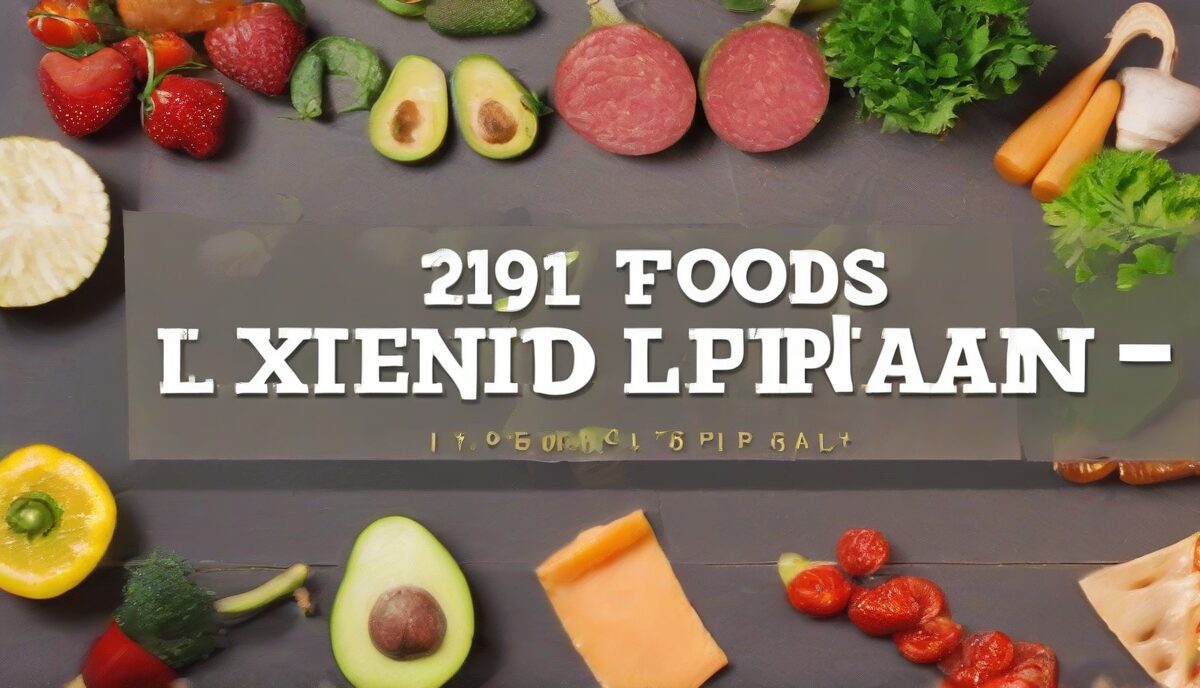
Our diet plays a crucial role in determining our overall health and longevity. Numerous studies have shown that certain foods can significantly extend our lifespan by improving cardiovascular health, reducing inflammation, and preventing chronic diseases. In this article, we will explore some of the best foods that can help you live a longer, healthier life.
Key takeaways
- Prioritize unpasteurized fermented foods and fiber-rich plants to nurture a diverse, anti-inflammatory gut microbiome.
- Use the chop-and-wait method with cruciferous vegetables to maximize sulforaphane, a potent cellular detoxification compound.
- Incorporate mushrooms for ergothioneine and beta-glucans, which protect DNA and prime the immune system against senescent cells.
- Select high-quality extra virgin olive oil and pair spices like turmeric with black pepper to enhance nutrient bioavailability.
- Replace refined grains with whole grains and prioritize antioxidant-rich beverages like green tea and coffee to support metabolic health.
Leafy Greens
Leafy greens such as spinach, kale, and Swiss chard are packed with essential nutrients, including vitamins A, C, and K, as well as folate and fiber. These vegetables are known for their powerful antioxidant properties, which help protect cells from damage and reduce the risk of chronic diseases like heart disease and cancer. Incorporating a variety of leafy greens into your diet can significantly contribute to a longer, healthier life.
Berries
Berries, including blueberries, strawberries, and raspberries, are rich in antioxidants and phytochemicals that combat oxidative stress and inflammation. These fruits have been linked to improved brain health, reduced risk of heart disease, and better blood sugar control. Regular consumption of berries can help protect against age-related diseases and promote longevity.
Nuts and Seeds
Nuts and seeds are excellent sources of healthy fats, protein, fiber, vitamins, and minerals. Almonds, walnuts, chia seeds, and flaxseeds are particularly beneficial for heart health due to their high content of omega-3 fatty acids and antioxidants. Studies have shown that regular consumption of nuts and seeds can lower cholesterol levels, reduce inflammation, and improve overall cardiovascular health, thereby extending lifespan.
Whole Grains
Whole grains such as quinoa, brown rice, and oats are rich in fiber, vitamins, and minerals. These grains help regulate blood sugar levels, improve digestion, and reduce the risk of heart disease and type 2 diabetes. Including whole grains in your daily diet can contribute to better health and increased longevity.
Fatty Fish
Fatty fish like salmon, mackerel, and sardines are high in omega-3 fatty acids, which are essential for heart health. These healthy fats help reduce inflammation, lower blood pressure, and decrease the risk of heart disease. Consuming fatty fish at least twice a week can significantly improve cardiovascular health and promote a longer lifespan.
Legumes
Legumes, including beans, lentils, and chickpeas, are rich in protein, fiber, vitamins, and minerals. They are known for their ability to improve gut health, regulate blood sugar levels, and reduce the risk of chronic diseases. Incorporating legumes into your diet can provide long-term health benefits and contribute to a longer life.
The Longevity Benefits of Fermented Foods and Microbiome Diversity
While the existing discussion on fiber-rich legumes and grains touches on gut health, the specific role of fermented foods in extending lifespan deserves a dedicated focus. The human gut microbiome acts as a secondary endocrine organ, and its diversity is a primary predictor of healthy aging. Fermented foods like kimchi, raw sauerkraut, kefir, kombucha, and miso introduce live probiotic cultures that do more than just aid digestion; they actively modulate the immune system and reduce systemic inflammation, a driver of the aging process often referred to as “inflammaging.”
The mechanism behind this longevity boost lies in the production of short-chain fatty acids (SCFAs), such as butyrate, which occurs when beneficial bacteria ferment prebiotic fibers in the colon. These SCFAs strengthen the gut barrier, preventing “leaky gut”—a condition where pro-inflammatory endotoxins enter the bloodstream. To maximize these benefits, it is essential to choose unpasteurized versions of fermented foods found in the refrigerated section, as the heat used in shelf-stable canning kills the live cultures. For those new to ferments, starting with small amounts (one to two tablespoons) can prevent digestive discomfort while the gut ecosystem adjusts. An interesting edge case is the consumption of natto, a fermented soybean dish popular in Japan. Natto is the richest dietary source of Vitamin K2 (specifically the MK-7 variant), which is vital for directing calcium into the bones and away from the arterial walls, thereby reducing the risk of cardiovascular calcification.
Cruciferous Vegetables and the Sulforaphane Pathway
Beyond the general benefits of leafy greens, the cruciferous family—including broccoli, Brussels sprouts, cauliflower, cabbage, and bok choy—contains a unique class of compounds called glucosinolates. When these vegetables are chopped or chewed, an enzyme called myrosinase converts glucosinolates into isothiocyanates, the most potent of which is sulforaphane. Sulforaphane is a powerful inducer of the Nrf2 pathway, often described as the body’s “master switch” for antioxidant production. This pathway triggers the expression of hundreds of genes involved in detoxification and cellular protection, effectively cleaning the cells of metabolic waste and environmental toxins.
A critical nuance in consuming cruciferous vegetables for longevity is the “chop and wait” method. Because the enzyme myrosinase is heat-sensitive, boiling or microwaving raw broccoli immediately can deactivate it before sulforaphane is formed. To circumvent this, one should chop the vegetables and let them sit for 40 minutes before cooking, allowing the chemical reaction to complete. Alternatively, adding a pinch of mustard seed powder (which contains active myrosinase) to cooked cruciferous vegetables can restore the sulforaphane-producing potential. Broccoli sprouts are an even more concentrated source, containing up to 100 times the sulforaphane precursor found in mature broccoli, making them a potent addition to salads and smoothies for those seeking maximal cellular defense.
Medicinal Mushrooms and the ‘Longevity Vitamin’ Ergothioneine
Mushrooms are often overlooked in standard dietary advice, yet they contain a unique amino acid called ergothioneine, which some researchers have proposed should be classified as a “longevity vitamin.” Unlike most antioxidants that are used up quickly, ergothioneine is highly stable and is actively transported into cells by a specific protein, where it protects DNA and mitochondria from oxidative damage. High dietary intake of mushrooms, particularly oyster, shiitake, maitake, and king oyster varieties, has been epidemiologically linked to lower rates of cognitive decline and a reduced risk of all-cause mortality.
In addition to ergothioneine, mushrooms are rich in beta-glucans, which are complex polysaccharides that “prime” the immune system. They enhance the activity of natural killer (NK) cells and macrophages, which are responsible for identifying and destroying senescent (zombie) cells and early-stage cancerous cells. For brain health, Lion’s Mane mushroom stands out due to its contain of hericenones and erinacines, compounds that can cross the blood-brain barrier and stimulate Nerve Growth Factor (NGF). This promotes the repair and regeneration of neurons, potentially staving off age-related neurodegenerative diseases. It is important to note that mushrooms should always be cooked; their cell walls are made of chitin, which is indigestible to humans, and cooking is required to release the bioactive compounds and neutralize small amounts of naturally occurring toxins like agaratine.
Extra Virgin Olive Oil: The Liquid Gold of Blue Zones
While fatty fish provide essential omega-3s, Extra Virgin Olive Oil (EVOO) serves as the primary fat source in many of the world’s “Blue Zones”—regions where people live significantly longer lives. The longevity benefits of EVOO are largely attributed to its high concentration of oleic acid and specific polyphenols like oleocanthal and hydroxytyrosol. Oleocanthal acts as a natural anti-inflammatory agent, mimicking the action of low-dose ibuprofen by inhibiting COX enzymes, which helps prevent the chronic low-grade inflammation associated with heart disease and Alzheimer’s.
Furthermore, EVOO has been shown to stimulate autophagy, the body’s internal recycling program where cells break down and clean out damaged components. To ensure you are getting these benefits, quality is paramount. Look for oils in dark glass bottles with a harvest date within the last 12 to 18 months, as light, heat, and time degrade the sensitive polyphenols. A high-quality EVOO should have a slightly bitter taste and a peppery sting at the back of the throat; this sensation is actually the oleocanthal interacting with sensory receptors, serving as a biological indicator of the oil’s medicinal potency. Using EVOO as a finishing oil over cooked vegetables or in salad dressings ensures these delicate compounds remain intact.
Therapeutic Spices: Curcumin, Ginger, and the Power of Synergistic Bioavailability
The strategic use of spices can transform a healthy diet into a powerful longevity protocol. Turmeric, specifically its active compound curcumin, is perhaps the most studied spice for its ability to interfere with multiple molecular pathways involved in aging. Curcumin is a potent NF-kB inhibitor, meaning it can turn off the primary genetic switch that triggers inflammation. However, a major challenge with curcumin is its low bioavailability—the body struggles to absorb it into the bloodstream. This is easily solved by consuming turmeric with black pepper; the piperine in black pepper increases curcumin absorption by up to 2,000%.
Ginger, a close relative of turmeric, contains gingerols and shogaols that have been shown to improve insulin sensitivity and reduce lipid peroxidation. Maintaining stable blood sugar is a hallmark of long-lived individuals, as it prevents the formation of Advanced Glycation End-products (AGEs), which stiffen arteries and age the skin. Garlic also plays a role here through its sulfur compounds, like allicin, which are released when the clove is crushed. These compounds help relax blood vessels and improve circulation. For maximum benefit, garlic should be crushed and allowed to sit for 10 minutes before heating to allow the allicin to stabilize, much like the process required for cruciferous vegetables.
Polyphenol-Rich Beverages: The Longevity Logic of Coffee and Green Tea
Hydration is essential, but the choice of beverage can significantly impact the rate of biological aging. Green tea, particularly Matcha, is loaded with epigallocatechin gallate (EGCG), a catechin that has been shown to protect telomeres—the protective caps on the ends of our chromosomes. Telomere shortening is a primary marker of cellular aging; by slowing this process, EGCG helps maintain cellular youthfulness. Additionally, green tea promotes the death of senescent cells, which otherwise secrete inflammatory signals that damage neighboring healthy cells.
Coffee, once unfairly maligned, is now recognized as a major source of antioxidants in the Western diet. Regular coffee consumption is associated with a lower risk of Type 2 diabetes, Parkinson’s disease, and certain cancers. The chlorogenic acids in coffee improve glucose metabolism and have neuroprotective effects. However, the benefits of both coffee and tea follow a U-shaped curve; excessive caffeine can disrupt sleep, which is itself a critical pillar of longevity. To optimize the benefits, aim for 2-4 cups per day and avoid adding refined sugars or artificial creamers, which can negate the anti-inflammatory properties of the polyphenols. For those sensitive to caffeine, decaffeinated coffee still retains most of the beneficial antioxidant compounds.
Sea Vegetables and Trace Minerals from the Ocean
Sea vegetables, or seaweed, are a staple in the Okinawan diet, one of the most famous longevity hotspots. Varieties such as nori, wakame, kombu, and dulse are nutritionally distinct from land vegetables because they contain a concentrated array of trace minerals, including iodine, vanadium, and magnesium, which are often depleted in modern soil. Iodine is crucial for thyroid health, which regulates the entire body’s metabolic rate; a sluggish metabolism is often a precursor to age-related weight gain and cognitive lethargy.
FAQ
What are the best foods to eat for longevity?
Some of the best foods for longevity include leafy greens, berries, nuts and seeds, whole grains, fatty fish, and legumes. These foods are rich in essential nutrients and antioxidants that promote overall health and reduce the risk of chronic diseases.
How often should I eat leafy greens?
It’s recommended to include leafy greens in your diet daily. Aim for at least one serving per day to reap the maximum health benefits from their vitamins, minerals, and antioxidants.
Can eating nuts help extend my lifespan?
Yes, regular consumption of nuts can help extend your lifespan. Nuts are rich in healthy fats, protein, fiber, and antioxidants, which contribute to better heart health, reduced inflammation, and overall improved health.
What types of berries are best for longevity?
Blueberries, strawberries, and raspberries are some of the best berries for longevity. They are high in antioxidants and phytochemicals that protect against oxidative stress and inflammation, promoting overall health and longevity.
How can I incorporate more whole grains into my diet?
You can incorporate more whole grains into your diet by replacing refined grains with whole grains. For example, choose brown rice instead of white rice, whole wheat bread instead of white bread, and oatmeal instead of sugary cereals.
Related posts:
 Depression and Gut Health Connection
 Foods That Help You Poop
 Fiber for Healthy Aging: Nourishing Your Body as You Grow Older
 Gut Health for Longer Life
 Brain-Boosting Foods
 Managing Fiber Intake with IBS
 The Gut-Brain Highway: How Your Stomach Controls Your Mood
 The Longevity Diet: What Centenarians Around the World Eat to Live Forever