
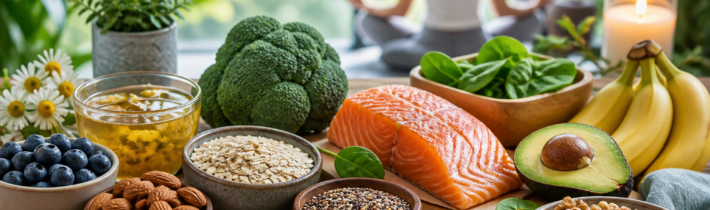
In the fast-paced rhythm of modern life, stress often feels like an inevitable companion. Whether it is the pressure of a demanding career, the complexities of family dynamics, or the general noise of a digitally connected world, our nervous systems are frequently in a state of high alert. While lifestyle changes, mindfulness, and professional support are critical pillars of stress management, we often overlook one of the most immediate tools at our disposal: our diet. The relationship between what we eat and how we feel is not merely anecdotal; it is rooted in a complex biochemical dialogue between the gut and the brain.
When we experience stress, the body releases cortisol and adrenaline, preparing us for a “fight or flight” response. While this is helpful in emergencies, chronic activation of this system can lead to fatigue, mood swings, and a weakened immune system. Nutrition plays a pivotal role in modulating this response. By providing the brain and body with specific vitamins, minerals, and macronutrients, we can support the production of mood-stabilizing neurotransmitters and help the body return to a state of homeostasis more efficiently. This guide explores the most effective foods to combat stress naturally, the science behind why they work, and practical ways to integrate them into a busy lifestyle.
The Science of Stress and Nutrition
To understand how food helps combat stress, we must first understand the biological mechanisms of the stress response. The hypothalamus-pituitary-adrenal (HPA) axis controls the release of cortisol. When cortisol levels remain elevated for too long, it can deplete the body of essential nutrients, particularly B vitamins and magnesium. This creates a vicious cycle: stress depletes nutrients, and nutrient deficiencies make the body less resilient to stress.
Furthermore, the “gut-brain axis” describes the bidirectional communication between the gastrointestinal tract and the central nervous system. A significant portion of the body’s serotonin—the “feel-good” hormone—is produced in the gut. Therefore, a diet that promotes a healthy microbiome and provides the precursors for neurotransmitter synthesis can directly influence emotional regulation. By focusing on anti-inflammatory foods and stable blood sugar levels, we can prevent the physiological spikes and crashes that often mimic or exacerbate feelings of anxiety.
Magnesium-Rich Foods for Relaxation
Magnesium is often referred to as the “relaxation mineral” because of its ability to regulate the body’s stress response. It helps modulate the HPA axis and supports the function of GABA, an inhibitory neurotransmitter that quiets the nervous system and promotes a sense of calm. Many people are deficient in magnesium, which can manifest as muscle tension, insomnia, and increased irritability.
To naturally boost your magnesium intake, focus on the following foods:
- Dark Chocolate: Not only does it contain magnesium, but it also releases endorphins and contains flavonoids that may reduce inflammation. Aim for 70% cocoa or higher to minimize sugar.
- Leafy Greens: Spinach, kale, and Swiss chard are powerhouses of magnesium. These can be easily added to smoothies or sautéed as a side dish.
- Pumpkin Seeds and Almonds: These are excellent portable snacks. A small handful of pumpkin seeds provides a significant portion of the daily recommended intake of magnesium.
- Avocados: In addition to healthy fats, avocados provide a potent dose of magnesium and potassium, both of which help regulate blood pressure during stressful periods.
Practical Tip: Create a “calm mix” of raw almonds, pumpkin seeds, and a few pieces of dark chocolate. Keep this at your desk for those high-pressure afternoons when you feel your tension rising.
Omega-3 Fatty Acids for Brain Health
The brain is composed of nearly 60% fat, and the type of fat we consume directly impacts its structure and function. Omega-3 fatty acids, particularly EPA and DHA, are essential for maintaining the fluidity of cell membranes in the brain, allowing neurotransmitters to communicate more effectively. Research suggests that omega-3s can help reduce inflammation in the brain, which is often linked to mood disorders and chronic stress.
The best sources of omega-3s include:
- Fatty Fish: Salmon, mackerel, sardines, and trout are the gold standard for EPA and DHA. Grilling or poaching these fish preserves their nutritional integrity.
- Walnuts: A great plant-based source of alpha-linolenic acid (ALA), which the body can partially convert to EPA and DHA.
- Chia Seeds and Flaxseeds: These seeds are versatile additions to oatmeal, yogurt, or baked goods. Ensure flaxseeds are ground to maximize absorption.
- Algae-Based Supplements: For those following a vegan diet, algae oil provides a direct source of DHA and EPA without the fish.
Practical Tip: Try a “Brain-Boost Breakfast” consisting of overnight oats mixed with chia seeds, topped with crushed walnuts and fresh blueberries. This combination provides a steady stream of energy and essential fatty acids to start your day.
Vitamin C and Antioxidants to Lower Cortisol
The adrenal glands, which produce cortisol, have one of the highest concentrations of Vitamin C in the entire body. During periods of intense stress, the body consumes Vitamin C rapidly to manage the oxidative stress caused by cortisol production. Replenishing these levels is crucial for recovering from a stress event and preventing burnout.
Focus on these antioxidant-rich foods:
- Citrus Fruits: Oranges, grapefruits, and lemons provide an immediate boost of Vitamin C.
- Berries: Blueberries, strawberries, and raspberries are rich in anthocyanins, which protect the brain from oxidative stress and may improve mood.
- Bell Peppers: Red and yellow bell peppers actually contain more Vitamin C per gram than many citrus fruits.
- Kiwi: A nutrient-dense fruit that provides both Vitamin C and serotonin precursors.
Practical Tip: Instead of reaching for a sugary energy drink during a stressful workday, try a refreshing infusion of water with sliced lemon, cucumber, and a few fresh berries. This hydrates the body while providing a gentle antioxidant boost.
Complex Carbohydrates for Serotonin Production
While refined sugars can cause a “sugar crash” that leaves you feeling anxious and shaky, complex carbohydrates are essential for mood regulation. They facilitate the entry of tryptophan—an amino acid—into the brain, where it is converted into serotonin. Serotonin helps stabilize mood, foster feelings of well-being, and promote better sleep.
Choose these slow-digesting carbohydrates:
- Steel-Cut Oats: These provide a slow release of glucose, preventing the insulin spikes that can trigger irritability.
- Quinoa: A complete protein and a complex carb that keeps you full and focused.
- Sweet Potatoes: Rich in beta-carotene and fiber, providing a grounding effect on the body’s energy levels.
- Whole Grains: Brown rice, farro, and buckwheat offer B vitamins that support the nervous system.
Practical Tip: For dinner during a stressful week, prepare a bowl of quinoa with roasted sweet potatoes, chickpeas, and steamed broccoli. This meal provides a balanced mix of complex carbs, protein, and fiber to help you unwind before bed.
Probiotics and the Gut-Brain Connection
The enteric nervous system, often called the “second brain,” resides in the gut. The bacteria living in our digestive tract communicate with the brain via the vagus nerve. An imbalance in gut flora (dysbiosis) has been linked to increased levels of anxiety and stress. By consuming fermented foods rich in probiotics, we can cultivate a microbiome that helps regulate the stress response.
Incorporate these probiotic-rich foods:
- Greek Yogurt and Kefir: These fermented dairy products contain live cultures that support digestive health and mood.
- Sauerkraut and Kimchi: Fermented vegetables provide a powerful dose of lactobacillus, which may help lower cortisol levels.
- Miso and Tempeh: Fermented soy products that are excellent for those on plant-based diets.
- Kombucha: A fermented tea that can be a healthier alternative to soda, provided it is low in added sugar.
Practical Tip: Add a tablespoon of raw sauerkraut or a dollop of Greek yogurt to your lunch. This simple addition supports the gut-brain axis without requiring significant meal prep time.
B-Vitamins for Energy and Nerve Function
B vitamins, particularly B6, B9 (folate), and B12, are the engines of the nervous system. They are required for the synthesis of neurotransmitters and the conversion of food into cellular energy. When we are stressed, our bodies burn through B vitamins more quickly, leading to brain fog, fatigue, and a diminished ability to cope with pressure.
Prioritize these B-vitamin sources:
- Legumes: Lentils, chickpeas, and black beans are rich in folate and fiber.
- Eggs: A great source of B12 and choline, which is essential for cognitive function.
- Leafy Greens: Spinach and collards provide folate, which helps the body produce dopamine.
- Avocados: These provide a mix of B6 and healthy fats for sustained mental energy.
Practical Tip: A simple snack of hard-boiled eggs and sliced avocado on whole-grain toast provides a comprehensive B-vitamin profile to help you push through a mentally taxing afternoon.
Hydration and Herbal Infusions
Dehydration is a subtle but powerful stressor. Even mild dehydration can lead to increased cortisol levels, decreased concentration, and a higher heart rate, all of which can be mistaken for anxiety. Beyond plain water, certain herbal infusions can actively signal the brain to relax.
Consider these hydrating options:
- Pure Water: The foundation of all cellular function. Aim for consistent sipping throughout the day.
- Chamomile Tea: Contains apigenin, an antioxidant that binds to certain receptors in the brain that may promote sleepiness and reduce anxiety.
- Green Tea: Contains L-theanine, an amino acid that promotes relaxation without causing drowsiness, balancing the stimulating effects of caffeine.
- Peppermint Tea: Known for its ability to soothe the digestive tract, which is often where stress is felt physically.
Practical Tip: Establish a “sunset ritual.” At the end of your workday, brew a cup of chamomile or peppermint tea. This acts as a sensory cue to your brain that the period of productivity is over and the period of rest has begun.
Practical Meal Planning for Stressful Weeks
When stress levels are high, the last thing anyone wants to do is spend hours in the kitchen. However, this is exactly when nutrition is most needed. The key is to move away from complex recipes and toward “assembly-style” eating—combining pre-prepared, nutrient-dense ingredients.
The Stress-Less Pantry Essentials: Keep these items stocked so you aren’t tempted by processed convenience foods:
– Canned chickpeas and lentils
– Pre-washed baby spinach and kale
– Frozen berries and wild-caught salmon fillets
– Raw nuts and seeds
– Quinoa or brown rice (pre-cooked or quick-cook)
– High-quality dark chocolate
A Sample “Low-Stress” Day of Eating:
– Breakfast: Greek yogurt with blueberries, walnuts, and a drizzle of honey.
– Lunch: A large spinach salad with canned tuna or chickpeas, avocado, and a lemon-olive oil dressing.
– Snack: An apple with almond butter or a few squares of dark chocolate.
– Dinner: Baked salmon with a side of quinoa and steamed broccoli.
– Evening: A cup of warm chamomile tea.
By simplifying the process and focusing on the core nutrients—magnesium, omega-3s, B vitamins, and probiotics—you can maintain your resilience even during your most challenging weeks.
Integrating Adaptogens for Long-Term Resilience
While vitamins and minerals provide the raw materials for stress management, a category of functional foods known as adaptogens works differently. Adaptogens are non-toxic plants and herbs that help the body “adapt” to stress by modulating the HPA axis, effectively acting as a thermostat for your stress response. Rather than pushing the body in one direction (like a sedative or a stimulant), adaptogens help maintain homeostasis, preventing the extreme peaks and valleys of cortisol production.
One of the most researched adaptogens is Ashwagandha. This ancient Ayurvedic herb is particularly effective at reducing cortisol levels and easing the feelings of anxiety and insomnia. It can be integrated into the diet as a powder added to warm milk (often called “Moon Milk”) or blended into smoothies. Another potent option is Rhodiola Rosea, which is often used to combat the fatigue and “burnout” associated with chronic stress. Rhodiola helps improve mental clarity and focus when the brain is exhausted from prolonged pressure.
Holy Basil (Tulsi) is another powerful addition, often consumed as a tea. It helps the body cope with emotional and physical stress by lowering cortisol and supporting a healthy inflammatory response. For those who struggle with a “wired but tired” feeling—where the mind is racing but the body is exhausted—these adaptogens can provide a stabilizing effect that standard nutrition alone may not achieve.
Edge Case: It is important to note that adaptogens are powerful biological modulators. Individuals taking medication for thyroid function, blood pressure, or autoimmune disorders should consult a healthcare provider, as herbs like Ashwagandha can influence hormone levels and interact with certain pharmaceuticals.
Amino Acids: The Building Blocks of Mood Neurotransmitters
To understand how food combats stress, we must look closer at amino acids—the components of protein—which serve as the direct precursors to the neurotransmitters that govern our mood. While B vitamins help the synthesis process, the body cannot produce serotonin or dopamine without the specific amino acid “bricks” required for construction.
Tryptophan is the most well-known precursor to serotonin. While found in turkey, it is also abundant in pumpkin seeds, eggs, and soy products. However, tryptophan often struggles to cross the blood-brain barrier on its own. To maximize its effectiveness, it should be consumed with a small amount of complex carbohydrates, which trigger a slight insulin release that clears other competing amino acids from the bloodstream, allowing tryptophan a “clear path” into the brain.
L-Tyrosine, found in almonds, avocados, and lean proteins, is the precursor to dopamine and norepinephrine. These neurotransmitters are essential for motivation, alertness, and the ability to handle acute stress without feeling overwhelmed. When we are under chronic stress, our stores of dopamine can deplete, leading to anhedonia (the inability to feel pleasure) and mental lethargy. Prioritizing tyrosine-rich foods helps maintain cognitive flexibility during high-pressure periods.
L-Theanine, while an amino acid, is most commonly found in tea leaves. It promotes the production of alpha waves in the brain, which are associated with a state of “relaxed alertness.” This is why green tea provides a different experience than coffee; the theanine buffers the jittery effects of caffeine, allowing for a calm, focused state of mind. Adding a small amount of L-theanine-rich foods or teas to a workday can prevent the cognitive “overload” that often leads to stress-induced panic.
Managing the Glucose Rollercoaster to Prevent Anxiety
One of the most overlooked physiological triggers of stress is the fluctuation of blood glucose. When we consume high-sugar snacks or refined carbohydrates in isolation, we experience a rapid spike in blood glucose followed by a sharp insulin response. This leads to “reactive hypoglycemia,” where blood sugar drops below baseline. The brain perceives this drop as a crisis, triggering the release of glucagon and cortisol to mobilize stored glucose.
To the individual, this biological process feels exactly like an anxiety attack: heart palpitations, shakiness, irritability, and a sense of impending doom. This “glucose rollercoaster” creates a cycle where the person believes they are emotionally stressed, when they are actually experiencing a metabolic crash. To combat this, the goal is to flatten the glucose curve.
The Protein-Fat-Fiber Rule: To prevent these crashes, never eat a “naked carb.” Instead, always pair carbohydrates with a protein, a healthy fat, or a fiber source. For example, instead of eating an apple alone, pair it with almond butter. Instead of a plain piece of toast, add sliced avocado and a poached egg. The fat and protein slow the absorption of glucose into the bloodstream, providing a steady stream of energy to the brain and preventing the cortisol spikes associated with hypoglycemia.
Practical Example: Consider the “afternoon slump” around 3:00 PM. Many reach for a sugary granola bar or a latte with syrup. This provides a 30-minute burst of energy followed by a crash that leaves them feeling frazzled and anxious by 4:30 PM. Replacing this with a handful of walnuts and a few pieces of berries maintains a stable glycemic index, keeping the nervous system calm through the end of the workday.
Nutrient Synergy: Pairing Foods for Maximum Absorption
The effectiveness of stress-combating foods is not just about what we eat, but how we combine them. Many of the nutrients required for nervous system health are synergistic, meaning they require a “partner” nutrient to be absorbed or utilized by the body efficiently.
Vitamin C and Iron: While Vitamin C is essential for the adrenal glands, it also significantly increases the absorption of non-heme iron found in leafy greens and legumes. Iron is critical for transporting oxygen to the brain; iron deficiency often manifests as fatigue and decreased stress tolerance. Squeezing fresh lemon juice over sautéed spinach or adding bell peppers to a lentil stew ensures that you are maximizing the iron available to support your cognitive energy.
Healthy Fats and Fat-Soluble Vitamins: Vitamins A, D, E, and K, as well as many antioxidants like beta-carotene (found in carrots and sweet potatoes), are fat-soluble. If these are consumed without a fat source, a significant portion is simply excreted. To ensure the brain receives these protective antioxidants, always pair colorful vegetables with a healthy fat. A drizzle of extra-virgin olive oil over roasted carrots or adding avocado to a kale salad allows these nutrients to cross the cell membranes and protect the brain from oxidative stress.
Vitamin D and Magnesium: These two nutrients have a symbiotic relationship. Vitamin D is essential for mood regulation, particularly during winter months, but the enzymes that metabolize Vitamin D require magnesium to function. If you are deficient in magnesium, taking Vitamin D supplements or eating D-rich foods (like fatty fish) may be less effective. Ensuring a diet rich in both—such as a piece of grilled salmon (Vitamin D) paired with a side of pumpkin seeds or quinoa (Magnesium)—creates a nutritional loop that optimizes mood stabilization.
Mindful Eating and Parasympathetic Activation
The physiological state in which we consume food is just as important as the nutrients themselves. The human body has two primary modes of operation: the sympathetic nervous system (“fight or flight”) and the parasympathetic nervous system (“rest and digest”). When we eat while stressed, scrolling through emails, or driving, we remain in a sympathetic state. This inhibits the secretion of digestive enzymes and slows the absorption of the very nutrients intended to reduce our stress.
To shift the body into the parasympathetic state, we can use the act of eating as a mindfulness practice. This begins with the cephalic phase of digestion—the process where the brain prepares the gut for food through sight, smell, and taste. By taking a moment to smell the food and chew slowly, we signal to the vagus nerve that the environment is safe, which in turn lowers the heart rate and reduces cortisol levels.
The “Five-Senses” Eating Technique: Before starting a meal, spend 30 seconds engaging the senses. Notice the colors of the food, the aroma of the spices, the texture of the plate, and the sound of the environment. During the meal, focus on the act of chewing—aiming for 20-30 chews per bite. This not only improves digestion but acts as a grounding exercise, pulling the mind out of future-based anxieties and into the present moment. This shift in state allows the gut-brain axis to communicate more effectively, enhancing the mood-boosting effects of the food.
Edge Case: For those with severe anxiety, the act of eating can sometimes feel overwhelming. In these cases, focusing on “warm, grounding foods”—such as soups, stews, or warm teas—can be more soothing than cold, raw foods, as warmth physically relaxes the muscles of the gastrointestinal tract.
Seasonal Nutrition and the Impact of Light
Stress is not a static experience; it fluctuates with the seasons. The most prominent example is Seasonal Affective Disorder (SAD), where the lack of sunlight in winter leads to a drop in serotonin and an increase in melatonin, resulting in lethargy, mood swings, and increased stress sensitivity. During these periods, the nutritional focus must shift to support the brain’s chemistry in the absence of sunlight.
Winter Focus: Vitamin D and Root Vegetables: In winter, the priority shifts to Vitamin D-rich foods like cod liver oil, egg yolks, and fortified mushrooms. Additionally, incorporating “grounding” root vegetables—such as beets, parsnips, and carrots—provides dense energy and complex carbohydrates that help maintain serotonin levels during the darkest months. Warm, spiced foods containing cinnamon or ginger can also stimulate circulation, combating the physical stagnation and “heaviness” often associated with winter stress.
Summer Focus: Hydration and Cooling Antioxidants: Conversely, summer stress is often linked to heat exhaustion and dehydration, which can manifest as irritability and brain fog. The focus shifts to high-water-content foods like cucumbers, watermelon, and celery, which keep the brain hydrated. Antioxidant-rich berries and citrus fruits help combat the oxidative stress caused by increased UV exposure. Light, probiotic-rich meals like chilled gazpacho or kefir smoothies prevent the digestive sluggishness that can occur in high temperatures, keeping the gut-brain connection clear.
Practical Tip: Create a “Seasonal Stress Menu.” In winter, prioritize slow-cooker stews with root vegetables and fatty fish. In summer, prioritize large, colorful salads with citrus dressings and hydrating fruits. By aligning your diet with the environmental rhythms, you reduce the internal friction your body must overcome to maintain stability.
Identifying and Eliminating Hidden Stress Triggers
While adding beneficial foods is crucial, combating stress also requires the removal of “hidden” triggers—substances that may feel like rewards in the moment but act as physiological stressors on the nervous system. Many people inadvertently increase their anxiety levels through dietary habits that mimic the symptoms of stress.
The Paradox of Alcohol: Alcohol is frequently used as a “wind-down” tool due to its initial sedative effect. However, as the body metabolizes alcohol, it triggers a rebound effect known as “hangxiety.” The liver’s processing of alcohol disrupts sleep architecture, particularly REM sleep, and increases the release of glutamate—an excitatory neurotransmitter. This leaves the nervous system hyper-reactive the following day, making the individual more susceptible to stress and less able to handle minor irritations.
Artificial Sweeteners and the Microbiome: Many “sugar-free” alternatives, such as aspartame or sucralose, can disrupt the delicate balance of the gut microbiome. Since a vast majority of the body’s serotonin is produced in the gut, any disruption to the microbiome can lead to mood instability. Some research suggests that artificial sweeteners may alter the way the brain perceives sweetness and hunger, leading to erratic blood sugar signals that the brain interprets as stress.
Caffeine’s Half-Life: Caffeine blocks adenosine receptors, the chemicals that tell the brain it is tired. While this provides a temporary boost, the “half-life” of caffeine is approximately 5-6 hours. This means that a coffee consumed at 4:00 PM is still circulating in the system at 10:00 PM. Even if you can fall asleep, the quality of that sleep is diminished, preventing the brain from clearing metabolic waste (via the glymphatic system). This lack of deep recovery makes the brain significantly more reactive to stress the next morning, creating a dependency on more caffeine to function, and fueling a chronic cycle of anxiety.
Frequently Asked Questions
1. Can eating these foods replace therapy or medication for chronic stress?
No. Nutrition is a supportive tool, not a replacement for professional medical or psychological treatment. While a healthy diet provides the biological foundation for a resilient nervous system, chronic stress and anxiety disorders often require a multi-faceted approach, including cognitive-behavioral therapy (CBT), lifestyle adjustments, and, in some cases, medication prescribed by a healthcare provider.
2. Which foods should I avoid when I am feeling stressed?
Try to limit highly processed sugars and excessive caffeine. Sugar causes a rapid spike in blood glucose followed by a crash, which can trigger irritability and anxiety. Excessive caffeine can mimic the physiological symptoms of a panic attack—such as a racing heart and shakiness—which can trick the brain into feeling more stressed than it actually is.
3. How long does it take to feel the effects of a stress-reducing diet?
Some effects are immediate; for example, complex carbohydrates can help stabilize your mood within a few hours. However, the broader benefits—such as improved gut health from probiotics or reduced inflammation from omega-3s—typically take two to four weeks of consistent intake to become noticeable.
4. What is the best snack to eat during a moment of acute anxiety?
A combination of a healthy fat and a complex carbohydrate is ideal. For example, an apple with almond butter or a handful of walnuts and a few berries. The fat slows the absorption of sugar, providing a steady stream of energy, while the nutrients in the nuts and fruit support the nervous system.
5. Does skipping meals contribute to stress levels?
Yes. Skipping meals leads to hypoglycemia (low blood sugar), which triggers the release of cortisol and glucagon to mobilize energy stores. This physiological response can make you feel “hangry,” jittery, and less capable of handling emotional stressors. Eating small, balanced meals every 3-5 hours helps keep your mood stable.
Related posts:
 Brain-Boosting Foods
 Foods That Help You Poop
 Gut Health for Longer Life
 The Science-Backed Food Combinations That Supercharge Your Health
 The Hidden Magnesium Power of Avocados Will Blow Your Mind
 Why Coffee and Magnesium Are the Power Couple Your Body Needs
 New Mom, New Science: How Your Gut Health Could Be the Key to Beating Postpartum Blues
 The Gut-Brain Highway: How Your Stomach Controls Your Mood