
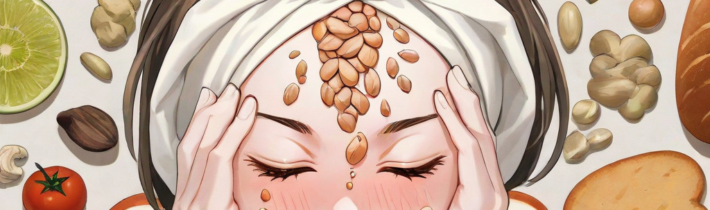
Headaches are among the most common ailments worldwide, ranging from mild tension to debilitating migraines. While medical intervention is sometimes necessary, many individuals find significant relief by adjusting their dietary habits. Chronic headaches are often triggered by inflammation, dehydration, or blood sugar fluctuations, all of which are directly influenced by what you consume. By focusing on nutrient-dense, anti-inflammatory foods, you can potentially reduce the frequency and intensity of your symptoms.
The Role of Hydration in Headache Prevention
Dehydration is one of the most frequent, yet overlooked, triggers for tension headaches and migraines. Even mild fluid loss can cause the brain to temporarily contract or pull away from the skull, triggering pain receptors. Water is the primary fuel for your body, but you can also hydrate through water-rich foods. Cucumbers, celery, watermelon, and strawberries are excellent choices that provide hydration alongside essential electrolytes. If you struggle to drink plain water, try infusing it with lemon, mint, or cucumber to make it more palatable. Aim to sip fluids consistently throughout the day rather than chugging large amounts at once, which can sometimes overwhelm your system.
Magnesium-Rich Foods to Relax Muscles
Magnesium is a vital mineral that plays a key role in neurotransmitter release and blood vessel constriction. Studies have suggested that people who suffer from frequent migraines often have lower levels of magnesium than those who do not. Incorporating magnesium-rich foods into your daily routine may help relax blood vessels and reduce muscle tension. Excellent sources include dark leafy greens like spinach and Swiss chard, pumpkin seeds, almonds, and quinoa. Adding a handful of pumpkin seeds to your salad or incorporating spinach into your morning smoothie is a simple way to boost your intake without needing supplements.
Omega-3 Fatty Acids and Inflammation
Inflammation is a common culprit behind chronic pain, including headaches. Omega-3 fatty acids are well-known for their potent anti-inflammatory properties. By reducing systemic inflammation, these healthy fats may help dampen the pain signals that contribute to migraines. Fatty fish such as wild-caught salmon, mackerel, and sardines are top-tier sources. If you follow a plant-based diet, chia seeds, flaxseeds, and walnuts provide alpha-linolenic acid (ALA), a type of omega-3 that the body can convert. Aim to include these healthy fats in at least two to three meals per week to maintain a consistent baseline of anti-inflammatory support.
Stabilizing Blood Sugar with Complex Carbohydrates
Blood sugar crashes are a notorious headache trigger. When your glucose levels drop too low, your body releases hormones like adrenaline and cortisol, which can cause blood vessels to constrict and then dilate, leading to a throbbing headache. To prevent this, focus on complex carbohydrates that provide a slow, steady release of energy. Whole grains like oats, brown rice, and farro, as well as legumes like lentils and chickpeas, are ideal. Pairing these carbohydrates with a source of protein or healthy fat further slows the absorption of sugar, keeping your levels stable throughout the day and preventing the “hunger headache” that often strikes in the late afternoon.
The Importance of Vitamin B2 (Riboflavin)
Riboflavin, or Vitamin B2, is frequently studied for its potential to help prevent migraines. It plays a significant role in energy production within cells, including those in the brain. Research indicates that supplementing with or consuming high amounts of riboflavin may reduce the frequency of migraine attacks. You can find this essential vitamin in foods such as eggs, lean meats, milk, yogurt, and fortified cereals. Mushrooms and almonds are also decent plant-based sources. Because B-vitamins are water-soluble, your body does not store them for long periods, meaning you need to replenish your supply through your diet on a daily basis.
Foods to Avoid: Identifying Your Personal Triggers
While adding the right foods is essential, removing common triggers is equally important. Many people find that certain dietary additives or compounds act as catalysts for their headaches. Common offenders include aged cheeses (which contain tyramine), processed meats containing nitrates, artificial sweeteners like aspartame, and food dyes. Caffeine can be a double-edged sword; while a small amount may help abort a headache, excessive consumption or withdrawal can trigger one. Keep a detailed food diary for two weeks to track what you eat alongside your headache symptoms. This helps you identify personal patterns rather than relying on generalized advice.
The Benefit of Ginger for Nausea and Pain
Ginger has been used for centuries in traditional medicine to treat various forms of pain and gastrointestinal distress. Because many migraine sufferers experience nausea alongside their headache, ginger is an invaluable natural remedy. It works by blocking prostaglandins, the chemicals that promote inflammation and pain in the body. You can consume ginger in several ways: sipping fresh ginger tea, adding grated ginger to stir-fries, or even chewing on small pieces of crystallized ginger. Its ability to soothe the stomach while simultaneously addressing the inflammatory components of a headache makes it one of the most effective natural tools in your pantry.
Practical Meal Planning for Headache Management
Consistency is the cornerstone of dietary headache prevention. Skipping meals is a major trigger for many individuals because it leads to drops in blood sugar and increases stress on the body. To manage this, practice “batch cooking” on weekends so that healthy, headache-friendly meals are always available. Focus on a “plate method” where half your plate consists of vegetables, one-quarter is a lean protein (like chicken or lentils), and one-quarter is a complex carbohydrate (like quinoa). By removing the stress of deciding what to eat, you reduce the likelihood of reaching for processed, trigger-heavy convenience foods when you are tired or hungry.
Harnessing Coenzyme Q10 for Mitochondrial Support
Beyond standard vitamins, Coenzyme Q10 (CoQ10) is a powerhouse nutrient for those prone to chronic headaches. Often referred to as ubiquinone, this compound is essential for the production of ATP within the mitochondria—the “power plants” of your cells. When mitochondrial function is suboptimal, the brain may experience energy deficits that trigger migraine episodes. Foods rich in CoQ10 include organ meats like beef liver and heart, as well as fatty fish, soybeans, and peanuts. For those who prefer plant-based sources, broccoli and cauliflower provide modest amounts. Incorporating these into your diet can help stabilize the cellular energy supply in your brain, potentially reducing the frequency of attacks over several months. Because CoQ10 is fat-soluble, always pair these foods with a healthy fat, such as olive oil or avocado, to maximize absorption.
The Impact of Electrolyte Balance Beyond Hydration
While drinking water is vital, the balance of minerals within that water—and your broader diet—is what truly prevents osmotic imbalances that lead to head pain. Sodium, potassium, and magnesium work in tandem to regulate nerve impulses and fluid distribution. A common mistake is consuming too much processed salt (sodium chloride) while neglecting potassium-rich foods, which leads to fluid retention and vascular pressure. To correct this, focus on “nature’s electrolytes”: bananas, sweet potatoes, coconut water, and avocados. These foods provide the potassium necessary to counteract the dehydrating effects of sodium. If you engage in high-intensity exercise or live in a hot climate, a small pinch of sea salt added to a glass of lemon-infused water can help replenish lost minerals more effectively than plain water alone, preventing the post-workout headache that plagues many active individuals.
Understanding the Tyramine and Histamine Connection
For some, the headache trigger isn’t just a general sensitivity but a specific reaction to biogenic amines like tyramine and histamine. These compounds are naturally occurring in fermented, aged, or cultured foods. While many people process them easily, those with a deficiency in specific enzymes (like DAO) may experience vasodilation and subsequent headaches after eating aged cheeses, fermented soy products like miso or tempeh, red wine, or even leftovers that have been sitting in the refrigerator for more than 24 hours. If you notice a pattern, try prioritizing “freshness” in your diet. Consume meats and produce as close to purchase as possible and avoid long-term storage of cooked proteins. Transitioning to a diet of freshly prepared meals rather than aged or processed items can often provide immediate relief for those whose headaches are linked to these specific chemical compounds.
The Role of Antioxidant-Rich Berries and Phytonutrients
Oxidative stress is a silent driver of neuroinflammation, which can lower your threshold for headache onset. Dark-pigmented fruits—specifically blueberries, blackberries, and cherries—are loaded with anthocyanins, powerful antioxidants that protect neurons from inflammatory damage. Cherries, in particular, contain compounds that mimic the anti-inflammatory action of ibuprofen, making them an excellent snack for those feeling the early “aura” or tension of a headache. Furthermore, these fruits have a low glycemic index, meaning they provide a surge of nutrients without the blood sugar spikes that lead to rebound headaches. Aim to include a cup of mixed berries in your breakfast or as a midday snack; their high water content and phytonutrient profile offer a dual benefit for both hydration and systemic inflammation reduction.
Exploring the Gut-Brain Axis and Probiotic Foods
Emerging research continues to highlight the intimate link between gut health and neurological pain. An imbalanced gut microbiome can lead to systemic inflammation that travels via the vagus nerve to the brain. Incorporating probiotic-rich foods can help stabilize the gut barrier and modulate the immune system’s response to potential triggers. While traditional fermented foods like kimchi or sauerkraut can be high in histamine (a potential trigger), lower-histamine options like live-culture yogurt or kefir—if you are not dairy-sensitive—can be beneficial. For those who struggle with fermented triggers, focusing on prebiotic fibers such as garlic, onions, asparagus, and bananas is essential. These fibers feed the “good” bacteria already present in your gut, helping to maintain a healthy microbial balance that supports overall neurological resilience and reduces the likelihood of systemic inflammation-induced headaches.
The Influence of Spice: Turmeric and Curcumin
Turmeric has gained global recognition for its active compound, curcumin, which is one of the most potent natural anti-inflammatories available. Unlike over-the-counter painkillers that can irritate the stomach lining, curcumin acts as a protective agent for the digestive tract while simultaneously inhibiting the inflammatory pathways (such as NF-kB) that are often overactive in migraine sufferers. To make the most of turmeric, you must pair it with black pepper; the piperine in black pepper increases the bioavailability of curcumin by up to 2,000%. Consider creating a simple “golden milk” with turmeric, black pepper, and almond milk, or adding a teaspoon of turmeric to your roasted vegetables. This habit provides a consistent, low-level anti-inflammatory baseline that can help keep chronic, low-grade headaches at bay over time.
The Crucial Role of Dietary Fiber in Insulin Sensitivity
While many focus on the sugar content of their meals, the fiber density is equally critical for headache prevention. Fiber acts as a biological buffer, slowing the rate at which carbohydrates are broken down into glucose. When your blood sugar remains stable, your brain is spared from the rapid fluctuations that trigger stress hormones. High-fiber foods like chia seeds, raspberries, artichokes, and Brussels sprouts also promote satiety, preventing the hunger-induced headaches that often occur when one goes too long between meals. Incorporating a variety of soluble and insoluble fibers ensures that your digestive system remains regular, which is essential, as some research suggests that chronic constipation can increase systemic pressure and contribute to tension-type headaches.
The Impact of Polyphenol-Rich Herbs and Teas
Beyond standard nutrition, specific herbs and teas contain potent polyphenols that exert neuroprotective effects. Peppermint tea, for example, contains menthol, which has been shown to help relax contracted muscles and improve blood flow, often providing relief for tension headaches. Similarly, green tea provides a modest amount of caffeine paired with L-theanine, an amino acid that promotes relaxation and focus without the jittery spike that can lead to a vascular headache. By swapping out sugary sodas or excessive coffee for these herbal infusions, you provide your body with consistent, mild vasodilation and antioxidant support, helping to prevent the onset of pain before it becomes unmanageable.
Managing the Vasoconstrictor Effect of Caffeine Withdrawal
Caffeine is a complex variable in the headache equation. While it acts as a vasoconstrictor, it also creates a physiological dependency. If you are a habitual coffee drinker, the timing of your intake is just as important as the quantity. A sudden drop in caffeine levels causes blood vessels in the brain to dilate rapidly, which is a textbook trigger for a withdrawal headache. To manage this, avoid “caffeine cycling”—where you consume large amounts on weekdays and none on weekends. Instead, aim for a consistent daily intake. If you wish to reduce your dependency, do so gradually over several weeks to allow your neurovascular system to adapt, thereby avoiding the rebound pain that often discourages people from breaking the caffeine habit.
The Hidden Influence of Food Additives and Preservatives
Modern processed food is often laced with additives that act as excitotoxins—substances that overstimulate neurons. Monosodium glutamate (MSG) and various artificial food dyes are well-documented triggers for a significant subset of the population. These substances can interfere with neurotransmitter balance, specifically affecting glutamate levels in the brain, which is linked to migraine susceptibility. To minimize exposure, adopt a “clean label” policy: if a product contains ingredients you cannot pronounce or that appear in a laboratory setting rather than a kitchen, it is best to avoid them. Shifting toward whole, single-ingredient foods naturally eliminates these triggers, allowing you to observe how your body feels when free from the chemical noise of industrial additives.
Nutrient Synergy: Enhancing Absorption for Headache Relief
Effective nutritional intervention is not just about what you eat, but how you combine those foods. Many vitamins and minerals require specific partners to reach the brain effectively. For instance, Vitamin C significantly enhances the absorption of non-heme iron found in plant-based foods, and iron deficiency is a known, albeit under-researched, cause of fatigue-related headaches. Similarly, pairing magnesium-rich almonds with a small amount of healthy fat improves the uptake of fat-soluble vitamins that support neurological health. By structuring your meals to include these synergistic pairings—such as a spinach salad (iron) with lemon dressing (Vitamin C) and sunflower seeds (healthy fats)—you maximize the therapeutic value of every bite, ensuring your brain receives the support it needs to maintain stability.
Mindful Eating and the Vagus Nerve Connection
The act of eating can be as important as the food itself regarding headache prevention. When you eat while stressed, distracted, or rushing, your body enters a “fight or flight” state, which hampers digestion and keeps the nervous system in a state of high alert. This sympathetic nervous system dominance can trigger or exacerbate tension headaches. Practicing mindful eating—chewing slowly, focusing on the sensory experience of your meal, and taking deep breaths—activates the parasympathetic nervous system, which is mediated by the vagus nerve. A calm digestive process ensures better nutrient absorption and reduces the physiological stress that often acts as the final push into a full-blown migraine. Treating your meals as a period of rest rather than a task to be completed is a powerful, non-dietary tool for long-term pain management.
Frequently Asked Questions
Q: Can coffee help stop a headache? A: For some, a small amount of caffeine can help narrow dilated blood vessels and ease pain. However, it can also act as a trigger or cause withdrawal headaches if consumed inconsistently. It is best to use it sparingly if you find it helpful. Q: Is there a specific diet that prevents migraines? A: Many experts recommend an anti-inflammatory diet, similar to the Mediterranean diet, which emphasizes whole grains, healthy fats, lean proteins, and plenty of fruits and vegetables, while minimizing processed sugars and additives. Q: Do food allergies cause headaches? A: Yes, food sensitivities or allergies can trigger inflammatory responses that manifest as headaches. If you suspect a specific food is causing your pain, an elimination diet under the guidance of a nutritionist can help identify the culprit. Q: Why do I get headaches after eating chocolate? A: Chocolate contains phenylethylamine and caffeine, both of which can be triggers for some individuals. However, it is not a universal trigger, and many people can eat it without issue. Q: How long does it take for diet changes to show results? A: It often takes several weeks of consistent dietary changes to notice a reduction in headache frequency. Keep a log to track your progress and consult with a doctor if symptoms persist.
Related posts:
 How Caffeine Affects Your Skin
 These Soothing 5-Minute Meditations Ease Headaches Fast
 The Scientific Reason Sugar Leaves You More Thirsty
 How Different Caffeine Types Affect You
 Understanding Glimmers vs Triggers
 Understanding Your Emotional Triggers
 Brain-Healthy Anti-Inflammatory Foods
 Inflammation-Fighting Foods