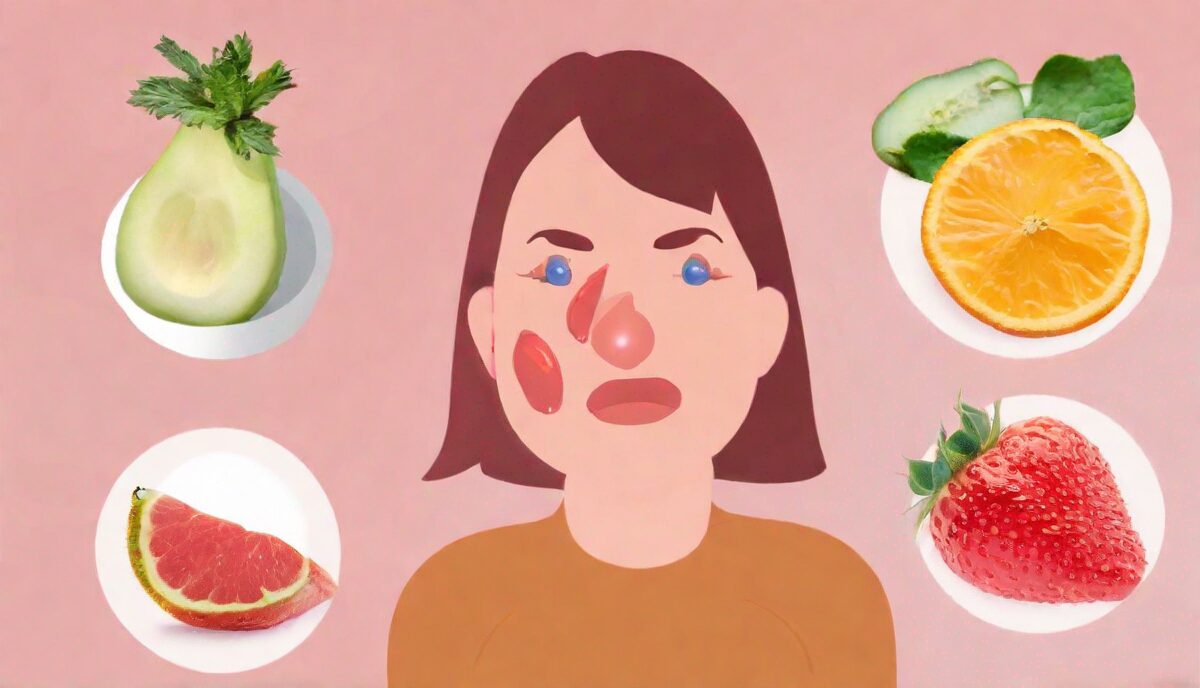
Living with rosacea can be a challenging experience, especially when it comes to identifying and avoiding potential triggers. While the exact cause of rosacea flare-ups can be unique to each individual, certain foods have been known to play a role in exacerbating this condition. Understanding which foods may trigger your rosacea is a crucial step in managing symptoms and maintaining clear, comfortable skin.
Understanding Rosacea and Diet
Before diving into specific foods, it’s important to understand the connection between rosacea and diet. While food isn’t the cause of rosacea, it can be a trigger for many individuals. It’s believed that certain foods can cause blood vessels to dilate, leading to the characteristic redness and flushing associated with rosacea.
Spicy Foods and Hot Beverages
Spicy dishes and hot drinks are well-known triggers for rosacea. Capsaicin, the compound that gives chili peppers their heat, can cause a flare-up. Similarly, the temperature of hot beverages like coffee or tea might provoke a reaction. Consider enjoying these foods and drinks at a cooler temperature to minimize the risk.
Alcohol and Rosacea
Alcohol is another common trigger for rosacea symptoms. Red wine, in particular, has been identified as a culprit, but all types of alcohol can have a similar effect. If you choose to drink, moderation is key, and you may want to track your symptoms to determine your personal tolerance level.
Dairy Products
Some individuals with rosacea find that dairy products can lead to flare-ups. Cheese, yogurt, and milk may be problematic for some. Consider experimenting with non-dairy alternatives or reducing your intake to see if it makes a difference in your symptoms.
High-Histamine Foods
Foods high in histamines can sometimes prompt a rosacea response. These include aged cheeses, smoked fish, and certain processed meats. If you suspect high-histamine foods are affecting your rosacea, you may want to consult with a healthcare provider or a dietitian for personalized advice.
Managing Flare-Ups Through Diet
Identifying food triggers is a personal journey and may require patience and careful observation. Keep a food diary to track what you eat and any subsequent rosacea symptoms. Over time, you may start to see patterns that can help you make informed dietary choices to manage your condition.
The Role of Cinnamaldehyde and Flavor Compounds
Beyond the immediate heat of capsaicin, certain flavor-compounds can act as systemic vasodilators. Cinnamaldehyde is a primary offender found in cinnamon, tomatoes, citrus fruits, and chocolate. This compound is known to stimulate Transient Receptor Potential (TRP) channels in the skin, which are the same pathways involved in sensing heat and pain. When these channels are activated, they trigger the release of neuropeptides that cause the characteristic flushing of rosacea. For many, a morning bowl of oatmeal with a dash of cinnamon or a midday tomato-based soup can be a subtle but significant trigger. If you suspect these foods, try swapping cinnamon for cardamom or vanilla, and consider using roasted red peppers or squash-based sauces instead of traditional tomato-based marinara to see if your baseline redness improves.
Understanding the Gut-Skin Axis
Emerging research suggests that the health of your microbiome plays a profound role in skin inflammation. Small Intestinal Bacterial Overgrowth (SIBO) has been identified in a significantly higher percentage of rosacea patients compared to the general population. When gut bacteria are imbalanced, it can lead to systemic inflammation that manifests on the face. Fermented foods like kimchi, sauerkraut, and kombucha are often touted for gut health, but they are also extremely high in biogenic amines, which can be direct triggers for rosacea. The paradox here is that while you may need to improve your gut flora, high-histamine fermented foods might be worsening your skin. Instead of relying on store-bought fermented products, focus on prebiotic fiber sources like cooked carrots, sweet potatoes, and asparagus, which nourish beneficial bacteria without the histamine load.
The Impact of Glycemic Index and Insulin Spikes
High-glycemic index foods—those that cause rapid spikes in blood sugar and insulin—can promote systemic inflammation and exacerbate rosacea. Refined carbohydrates like white bread, sugary cereals, and processed snack foods trigger an insulin response that may stimulate sebum production and inflammatory pathways in the skin. When blood sugar levels fluctuate rapidly, the body often releases cortisol, a stress hormone that is a known exacerbator of rosacea. To stabilize these levels, focus on complex carbohydrates that digest slowly, such as quinoa, brown rice, and legumes. By maintaining a more stable blood glucose level, you reduce the hormonal fluctuations that often act as a secondary catalyst for skin redness.
Hidden Triggers in Processed Additives
It is not just whole foods that cause issues; processed food additives can be silent culprits. Many shelf-stable products contain niacin (Vitamin B3) in doses that can cause a localized “flush” in sensitive individuals, even if they are not allergic. Furthermore, artificial sweeteners like aspartame and certain flavor enhancers such as Monosodium Glutamate (MSG) have been documented as potential triggers for neurogenic inflammation. When reading labels, look for “hidden” sources of these ingredients. If you notice a flare-up after eating processed snacks, check the label for yeast extract, hydrolyzed vegetable protein, or autolyzed protein, which often contain high levels of free glutamates that can mimic the effects of MSG.
Navigating Temperature and Preparation Methods
While the temperature of a beverage is often discussed, the temperature of food and the method of cooking are equally critical. High-heat cooking methods like grilling, charring, and deep-frying can create advanced glycation end-products (AGEs) in food. These compounds are pro-inflammatory and can increase oxidative stress in the body. For a rosacea-friendly diet, prioritize “low and slow” cooking methods such as steaming, poaching, or braising. These techniques preserve the integrity of the food’s nutrients while minimizing the creation of inflammatory byproducts. Additionally, eating foods at room temperature rather than piping hot can prevent the immediate thermal stimulation of facial blood vessels, providing a simple way to enjoy a wider variety of meals without the risk of an immediate flare.
The Importance of Hydration and Electrolyte Balance
Dehydration is a frequently overlooked factor that can make skin more reactive to external stimuli. When you are dehydrated, your skin’s barrier function is compromised, making it easier for environmental triggers to cause irritation. However, the *type* of hydration matters. Some individuals find that highly acidic beverages, such as lemon water or heavily infused fruit waters, can cause a mild acidic reaction in the gut that triggers flushing. Opt for pH-balanced water or herbal infusions that are naturally cooling, such as peppermint or chamomile (avoiding caffeine). Furthermore, maintaining a proper electrolyte balance through mineral-rich foods like avocados and bananas can help support cellular function and skin resilience, preventing the skin from becoming overly sensitive to dietary changes.
FAQs About Rosacea and Diet
- Can changing my diet cure rosacea?
- No, changing your diet won’t cure rosacea, but it can help manage and reduce flare-ups.
- Is it necessary to avoid all potential trigger foods?
- Not necessarily. It’s important to identify your personal triggers, as they can vary from person to person.
- Are there any foods that can help with rosacea?
- Some people find that anti-inflammatory foods like omega-3-rich fish and green leafy vegetables can help manage their rosacea symptoms.
- How quickly can food trigger a rosacea flare-up?
- Flare-ups can occur within hours of consuming a trigger food, but the timing can vary.
- Should I consult a professional before changing my diet?
- Yes, it’s always a good idea to speak with a healthcare provider or dietitian before making significant dietary changes.
Related posts:
 The Food Intolerance That’s More Common Than You Think
 Acne and Rosacea: Understanding the Connection and Treatment Options
 Is Kombucha Making Your IBS Worse?
 Mind-Skin Connection: Psychodermatology Insights
 I have eczema, rosacea, and sensitive skin—these are the only hypoallergenic makeup products I use
 Cropped Flare Leggings Are Having a Moment and We’re Here for It
 The Hidden Gut Connection Behind Chronic Fatigue Syndrome
 Depression and Gut Health Connection