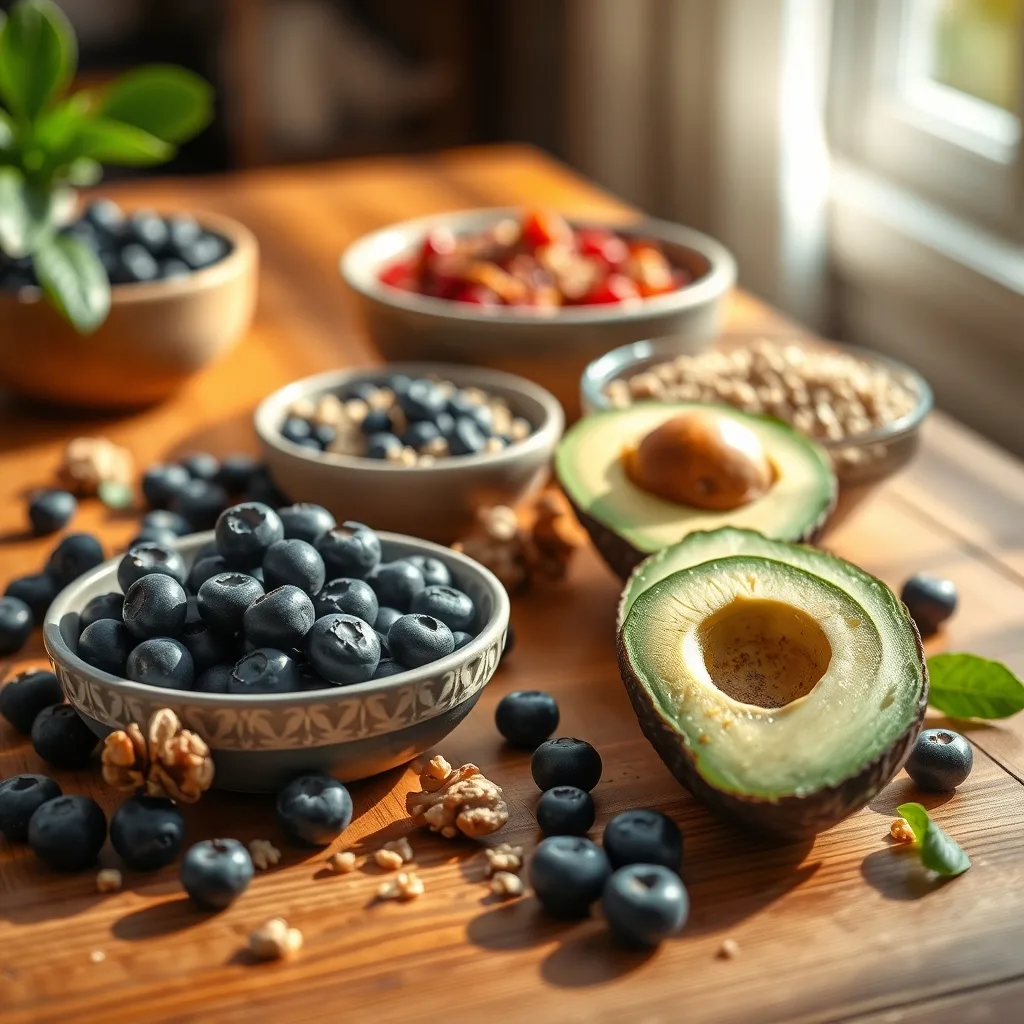
When you are in the depths of burnout, even the simplest tasks—like deciding what to eat or boiling a pot of water—can feel like insurmountable challenges. Burnout is more than just being “tired”; it is a state of emotional, physical, and mental exhaustion caused by excessive and prolonged stress. It occurs when you feel overwhelmed, emotionally drained, and unable to meet constant demands. While the primary cure for burnout involves systemic changes, boundary setting, and often professional psychological support, the role of nutrition is an essential, supportive pillar in the recovery process.
Chronic stress puts the body in a state of constant high alert, triggering the repeated release of cortisol and adrenaline. Over time, this hormonal imbalance depletes the body’s stores of critical vitamins and minerals, which in turn makes you more susceptible to further stress. This creates a vicious cycle: stress depletes your nutrients, and nutrient deficiencies lower your resilience to stress. By strategically incorporating specific foods that support the nervous system, stabilize blood sugar, and reduce inflammation, you can provide your brain and body with the raw materials needed to heal and regain equilibrium.
Understanding the Connection Between Nutrition and Burnout
To understand why certain foods help combat burnout, we must first look at what happens to the body during chronic stress. When the “fight or flight” response is permanently switched on, the body prioritizes immediate survival over long-term maintenance. This metabolic shift leads to several nutritional deficits. For example, the adrenal glands require significant amounts of Vitamin C and B vitamins to produce and regulate cortisol. When these are depleted, the body’s ability to “turn off” the stress response is impaired, leaving you feeling “wired but tired.”
Furthermore, burnout is often accompanied by systemic inflammation. Chronic stress increases the production of pro-inflammatory cytokines, which can lead to “brain fog,” joint pain, and a general sense of malaise. This inflammation affects the hippocampus—the part of the brain responsible for memory and emotional regulation—making it harder to concentrate or feel joy. Nutrition acts as a biochemical intervention, providing anti-inflammatory compounds and precursors to neurotransmitters like serotonin and dopamine, which help stabilize mood and restore cognitive function.
Omega-3 Fatty Acids for Cognitive Resilience
The human brain is approximately 60% fat, and a significant portion of that is omega-3 fatty acids. During periods of burnout, cognitive dysfunction—often described as brain fog—is a hallmark symptom. Omega-3s, particularly EPA (eicosapentaenoic acid) and DHA (docosahexaenoic acid), are crucial for maintaining the integrity of neuronal membranes and reducing neuroinflammation.
Foods rich in omega-3s help to lower the levels of cortisol in the brain and support the production of brain-derived neurotrophic factor (BDNF), a protein that promotes the growth of new neurons and synapses. This is essential for recovering the mental flexibility and problem-solving abilities that are often lost during burnout.
Best Sources of Omega-3s:
- Fatty Fish: Salmon, mackerel, sardines, and trout are the gold standards for EPA and DHA.
- Walnuts: A great plant-based source of alpha-linolenic acid (ALA).
- Chia Seeds and Flaxseeds: These can be easily added to smoothies or oatmeal for a low-effort nutrient boost.
- Algae-based Supplements: For those following a vegan diet, algae oil provides the direct DHA/EPA that seeds cannot.
Practical Tip: If cooking a piece of salmon feels too overwhelming, try canned sardines or wild-caught canned salmon. They require zero preparation and provide a massive dose of brain-supporting fats.
Magnesium-Rich Foods to Calm the Nervous System
Magnesium is often referred to as the “relaxation mineral.” It plays a critical role in over 300 enzymatic reactions in the body, including the regulation of the hypothalamic-pituitary-adrenal (HPA) axis. When we are stressed, our bodies excrete magnesium at a higher rate through urine, leading to a deficiency that manifests as muscle tension, insomnia, anxiety, and irritability.
By increasing your intake of magnesium, you help the body inhibit the over-excitation of the nervous system. Magnesium binds to GABA receptors in the brain—GABA being the primary inhibitory neurotransmitter that tells the brain to “slow down.” This makes magnesium-rich foods particularly effective for those experiencing the insomnia and restlessness associated with burnout.
Best Sources of Magnesium:
- Dark Leafy Greens: Spinach, kale, and Swiss chard are packed with magnesium and folate.
- Pumpkin Seeds (Pepitas): One of the most concentrated sources of magnesium available.
- Dark Chocolate: (70% cocoa or higher) provides magnesium and flavonoids that improve blood flow to the brain.
- Almonds and Cashews: Convenient snacks that support nerve function.
Practical Tip: Keep a jar of roasted pumpkin seeds on your desk. When you feel a spike of anxiety or tension during the workday, a handful of seeds can provide a subtle, grounding effect on your nervous system.
The Role of Complex Carbohydrates in Mood Stabilization
When we are burnt out, we often crave sugar and refined carbohydrates. This is a biological response; the brain is searching for a quick hit of glucose to fuel its stressed state. However, this leads to a “blood sugar roller coaster”—a spike in energy followed by a crashing drop that leaves you feeling more exhausted and irritable than before.
The key to combating burnout is not to avoid carbohydrates, but to switch to complex carbohydrates. These are digested slowly, providing a steady stream of glucose to the brain and stimulating the production of serotonin, the “feel-good” hormone. Serotonin is synthesized from the amino acid tryptophan, but it requires a modest insulin response (triggered by healthy carbs) to cross the blood-brain barrier effectively.
Best Sources of Complex Carbohydrates:
- Steel-Cut Oats: Provide long-lasting energy and fiber to prevent insulin spikes.
- Quinoa and Brown Rice: Whole grains that offer both B vitamins and steady energy.
- Sweet Potatoes: Rich in beta-carotene and complex starches that soothe the system.
- Legumes: Lentils, chickpeas, and black beans provide the dual benefit of complex carbs and protein.
Practical Tip: Swap your morning white toast or sugary cereal for overnight oats with berries. Preparing them the night before removes the decision-fatigue of breakfast and keeps your mood stable until lunch.
B-Vitamins: The Energy Engine for Mental Fatigue
If you feel a profound sense of “mental fatigue” where you cannot focus or find the motivation to start a task, you may be depleted in B vitamins. B-complex vitamins (specifically B6, B9/Folate, and B12) are essential for converting the food you eat into cellular energy (ATP). They are also critical for the synthesis of neurotransmitters that regulate mood and stress.
Vitamin B12, in particular, is vital for the maintenance of the myelin sheath—the protective coating around your nerves. A deficiency in B vitamins can mimic the symptoms of burnout, including memory loss, depression, and extreme lethargy, making it imperative to replenish these stores during recovery.
Best Sources of B-Vitamins:
- Eggs: A powerhouse of choline and B vitamins.
- Lean Proteins: Chicken, turkey, and fish provide B6 and B12.
- Nutritional Yeast: A vegan-friendly way to get a massive dose of B vitamins with a cheesy flavor.
- Avocados: Rich in folate and healthy fats to support nutrient absorption.
Practical Tip: Adding a tablespoon of nutritional yeast to popcorn or pasta is an effortless way to boost your B-vitamin intake without needing to cook a complex meal.
Antioxidants and Vitamin C to Combat Oxidative Stress
Chronic stress induces oxidative stress, a process where unstable molecules called free radicals damage cells and tissues. This is particularly damaging to the adrenal glands, which are the command centers for your stress response. Vitamin C is highly concentrated in the adrenal glands and is used up rapidly during times of high tension.
Antioxidants—found in brightly colored fruits and vegetables—neutralize these free radicals and lower systemic inflammation. By reducing the oxidative load on your body, you allow your organs to recover from the “wear and tear” of long-term burnout.
Best Sources of Antioxidants and Vitamin C:
- Berries: Blueberries, strawberries, and raspberries are rich in anthocyanins that protect the brain.
- Citrus Fruits: Oranges, lemons, and grapefruit provide the Vitamin C needed for adrenal support.
- Bell Peppers: These contain more Vitamin C per gram than most citrus fruits.
- Dark Leafy Greens: Provide a mix of Vitamin C, E, and various phytonutrients.
Practical Tip: Keep a bag of frozen mixed berries in the freezer. They are just as nutritious as fresh berries but require no washing or chopping, making them a perfect low-energy snack or smoothie addition.
Supporting the Gut-Brain Axis with Probiotics
The connection between the gut and the brain is bidirectional, often called the “gut-brain axis.” Interestingly, about 90% to 95% of the body’s serotonin—the neurotransmitter responsible for mood stability and sleep—is produced in the gut, not the brain. Chronic stress can alter the composition of your gut microbiome, leading to “leaky gut” or dysbiosis, which can exacerbate feelings of anxiety and depression.
Incorporating probiotic and prebiotic foods helps restore a healthy microbial balance. A healthy gut reduces the production of inflammatory markers that travel to the brain, thereby clearing the fog and improving your emotional resilience.
Best Sources of Probiotics and Prebiotics:
- Fermented Foods: Kefir, kimchi, sauerkraut, and kombucha introduce beneficial bacteria.
- Greek Yogurt: Provides both probiotics and protein to keep you full.
- Garlic and Onions: Act as prebiotics, feeding the good bacteria already in your gut.
- Asparagus and Bananas: Provide the fiber necessary for a healthy microbiome.
Practical Tip: Try adding a spoonful of sauerkraut or a side of kimchi to your lunch. These fermented foods are usually available pre-made and require zero preparation.
Practical Strategies for Eating When You Have Zero Energy
The most frustrating part of burnout is that the foods you need most often require the most effort to prepare. When you are exhausted, a recipe with ten steps feels like a mountain. The goal is to reduce the “friction” between you and your nutrition.
Low-Barrier Nutrition Hacks:
- The “Assembly” Method: Instead of “cooking,” focus on “assembling.” A meal of canned chickpeas, pre-washed baby spinach, pre-cut cucumber, and store-bought hummus is a nutrient-dense meal that requires zero heat.
- Frozen is Fine: Frozen vegetables are often more nutrient-dense than “fresh” produce that has sat on a truck for a week. Use frozen broccoli, peas, and cauliflower to skip the chopping.
- Batch Prep for the “Bad Days”: On a day when you have a sliver of energy, cook a large pot of quinoa or roast a tray of vegetables. Store them in the fridge so that when the burnout hits hard, you only have to reheat and eat.
- Liquid Nutrition: If chewing feels like too much work, make a recovery smoothie: spinach (magnesium), frozen berries (antioxidants), Greek yogurt (probiotics), and flaxseeds (omega-3s).
Sample Day of Eating for Burnout Recovery:
- Breakfast: Overnight oats with chia seeds, blueberries, and a drizzle of honey.
- Lunch: Canned tuna or chickpeas over pre-washed mixed greens with avocado and olive oil.
- Snack: A handful of walnuts and a piece of dark chocolate.
- Dinner: Baked salmon (or tofu) with frozen steamed broccoli and a side of brown rice.
- Evening: A cup of chamomile or magnesium-rich herbal tea.
Hydration and the Impact of Caffeine and Sugar on Burnout
When we are exhausted, we often lean on caffeine and sugar to get through the day. While a morning coffee is generally fine, excessive caffeine can be counterproductive during burnout. Caffeine stimulates the release of more cortisol and adrenaline, which can keep you in a state of hyper-vigilance and interfere with the deep, restorative sleep you desperately need.
Similarly, refined sugars cause rapid spikes and drops in blood glucose. This volatility mimics the feelings of anxiety—shaking, heart racing, and irritability—which can make you feel like your burnout is worsening. Hydration is equally critical; even mild dehydration can lead to fatigue and decreased cognitive function, adding to the burden of burnout.
Actionable Guidance for Hydration and Stimulants:
- The Caffeine Cut-off: Try to stop caffeine intake by 12:00 PM to ensure it doesn’t interfere with your sleep architecture.
- Pair Your Coffee: If you drink coffee, pair it with a protein or healthy fat (like a handful of almonds or an egg) to slow the absorption of caffeine and prevent the jittery crash.
- Infused Water: If plain water is boring, add slices of cucumber or lemon. This makes hydration feel like a small act of self-care.
- Herbal Alternatives: Switch your afternoon coffee for peppermint or ginger tea, which can soothe the digestive system—often sensitive during periods of stress.
Frequently Asked Questions
Can supplements replace whole foods for burnout recovery?
Supplements can be helpful, especially for B12 or Vitamin D if you have a diagnosed deficiency. However, they cannot replace the synergistic effect of whole foods. For example, the magnesium in pumpkin seeds comes with protein and fiber, which helps the body absorb it more effectively than a synthetic pill. Always consult a healthcare provider before starting supplements to ensure they don’t interact with other medications.
I have intense sugar cravings when I’m stressed. How do I stop them?
Sugar cravings during burnout are usually a sign that your brain is starved for energy or that your blood sugar is unstable. Instead of fighting the craving with willpower, try “crowding it out.” Eat a source of protein or healthy fat first (like an apple with almond butter). This stabilizes your blood sugar and reduces the intensity of the craving. If you still want something sweet, reach for dark chocolate or berries.
Does eating specific foods actually “cure” burnout?
No, nutrition alone cannot cure burnout. Burnout is a systemic issue usually rooted in your environment, workload, or relationship with your boundaries. However, nutrition provides the biological foundation that makes the psychological work possible. It is much harder to implement boundaries or attend therapy when you are suffering from severe brain fog and exhaustion. Food is a tool for recovery, not a replacement for systemic change.
What is the best drink for someone experiencing burnout?
Water is the most essential, but for those in burnout, herbal teas like chamomile, lemon balm, or passionflower can be incredibly soothing. These herbs have mild sedative properties that help lower cortisol levels. If you need energy, green tea is a better alternative to coffee because it contains L-theanine, an amino acid that promotes relaxation and focus without the jagged edge of caffeine.
How do I start changing my diet when I’m too exhausted to change anything?
Start with the “One-Thing Rule.” Do not try to overhaul your entire diet overnight, as this will only add to your stress. Choose one small change: perhaps replacing your afternoon soda with water, or adding one handful of spinach to your dinner. Once that feels automatic and easy, add one more. The goal is to nourish yourself with compassion, not to add another chore to your to-do list.
Related posts:
 PHA Bodyweight Workout: Efficient Fitness Anywhere, Anytime
 Vitamin C and Mood Connection
 Caffeine Gum: The New Energy Booster
 Brain-Boosting Foods
 Foods That Help Combat Stress Naturally
 The Hidden Magnesium Power of Avocados Will Blow Your Mind
 Why Coffee and Magnesium Are the Power Couple Your Body Needs
 Jittery and Anxious: The Hidden Connection Between Your Coffee Cup and Panic