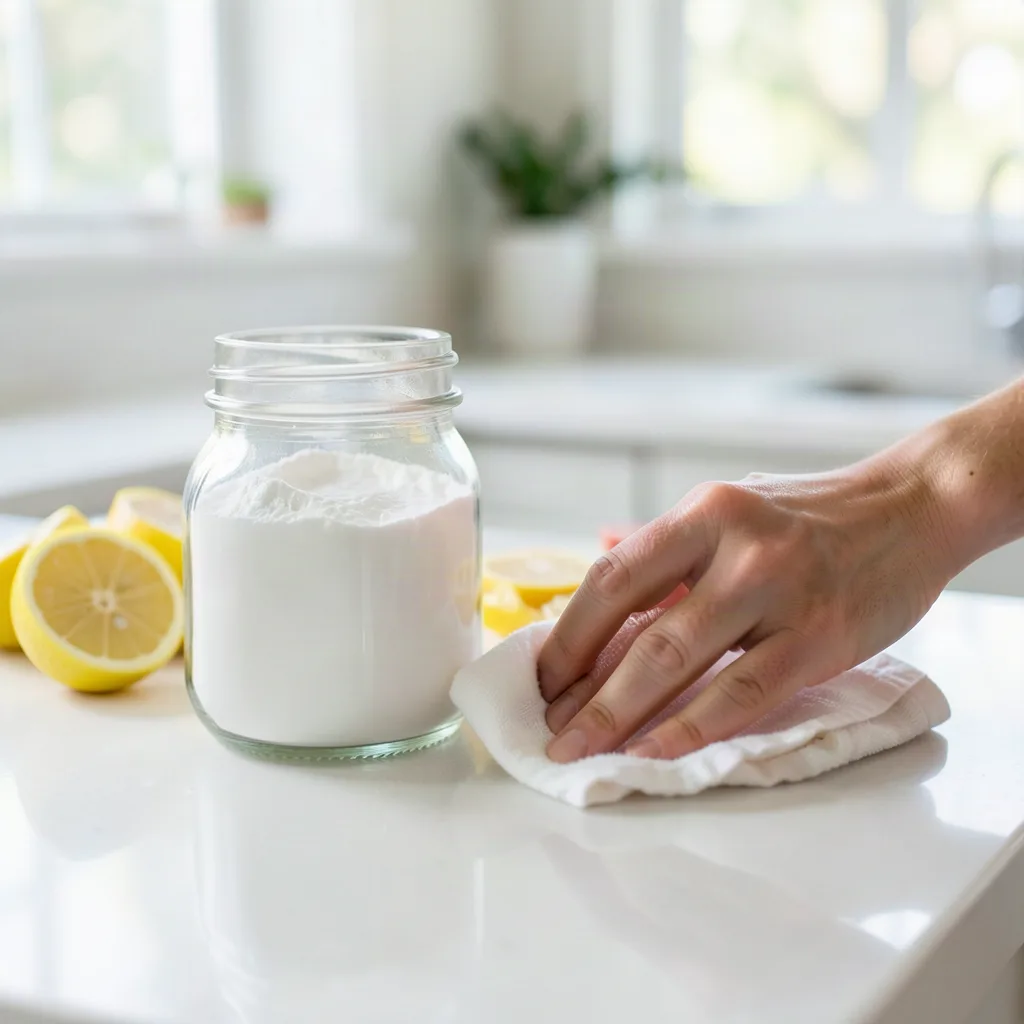
For decades, many of us have reached for the distinctive blue or white bottle of bleach whenever a mess seemed too daunting or a surface needed sanitizing. We grew up associating that sharp, clinical odor with true cleanliness. However, as we become more conscious of the air quality inside our homes and the environmental impact of the chemicals we wash down our drains, a shift is occurring. We are looking for alternatives that are effective yet gentle on our respiratory systems and the planet. Enter the most versatile, cost-effective, and surprisingly powerful tool in your cleaning arsenal: white distilled vinegar.
Key takeaways
- Use a 50/50 vinegar and water solution to clean windows, microwaves, and non-stone countertops effectively.
- Substitute commercial fabric softener with half a cup of vinegar to remove odors and strip detergent residue from clothes.
- Dissolve limescale on showerheads by soaking them overnight in a bag filled with undiluted white vinegar.
- Never use vinegar on natural stone surfaces like marble or granite, as the acid causes permanent etching and damage.
- Avoid mixing vinegar with bleach, as the combination creates toxic chlorine gas that is dangerous to inhale.
White vinegar is a humble kitchen staple, usually reserved for pickling or salad dressings, but its chemical properties make it a formidable opponent for grime, grease, and mineral deposits. Unlike bleach, which can be corrosive and produce toxic fumes if mixed incorrectly, vinegar is a biodegradable acetic acid solution that offers a safer path to a sparkling home. In this guide, we will explore why vinegar deserves a permanent spot in your cleaning caddy and how you can use it to transform every room in your house without the harsh side effects of traditional industrial cleaners.
The Science of Clean: Why Acetic Acid Works
To understand why vinegar is so effective, we have to look at its chemistry. Most white distilled vinegar sold in grocery stores consists of about 5% acetic acid and 95% water. While that might sound like a weak concentration, it is the perfect level of acidity to tackle a variety of household tasks. Acetic acid is a solvent, meaning it can dissolve certain substances on contact. This is particularly useful for breaking down the molecular bonds of dirt, grease, and mineral buildup.
One of the primary strengths of vinegar lies in its ability to dissolve alkaline substances. Most hard water stains, which appear as white, chalky deposits on your faucets and showerheads, are made of calcium carbonate. Because vinegar is acidic, it reacts with these alkaline minerals, breaking them down into soluble components that can be easily wiped away. Similarly, soap scum—the filmy residue left behind by bar soaps—is easily cut through by the acidity of vinegar. Beyond its dissolving power, vinegar acts as a mild disinfectant. While it is not registered as a hospital-grade disinfectant and should not be used to treat surfaces contaminated with serious pathogens like Hepatitis or MRSA, studies have shown it can kill various household bacteria and molds, making it more than sufficient for general daily maintenance.
Mastering the Kitchen: From Microwaves to Dishwashers
The kitchen is arguably the most important room for non-toxic cleaning because it is where we handle our food. Using harsh chemicals around prep surfaces can lead to accidental ingestion or lingering odors that affect the taste of your meals. Vinegar provides a food-safe alternative that excels in several key areas. Start with the microwave: instead of scrubbing at baked-on food splatters, place a bowl containing a mixture of half water and half vinegar inside. Run the microwave for five minutes until it steams, then let it sit for another two minutes. The steam will loosen the grime, allowing you to wipe the interior clean with a single pass of a cloth.
Your dishwasher also benefits immensely from a vinegar treatment. Over time, grease and limescale can clog the spray arms and dull the interior. Once a month, place a dishwasher-safe bowl filled with two cups of white vinegar on the top rack and run a full cycle without any dishes or detergent. This will strip away buildup and leave the machine smelling fresh. For your coffee maker or electric kettle, vinegar is the ultimate descaler. Run a cycle with equal parts water and vinegar, followed by two cycles of plain water to rinse. This process removes the mineral deposits that can slow down your machine and alter the flavor of your morning brew. For countertops (provided they are not natural stone), a simple spray of vinegar and water can cut through the film left behind by cooking oils and food prep.
Banishing Bathroom Grime and Limescale
The bathroom is often the most dreaded room to clean, but vinegar makes the process significantly less laborious. If you live in an area with hard water, you likely struggle with crusty buildup on your showerhead. Rather than using abrasive brushes, fill a plastic bag with white vinegar and secure it over the showerhead with a rubber band, ensuring the nozzles are submerged. Leave it overnight, and by morning, the minerals will have dissolved, restoring full water pressure. This same technique works for faucets and handles that have lost their luster.
For glass shower doors that are clouded by soap scum, vinegar is a miracle worker. Create a solution of one part vinegar and one part grease-cutting dish soap. The soap helps the vinegar cling to the vertical glass surface, allowing the acid time to break down the film. Apply the mixture, let it sit for ten minutes, and then rinse with warm water. You will be left with a streak-free shine that rivals any commercial glass cleaner. Furthermore, vinegar can be used to freshen toilets. Pour a cup of vinegar into the bowl and let it sit for several hours (or overnight) before scrubbing. It helps lift stains and neutralize odors at the source without the need for bleach-based tablets that can damage the internal rubber components of your toilet tank.
Revolutionizing Laundry Day: Softener and Odor Eliminator
Many commercial fabric softeners work by coating clothing fibers in a thin layer of wax or oil. While this makes clothes feel soft, it can also reduce the absorbency of towels and trap odors inside synthetic fabrics over time. White vinegar offers a superior alternative. Adding half a cup of vinegar to the fabric softener dispenser during the rinse cycle helps to strip away excess detergent and mineral deposits, leaving fabrics naturally soft and static-free. Because it removes the residue that traps bacteria, it is also incredibly effective at eliminating the “sour” smell that sometimes plagues towels or gym clothes.
Vinegar is also an excellent pre-treatment for stains and underarm yellowing on white shirts. For perspiration stains, spray the area with vinegar before tossing it in the wash. For brightening whites, you can soak garments in a basin of warm water with one cup of vinegar for several hours before laundering. It acts as a mild bleaching agent without the risk of damaging the integrity of the fabric or causing the yellowing that sometimes occurs when chlorine bleach reacts with certain synthetic fibers. Additionally, running an empty cycle with vinegar and hot water once a month will help clean your washing machine, preventing the growth of mold and mildew in the drum and gaskets.
Crystal Clear Views: Perfecting Windows and Mirrors
One of the most common complaints about commercial glass cleaners is the streaking they leave behind, often caused by artificial dyes and fragrances. A simple mixture of 50% distilled water and 50% white vinegar creates a professional-grade glass cleaner for pennies. The secret to a streak-free finish often lies in the tool you use to wipe. While paper towels are convenient, they often leave behind lint. Instead, try using a microfiber cloth or even old newspaper. The ink in the newspaper acts as a very fine abrasive that helps polish the glass to a high shine.
When cleaning windows, try to avoid doing so in direct sunlight. The sun can cause the vinegar solution to dry too quickly, which is the primary cause of streaking. Work from top to bottom, and use a dry cloth to buff the glass after the initial cleaning. This method is also highly effective for mirrors, glass tabletops, and even the screens of your electronic devices (though you should spray the cloth, not the screen, and check the manufacturer’s guidelines first). The acidity of the vinegar ensures that any oily fingerprints or dust are lifted away completely, leaving nothing but a transparent finish.
Floor Care: How to Use Vinegar on Different Surfaces
Vinegar is a fantastic floor cleaner, but it must be used with caution depending on the material. For linoleum, vinyl, and ceramic tile, a solution of one gallon of warm water mixed with half a cup of vinegar is an ideal mopping solution. It cuts through the sticky residue that often accumulates in high-traffic areas like mudrooms and kitchens. Because it evaporates quickly, it doesn’t leave behind a dulling film, which is a common issue with soap-based floor cleaners.
When it comes to hardwood floors, the advice is more nuanced. Many flooring experts suggest avoiding vinegar on wood because the acid can, over time, break down the polyurethane finish that protects the wood. However, if used sparingly and in a highly diluted form (about 1/4 cup per gallon of water), it can be used for occasional deep cleaning to remove wax buildup. The key is to ensure the mop is damp, not soaking wet, and to dry the floor immediately afterward. For laminate flooring, vinegar is generally safe and effective for removing streaks, provided you don’t allow moisture to seep into the seams. Always test a small, inconspicuous area first to ensure the finish of your flooring isn’t affected.
Essential Safety: When to Keep Vinegar in the Pantry
While vinegar is a powerhouse, it is not a “one-size-fits-all” solution. Understanding its limitations is crucial for protecting your home’s surfaces. The most important rule is to never use vinegar on natural stone, such as granite, marble, or limestone. These stones are composed of calcium carbonate, the same mineral that vinegar is so good at dissolving. Using an acidic cleaner on these surfaces will cause “etching”—permanent dull spots or pits in the stone that cannot be easily repaired. For these materials, stick to pH-neutral cleaners specifically designed for stone.
Another area to avoid is unsealed grout. While vinegar can clean grout, the acid can penetrate the porous surface and weaken it over time if it isn’t properly sealed. You should also exercise caution with certain rubber parts; while vinegar is great for cleaning washing machines, prolonged exposure to high concentrations of acetic acid can degrade some types of natural rubber seals and hoses. Finally, never mix vinegar with bleach. This is the most critical safety warning: combining the two creates toxic chlorine gas, which can be fatal if inhaled. Always ensure that a surface is thoroughly rinsed of one cleaner before applying another, and never mix DIY cleaning solutions in the same bottle unless you are certain they are compatible.
DIY Cleaning Recipes: Creating Your Non-Toxic Arsenal
Building your own cleaning kit with vinegar is simple and rewarding. For a general **All-Purpose Spray**, mix 1 cup of white vinegar, 1 cup of water, and 10-15 drops of an essential oil like lemon, lavender, or tea tree. The essential oils help mask the initial scent of the vinegar and add their own mild antibacterial properties. For a **Heavy-Duty Scrub**, create a paste using baking soda and a small amount of vinegar. This will fizz—a reaction that helps lift dirt—and provide a gentle abrasive for cleaning sinks and tubs.
For a **Wood Polish**, mix 1/4 cup of vinegar with 1/2 cup of olive oil. The vinegar cleans the surface while the olive oil hydrates the wood, leaving a beautiful glow (again, test this on a small area first). If you are dealing with **Carpet Stains**, mix one tablespoon of liquid dish soap and one tablespoon of white vinegar with two cups of warm water. Blot the stain with a white cloth, working from the outside in, to lift the pigment without damaging the carpet fibers. These recipes are not only safer for your family but also significantly cheaper than buying specialized products for every corner of your home. By keeping a gallon of white vinegar under the sink, you are always prepared for whatever mess life throws your way.
Economic and Environmental Impact
The transition from synthetic chemical cleaners to vinegar isn’t just about personal health; it’s about a broader commitment to sustainable living. Commercial cleaning products often come in single-use plastic bottles, many of which end up in landfills. By purchasing vinegar in bulk and using reusable glass spray bottles, you significantly reduce your household’s plastic waste. Furthermore, the ingredients in many commercial cleaners can be harmful to aquatic life once they enter the water system. Vinegar, being a natural byproduct of fermentation, breaks down quickly and harmlessly in the environment.
From a financial perspective, the savings are undeniable. A gallon of white vinegar typically costs less than three dollars and can replace a window cleaner, a floor cleaner, a fabric softener, and a descaler—products that could easily cost thirty to forty dollars combined. For families looking to stretch their budget without compromising on the cleanliness or safety of their home, vinegar is the ultimate economic ally. It proves that you don’t need expensive, brightly colored liquids to maintain a beautiful and hygienic living space. Sometimes, the best solutions are the ones that have been sitting in our pantries all along.
Outdoor and Garden Maintenance: Beyond the Kitchen Door
While vinegar is a hero inside the home, its utility extends deep into your backyard and garden. One of the most effective uses for white vinegar outdoors is as a natural, non-selective herbicide. For homeowners looking to avoid glyphosate-based products, undiluted white vinegar can be sprayed directly onto weeds growing in sidewalk cracks, driveways, or between patio pavers. The acetic acid works by drawing the moisture out of the plant’s leaves, causing it to wither within hours. However, a crucial edge case to remember is that vinegar does not discriminate; it will kill your prized marigolds just as quickly as a dandelion, so precision is key. For more stubborn weeds, applying the vinegar on a hot, sunny day increases its efficacy, as the sun accelerates the desiccation process.
Beyond weed control, vinegar is indispensable for maintaining garden tools and accessories. Terracotta pots, while beautiful, often develop unsightly white crusts over time due to the leaching of minerals and salts from fertilizers. To restore them, soak the pots in a solution of one part vinegar to four parts water for about an hour; the minerals will dissolve, and the pots will look brand new. You can also use vinegar to clean and sanitize bird baths and feeders. Unlike bleach, which can be toxic to birds if not rinsed perfectly, a vinegar scrub removes algae and bacteria safely. Simply ensure a thorough rinse with plain water afterward to remove the scent, which might briefly deter your feathered visitors. For rusty garden shears or trowels, a 24-hour soak in undiluted vinegar followed by a light scrub with steel wool will strip away oxidation and restore the metal’s integrity.
Pet-Safe Sanitization and Odor Neutralization
Pet owners face a unique challenge: finding cleaners that are powerful enough to handle biological messes but safe enough for animals that spend their lives close to the floor. Vinegar is an exceptional tool for managing pet odors because it doesn’t just mask the smell; it neutralizes the alkaline salts found in dried urine. If a pet has an accident on a rug, blotting the area with a mixture of equal parts vinegar and water can help break down the uric acid. This is particularly important because if the scent remains—even if humans can’t smell it—the pet may return to the same spot. For hard floors, a vinegar-based mop solution ensures that no toxic residue is left on paws that the animal will later lick.
Small animal habitats, such as bird cages, hamster enclosures, or rabbit hutches, also benefit from vinegar’s cleaning power. Traditional cleaners can emit volatile organic compounds (VOCs) that are dangerous to the sensitive respiratory systems of birds and small mammals. Vinegar provides a way to disinfect these spaces without the risk of lingering fumes. Use it to wipe down plastic trays, glass walls, and even ceramic food bowls. For aquarium owners, vinegar is a safe way to clean the exterior glass of the tank and the lime scale that often builds up on the lid and light fixtures. Just be careful to apply the vinegar to a cloth rather than spraying it near the water, as a sudden drop in pH could be catastrophic for the fish inside. After cleaning, the vinegar scent evaporates quickly, leaving the habitat fresh and safe.
Metal Restoration: Polishing Brass, Copper, and Chrome
The chemical reaction between acetic acid and metal oxides makes vinegar an extraordinary polishing agent for specific household metals. Brass and copper, which naturally tarnish over time when exposed to oxygen, can be restored to a mirror-like finish using a simple homemade paste. Mix equal parts white vinegar, table salt, and flour to create a thick consistency. The salt acts as a mild abrasive, while the vinegar reacts with the tarnish. Apply the paste to the metal surface and let it sit for 15 to 30 minutes. When you wipe it off and buff the surface with a dry cloth, the oxidation will be gone. This is a far safer and more pleasant-smelling alternative to commercial metal polishes that often contain harsh petroleum distillates.
Chrome fixtures in the kitchen and bathroom also respond beautifully to vinegar. If your faucets or towel racks have become dull or spotted with hard water marks, a quick wipe with a vinegar-soaked cloth will restore their shine instantly. For heavily rusted iron or steel items, such as old tools or kitchen hardware, a prolonged soak is required. The acetic acid slowly eats through the iron oxide (rust). After soaking, it is vital to neutralize the acid by rinsing the item in a solution of water and baking soda, then drying it immediately and applying a light coat of oil to prevent flash-rusting. Note a critical edge case: never use vinegar on silver or silver-plated items. Silver is a soft metal, and the acidity of vinegar can be too aggressive, potentially causing pitting or removing the delicate patina that gives antique silver its character.
Automotive Care: Winter Solutions and Interior Detailing
Many people are surprised to learn that a bottle of vinegar belongs in the garage as much as the pantry. During the winter months, vinegar can be a lifesaver for car owners. A solution of three parts vinegar to one part water, sprayed on car windows at night, can help prevent frost from forming, saving you time on your morning commute. This works because vinegar has a lower freezing point than plain water. Furthermore, if you live in an area where road salt is used, you know how it can leave white, crusty stains on your car’s carpets and floor mats. Vinegar is the most effective way to dissolve these salt deposits. Spray the affected area, let it sit for a few minutes, and then blot it up with a towel.
For general detailing, vinegar is excellent for cleaning windshield wiper blades. Over time, blades can become coated with road film and debris, causing them to streak or squeak. Wiping the rubber edge of the blade with a cloth dipped in vinegar removes this buildup and extends the life of the wipers. Inside the car, a diluted vinegar solution can be used to clean the dashboard and plastic trim, effectively removing dust and sticky fingerprints without leaving behind the greasy, high-shine residue associated with many commercial protectants. However, use caution if your car has a leather interior; while a very dilute solution can be used for cleaning, vinegar can strip the natural oils from leather if used too frequently. Always follow up with a leather conditioner to keep the material supple.
Deep-Cleaning Seasonal and Specialty Appliances
Beyond the standard dishwasher and microwave, vinegar is essential for maintaining specialty appliances that are often overlooked until they stop working correctly. Humidifiers, for instance, are notorious for harboring mold and mineral scale. Because they disperse moisture directly into the air you breathe, cleaning them with bleach or harsh detergents is risky. Instead, fill the base of the humidifier with undiluted vinegar and let it sit for an hour to break down scale. For the water tank, a mixture of vinegar and water shaken vigorously will kill most bacteria and mold. This ensures the air in your home remains truly clean, not just moist.
The garbage disposal is another area where vinegar can perform double duty. To clean and sharpen the blades simultaneously, make “vinegar ice cubes.” Fill an ice tray with a mixture of half water and half vinegar. Once frozen, toss the cubes down the disposal and turn it on with a cold water flush. The ice helps knock off food debris and sharpens the impellers, while the vinegar deodorizes the grinding chamber. Similarly, for front-loading washing machines that have developed a musty smell, the rubber gasket is often the culprit. Wipe the folds of the gasket with a cloth soaked in vinegar to kill the mildew that thrives in that damp environment. For air conditioner filters (the reusable plastic mesh type), a 20-minute soak in a vinegar-water solution will remove accumulated dust and kill any allergens, improving your home’s overall air quality.
Advanced Fabric Care: Color Setting and Odor Extraction
While the existing article mentions vinegar as a fabric softener, its role in the laundry room can be much more technical. For those who love dark denim or vibrant colored linens, vinegar acts as a powerful mordant, or color-fixative. When you buy a new pair of dark jeans that you fear will bleed in the wash, soak them in a basin of cold water mixed with one cup of white vinegar and a tablespoon of salt before the first wash. This helps “set” the dye into the fibers, preventing the indigo from rubbing off on your furniture or fading prematurely. This technique is also useful for bright towels and red fabrics that are prone to running.
Vinegar also excels at extracting stubborn odors that detergents often leave behind. If you have ever forgotten a load of laundry in the washer overnight, you know the sour, mildewed smell that follows. Re-washing with detergent alone often fails to kill the spores. Adding a cup of vinegar to the load and running it on the hottest setting safe for the fabric will kill the odor-causing bacteria and refresh the clothes. This also applies to vintage clothing or items purchased from thrift stores that may carry a heavy scent of mothballs or cigarette smoke. A pre-soak in a vinegar solution, followed by a standard wash, is often enough to neutralize even the most persistent smells. For gym enthusiasts, vinegar is the secret to removing the “permastink” from synthetic moisture-wicking fabrics, which are designed to repel water but often trap body oils and bacteria. The vinegar breaks down those oils, allowing the detergent to finally wash them away.
The Art of Infused Vinegar: Customizing Your Cleaning Scent
The most common barrier to using vinegar for cleaning is its pungent, acidic aroma. While the scent disappears as it dries, the initial application can be overwhelming for some. The solution is to create “infused vinegar,” a process that combines the cleaning power of acetic acid with the pleasant fragrance of natural botanicals. This is not just about aesthetics; many of the plants used for infusion, such as citrus and herbs, contain their own natural solvents and antimicrobial properties. To start, fill a large glass jar halfway with citrus peels (lemon, orange, lime, or grapefruit). Pour white distilled vinegar over the peels until the jar is full, seal it, and let it sit in a cool, dark place for two weeks. The vinegar will take on a bright color and a fresh, fruity scent that masks the sharp acidic notes.
Frequently Asked Questions
1. Does the vinegar smell linger after cleaning?
The sharp scent of vinegar is quite strong when wet, but it dissipates completely as it dries. Unlike synthetic fragrances that linger for hours, the vinegar smell usually vanishes within 15 to 30 minutes. If you find the scent bothersome, you can infuse your vinegar with citrus peels (lemon or orange) for two weeks before using it, or add a few drops of your favorite essential oil to your spray bottle.
2. Can I use apple cider vinegar instead of white vinegar for cleaning?
While apple cider vinegar (ACV) has similar acidic properties, it is generally not recommended for cleaning. ACV contains tannins and natural sugars that can leave behind a sticky residue or even stain light-colored surfaces like carpets and upholstery. White distilled vinegar is clear and leaves no residue, making it the superior choice for household maintenance.
3. Is vinegar effective at killing mold?
Yes, vinegar is highly effective against many types of household mold. Its acidity can penetrate porous surfaces to reach the membrane of the mold. For moldy areas in the bathroom or on window sills, spray undiluted white vinegar directly onto the surface and let it sit for at least an hour before wiping it clean. However, for large-scale mold infestations or toxic black mold, you should always consult a professional.
4. Can I use vinegar to clean my hardwood floors?
You can, but you must be very careful. Use a highly diluted solution (about 1/4 cup to a gallon of water) and ensure your mop is only slightly damp. Never leave standing water on wood floors, as it can cause warping. Many experts suggest using a pH-neutral cleaner for daily wood floor maintenance and saving the vinegar solution for once or twice a year when you need to strip away old wax or cleaning product buildup.
5. Why shouldn’t I mix vinegar and baking soda in a closed bottle?
When vinegar (an acid) and baking soda (a base) meet, they react to create carbon dioxide gas. This is the “fizzing” reaction that is great for unclogging drains or scrubbing sinks. However, if you mix them in a sealed container, the gas pressure can build up until the bottle leaks or even bursts. It is best to apply them one after the other or mix them in an open bowl immediately before use.
Related posts:
 Blueland’s Non-Toxic Cleaning Revolution
 DIY Air Fresheners That Smell Better Than Store-Bought
 The Salt Spray Secret to Perfect Beach Hair Every Time
 Make This Natural Orange All-Purpose Cleaner at Home
 White Sneaker Cleaning Hack
 Bleach Baths for Eczema Relief: What You Need to Know
 The Gross Truth About How Often You Should Really Clean Your Fridge
 Keep Bugs Out of Your House Using This Kitchen Staple