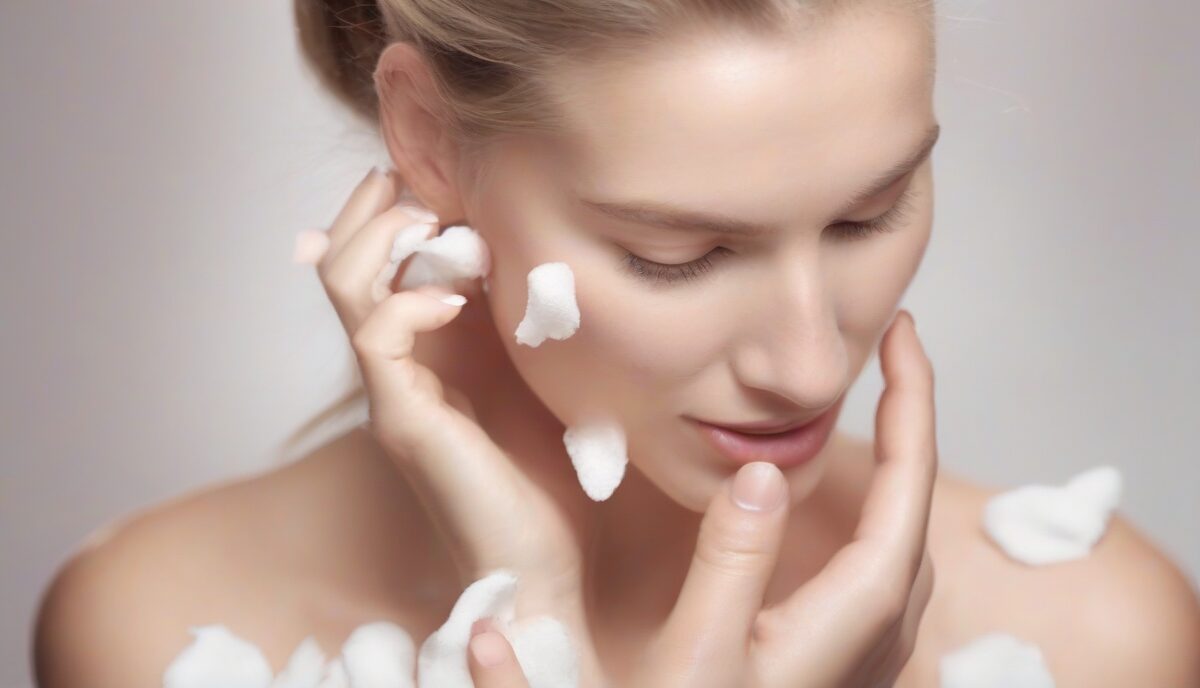
Many people enjoy using fragranced products, but for those with sensitive skin, the impact can be significant. Understanding how fragrances affect sensitive skin can help you make better choices for your skincare routine.
Understanding Sensitive Skin
Sensitive skin is a condition where the skin easily reacts to external stimuli. Symptoms often include redness, itching, and irritation. People with sensitive skin must be cautious about the products they use, as certain ingredients can trigger adverse reactions.
The Role of Fragrance in Skincare Products
Fragrances are added to skincare products to enhance their appeal. However, these additives can be problematic for sensitive skin. Fragrances can cause a range of reactions from mild irritation to severe allergic responses.
Common Reactions to Fragrances
- Contact Dermatitis: This condition manifests as a red, itchy rash. It occurs when the skin comes into direct contact with an irritating substance.
- Allergic Reactions: Some individuals may develop hives or swelling as a result of an allergic response to fragrances.
- Chronic Irritation: Prolonged use of fragranced products can lead to ongoing irritation and damage to the skin barrier.
Identifying Fragrance-Free Products
To minimize the risk of irritation, look for products labeled as ‘fragrance-free’ or ‘unscented.’ These products do not contain any added fragrances and are less likely to cause adverse reactions.
Tips for Managing Sensitive Skin
- Patch Test: Always perform a patch test before using a new product. Apply a small amount to a discreet area of your skin and wait 24-48 hours to see if any reaction occurs.
- Read Labels: Be diligent about reading product labels. Avoid products with vague terms like ‘fragrance’ or ‘parfum.’
- Consult a Dermatologist: If you have persistent skin issues, seek advice from a dermatologist. They can recommend products tailored to your skin type.
The Hidden Chemistry: Why a Single Word Masks Hundreds of Ingredients
When you scan an ingredient list and see the term “fragrance” or “parfum,” you are looking at a legal loophole designed to protect proprietary scent formulas. Under the Fair Packaging and Labeling Act, companies are not required to disclose the specific chemical components of their scents, as these are considered trade secrets. In practice, a single fragrance additive can be composed of anywhere from 50 to 200 distinct chemical substances. For an individual with sensitive skin, this lack of transparency makes it nearly impossible to identify the specific trigger for a reaction.
Commonly hidden within these mixtures are phthalates, specifically diethyl phthalate (DEP). Phthalates are used as fixatives to make the scent last longer on the skin. While their primary role is structural rather than aromatic, they can act as significant irritants. Furthermore, many synthetic musks and aldehydes used to create “clean” or “floral” notes are known sensitizers. When these complex mixtures penetrate the stratum corneum, the skin’s immune system may identify them as foreign invaders, initiating a cascade of inflammatory cytokines. This is why a product that smells like “nothing” can still cause a flare-up if it contains a masking fragrance used to cover the medicinal odor of other active ingredients.
Oxidized Terpenes: When “Natural” Scents Become Toxic
There is a common misconception that botanical fragrances, such as essential oils, are inherently safer than synthetic ones. However, the chemistry of natural oils often involves terpenes—compounds like limonene (found in citrus) and linalool (found in lavender). In their pure, fresh state, these compounds may be relatively stable. However, once a bottle is opened and exposed to air, these terpenes undergo a process called oxidation.
Oxidation transforms these relatively benign scents into potent allergens known as hydroperoxides. For example, linalool itself is a weak sensitizer, but linalool hydroperoxide is a strong one. This means that a bottle of organic facial oil might be perfectly fine during the first week of use, but as the product ages and oxidizes, it becomes increasingly irritating to sensitive skin. This “shelf-life sensitization” is a frequent cause of confusion for consumers who find that a product they previously tolerated suddenly causes redness or a burning sensation. To mitigate this, individuals with sensitive skin should not only look for fragrance-free options but also pay close attention to the Period After Opening (PAO) symbol on their products, ensuring they discard oils and creams before they have a chance to degrade.
Fragrance-Triggered Phototoxicity and Berloque Dermatitis
A specific and often overlooked danger for sensitive skin is the interaction between fragrance and ultraviolet (UV) light. Certain fragrance ingredients, particularly those derived from citrus fruits like bergamot, lime, and bitter orange, contain compounds called furocoumarins. The most well-known of these is bergapten. When these substances are applied to the skin and then exposed to sunlight, a phototoxic reaction can occur.
This reaction, historically referred to as Berloque Dermatitis, manifests as an intense inflammatory response followed by a distinct, streak-like hyperpigmentation. The skin may appear burned or severely blistered in the exact pattern where the fragrance was applied—often the neck or wrists. Even after the initial inflammation subsides, the dark brown staining of the skin can persist for months or even years. For those with sensitive skin, the threshold for this reaction is significantly lower. It is vital to avoid any leave-on products containing citrus-derived essential oils if you plan to be outdoors, as even a small amount of UV exposure can trigger a permanent change in skin pigment.
The Cumulative Effect: Low-Grade Inflammation and Barrier Thinning
Not all fragrance reactions are immediate or dramatic. One of the most insidious impacts on sensitive skin is chronic, low-grade inflammation, sometimes referred to as “silent irritation.” You may use a fragranced cream and notice no immediate redness or itching, but underneath the surface, the fragrance molecules are causing micro-stress to the skin cells. Over time, this repetitive stress weakens the skin’s barrier function by disrupting the synthesis of essential lipids like ceramides and fatty acids.
As the barrier thins, the skin becomes more permeable, not just to fragrances, but to other environmental pollutants and bacteria. This can lead to a cycle of increasing sensitivity, where the skin begins to react to ingredients it previously tolerated. This cumulative damage also accelerates the signs of aging, as chronic inflammation breaks down collagen and elastin fibers. This is why dermatologists often recommend a “fragrance-free lifestyle” even for those who do not believe they have an active allergy; by removing the constant low-level irritant, you allow the skin to focus its energy on repair and protection rather than constant defense.
Secondary Exposure: The Impact of Laundry and Airborne Scents
Managing sensitive skin requires looking beyond the bathroom cabinet. Many people suffer from “contact-transfer” irritation, where the fragrance does not come from their own skincare but from external sources. Laundry detergents and fabric softeners are primary culprits. These products are designed to leave scent molecules embedded in the fibers of your clothing and bedsheets. For someone with sensitive skin, this means 24-hour-a-day exposure to potential irritants against the most delicate areas of the body.
Furthermore, airborne contact dermatitis is a real phenomenon for the highly sensitive. Volatile organic compounds (VOCs) from scented candles, air fresheners, and even the heavy perfume of a colleague can settle on the skin and cause a reaction. This is particularly common on the eyelids and neck, where the skin is thinnest. If you find that your facial skin remains irritated despite using fragrance-free skincare, consider your environment. Switching to a fragrance-free, HE-rated laundry detergent and eliminating synthetic home scents can often resolve “mystery” rashes that topical creams fail to fix.
Distinguishing Between “Unscented” and “Fragrance-Free”
One of the most critical skills for someone with sensitive skin is the ability to decode marketing terminology, as the terms “unscented” and “fragrance-free” are not legally interchangeable. A “fragrance-free” product is formulated without any ingredients specifically added for the purpose of providing a scent. This does not mean the product has no smell; it may actually have a slight chemical or earthy odor due to the raw ingredients like fats or oils.
An “unscented” product, conversely, is often formulated to have no detectable odor. To achieve this neutral smell, manufacturers frequently add a “masking fragrance.” This masking agent is a chemical—often a phthalate or a light floral synthetic—used to neutralize the unpleasant natural smell of the other ingredients. Consequently, an “unscented” product can actually be more irritating than a fragranced one because the user is unaware they are applying scent chemicals to their skin. For those with reactive skin or conditions like rosacea, the label must specifically read “Fragrance-Free” to ensure the absence of these hidden masking agents.
Clinical Diagnostics: Navigating Professional Patch Testing
When home-based patch tests (applying a product to the inner arm) are inconclusive, professional intervention is necessary to identify the exact fragrance allergen. Dermatologists use a specialized procedure known as the T.R.U.E. Test (Thin-layer Rapid Use Epicutaneous Test). Unlike standard prick tests used for hay fever, this patch test stays on the back for 48 to 72 hours to detect delayed hypersensitivity reactions, which are the most common type of fragrance allergy.
FAQ
1. Can natural fragrances cause irritation?
Yes, even natural fragrances can cause irritation in sensitive skin. Essential oils, while natural, can be potent irritants for some individuals.
2. Are there any safe fragrances for sensitive skin?
Generally, it is recommended to avoid fragrances altogether if you have sensitive skin. However, some people may tolerate certain hypoallergenic fragrances. Always conduct a patch test first.
3. How can I soothe irritated skin?
To soothe irritated skin, use gentle, fragrance-free moisturizers and avoid any known irritants. Cold compresses can also help reduce inflammation.
4. What ingredients should I avoid if I have sensitive skin?
Avoid products with alcohol, sulfates, and synthetic fragrances. Opt for formulations that are specifically designed for sensitive skin.
5. Can I still use makeup if I have sensitive skin?
Yes, but choose makeup products that are labeled ‘hypoallergenic’ and ‘fragrance-free.’ Mineral makeup is often a good option for sensitive skin.
Related posts:
 Proper Order of Skincare Application
 A Beginner’s Guide to Reading Beauty Product Labels Like a Pro
 The Best Drugstore Body Products Worth Your Money
 Foundation’s Impact on Skin
 Why SCOBY Might Be the Secret Ingredient Your Skincare Routine Needs
 Gentle Cleansing Tips for Sensitive Skin Types
 The Best Toners for Acne-Prone Skin That Won’t Strip Your Face
 Gemstones in Skincare