Introduction
Having the right insurance for your freehold property is essential to protect your asset. This guide will provide useful information on what freeholder building insurance is, why it’s important and how to choose the right policy for your needs.
What is Freeholder Building Insurance?
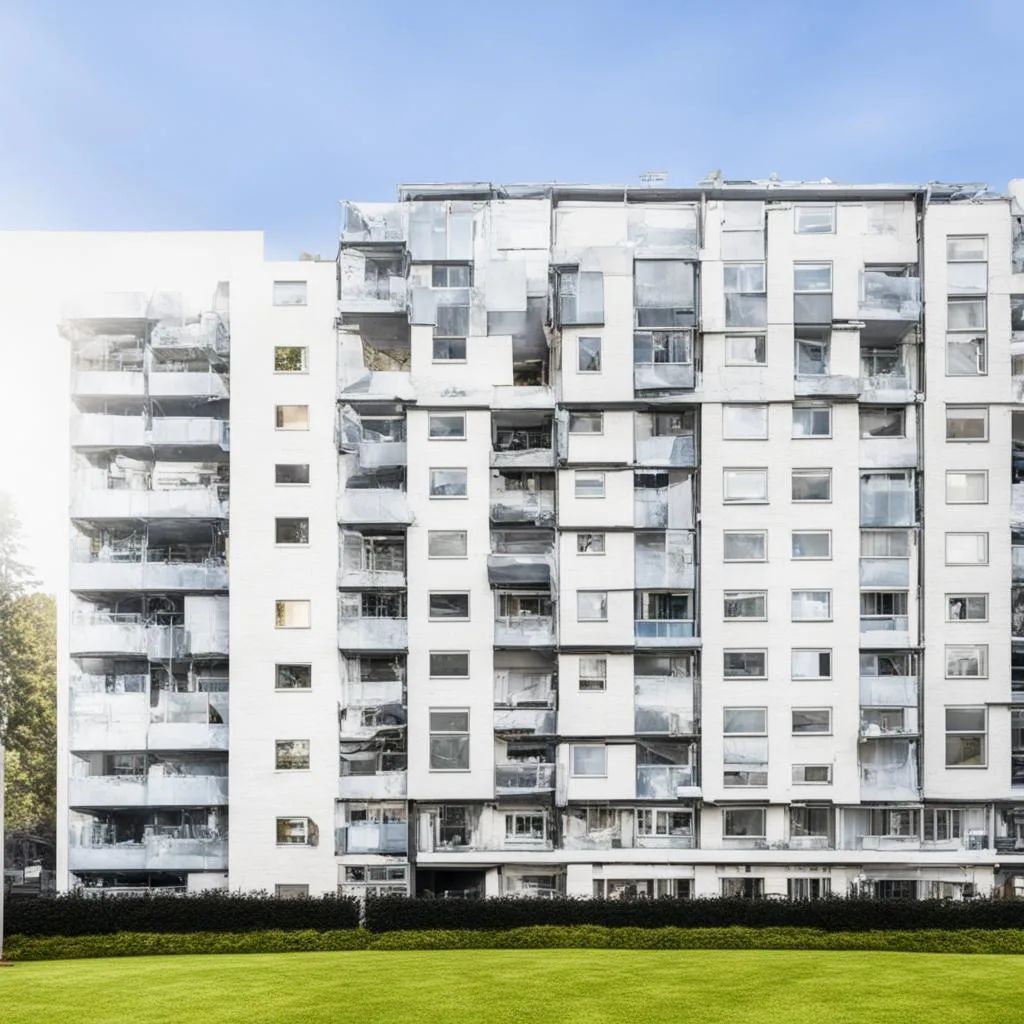
Freeholder building insurance provides cover for the building structure and common parts of a freehold property that you own, such as hallways, stairwells and the exterior walls. It is a legal requirement for freeholders to have adequate buildings insurance in place.
Why You Need It
There are several important reasons why freeholder building insurance is necessary:
- Covers repairs: If the building suffers damage from events like fires, floods or storms, the policy pays for repairs.
- Covers legal liability: You’re protected if someone is injured in a common area and makes a claim against you.
- Mortgage requirement: Most lenders require it to be in place for the duration of the mortgage.
- Satisfies lease terms: Having adequate cover meets terms in most leases.
- Protects your investment: The policy safeguards the value of your property asset.
Choosing the Right Cover
When choosing freeholder building insurance, you need adequate cover for rebuilding costs. Make sure your policy includes:
- Cover for the full rebuilding cost
- Accidental damage
- Cover for property owner’s liability claims
- Loss of rent payments
Also check if cover extensions are available, like protection for subsidence or terrorism.
Top Tips for Buying Freeholder Insurance
Follow these useful tips when getting quotes and choosing your policy:
- Accurately calculate rebuilding costs using an online calculator
- Get quotes from multiple specialist insurers
- Check policy limits and excesses
- Ensure cover includes liability protection
- Review policy wording carefully
- Arrange cover before completion if buying the property
- Consider taking out separate contents insurance
Navigating Reinstatement Value Assessments (RVA)
One of the most common pitfalls for freeholders is the miscalculation of the building’s reinstatement value. This is not the same as the market value; it is the total cost required to clear the site and rebuild the property from scratch, including professional fees, VAT, and debris removal. Under-insuring the property can lead to the ‘average clause’ being applied during a claim, where the insurer reduces the payout proportionally to the shortfall. For instance, if you insure for 50% of the true cost, you may only receive 50% of any claim, regardless of the loss amount. It is recommended to commission a professional RICS surveyor every 3-5 years to conduct a formal assessment, especially if the property is historic or features complex architectural elements that would be expensive to replicate.
The Intricacies of Property Owner’s Liability
While basic liability cover is standard, freeholders often underestimate the scope of risks associated with common parts. This includes not only physical injuries like slips and trips on loose flooring or icy external paths but also ‘strict liability’ issues arising from defective premises. If a tenant or visitor is injured due to a lack of maintenance—such as a faulty handrail or inadequate lighting in a stairwell—the freeholder is almost invariably held responsible. Advanced policies may include ‘Corporate Manslaughter’ protection or ‘Legal Expenses’ cover, which provides essential funding for solicitors should a dispute arise regarding a claim. Ensure your policy includes a limit of indemnity of at least £5 million to £10 million, as legal costs in civil cases can escalate rapidly.
Handling Claims involving Leaseholder Disputes
When a major claim occurs, such as a fire or a significant escape of water, the process can become complicated by the relationship between the freeholder and the leaseholders. If a leaseholder’s actions (or negligence) caused the damage, the freeholder’s insurer will likely pay the claim but may attempt ‘subrogation’—seeking to recover costs from the responsible party. It is vital that the freeholder maintains clear communication with all leaseholders during a claim. If the building is uninhabitable, the policy should ideally cover ‘Alternative Accommodation’ for leaseholders, provided this is stipulated in the lease agreement. Failure to handle this correctly can lead to leaseholders withholding service charges, creating a cash-flow crisis for the freeholder.
Managing Subsidence and Environmental Hazards
Subsidence is a major concern, particularly for older buildings or those situated on clay-heavy soil. Insurance for subsidence is often subject to higher excesses and stricter underwriting conditions. If a property has a history of subsidence, it may be excluded from standard policies, requiring specialist ‘non-standard’ cover. Furthermore, environmental hazards like flood plains must be disclosed during the application process. If a property is located in a high-risk flood zone, you may need to look into ‘Flood Re’ schemes or specialist brokers who can negotiate terms that don’t make the premiums entirely prohibitive. Always ensure that the ‘period of insurance’ aligns with the building’s specific risk profile, and document any preventative measures taken, such as regular gutter clearance or tree root management, as these can lower premiums.
Understanding Terrorism and Engineering Cover
For commercial or mixed-use freeholds, standard policies often exclude damage caused by acts of terrorism. Given that such events can result in catastrophic structural failure, adding terrorism cover is a prudent step, particularly for properties in high-profile city centers. Additionally, freeholders should consider ‘Engineering Insurance’ for essential building plant and machinery. This covers items like lifts, communal boilers, and pressurized systems. Unlike standard building insurance, which covers damage *to* the machine, engineering insurance often covers the costs of sudden breakdown and, crucially, provides statutory inspection services required by law (such as LOLER inspections for passenger lifts). Neglecting these inspections can render your liability insurance void if an accident occurs.
The Role of Managing Agents in Insurance Compliance
Many freeholders delegate their insurance duties to a managing agent. While this is convenient, it does not absolve the freeholder of their ultimate legal responsibility. You must ensure that the agent is not receiving ‘hidden’ commissions from insurers that inflate your premiums. Ask for a transparent breakdown of the broker fees and commissions. Furthermore, ensure the agent is performing annual fire risk assessments, as these reports are required by insurers to keep the policy valid. If an agent fails to notify the insurer of a change in occupancy or a major renovation project, the policy could be invalidated. Always perform an annual audit of the insurance schedule provided by your agent to confirm that the sums insured are indexed for inflation.
FAQ
What does a freeholder own?
A freeholder owns the land and building structure. They are responsible for insuring and maintaining all common areas.
Who arranges the insurance?
The freeholder is responsible for arranging adequate building insurance for the whole property.
What happens if I don’t insure the building?
You would breach the terms of your mortgage and any lease agreements. Plus, you risk substantial financial losses if the building is damaged.
Am I liable for injuries in common areas?
Yes – as the property owner you can be held legally liable for injuries from hazards. Freeholder insurance covers liability claims.
Does contents insurance also cover the building?
No – contents insurance only covers your possessions inside. To insure the physical building structure you need freeholder building insurance.
Related posts:
 How to Protect Roe v. Wade
 Getting Vaccinated Without Parents’ Permission
 What is Travel Insurance and Do You Need It?
 The Hidden Financial Reality of Fertility Treatment
 Rising Costs for Unvaccinated
 The Value of Specialization in Personal Injury Law
 Horti’s Plant Insurance: Protecting Your Beloved Houseplants
 Gyms Are Actually Banning Sexy Workout Clothes and Here’s Why