
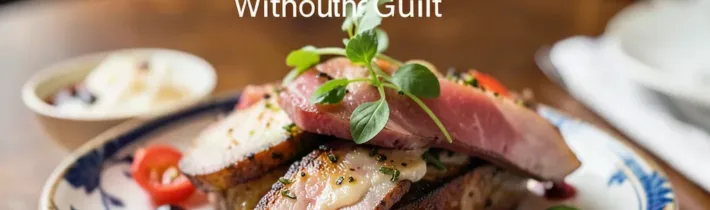
The Parisian approach to food is often misunderstood by outsiders as a paradox. How do people who regularly enjoy buttery croissants, rich cheeses, and decadent desserts maintain a reputation for health and vitality? The secret lies not in restrictive dieting or calorie counting, but in a philosophy that prioritizes quality, rhythm, and mindfulness. Eating like a Parisian is less about what you cannot have and more about how you experience what you do have.
1. The Art of Quality Over Quantity
In France, the culinary experience is defined by the caliber of the ingredients. Instead of stocking up on processed, shelf-stable items, the Parisian lifestyle emphasizes fresh, seasonal produce. When you consume high-quality butter, artisanal sourdough, or farm-fresh vegetables, your body is more satisfied with smaller portions. The focus shifts from filling a void to savoring a flavor profile. By choosing nutrient-dense, whole foods, you naturally reduce the intake of additives and sugars that often lead to cravings and energy crashes.
2. Cultivating the Ritual of the Meal
For a Parisian, a meal is a scheduled event rather than a fuel-up moment. Eating at a desk or while walking down the street is rare. By sitting down to eat, you trigger the parasympathetic nervous system, which is essential for proper digestion. When you eat slowly and without distraction, your brain has the time to register satiety signals, preventing overeating. Try to designate specific times for your meals and treat them as a break from your daily obligations, even if it is just for twenty minutes.
3. The French Paradox of “Le Goûter”
Children in France are taught the importance of le goûter, a mid-afternoon snack that prevents ravenous hunger before dinner. This practice is a secret weapon against late-night bingeing. A typical goûter might be a piece of dark chocolate, a small serving of yogurt, or a piece of seasonal fruit. By acknowledging hunger at 4:00 PM, you ensure you arrive at the dinner table calm and composed, rather than famished and prone to making impulsive, high-calorie choices.
4. Embracing Natural Movement
The Parisian lifestyle is inherently active. Even those who do not frequent a gym incorporate significant movement into their day. Walking is the primary mode of transportation in Paris, whether it is to the metro, the boulangerie, or a neighbor’s home. This “incidental exercise” keeps the metabolism active throughout the day. You don’t need a grueling workout regimen to support your dietary choices; simply increasing your daily step count can help regulate blood sugar and improve digestion after a meal.
5. The Philosophy of Moderation
Nothing is strictly off-limits in the French diet, but everything is consumed with a sense of proportion. If you enjoy a rich pastry on Tuesday, you might balance it with a light vegetable soup on Wednesday. There is no “all or nothing” mentality. By removing the guilt associated with indulgent foods, you reduce the psychological stress that often leads to emotional eating. When you give yourself permission to enjoy a treat, you are less likely to spiral into a cycle of restriction and bingeing.
6. Understanding the Role of Hydration and Digestion
Water is the constant companion of every Parisian meal. Drinking water throughout the day, rather than relying on sugary sodas or excessive caffeine, keeps the body hydrated and aids in the natural detoxification process. Many Parisians also incorporate herbal teas or infusions after dinner to soothe the digestive system. These small habits facilitate a more comfortable experience after eating and help maintain steady energy levels throughout the evening.
7. Social Connection as a Nutritional Pillar
Dining in France is a communal activity. Sharing a meal with friends or family turns the act of eating into a social, pleasurable experience. Studies have shown that eating with others often leads to slower, more mindful consumption. The conversation provides a natural pacing mechanism for the meal. When the focus is on connection rather than the food itself, you are more likely to stop eating when you are satisfied, rather than when the plate is empty.
8. How to Transition to This Lifestyle at Home
You do not need to move to Paris to adopt these habits. Start by upgrading your pantry—prioritize fresh herbs, high-quality olive oil, and seasonal produce. Stop eating in front of your screens; create a designated dining space, even if it is just a small corner of your kitchen. Finally, practice the art of lingering. Give yourself the time to finish your meal without rushing, and enjoy the sensory experience of every bite. By shifting your mindset, you can enjoy food with the same joy and balance as a Parisian.
The Anatomy of the Parisian Grocery Haul
To eat like a Parisian, you must first master the art of the intentional grocery run. Unlike the American tendency to perform a “big shop” once a week, Parisians often visit local markets or specialty shops every two to three days. This habit ensures that your refrigerator is filled with perishables that demand to be used, rather than processed items that linger in the pantry for months. Focus on the ‘perimeter’ philosophy: purchase fresh leeks, carrots, radishes, and seasonal greens that dictate your meals for the coming days. By buying smaller quantities more frequently, you naturally reduce food waste and guarantee that the produce you consume is at its peak nutrient density and flavor profile. This creates a psychological shift where food is viewed as a living, fleeting commodity rather than a static inventory.
Mastering the “Apéro” as a Mindful Transition
The l’apéro (aperitif) is often misconstrued as a precursor to overindulgence, but in practice, it is a vital boundary between the workday and the evening meal. It is not about mindless drinking; it is a ritualistic pause that signals the end of productivity. A proper apéro involves a small glass of wine or a low-alcohol spritz accompanied by a few olives, a handful of nuts, or a slice of high-quality saucisson. The secret here is the engagement of the senses: you are not rushing to fill your stomach, but rather enjoying the transition. By the time you sit down for dinner, your nervous system has fully decompressed, preventing the ‘stress-eating’ that often plagues late-night dinners after a frantic day.
The Culinary Utility of Fresh Herbs and Aromatics
If you find French food flavorful without being heavy, look to the garden. Parisian home cooking relies heavily on fresh herbs—parsley, chives, tarragon, and chervil—rather than heavy cream or excessive salt to build complex flavor profiles. Learning to finish a dish with a generous handful of fresh, chopped herbs can transform a simple piece of steamed white fish or a bowl of roasted vegetables into a bistro-worthy experience. This practice satisfies the palate’s need for ‘excitement’ without the caloric density of butter-based sauces. Furthermore, incorporating aromatics like shallots, garlic, and thyme into your cooking base provides a deep, savory foundation that leaves you feeling satisfied and nourished rather than bloated.
Navigating the Restaurant Experience with French Restraint
Dining out in Paris is a masterclass in behavioral psychology. You will notice that waitstaff rarely hover, and the check is never brought until it is explicitly requested. This is by design: it forces a slower pace. To adopt this at home or when dining out, mirror the Parisian ‘single-plate’ mentality. Avoid the temptation of multiple appetizers or ‘sharing plates’ that encourage mindless grazing. Order one high-quality dish that you truly desire and savor it slowly. If you find yourself in a restaurant that serves oversized portions, adopt the habit of asking for a box for half of the meal before you even begin eating. By pre-portioning your meal, you remove the visual trigger that compels you to finish the entire plate regardless of your satiety levels.
The Seasonal Clock: Eating in Harmony with Nature
The Parisian kitchen is governed by the seasonal calendar. There is no attempt to force strawberries in December or asparagus in October. By aligning your diet with what is naturally available, you automatically diversify your intake of vitamins and minerals throughout the year. Winter is the time for hearty root vegetable soups and braises, while summer shifts toward light salads, vinegrette-dressed greens, and stone fruits. This seasonal rotation prevents the palate fatigue that leads to cravings for hyper-processed snacks. When you follow the natural rhythm of the seasons, your body receives the specific types of energy it needs for that time of year, making it easier to maintain a healthy weight without constant, conscious effort.
Strategic Indulgence: The Power of the Single Pastry
The Parisian approach to ‘guilt’ is perhaps best exemplified by the boulangerie culture. A Parisian will rarely buy a box of cookies to keep at home; instead, they will walk to the bakery to buy one, single, high-quality pastry. This act transforms a treat from a mindless habit into an event. By making the effort to seek out a superior product and consuming it in a setting where you can truly enjoy it, you satisfy your cravings with a fraction of the sugar and fat found in mass-produced alternatives. The ‘secret’ is not that they avoid sugar; it is that they never consume ‘low-quality’ sugar. If you are going to indulge, make it the best version of that item, and then be fully present for the experience.
The Science of Sensory Satiety and Flavor Complexity
One of the most overlooked aspects of the Parisian diet is the deliberate focus on sensory variety. While modern dietary trends often advocate for bland, repetitive meal prep, the French palate thrives on complexity. By incorporating a diverse array of tastes—bitter, sour, salty, and umami—within a single sitting, the brain reaches a state of sensory satiety much faster. A simple green salad is rarely just leaves; it is tossed with a sharp vinaigrette (acid), perhaps a touch of Dijon mustard (pungency), and walnuts or toasted seeds (texture). This multifaceted profile prevents the “boredom” that leads to secondary snacking. When your taste buds are fully stimulated by high-quality, contrasting flavors, the physiological urge to reach for a palate-cleansing sugar hit diminishes significantly. Focus on building meals that hit at least three distinct flavor notes, allowing your brain to process the meal as a complete, satisfying event.
The Role of Fermentation and Gut Health
The Parisian affinity for artisanal cheeses, yogurts, and sourdough bread is not merely a cultural quirk; it is a long-standing reliance on fermented foods that support a healthy microbiome. A balanced gut is a silent partner in weight management, regulating appetite hormones like ghrelin and leptin. By incorporating live-culture foods—such as a small portion of raw-milk cheese or a side of pickled vegetables (cornichons)—into your daily routine, you are fostering the bacterial diversity necessary for efficient digestion. Unlike the processed, shelf-stable versions of these items found in many grocery stores, the French preference for unpasteurized or traditionally prepared fermented goods provides active enzymes that aid in breaking down heavier fats and proteins, preventing that post-meal “sluggish” feeling.
Mastering the “Service” and Table Etiquette
There is a rhythmic cadence to a Parisian meal that is intrinsically tied to the pace of digestion. Courses are served sequentially, not all at once. Even in a home setting, separating the salad from the main course, or the cheese from the dessert, creates an intentional pause. This structure is not about formality; it is about biology. By consuming protein and fiber-rich vegetables before carbohydrates, you naturally flatten the blood sugar response, keeping energy stable and cravings at bay. If you are eating at home, try to plate your food in stages. Start with a small bowl of soup or a green salad, then clear your plate before moving to the main course. This simple act of clearing the table serves as a psychological “reset” button, allowing you to re-evaluate your fullness levels before proceeding.
The Art of the “Digestif” and Herbal Infusions
In the Parisian tradition, the conclusion of a meal is treated with as much importance as the beginning. Rather than rushing immediately to the next task or collapsing onto the couch, there is often a period of quiet reflection accompanied by a digestive aid. This might be a cup of verbena or chamomile tea, which helps settle the stomach and signals to the body that the digestive process is in full swing. These herbal infusions are not just soothing; they provide a hydration boost and a moment of stillness that prevents the “post-dinner grazing” syndrome. By ritualizing the end of the meal, you create a clear boundary between nourishment and the remainder of your evening, discouraging the habit of mindlessly picking at leftovers while cleaning the kitchen.
The Strategy of “Vinaigrette” over Cream
While French cuisine is famous for its butter and cream, the daily reality for most Parisians is a heavy reliance on high-quality oils and vinegars. A well-balanced vinaigrette—typically three parts cold-pressed oil to one part high-quality vinegar (like apple cider, balsamic, or red wine vinegar)—is the backbone of the Parisian vegetable intake. This dressing does more than add flavor; the acetic acid in vinegar has been shown to improve insulin sensitivity and slow the absorption of carbohydrates. By dressing your vegetables with a homemade vinaigrette rather than relying on store-bought, sugar-laden dressings, you are adding a functional health component to every meal. This habit turns a mundane side dish into a metabolism-supporting tool, making it easier to enjoy richer, more indulgent main courses without the associated metabolic strain.
Reframing the “Leftover” Culture
In many cultures, leftovers are viewed as a chore—a way to dispose of excess. In the French kitchen, leftovers are often viewed as the base for a “second act.” A roasted chicken from Sunday becomes the base for a cold salad on Monday or a hearty broth on Tuesday. This prevents the stagnation of the palate and ensures that you are constantly consuming fresh, seasonal ingredients rather than repetitive, reheated meals. The secret is to keep your “base” ingredients flexible. By roasting a tray of seasonal root vegetables or keeping a jar of fresh vinaigrette in the fridge, you can easily transform yesterday’s leftovers into a new, exciting meal. This prevents the monotony that often drives people to abandon healthy eating habits in favor of takeout or fast food.
Frequently Asked Questions
Q: Does the French diet really allow for daily bread and cheese?
A: Yes, but the key is portion size and quality. Bread is often consumed as an accompaniment to a meal rather than a main dish, and cheese is served in small, intentional portions rather than as a snack to be mindlessly devoured. The focus is on the appreciation of the craft behind these foods.
Q: Is it true that Parisians don’t snack?
A: Parisians generally avoid grazing throughout the day. Instead, they rely on structured meals and the occasional intentional snack, like le goûter. By keeping the digestive system at rest between meals, they maintain better insulin sensitivity and avoid the constant blood sugar spikes associated with frequent snacking.
Q: How can I implement this if I have a busy work schedule?
A: Even with a busy schedule, you can prioritize a seated lunch. Avoid eating at your desk. If you only have twenty minutes, spend ten of those minutes away from your screen to eat consciously. The mental break will improve your productivity and your digestion.
Q: What is the best way to handle ‘cheat’ meals?
A: The Parisian approach essentially eliminates the concept of the ‘cheat meal’ by removing the guilt. If you have a decadent dinner, simply balance it with a lighter, plant-focused meal the next day. It is about the rhythm of your week rather than the perfection of a single meal.
Q: Can I still lose weight using these principles?
A: Many people find that by focusing on food quality, mindful eating, and regular movement, they naturally reach a healthy weight without the struggle of traditional dieting. This approach is sustainable long-term because it is based on enjoyment and balance rather than deprivation.
Related posts:
 The Game-Changing 50 Percent Rule That Makes Eating Vegetables Effortless
 NYC’s Healthiest Meal Delivery Services That Actually Taste Amazing
 Pegan Diet Explained: The Paleo-Vegan Hybrid Taking Over
 The Meal Prep Master Class That Will Save You Hundreds Every Month
 Portion vs Serving Size Guide
 Is Eating While Standing Bad?
 Healthy French Cookout Ideas
 Propolis: The French Beauty Secret