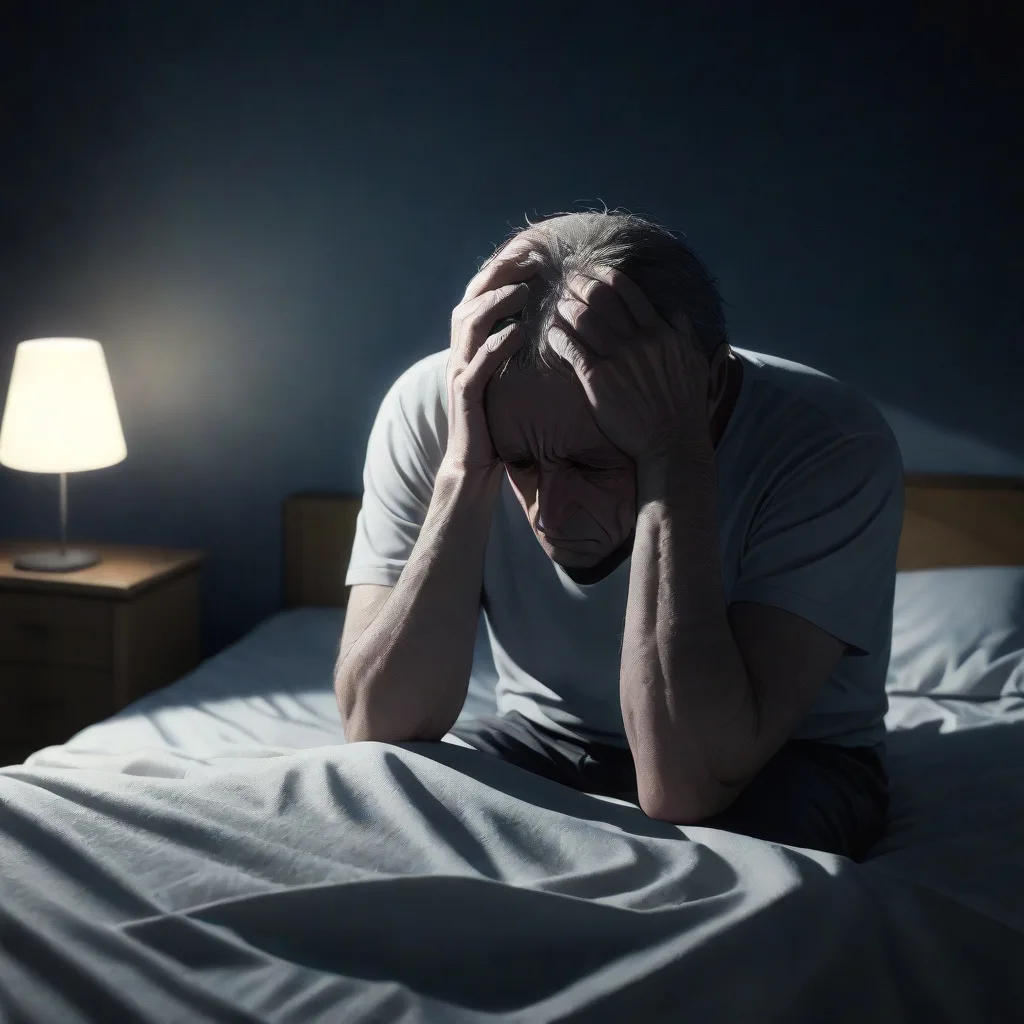
Many people wake up multiple times each night to use the bathroom and notice that the urge feels stronger when they are worried or stressed. This pattern, known as nocturia, can disrupt sleep quality and amplify anxious thoughts, creating a cycle that is hard to break. Understanding why the bladder and the mind interact at night is the first step toward restoring restful sleep and calmer evenings.
Key takeaways
- Limit fluid consumption, caffeine, and alcohol after mid-afternoon to reduce nighttime urine production.
- Practice bladder training by gradually extending the time between bathroom trips to increase bladder capacity.
- Use cognitive behavioral techniques like journaling or body scans to reduce anxiety-driven bladder urgency at night.
- Consult a healthcare provider to review medications or screen for underlying conditions like diabetes or sleep apnea.
Understanding Nocturia What It Is and How Common It Is
Nocturia is defined as the need to void at least twice during the main sleep period. Studies show that up to one third of adults over forty experience it at least a few nights per week. The condition becomes more prevalent with age but can also affect younger adults who consume large amounts of fluid late in the day or who have underlying medical issues such as diabetes or sleep apnea.
Normal nighttime urine production is regulated by hormones like vasopressin which concentrate urine while we sleep. When this hormonal rhythm is blunted the kidneys continue to produce a larger volume of dilute urine, filling the bladder faster than usual. Recognizing whether the problem is primarily a volume issue or a storage issue helps guide the next steps.
Keeping a simple voiding diary for one to two weeks can reveal patterns. Record the time of each bathroom trip, the approximate volume, fluid intake, and any stressful events. This data is valuable for both self‑awareness and for a clinician who may later review it.
The Anxiety Nocturia Connection Why They Feed Each Other
Anxiety activates the sympathetic nervous system which prepares the body for fight or flight. One downstream effect is increased bladder sensitivity; the detrusor muscle may contract at lower volumes, producing an urgent sensation even when the bladder is only partially full.
Conversely, waking repeatedly to urinate fragments sleep, reducing the amount of restorative slow‑wave sleep. Sleep loss heightens emotional reactivity and makes anxious thoughts more intrusive the next day. The result is a feedback loop where anxiety worsens nocturia and nocturia worsens anxiety.
Research using actigraphy and questionnaires has found that people with generalized anxiety disorder report nocturia rates nearly double those of matched controls. Treating one side of the loop often yields improvements on the other, underscoring the importance of a combined approach.
Physiological Mechanisms Linking Stress and Bladder Function
Stress hormones such as cortisol and adrenaline influence the urothelium, the lining of the bladder, altering its signaling to the central nervous system. Animal models demonstrate that chronic stress up‑regulates certain receptors that lower the threshold for the urge to void.
The hypothalamic‑pituitary‑adrenal axis also modulates antidiuretic hormone release. When the axis is dysregulated, nighttime vasopressin secretion may be insufficient, leading to higher urine output during sleep.
Additionally, hyperventilation associated with panic can cause respiratory alkalosis, which irritates the bladder mucosa and heightens urgency. Understanding these pathways clarifies why relaxation techniques can have a measurable effect on nighttime trips.
Lifestyle Factors That Worsen Both Conditions
Evening caffeine and alcohol are diuretics that increase urine production and also stimulate the nervous system, making anxiety symptoms more pronounced. Limiting these substances after mid‑afternoon is a practical first step.
Large meals close to bedtime raise intra‑abdominal pressure and can provoke reflux, which in turn triggers a vagal response that signals the bladder. A light snack containing protein and complex carbohydrate two to three hours before sleep is preferable.
Screen exposure emits blue light that suppresses melatonin, delaying sleep onset and fragmenting sleep architecture. Using a blue‑light filter or switching to a paper book an hour before bed supports both hormonal balance and mental calm.
Physical inactivity reduces pelvic floor tone, which can diminish the ability to hold urine comfortably. Incorporating gentle pelvic floor exercises such as Kegels three times a day strengthens support without overexertion.
Evidence Based Strategies to Reduce Nighttime Urination
Fluid redistribution is a cornerstone strategy. Aim to consume the majority of daily fluids before early evening, then taper intake to sips only after dinner. This respects the body’s natural circadian reduction in urine output.
Scheduled voiding before sleep, sometimes called a ‘pre‑bed void,’ ensures the bladder starts the night as empty as possible. Pair this with a brief relaxation period of five minutes of diaphragmatic breathing to lower sympathetic tone.
If a medical evaluation reveals overactive bladder, antimuscarinic or beta‑3 agonist medications may be prescribed. These agents increase bladder capacity and reduce urgency, but they should be used under supervision because of potential side effects such as dry mouth or constipation.
Behavioral interventions like bladder training—gradually extending the interval between voids by fifteen minutes each week—have shown sustained benefit in randomized trials. Consistency and patience are essential; improvements often appear after four to six weeks.
Cognitive Behavioral Techniques for Anxiety Driven Urgency
Cognitive restructuring helps identify catastrophic thoughts such as ‘I will never sleep through the night again.’ Replacing them with balanced statements like ‘I have had nights with fewer trips and can work toward that again’ reduces the emotional charge that fuels urgency.
Exposure‑based practice involves deliberately delaying the response to a mild urge for a few minutes while practicing grounding techniques. Over time the brain learns that the sensation is not dangerous, decreasing the conditioned alarm response.
Mindfulness meditation focused on bodily sensations without judgment can lower overall arousal. A nightly ten‑minute body scan before lights out has been linked to reduced nocturia episodes in small pilot studies.
Journaling worries earlier in the evening transfers rumination from the bedroom to a designated ‘worry time.’ This compartmentalization limits the intrusion of anxious thoughts during the sleep window.
When to Seek Professional Help Red Flags and Referral Paths
Persistent nocturia accompanied by pain, blood in urine, fever, or sudden weight loss warrants urgent medical evaluation. These signs may indicate infection, stones, or malignancy.
If anxiety symptoms interfere with daily functioning—such as panic attacks, avoidance of social situations, or constant worry—a mental health professional can provide evidence‑based therapy such as CBT or, when appropriate, medication.
A urologist can perform urodynamic testing to differentiate between storage and voiding problems. A sleep specialist may order a polysomnogram if sleep apnea is suspected, because treating apnea often resolves nocturia.
Integrated care models where primary care, urology, and psychiatry collaborate have the highest success rates for complex cases. Ask your primary provider for a referral to a multidisciplinary clinic if one exists in your area.
Building a Sustainable Night Time Routine for Better Sleep
Consistency is the backbone of any sleep hygiene plan. Set a fixed bedtime and wake time even on weekends to entrain circadian rhythms.
Create a wind‑down ritual that includes dim lighting, a warm shower, and a brief period of reading or gentle stretching. Avoid stimulating conversations or work emails during this window.
Optimize the bedroom environment: cool temperature around eighteen degrees Celsius, blackout curtains, and a white‑noise device if ambient sounds are disruptive.
Limit fluid intake to a small glass of water after the pre‑bed void. Keep a nightlight on the path to the bathroom to reduce the need for bright overhead lights that can further suppress melatonin.
Track progress with the voiding diary and a simple sleep quality rating each morning. Celebrate incremental improvements such as one fewer trip per night, which reinforces motivation and reduces anxiety about the process.
Medical Conditions and Medication Review
Several chronic illnesses produce nighttime urine volumes that far exceed the typical hormonal reduction seen during sleep. Uncontrolled diabetes mellitus creates osmotic diuresis; each glucose molecule drags water into the tubular lumen, so a fasting blood sugar above 180 mg/dL often translates into two or three extra trips. Heart failure redistributes fluid from the dependent legs to the central circulation when the patient lies flat, raising renal perfusion and prompting a nocturnal diuresis that can mimic primary nocturia. Obstructive sleep apnea generates large negative intrathoracic pressure swings, which increase atrial natriuretic peptide release and blunt vasopressin, again boosting urine output. Chronic kidney disease, especially when the concentrating ability falls below 300 mOsm/kg, limits the kidney’s capacity to produce a small volume of concentrated urine at night.
Medication side‑effects are an equally common but frequently overlooked driver. Loop diuretics taken after 4 pm, thiazide diuretics with long half‑lives, and even some calcium‑channel blockers can sustain natriuresis into the sleep window. Selective serotonin reuptake inhibitors and serotonin‑norepinephrine reuptake inhibitors may heighten bladder sensory signaling, while anticholinergic agents used for overactive bladder can paradoxically cause urinary retention with overflow incontinence that feels like urgency. Beta‑blockers, alpha‑agonists, and opioids each have documented effects on detrusor contractility or central arousal thresholds. A practical first step is to compile a complete medication list, note dosing times, and ask the prescribing clinician whether any agent can be shifted earlier in the day, reduced, or swapped for a bladder‑neutral alternative.
When a medical work‑up is initiated, request a focused panel: fasting glucose and HbA1c, BNP or NT‑proBNP for cardiac strain, overnight oximetry or home sleep‑apnea test, serum creatinine and electrolytes, and a post‑void residual ultrasound if overflow is suspected. Document the results in the same voiding diary used for behavioral tracking; this creates a single source of truth for both the urologist and the primary care provider.
Edge cases deserve special attention. A patient on a nightly dose of desmopressin for diabetes insipidus may develop hyponatremia if fluid intake is not curtailed, while a woman using vaginal estrogen for genitourinary syndrome of menopause may notice reduced urgency within weeks. In both scenarios the clinician must balance the primary indication against the nocturia‑anxiety loop.
Finally, schedule a medication‑review visit at least every six months. Bring the diary, a list of over‑the‑counter supplements, and any new symptoms. This proactive cadence prevents the slow creep of iatrogenic nocturia and keeps the anxiety‑bladder feedback loop from re‑establishing itself.
Gender‑Specific and Life‑Stage Considerations
Pregnancy introduces a mechanical and hormonal milieu that is unique. The enlarging uterus compresses the bladder, reducing functional capacity by 30‑50 % in the third trimester, while progesterone relaxes the detrusor and estrogen increases urethral vascularity, both of which heighten urgency. Practical adaptations include a scheduled void every two hours during the day, a pre‑bed double‑void technique, and side‑lying sleep with a pillow between the knees to lessen pelvic pressure.
Postpartum recovery adds pelvic‑floor trauma from vaginal delivery or cesarean incision. Up to 40 % of women report stress or urge incontinence at six weeks, and many experience nocturia that persists beyond the first year if rehabilitation is delayed. Early referral to a pelvic‑floor physical therapist for supervised Kegel progression, biofeedback, and scar‑mobilization can cut nighttime trips by half in randomized trials.
Menopause brings estrogen withdrawal, thinning of the urethral mucosa, and loss of collagen support. Low‑dose vaginal estrogen (cream, ring, or tablet) restores tissue elasticity and has been shown to reduce nocturia episodes by 1‑2 per night without systemic hormonal exposure. For women who cannot use estrogen, selective estrogen receptor modulators or non‑hormonal moisturizers are alternatives worth discussing.
In men, benign prostatic hyperplasia (BPH) is the leading anatomic cause of nocturia after age 50. The enlarged gland obstructs outflow, leading to incomplete emptying and a rapid refill cycle. Alpha‑blockers (tamsulosin, silodosin) and 5‑alpha‑reductase inhibitors (finasteride) improve flow rates and can lower nighttime voids, but they may cause orthostatic hypotension or sexual side‑effects that aggravate anxiety. A urodynamic study clarifies whether the dominant problem is obstruction, detrusor overactivity, or a mixed picture.
Older adults of any gender face a convergence of reduced vasopressin amplitude, diminished bladder compliance, and polypharmacy. A geriatric assessment that screens for cognitive impairment, fall risk, and frailty helps prioritize interventions that preserve independence. Simple measures such as a bedside commode, night‑lights with motion sensors, and a bedtime fluid cap of 150 mL can dramatically improve safety and sleep continuity.
Adolescents and young adults are not immune. Primary nocturnal enuresis persisting into adulthood often co‑exists with anxiety disorders; treating the anxiety with CBT‑I and bladder training yields remission rates above 70 % in controlled studies. Recognizing this overlap prevents unnecessary urologic testing and directs the patient toward evidence‑based psychotherapy.
Advanced Behavioral Tools
Timed voiding moves beyond the simple pre‑bed void. Begin by recording the exact clock time of each spontaneous urge for three nights. Calculate the average interval, then set a vibrating alarm on a phone or wearable to prompt a void 15 minutes before the expected urge. Each week extend the interval by 10‑15 minutes until a target of 3‑4 hours is reached. This method, known as scheduled voiding with progressive interval expansion, has demonstrated a 45 % reduction in nocturia episodes in a multicenter trial.
A fluid‑intake chart adds precision to the vague advice “drink less at night.” Use a spreadsheet or a dedicated app (e.g., Bladder Diary, MyTherapy) to log every beverage: type, volume, time, and caffeine or alcohol content. The app can generate a heat‑map showing peaks of intake that correlate with nighttime trips. Aim for a front‑loaded pattern: 70 % of total daily fluid before 6 pm, 20 % between 6 pm and 8 pm, and only sips thereafter.
Bladder training protocols can be formalized into a written contract. Week 1: void every 60 minutes while awake, suppress urges with pelvic‑floor contractions and diaphragmatic breathing. Week 2: extend to 75 minutes, continue suppression techniques. Week 3‑6: add 15 minutes per week. Document successes and lapses; the visual progress bar reinforces self‑efficacy and reduces anticipatory anxiety.
Wearable sleep trackers (actigraphy watches, rings) provide objective data on sleep fragmentation. Correlate the number of awakenings detected by the device with the voiding diary entries. If awakenings exceed voids, consider a primary sleep disorder such as periodic limb movement or sleep‑apnea; if they match, the bladder is the primary driver. Some devices export CSV files that can be shared with the sleep specialist for a polysomnography referral.
Biofeedback‑assisted pelvic‑floor training uses surface EMG sensors placed on the perineum. Real‑time visual or auditory cues teach the patient to isolate the levator ani without recruiting gluteals or abdominals. A typical program consists of eight weekly 30‑minute sessions followed by a home‑exercise regimen. Meta‑analyses report a mean reduction of 1.3 nocturia episodes per night when biofeedback is combined with bladder training.
Troubleshooting common pitfalls: missed alarms lead to “catch‑up” voids that reset the interval clock; set a backup alarm five minutes later. Over‑restriction of fluids triggers concentrated urine that irritates the urothelium; enforce a minimum of 1.5 L total daily intake unless contraindicated. Inconsistent diary entry undermines pattern recognition; use voice‑to‑text dictation if writing is burdensome.
Environmental and Sleep‑Architecture Optimization
Circadian lighting is a lever that influences both melatonin secretion and bladder hormone rhythms. Expose the eyes to at least 10 000 lux of broad‑spectrum light within 30 minutes of waking—outdoor walk or a light‑therapy box. In the evening, switch to warm‑white bulbs (≤3000 K) and dim to <30 lux two hours before bed. Smart‑bulb schedules automate this transition, reducing the cognitive load of manual adjustments.
Thermal environment matters. Core body temperature must drop ~0.5 °C to initiate deep slow‑wave sleep. Set the bedroom thermostat to 18‑20 °C (64‑68 °F) and use breathable cotton or bamboo bedding. A warm shower 60‑90 minutes before sleep promotes peripheral vasodilation, accelerating the temperature decline. Avoid heavy duvets that trap heat; a layered approach lets the sleeper adjust without fully waking.
Acoustic control reduces micro‑arousals that can be misinterpreted as bladder urges. A continuous white‑noise machine at 45‑50 dB masks sudden household sounds. For partners with different schedules, consider a pillow‑speaker that delivers personalized soundscapes without disturbing the other sleeper.
Sleep‑restriction therapy, a core component of CBT‑I, can be safely combined with nocturia management. Calculate average total sleep time from the diary, then set the time‑in‑bed window to that average plus 30 minutes. Maintain a fixed rise time regardless of sleep quality. As sleep efficiency climbs above 85 %, expand the window by 15 minutes weekly. This consolidates sleep, reduces the number of awakenings, and indirectly lowers nocturia frequency.
Stimulus‑control rules reinforce the bed‑sleep association. Use the bedroom only for sleep and intimacy; no reading, screen time, or worrying in bed. If an urge arises and the patient cannot return to sleep within 20 minutes, they should leave the bedroom, perform a brief relaxation exercise in dim light, and return only when sleepy. This prevents the bed from becoming a cue for anxiety‑driven vigilance.
Integrate a brief cognitive restructuring script into the wind‑down routine. Write three “evidence” statements on a bedside card: “I have slept through the night before,” “My bladder can hold more than I think,” “Anxiety does not dictate my physiology.” Reading them aloud each night rewires the catastrophic appraisal that fuels urgency.
Complementary and Integrative Approaches
Pelvic‑floor physical therapy goes beyond generic Kegels. A therapist performs an internal assessment to identify hypertonic versus hypotonic regions, then prescribes a tailored program: down‑training for overactive muscles (reverse Kegels, diaphragmatic breathing), up‑training for weakness (progressive endurance holds), and coordination drills (quick flicks, sustained contractions). Manual techniques such as myofascial release of the obturator internus can alleviate referred bladder urgency. Outcomes are tracked with the PERFECT scheme (Power, Endurance, Repetitions, Fast, Every Contraction Timed).
Acupuncture targets points along the bladder, kidney, and spleen meridians (e.g., SP6, CV3, BL23, KI3). A 2022 sham‑controlled trial of 120 adults with nocturia showed a mean reduction of 1.8 voids per night after eight weekly sessions, with effects persisting at three‑month follow‑up. Patients should seek a licensed acupuncturist experienced in urologic conditions and disclose any anticoagulant use.
Herbal and nutritional supplements have modest evidence but are popular. Pumpkin seed oil (10 g daily) provides phytosterols that may improve urethral compliance. Saw palmetto (320 mg standardized extract) is primarily studied for BPH but some nocturia trials report benefit. Corn silk tea acts as a mild diuretic earlier in the day, paradoxically reducing nighttime volume by promoting daytime excretion. Magnesium glycinate (200‑400 mg at dinner) supports muscle relaxation and may lower detrusor overactivity. Always review supplements with the prescribing clinician to avoid interactions.
Mindfulness‑Based Stress Reduction (MBSR) is an eight‑week group program that teaches body‑scan meditation, gentle yoga, and mindful awareness of urge sensations. A pilot study of 30 participants with anxiety‑related nocturia found a 30 % drop in nighttime trips and a significant decrease in the GAD‑7 score. The key mechanism is decoupling the sensory signal from the threat appraisal.
Yoga poses that promote pelvic relaxation include Supta Baddha Konasana (reclined bound angle), Balasana (child’s pose), and Viparita Karani (legs‑up‑the‑wall). Practicing a 10‑minute sequence before the pre‑bed void can lower sympathetic tone and improve bladder compliance. Avoid deep twists or intense core work late in the evening, as they may increase intra‑abdominal pressure.
Safety checklist: verify that any supplement is third‑party tested (USP, NSF). Discontinue herbal products two weeks before any scheduled urodynamic study. Inform all providers—urologist, psychiatrist, primary care—about integrative therapies to maintain a coordinated care plan.
Long‑Term Maintenance, Relapse Prevention, and Care Coordination
Construct a personal action plan that fits on a single sheet. List three measurable goals (e.g., “≤1 nighttime void,” “GAD‑7 ≤5,” “sleep efficiency ≥90 %”), the specific strategies assigned to each goal, and the review dates. Place the plan on the nightstand and update it quarterly. This tangible artifact converts abstract intentions into accountable steps.
Schedule follow‑up appointments in a staggered rhythm: urology at 3 months, sleep medicine at 4 months, mental‑health at 6 months, then annually thereafter. Use a shared electronic health record portal or a secure patient‑accessible spreadsheet to log voiding diary averages, medication changes, and therapy attendance. The visual trend line alerts both patient and clinician to early drift.
Telehealth check‑ins of 15 minutes every 4‑6 weeks maintain momentum without travel burden. Prepare a brief agenda: current void count, anxiety rating, medication side‑effects, and any new life stressors. The clinician can adjust fluid‑timing advice, renew a CBT‑I module, or order a repeat home sleep‑apnea test if symptoms shift.
Engage with a peer support community—either a moderated online forum (e.g., Inspire, PatientsLikeMe) or a local bladder‑health group. Sharing coping cards, celebrating “dry nights,” and exchanging practical tips (best night‑light, favorite white‑noise app) reduces isolation and normalizes setbacks.
Insurance navigation: verify coverage for pelvic‑floor PT (often 12‑visit benefit), CBT‑I (behavioral health), and home sleep‑apnea testing. Request prior authorization letters that reference the documented nocturia‑anxiety loop and the evidence‑based interventions already trialed. Keep copies of all correspondence for appeal if needed.
Relapse early‑warning signs: a rise of ≥1 void per night for three consecutive nights, a GAD‑7 increase of ≥3 points, or a new medication start. When triggered, initiate a 3‑day reset: strict fluid front‑loading, double pre‑bed void, nightly 10‑minute body scan, and a brief call to the care coordinator. Document the reset outcome; most patients revert to baseline within a week.
Celebrate milestones with non‑food rewards—new sleep‑mask, a short massage, or a weekend nature walk. Positive reinforcement strengthens the neural pathways that associate the bedroom with safety rather than threat, closing the loop that once kept anxiety and nocturia intertwined.
Frequently Asked Questions
Can nocturia be a sign of a serious medical condition?
Yes, while often benign, nocturia can signal diabetes, heart failure, sleep apnea, or bladder pathology. A thorough evaluation is recommended if the symptom is new, worsening, or accompanied by other warning signs.
How quickly can lifestyle changes reduce nighttime trips?
Many people notice a reduction within two to four weeks of consistent fluid timing, caffeine reduction, and scheduled voiding. Individual response varies, and persistence is key.
Is medication always necessary for anxiety related nocturia?
Not necessarily. Cognitive behavioral therapy, relaxation training, and bladder retraining can be effective alone or combined with low‑dose medication if symptoms are severe.
What role does pelvic floor therapy play?
Pelvic floor physical therapy improves muscle coordination and can increase functional bladder capacity, especially when urgency is linked to pelvic floor tension.
Should I stop drinking water altogether before bed?
Complete restriction can lead to dehydration and concentrated urine that irritates the bladder. A modest sip to quench thirst is acceptable; the goal is to avoid large volumes late in the evening.
Related posts:
 Bladder Training: A Natural Approach to Urinary Incontinence
 Common Kegel Exercise Mistakes: Perfecting Your Pelvic Floor Workouts
 Understanding Double Voiding
 Understanding Double Voiding
 Understanding Bladder Botox
 Proper Shower Peeing Etiquette
 Pelvic Floor Expert’s Advice
 Tension Headaches and Pelvic Floor