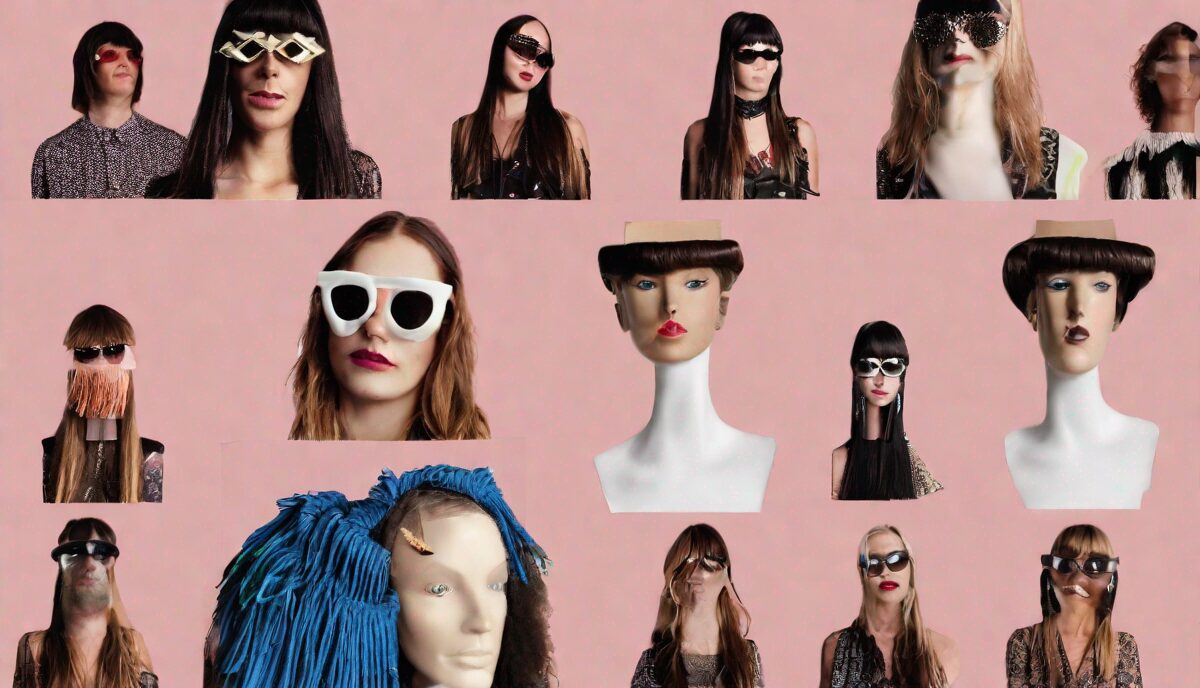
The Return of Fringe
Fringe accessories are making a major comeback in fashion. Designers are incorporating bohemian-inspired fringe trim onto everything from handbags to shoes this season. The free-flowing ornamentation gives a playful and feminine accent to accessories.
Key takeaways
- Balance fringe by wearing only one or two pieces at a time to prevent a costumey appearance.
- Store leather and suede fringe hanging rather than folded to prevent permanent creases in the material.
- Choose long, singular layers of fringe to create a slimming vertical line and avoid excessive bulk.
- When DIYing denim fringe, use a stay stitch to prevent fraying from traveling too far up the garment.
- Apply fabric protector spray to fringed footwear to prevent delicate strands from picking up dust and debris.
Why We Love Fringe
Fringe adds texture, dimension, and movement to accessories and clothing. The delicate strands sway with every step, creating an eye-catching effect. Fringe also has an inherently light and cheerful look that uplifts any outfit.
Fringe for Function
Beyond just aesthetics, fringe serves practical purposes too. Long fringe on scarves keeps you cozy. Short fringe helps visually elongate legs on boots. So form meets function with this fun embellishment.
Wearing Fringe
When styling fringe, balance is key. Pair just one or two fringe-adorned items at a time. Too much fringe can look costumey. For shoes, pick a simple shape like ankle boots and let the fringe be the focal point.
Material Matters: From Suede to Silk and Beyond
The tactile nature of fringe is dictated almost entirely by the material used, and choosing the right fabric can change the entire mood of an accessory. Traditionally, we associate fringe with heavy suede or rugged leather, often found in Western-inspired pieces. Suede fringe has a specific weight to it; it hangs straight and moves with a rhythmic, heavy swing that feels substantial. When selecting suede accessories, look for high-quality hides where the fringe is cut evenly. If the leather is too thin, the strands may curl or tangle easily, losing that sharp, linear aesthetic. To maintain the look of leather fringe, it is helpful to store these items hanging rather than folded, as creases in leather strands can be difficult to remove without professional steaming.
Moving away from the rustic, silk and rayon fringe offer a completely different sensory experience. These materials are often found in evening wear or high-end bohemian accessories, such as pashminas or vintage-inspired clutch bags. Silk fringe is incredibly fluid, reacting to the slightest breeze or movement. It has a high-shine finish that catches the light, making it ideal for formal events. However, the edge case here is durability. Silk and rayon strands are prone to fraying at the tips if they rub against abrasive surfaces like denim or sequins. For those looking for a middle ground, mercerized cotton fringe provides a matte, sturdy alternative that works beautifully for summer totes and beachwear, offering a handmade, macramé feel that is both durable and easy to clean.
In the modern fashion landscape, synthetic and metallic fringes are also carving out a niche. Metallic tinsel fringe is a favorite for festive seasons, providing a high-impact, shimmering effect that mimics jewelry. Meanwhile, vegan leather fringe has improved significantly in quality, offering the look of traditional hide without the animal products. When shopping for vegan options, pay close attention to the “rebound” of the material—low-quality synthetics may stay bent if they are crushed in a closet, whereas high-quality polyurethane blends will snap back into their original vertical position. This resilience is crucial for maintaining the “clean” lines required for a polished appearance.
The Architecture of Fringe: Understanding Cuts and Lengths
Not all fringe is created equal in terms of its visual weight. The “cut” of the fringe—meaning the width of each individual strand—drastically alters the accessory’s silhouette. Micro-fringe, which consists of ultra-thin, hair-like strands, creates a soft, blurred effect around the edges of a bag or scarf. This is the most subtle way to wear the trend, as it adds a hint of texture without the bulk. It is particularly effective on professional accessories, such as a structured leather tote with a fine fringe trim along the seams, providing a sophisticated nod to the trend that remains office-appropriate.
On the opposite end of the spectrum is the “blade” or wide-cut fringe. These strands can be half an inch wide or more, creating a bold, graphic look. Wide fringe is often seen on statement belts or avant-garde footwear. Because each strand has more surface area, these pieces act more like fabric panels than delicate trim. This style is excellent for those who want to lean into a more architectural or minimalist look, as the wide strands create clean geometric lines. However, a practical consideration for wide fringe is the tendency for the strands to flip over, showing the underside of the material. When purchasing, ensure the material is finished on both sides or has a consistent color through the cross-section to maintain a high-end look regardless of how the fringe falls.
Length also plays a pivotal role in the “swing factor.” Floor-sweeping fringe on a crossbody bag or a long shawl creates a dramatic vertical line that can actually make the wearer appear taller. This is a classic styling trick: the long, unbroken lines of the fringe draw the eye up and down. Conversely, tiered fringe—where multiple rows of short fringe are layered on top of one another—adds significant volume. This is often used on handbags to create a lush, pom-pom-like effect. If you are petite, be cautious with heavily tiered fringe, as the horizontal lines and added bulk can sometimes overwhelm a smaller frame. Instead, opt for long, singular layers of fringe that provide movement without the extra width.
Seasonal Transitions: Adapting Fringe for Every Climate
While often pigeonholed as a summer festival staple, fringe is surprisingly versatile across the seasons if you adjust the weight and color palette. For spring and summer, the focus is on breathability and light colors. Think raffia fringe on oversized straw hats or linen scarves with frayed edges. These natural fibers complement the airy feel of sundresses and sandals. A common edge case in summer is humidity; natural fibers like cotton can sometimes limp or lose their “bounce” in high moisture. To counter this, look for accessories that mix natural fibers with a small percentage of synthetic stabilizers to help the fringe hold its shape.
As the weather cools, fringe transitions into heavier, more protective roles. Woolen fringe on oversized capes and heavy scarves is not just decorative; it adds an extra layer of trapped air that provides insulation. In autumn, the color palette shifts to burnt oranges, deep burgundies, and forest greens, where the texture of the fringe mimics the organic falling of leaves. This is the perfect time to introduce suede fringe boots into your rotation. When pairing fringe with winter coats, ensure the fringe on your bag or scarf doesn’t get caught in zippers or heavy buttons. A common mistake is layering a fringed scarf over a coat with a lot of hardware, which can lead to tangling and damage to the strands.
For the transition into winter formal wear, fringe takes on a glamorous, “Great Gatsby” inspired persona. Beaded fringe is the star here. Whether it is on a small cocktail bag or the hem of a wrap, glass or plastic beads add weight and a musical quality to movement. The sound of beaded fringe—a soft, rhythmic clinking—adds a sensory layer to your outfit that few other accessories can provide. When wearing beaded fringe, always carry a small emergency kit with a few matching beads and thread, as a single broken strand can lead to a rapid loss of beads if the tension is not secured quickly.
The Art of the DIY Fringe: Customizing Your Wardrobe
One of the most appealing aspects of the fringe trend is how accessible it is for those who enjoy personalizing their clothing. Upcycling an old leather jacket or a plain canvas tote bag into a fringed masterpiece is a sustainable way to stay on-trend. The key to a professional-looking DIY fringe is the toolset. Using standard kitchen scissors will almost always result in jagged edges and uneven strands. Instead, a rotary cutter and a self-healing mat are essential for creating perfectly straight, uniform lines. This is especially true for leather and suede, which do not fray and allow for clean, raw edges.
When adding fringe to an existing item, consider the “attachment point.” You can buy pre-made fringe trim by the yard at most craft stores, available in materials ranging from faux leather to ostrich feathers. For a seamless look, the trim should be sewn into the existing seam of the bag or garment. If you are not comfortable with a sewing machine, high-strength fabric adhesives can work for items that won’t see heavy mechanical stress, but sewing remains the gold standard for longevity. A creative edge case is the “removable fringe”—using small, hidden snap fasteners to attach fringe to a bag. This allows you to jump on the trend for a weekend and return the accessory to its minimalist state for the workweek.
For denim enthusiasts, creating fringe is as simple as removing the horizontal threads from a hem. This “distressed” fringe is a staple of street style. To prevent the fraying from traveling too far up the garment, run a straight stitch (a “stay stitch”) just above where you want the fringe to end. This creates a hard stop for the threads. This technique works best on 100% cotton denim; stretch denim contains elastane fibers that will curl and look messy rather than forming the straight, white-and-blue fringe characteristic of classic denim. Experimenting with different lengths on the hem of a denim skirt or the cuffs of a jacket can breathe new life into pieces that were headed for the donation bin.
Cultural and Historical Roots: Beyond the Surface
To truly appreciate fringe, one must understand its deep historical roots, which span centuries and continents. Fringe was never merely decorative; in many cultures, it served vital functional and symbolic purposes. Native American tribes, for example, utilized leather fringe on buckskin clothing not just for its beauty, but because the strands helped to shed rainwater away from the body, allowing the garment to dry faster. This is a prime example of form meeting function. When wearing Western-inspired fringe today, it is important to acknowledge these origins and opt for pieces that respect the craftsmanship rather than leaning into stereotypical or “costumey” reproductions.
In the 1920s, fringe became a symbol of liberation and the breaking of social norms. The iconic flapper dresses used tiered silk fringe to accentuate the movements of the Charleston dance. The fringe literally amplified the energy of the wearer, swinging wildly as they moved. This era cemented fringe as the go-to embellishment for celebration and nighttime glamour. In the 1960s and 70s, the trend was reclaimed by the counterculture movement, influenced by both Western wear and global indigenous styles. It became a symbol of the “back to the land” philosophy, often paired with natural materials and earthy tones. This historical context explains why fringe can feel both incredibly glamorous and ruggedly casual depending on how it is styled.
Understanding these layers of history helps in making informed styling choices. For instance, if you want a look that feels more sophisticated and “Art Deco,” you would look for beaded or silk fringe in monochromatic tones. If you are aiming for a rugged, adventurous vibe, you would lean toward heavy leathers and earth-toned suedes. By recognizing that fringe is a global language of movement, you can use it to tell a specific story with your outfit. It’s not just an accessory; it’s a nod to a long lineage of artisans who understood that clothing should move with the body, not restrict it.
Fringe in Footwear: Navigating the Mechanics of Movement
Fringe on footwear presents a unique set of challenges and rewards. Unlike a handbag, which sits relatively still against your side, shoes are in constant motion. This means the fringe is always “active.” For ankle boots, fringe is often placed on the outer side or around the heel. This placement is strategic; it prevents the fringe from getting caught under the sole of the opposite shoe while walking. If you find a pair of boots with fringe on the inner side of the ankle, be aware that you may experience more tangling or even tripping if the strands are long enough to get caught in your stride.
In the realm of high-fashion footwear, designers are now adding fringe to the toes of mules and the straps of stilettos. This creates a “sweeping” effect across the floor. While visually stunning, these are high-maintenance pieces. Fringe that sits close to the ground will inevitably pick up dust and debris. For these styles, it is vital to use a fabric protector spray before the first wear. If the fringe is made of delicate threads, a light application of hairspray can sometimes keep the strands from clumping together, though this should be tested on a small, inconspicuous area first to ensure it doesn’t discolor the material.
For those who prefer a sporty aesthetic, fringe has even made its way onto sneakers. Often seen as a removable “kiltie” (the fringed leather panel that sits over the laces), this allows for a modular approach to the trend. It adds a touch of traditional golf-shoe heritage to a modern silhouette. When styling fringed footwear, the rest of the outfit should ideally remain streamlined. Because the movement is happening at the ground level, wide-leg trousers can sometimes hide the effect. To let the footwear shine, pair fringed shoes with cropped pants, leggings, or skirts that end above the ankle, ensuring that the movement of the fringe is fully visible and unobstructed.
High-Fashion vs. Street Style: Interpreting the Trend
The fringe trend exists on a spectrum ranging from the ultra-luxurious runways of Paris to the eclectic racks of vintage thrift stores. On the high-fashion end, brands like Bottega Veneta and Hermès have elevated fringe to an art form, using hand-cut leathers and intricate weaving techniques. These investment pieces often feature fringe that is integrated into the structure of the item itself—for example, a bag where the body is woven from long strips of leather that eventually become the fringe at the bottom. The appeal here is the seamlessness and the obvious quality of the materials. When investing in high-end fringe, look for “finished” edges on each strand, which prevents the leather from showing its raw, lighter-colored underside.
On the street style side, the trend is much more about playfulness and experimentation. Here, you will see a mix of textures—denim fringe paired with metallic bags or neon-colored tassel earrings. Street style often embraces the “more is more” philosophy, ignoring the traditional rule of only wearing one fringed item at a time. However, to keep this look from becoming chaotic, street style stars often use a cohesive color palette. A monochromatic outfit in all-black, featuring a fringed leather jacket, a fringed skirt, and fringed boots, works because the single color ties the disparate textures together, creating a look that is edgy rather than cluttered.
For the budget-conscious fashionista, thrifting is a goldmine for fringe. Because fringe has been popular in the 20s, 70s, and 90s, vintage stores are often packed with authentic pieces that have a character new items can’t replicate. When buying vintage fringe, the most important thing to check is the “integrity” of the attachment. Over time, the thread holding fringe trim can weaken. Gently tug on the strands to see if they are loose. If they are, it’s a simple fix with a needle and thread, but it’s better to know before you get home. Whether you are buying a designer piece or a $10 vintage find, the joy of fringe remains the same: it is an accessory that celebrates the joy of movement and the tactile beauty of fashion.
FAQ About Fringe Trends
What are some examples of fringe accessories?
Popular fringe accessories right now include handbags, boots, jackets, scarves and jewelry. Tassel earrings and layered necklaces with fringe are also on-trend.
How do I take care of fringe accessories?
Avoid getting fringe wet. Gently comb through fringe after wearing to prevent tangled strands and to maintain shape. Store fringe items in breathable fabric bags versus plastic.
What outfits work well with fringe?
Fringe pairs nicely with casual boho looks, jeans and tee ensembles, or feminine dresses. The movement of fringe works well against solid colors and minimalist silhouettes.
Can fringe accessories look professional?
Absolutely. Subtle fringe, like on a handbag or booties, elevates a workwear look without being overly distracting. Save heavily embellished fringe items for weekends and events.
Will fringe continue trending in future seasons?
Fringe often comes and goes in waves on the runways. But its cheerful free-spirited look is timeless. Updated fringe seems to catch on whenever designers need to inject more joy into fashion!
Related posts:
 Green Fashion Face-Off: H&M’s Fall Collection vs. Truly Eco-Friendly Brands
 Score Major Savings on Good American’s Secret Spring Sale
 Fall Boots That Don’t Sacrifice Comfort for Style
 Katie Holmes’ Everlane Style
 Flash Sale Alert: Reebok Throwbacks at Prices That Won’t Last
 Tote Bag Rescue: How to Clean Your Canvas Favorites Without Ruining Them
 Step Into Compassion: The Best Vegan Shoe Brands Making Waves
 SJP’s Sneaker Game: Sarah Jessica Parker’s Meteor Shoes Are Out of This World