
In the culinary world, few ingredients possess the transformative power of the humble cauliflower. Once relegated to the edges of crudité platters or boiled into mushy submission, this cruciferous vegetable has undergone a radical rebranding. Its mild flavor profile and dense, fibrous texture make it the ultimate chameleon of the kitchen, capable of mimicking everything from starchy carbohydrates to hearty meat substitutes. Whether you are aiming to increase your vegetable intake, adhering to a specific dietary protocol, or simply looking to expand your culinary horizons, cauliflower is the versatile powerhouse you need in your pantry.
The Science of the Culinary Chameleon
Why does cauliflower work so well as a substitute? It comes down to its cellular structure and moisture content. When raw, cauliflower is firm and slightly crunchy. When processed—whether through a food processor, a steamer, or a roasting pan—it breaks down into a neutral canvas. Unlike broccoli, which retains a distinct sulfurous note, cauliflower is relatively flavor-neutral. This allows it to absorb the characteristics of whatever fats, spices, or sauces it is paired with. From a nutritional standpoint, it is high in fiber, vitamin C, and antioxidants, making it a nutrient-dense alternative to refined grains like white rice or bleached flour pasta.
Mastering the Art of Cauliflower Rice
The most popular entry point into cauliflower versatility is the “rice” method. To make this, simply break a head of cauliflower into florets and pulse them in a food processor until they reach a grain-like consistency. The secret to avoiding a soggy mess is moisture control. Once processed, you can sauté it in a pan with a touch of olive oil for three to five minutes, or roast it on a sheet pan to draw out excess water. This “rice” acts as a perfect base for stir-fries, burrito bowls, or even a low-carb risotto. Because it lacks the starch of traditional grains, you may want to finish your dish with a bit of nutritional yeast or parmesan to provide the mouthfeel typically associated with creamy rice dishes.
Reimagining Pasta Night
Perhaps the most impressive feat of the cauliflower is its ability to replace pasta. Beyond the store-bought cauliflower gnocchi or frozen pizza crusts, you can make your own “cauliflower steaks” or even pasta-like ribbons. By slicing a thick head of cauliflower into half-inch slices and roasting them at high heat with garlic and herbs, you create a hearty, steak-like experience. For a pasta-adjacent experience, try roasting florets until they are charred and tender, then tossing them with a robust marinara sauce, toasted breadcrumbs, and fresh basil. The vegetable provides the bulk and texture required to satisfy that “pasta craving” without the heavy glycemic impact of wheat-based noodles.
The Creamy Sauce Secret
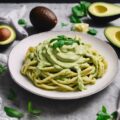
If you have ever wondered how to make a decadent, dairy-free cream sauce, cauliflower is your answer. When boiled or steamed until extremely tender and then pureed in a high-speed blender with garlic, olive oil, lemon juice, and a splash of vegetable broth, cauliflower transforms into a velvety, luscious sauce. This “faux-alfredo” is an incredible way to coat steamed vegetables, pasta, or even to use as a base for white lasagna. The key is blending it until it is perfectly smooth; the fiber in the cauliflower acts as a natural thickener, providing a creamy consistency that mimics heavy cream or roux-based sauces.
Elevating the Roasted Floret
While processed versions are popular, there is an unmatched beauty in a perfectly roasted floret. The Maillard reaction—the chemical process that occurs when food browns—is where cauliflower truly shines. Toss your florets in high-quality olive oil, smoked paprika, cumin, and sea salt. Roast at 425 degrees Fahrenheit until the edges are dark brown and crispy. This preparation changes the flavor profile from mild to nutty and savory. These roasted bites can serve as a standalone side dish, a topping for salads, or a crunch element in grain bowls, adding both texture and deep, complex flavor to any meal.
Cauliflower as a Meat Alternative
For those looking to participate in “Meatless Mondays” or reduce their overall animal protein consumption, cauliflower can be treated like a protein. Thanks to its density, it holds up well to heavy seasoning and grilling. Try making “Buffalo Cauliflower Wings” by dredging florets in a seasoned flour or almond meal batter, baking until crispy, and tossing them in a classic cayenne-butter sauce. The result is a satisfying, finger-food experience that captures the essence of a traditional wing. Similarly, cauliflower can be marinated in soy sauce, ginger, and sesame oil to create a savory element for tacos or wraps.
The Baking Revolution
Yes, you can even use cauliflower in baking. While it might sound unconventional, cauliflower purees can be used in chocolate brownies or muffins as a moisture-retaining agent, similar to how one might use applesauce or mashed banana. Because the vegetable is so mild once cooked and pureed, it disappears into batters, adding fiber without altering the flavor profile of the cocoa or spices. This is an excellent way to sneak extra nutrients into baked goods for children or picky eaters. Always ensure your puree is well-drained before adding it to your dry ingredients to keep the texture consistent.
Storage and Preparation Tips for Success
To get the most out of your cauliflower, proper storage is essential. Keep the head in a breathable bag in the refrigerator crisper drawer. If you notice small brown spots, simply trim them away; they are usually just a result of oxidation and do not indicate spoilage. When preparing, avoid boiling the vegetable for long periods in water, as this leaches out nutrients and creates a watery texture. Instead, opt for steaming, roasting, or air-frying. If you are prepping in advance, cauliflower rice can be stored in an airtight container for up to four days, making it an ideal candidate for weekly meal prep.
The Fermentation Frontier: Pickled and Probiotic Cauliflower
Beyond the heat of the oven or the blade of the food processor, cauliflower excels in the realm of preservation. Because of its dense, porous structure, cauliflower florets act as perfect vessels for pickling brines. Unlike leafy greens that wilt or squash that disintegrates, cauliflower maintains a crisp, satisfying ‘snap’ even after weeks in a jar. For a classic giardiniera, combine cauliflower florets with carrots, celery, and serrano peppers in a brine of white vinegar, water, kosher salt, and a touch of sugar. To elevate the profile, add mustard seeds, coriander, and fresh dill. This technique not only extends the shelf life of your produce but also introduces a tangy, acidic brightness that cuts through rich, fatty meals. If you are feeling adventurous, try a lacto-fermentation process. By submerging florets in a 3% salt-to-water brine, you allow beneficial bacteria to colonize the vegetable, resulting in a complex, sour, and gut-healthy snack that far surpasses any store-bought variety.
Mastering the Cauliflower Mash: The Potato’s Superior Cousin
For those avoiding nightshades or simply looking to reduce the glycemic index of a classic comfort meal, cauliflower mash is the gold standard. The trick to achieving a texture indistinguishable from mashed potatoes is in the moisture management. After boiling or steaming, spread the florets on a baking sheet and place them in a low-temperature oven (250°F) for 10 minutes to evaporate excess surface water. Once dry, transfer them to a high-speed blender or food processor. Emulsify with high-fat additions like ghee, grass-fed butter, or full-fat coconut milk. For a luxurious finish, fold in roasted garlic cloves, chives, or a dollop of sour cream. The starchiness of potatoes is replaced by the creamy, fiber-rich density of the cauliflower, creating a base that holds up beautifully under savory gravies or as a bed for braised short ribs.
The Art of the Cauliflower Crust: Beyond Pizza
While cauliflower pizza crust has become a household staple, the underlying chemistry of the ‘dough’ can be applied to a wider array of baked goods. To create a stable base, the cauliflower must be ‘riced’ and then squeezed—using a clean tea towel or cheesecloth—until virtually all moisture is removed. This dry pulp acts as a fibrous binder. When mixed with eggs, almond flour, and parmesan, it creates a dough that can be pressed into molds for savory tarts or flatbreads. For a breakfast twist, experiment with a cauliflower-based waffle. By blending the moisture-wrenched cauliflower with eggs and a hint of baking powder, you create a protein-forward, low-carb waffle that crisps up perfectly in a standard iron. The neutral base allows you to go savory with cheddar and jalapeño or lean into a neutral profile that pairs with berries and nut butter.
Dehydrating for Crunch: The Ultimate Healthy Snack
When you crave the experience of a potato chip without the heavy oil and starch, the dehydrator is your best friend. Thinly slice your cauliflower into uniform, translucent rounds. Toss them lightly in a mixture of olive oil, sea salt, and your favorite dry rub—think nutritional yeast, chili powder, or even powdered vinegar for a salt-and-vinegar effect. Arrange the slices on dehydrator trays and set to 135°F for 8 to 12 hours. The result is a light, airy, and intensely crunchy chip that retains the nutritional integrity of the raw vegetable. This method is particularly effective for utilizing the stems of the cauliflower, which are often discarded. When sliced thinly and dehydrated, the stems provide a heartier crunch than the florets, making them an excellent candidate for dipping into hummus or babaganoush.
The Cauliflower ‘Couscous’ Technique
While cauliflower rice is a standard, the ‘couscous’ method involves a finer processing technique that mimics the texture of semolina. Use the smallest setting on your food processor or a handheld box grater to create tiny, uniform granules. The goal here is to achieve a texture that is light and fluffy rather than dense. Once processed, do not sauté it; instead, place it in a heat-proof bowl and pour boiling water over it, letting it sit for two minutes before draining thoroughly through a fine-mesh sieve. This ‘steaming’ method keeps the grains distinct and prevents the clumping associated with direct heat. Toss this fluffy base with fresh parsley, mint, diced tomatoes, and lemon juice to create a grain-free Tabbouleh. Because the cauliflower is so light, it absorbs the dressing without becoming mushy, maintaining a refreshing bite that is perfect for summer salads.
Infusing Cauliflower with Smoke and Char
For home cooks with access to a grill or a smoker, cauliflower offers a unique opportunity to capture wood-fired flavors. Unlike softer vegetables that turn to mush over open flames, a whole head of cauliflower can be rubbed with a dry spice blend, wrapped in foil, and placed over indirect heat for 45 minutes to soften. Remove the foil and place the head directly over the coals for the final 10 minutes, basting with a mixture of melted butter and herbs. The result is a charred, smoky exterior that gives way to a tender, buttery interior. This ‘whole-roasted’ presentation is a show-stopping centerpiece for dinner parties. When sliced at the table, the interior reveals a spectrum of textures, from the charred tips of the florets to the dense, meaty core, providing a multi-sensory experience that is impossible to achieve with smaller pieces.
Frequently Asked Questions
Can I freeze cauliflower after I have turned it into rice? Yes, cauliflower rice freezes exceptionally well. Spread the raw, processed rice on a baking sheet to freeze individually for about an hour, then transfer to a freezer-safe bag. This prevents it from clumping into a solid block, allowing you to scoop out exactly what you need for a quick meal.
How do I stop my cauliflower from smelling like sulfur? The sulfurous smell often comes from overcooking the vegetable. Keep your cooking times short—roasting or sautéing until just tender-crisp will prevent the release of the compounds that create that pungent odor. Adding a squeeze of lemon juice or a splash of vinegar can also help neutralize the scent.
Is cauliflower safe for everyone to eat? While cauliflower is a nutrient-rich vegetable, it contains complex carbohydrates and fiber that can cause gas or bloating in some individuals, especially those with sensitive digestive systems like IBS. If you are new to eating large quantities, introduce it into your diet gradually to allow your gut microbiome to adjust.
Can I use frozen cauliflower instead of fresh? Absolutely. Frozen cauliflower is often flash-frozen at peak ripeness and is a convenient, budget-friendly option. If using frozen, ensure you thaw and pat it very dry with a kitchen towel before roasting or processing, as excess ice crystals can lead to a mushy final product.
What is the best way to season cauliflower to make it taste like meat? To mimic a savory, meat-like profile, focus on umami-rich seasonings. Soy sauce, tamari, smoked paprika, cumin, garlic powder, and nutritional yeast are your best allies. These ingredients help ground the mild flavor of the cauliflower and provide the depth typically associated with animal proteins.